10 Best Places to Visit in Vietnam in 2027 You’ll Love
Discover 10 of the best places to visit in Vietnam in 2027, from Ha Long Bay cruises and Hoi An’s lantern-lit streets to Sapa and Phu Quoc, with costs and seasonal travel advice.

Vietnam stretches over 1,600 kilometres from north to south, packing ancient cities, turquoise bays, lantern-lit old towns, and misty highland rice terraces into one country.
Whether you lean toward history, beaches, or remote trekking, the best places to visit in Vietnam cover every travel style. Read this blog for ten top Vietnam tourist places, with practical tips for confident trip planning.

Best Places to Visit in Vietnam at a Glance
The table below gives a quick overview of the best destinations to visit in Vietnam, including region, traveller type, and an approximate daily budget per person.
| Destination | Region | Best For | Approx. Daily Budget |
|---|---|---|---|
| Ha Long Bay | Northeast | Cruises, kayaking | Approximately $60-$120 |
| Hoi An | Central | History, lanterns, food | Approximately $40-$80 |
| Ho Chi Minh City | South | Urban energy, history | Approximately $50-$90 |
| Hanoi | North | Culture, street food | Approximately $40-$80 |
| Da Nang | Central | Beaches, day trips | Approximately $45-$85 |
| Hue | Central | Imperial monuments | Approximately $35-$70 |
| Nha Trang | South-Central | Diving, beaches | Approximately $40-$80 |
| Phu Quoc | Southwest | Island relaxation | Approximately $55-$100 |
| Sapa | Northwest | Trekking, culture | Approximately $30-$70 |
| Da Lat | Central Highlands | Cool climate, nature | Approximately $35-$75 |
Map of the Best Places to Visit in Vietnam
Vietnam’s shape makes route planning essential. Hanoi anchors the north, Ho Chi Minh City dominates the south, and the Central region clusters Hue, Da Nang, and Hoi An close together.
Sapa sits in the far northwest highlands, and Phu Quoc floats off the southern coast. A linear north-to-south route covers the best destinations to visit in Vietnam without unnecessary backtracking.
Read More: Vietnam is vast, and planning your route can feel overwhelming to understand it easily read our blog 👉 Vietnam Travel Guide: Itinerary, Costs, Transport, Tips & More
Best Places to Visit in Vietnam
1. Ha Long Bay
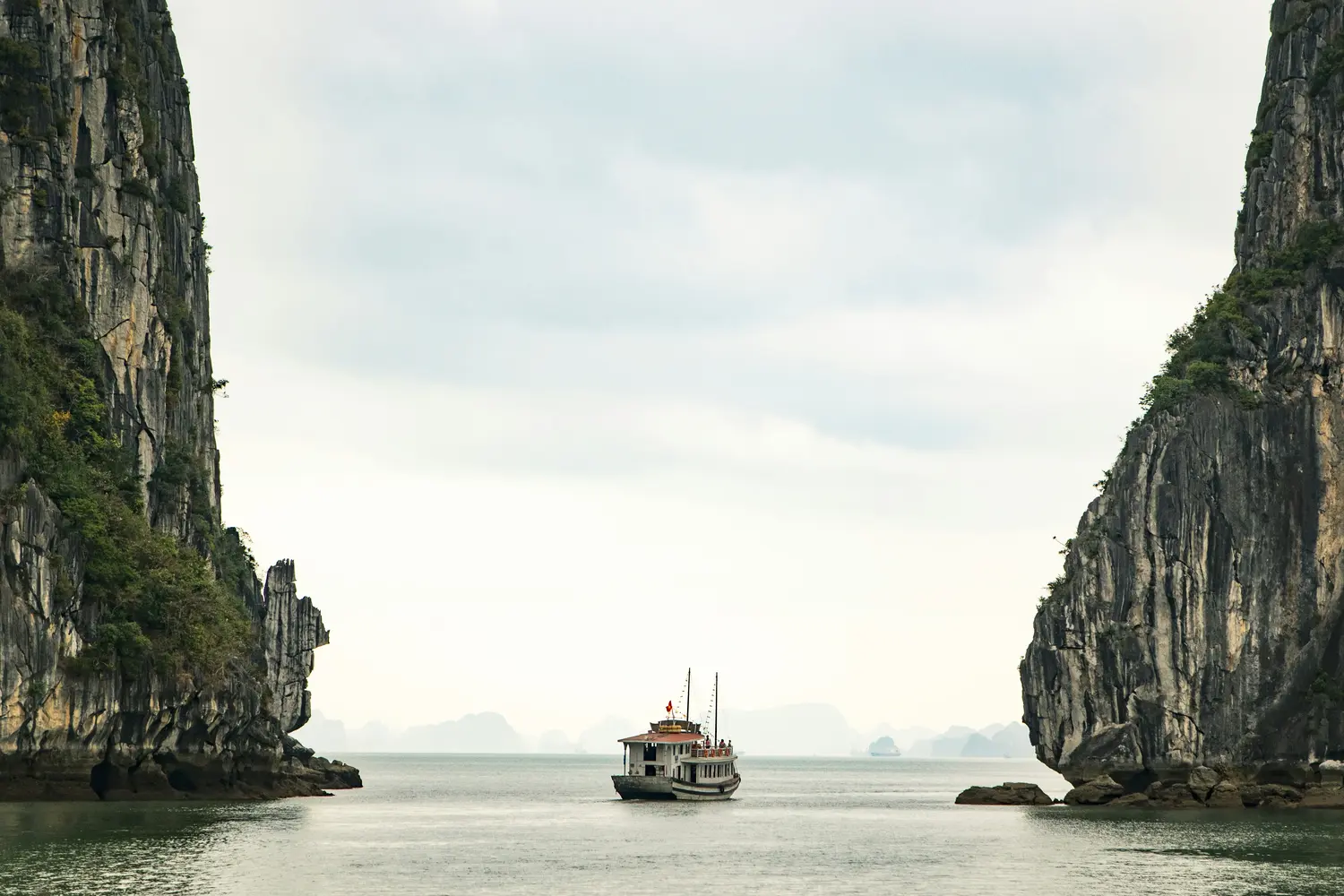
Why visit: Ha Long Bay stands among the most photographed Vietnam tourist places, with over 1,600 limestone karsts rising from green-blue water across northeastern Vietnam.
A UNESCO World Heritage Site, it offers sea caves, floating villages, and overnight cruises that feel genuinely remote once you leave the busier docking areas.
Top things to do: Book a two-day overnight cruise that includes kayaking and cave exploration. Explore Sung Sot (Surprise) Cave, one of the bay’s largest accessible grottoes. Kayak through Luon Cave into the calm enclosed lagoon beyond
Getting there: Fly to Hanoi Noi Bai Airport, then take a shuttle to Halong City, approximately 3.5 hours by road. Most overnight cruise operators include this transfer.
Don’t miss: The sunrise from your cruise deck before day tour boats arrive at the outer islands.
Our Vietnam Travel Guide maps out the best places to go in Vietnam and covers things to do in Vietnam across every region, from bay cruises to northern highland adventures.
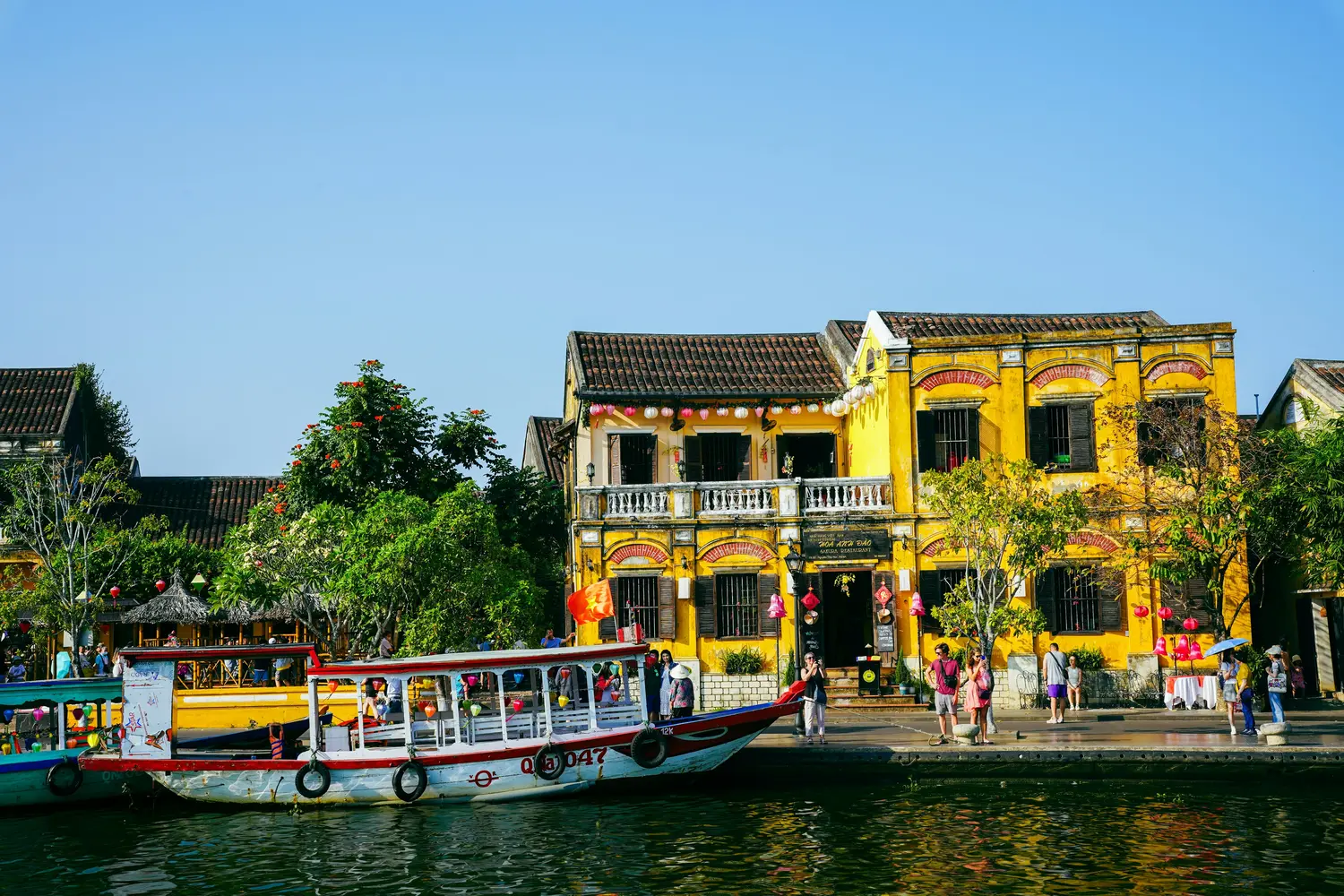
2. Hoi An
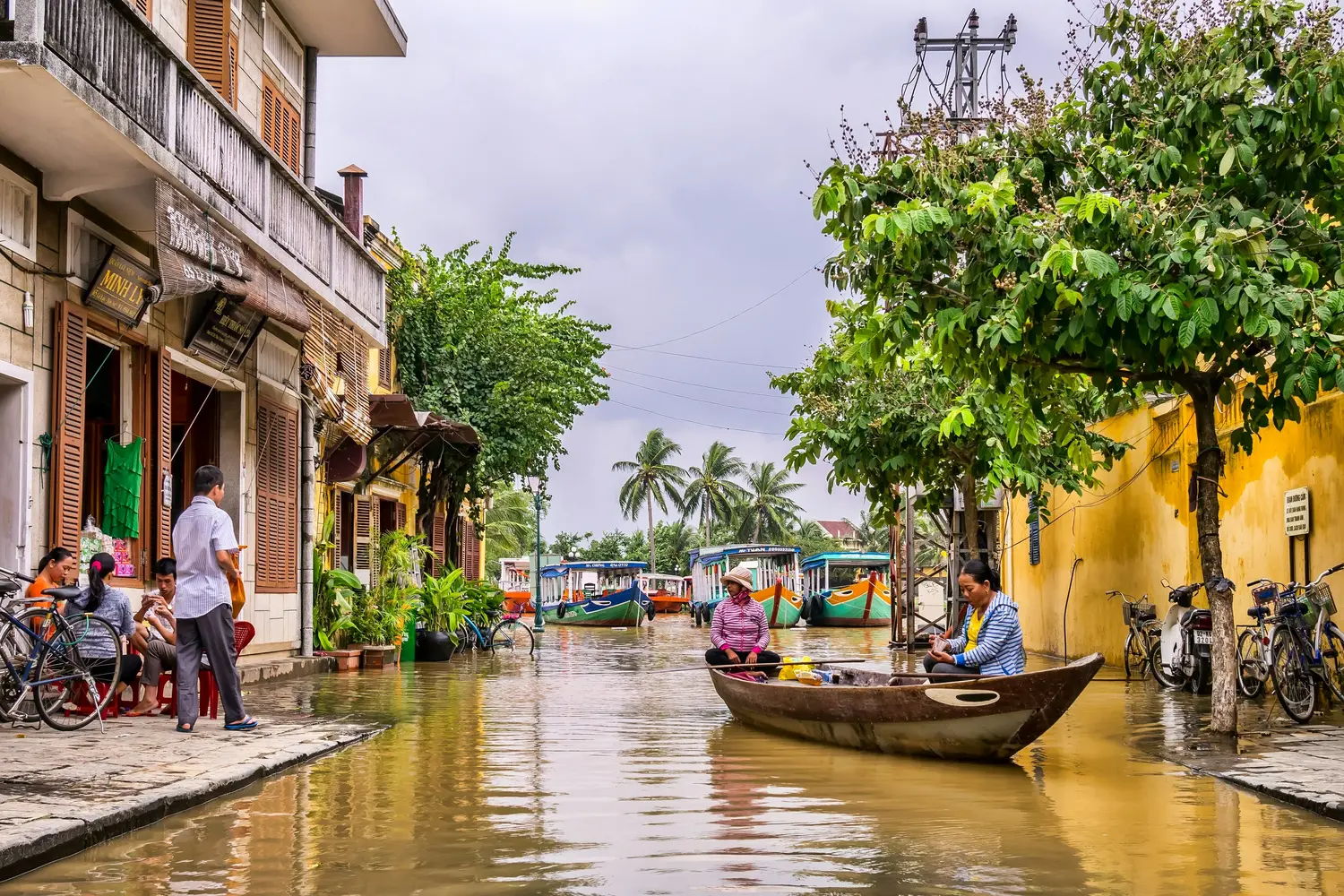
Why visit: Hoi An ranks among the best places to travel in Vietnam for atmosphere and history. The 17th-century Ancient Town glows with paper lanterns each evening and suits Vietnam solo travel thanks to its walkable layout, affordable food options, and lively community of local guides.
Top things to do: Walk the Ancient Town at dusk and visit the iconic Japanese Covered Bridge. Take a morning cooking class using fresh herbs sourced from Hoi An Central Market. Cycle to An Bang Beach, approximately five kilometres from the town centre
Getting there: Fly directly into Da Nang International Airport, then take a taxi approximately 30 kilometres south to the Ancient Town entrance.
Don’t miss: The Full Moon Lantern Festival on the 14th of each month, when electricity goes dark across the entire Ancient Town.
For curated Vietnam itineraries that combine Hoi An with Hue and Da Nang, visit our Vietnam Travel Guide.
Read More: Entering Vietnam requires the right visa documents depending on your passport. We cover all entry rules and exemptions in clear terms. Read our blog 👉 Do You Need a Visa to Visit Vietnam? Entry Rules Explained
3. Ho Chi Minh City
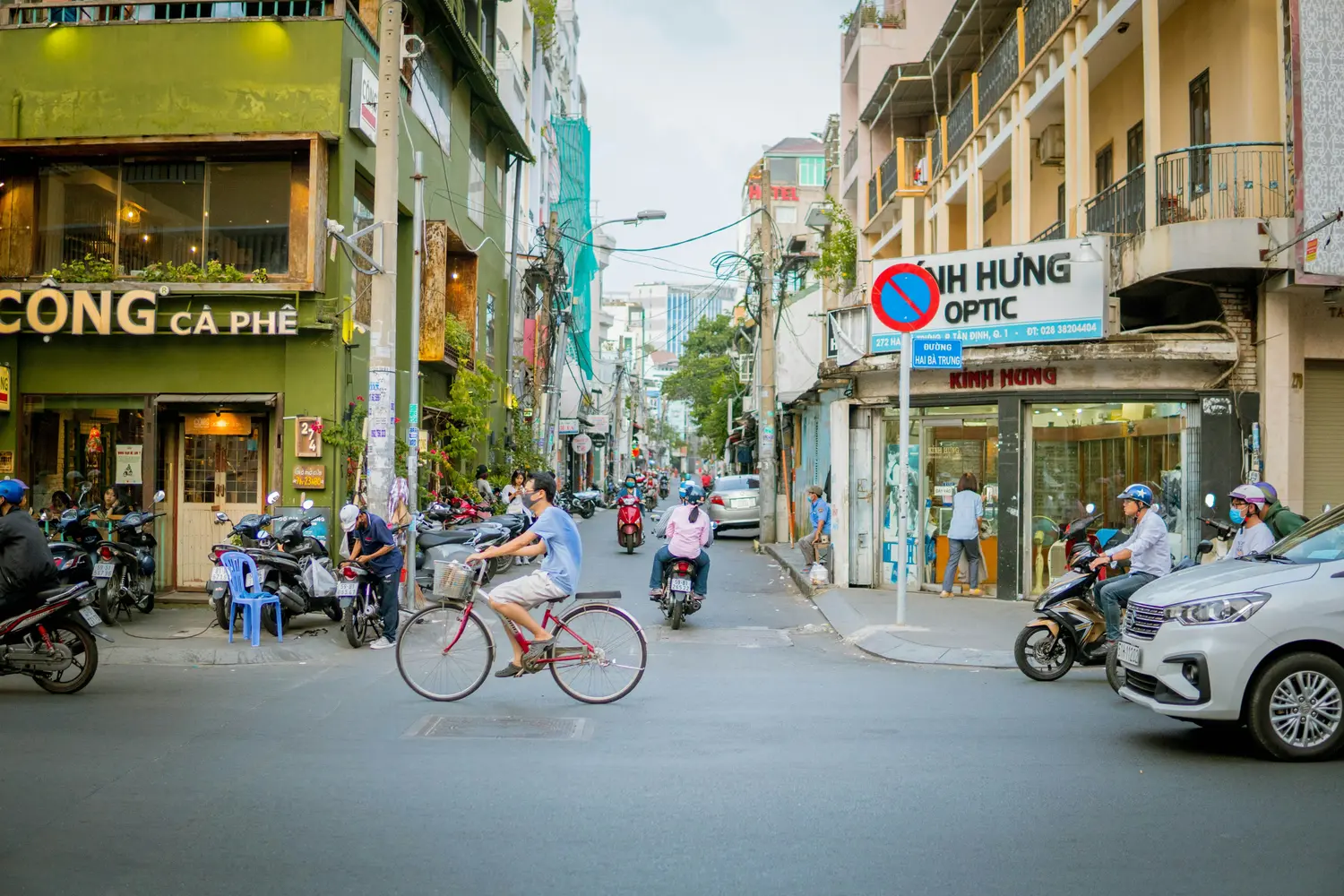
Why visit: Ho Chi Minh City is one of the best cities to travel in Vietnam, blending French colonial architecture with modern towers, lively street food alleys, and museums that document the country’s 20th-century history in compelling detail.
Top things to do: Tour the Cu Chi Tunnels, the underground wartime network 70 kilometres northwest of the city. Visit the War Remnants Museum for a detailed account of the Vietnam War era. Explore Ben Thanh Market and the Bui Vien walking street by night
Getting there: Tan Son Nhat International Airport sits inside the city, with taxis reaching the centre in approximately 30 to 45 minutes.
Don’t miss: A sunset drink at a Nguyen Hue rooftop bar, where the pedestrian street below fills with locals and visitors each evening.
Our Vietnam Travel Guide covers the top places to see in Vietnam in this region, including half-day trips from the city.
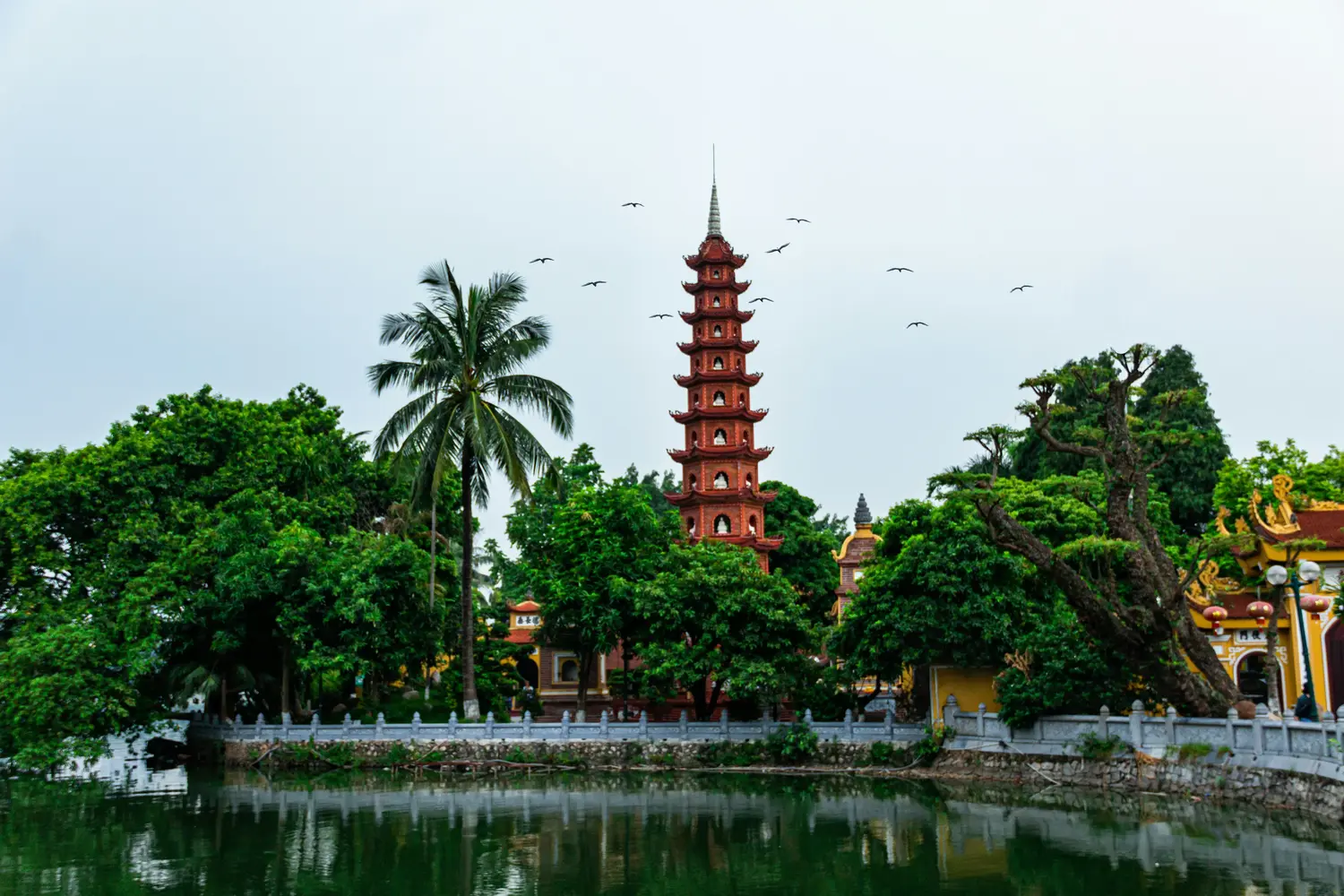
4. Hanoi
Why visit: Hanoi rewards slower exploration, with an Old Quarter built on 36 historic trade streets, ancient pagodas around Hoan Kiem Lake, and a French quarter that gives the capital a character unlike any other northern destination in the country.
Top things to do: Walk the 36-street Old Quarter and stop for egg coffee at a traditional café. Visit Hoan Kiem Lake and the Ngoc Son Temple on the northern island. Take a day trip to Bat Trang Pottery Village, approximately 15 kilometres from the centre
Getting there: Noi Bai International Airport is approximately 45 minutes from the city centre by taxi or the city’s metro line.
Don’t miss: The Hanoi Train Street, a narrow residential alley where express trains pass within metres of outdoor café tables twice daily.
Our Vietnam Travel Guide maps out the best destinations to visit in Vietnam in the north, from Hanoi to surrounding provinces and day-trip areas.
5. Da Nang
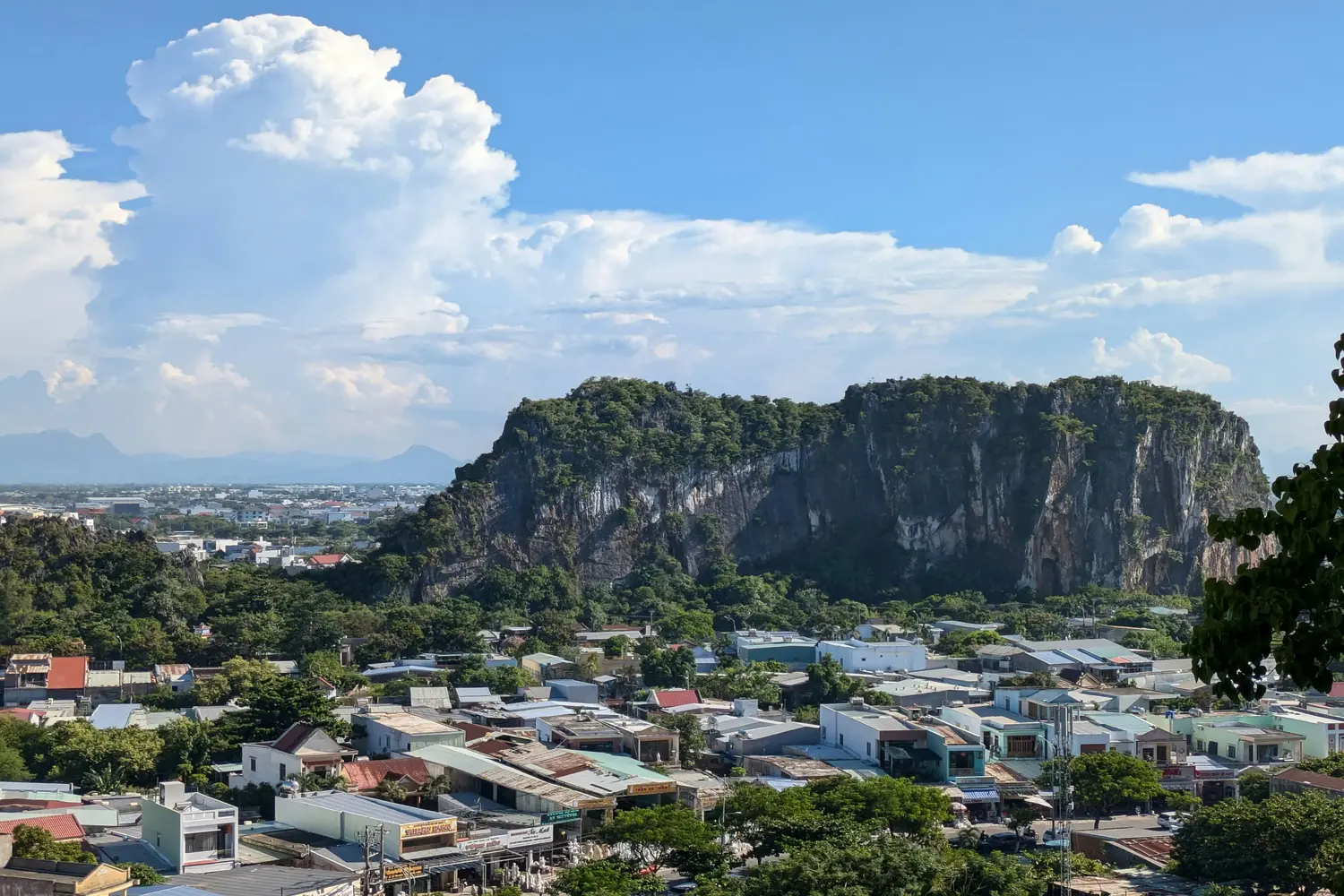
Why visit: Da Nang is one of the best cities to travel in Vietnam for travellers who want beaches and urban convenience in one base. My Khe Beach stretches along the city’s eastern edge, and Marble Mountain and Ba Na Hills are both reachable as quick half-day trips.
Top things to do: Cycle or walk along My Khe Beach at sunrise before the midday heat sets in. Visit the Marble Mountains for temples carved across five coastal limestone hills. Ride the Ba Na Hills cable car to the Golden Bridge and French Village above the city
Getting there: Da Nang International Airport sits at the city’s northern edge, with taxis reaching the beach strip in under 15 minutes.
Don’t miss: The Dragon Bridge fire and water show on Saturday and Sunday nights over the Han River.
Our Vietnam Travel Guide covers all the best destinations to visit in Vietnam along the central coast, linking Da Nang with nearby Hoi An and Hue.
Read More: Vietnam and Thailand are both top Southeast Asian destinations worth comparing side by side. Here is what each offers solo travellers and first-time visitors. Read our blog 👉 10 Best Places to Visit in Thailand You’ll Love
6. Hue
Why visit: Hue is the former imperial capital of Vietnam and one of the most significant places to see in Vietnam for heritage travel. The Nguyen dynasty’s palaces, royal tombs, and pagodas line the Perfume River in a stretch compact enough to cover in two full days.
Top things to do: Explore the Imperial Citadel of Hue, a walled complex with over 100 surviving monuments inside. Visit the Royal Tombs of Minh Mang and Tu Duc along the river’s south bank. Take a dragon boat ride down the Perfume River at dusk
Getting there: Hue Phu Bai Airport is approximately 15 kilometres from the city. Hue also sits on the main north-south rail line, with trains from Da Nang taking around 2.5 hours.
Don’t miss: A bowl of bun bo Hue at a morning street stall before the city’s main tourist activity builds.
Our Vietnam Travel Guide covers the central region in full, connecting Hue, Da Nang, and Hoi An in one practical itinerary.
7. Nha Trang
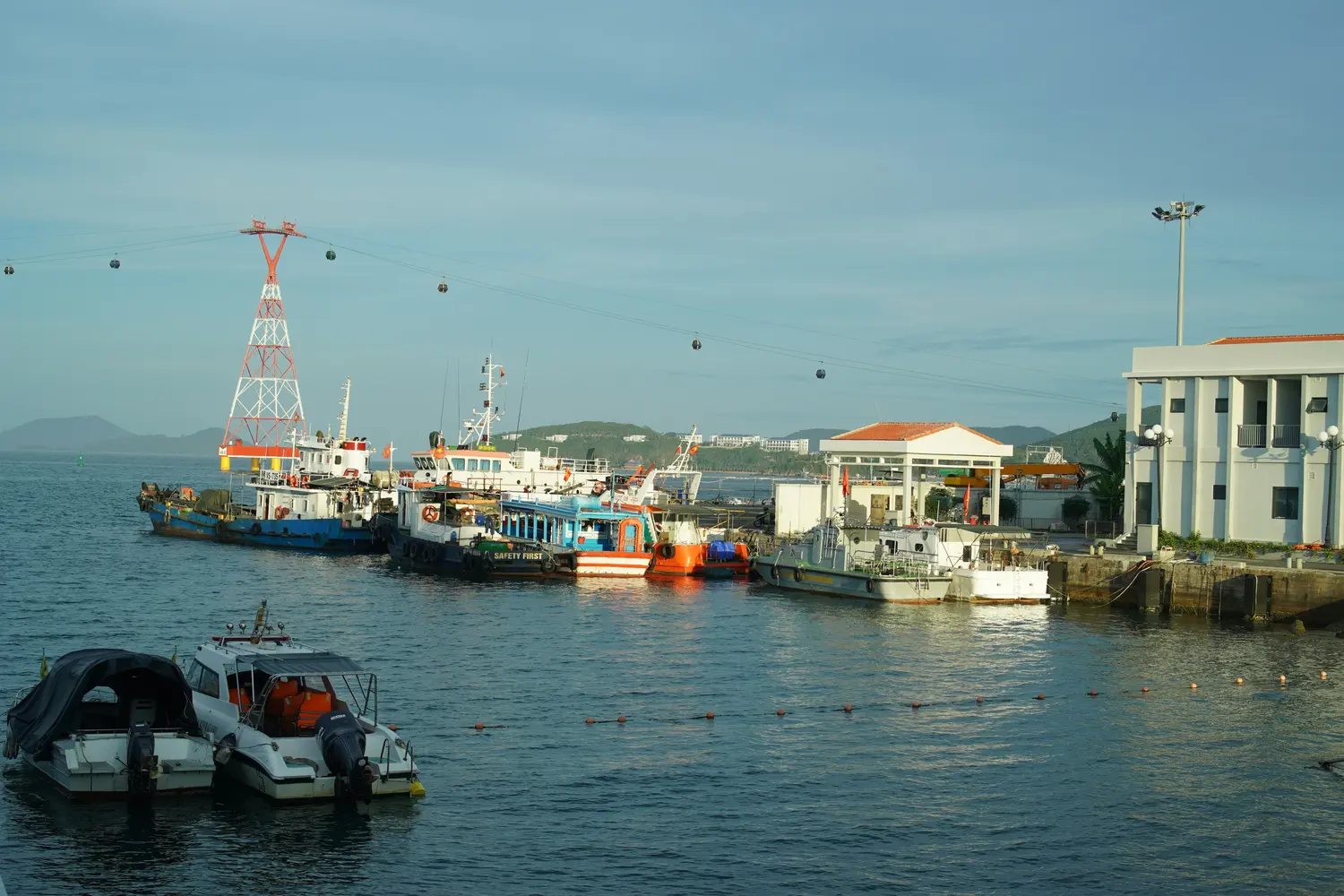
Why visit: Nha Trang offers clear-water diving, a sandy city beach, and affordable island boat trips, making it one of the most convenient coastal bases in southern Vietnam. The bay’s coral reefs are protected, and dive sites near the outer islands attract beginners and experienced divers alike.
Top things to do: Dive or snorkel at Hon Mun Marine Protected Area, a coral-rich zone in the outer bay. Take a day boat trip to the outer islands for snorkelling and fresh seafood. Visit the Po Nagar Cham Towers, a 7th-century Hindu temple complex on the river’s north bank
Getting there: Cam Ranh Airport is about 35 kilometres south of the city, and taxis take around 45 minutes to reach the beach strip.
Don’t miss: Sunset on the main beach, with fresh grilled seafood from the esplanade stalls.
Our Vietnam Travel Guide covers all the top places to see in Vietnam along the south-central coast, including dive conditions and island day trips from Nha Trang.
8. Phu Quoc
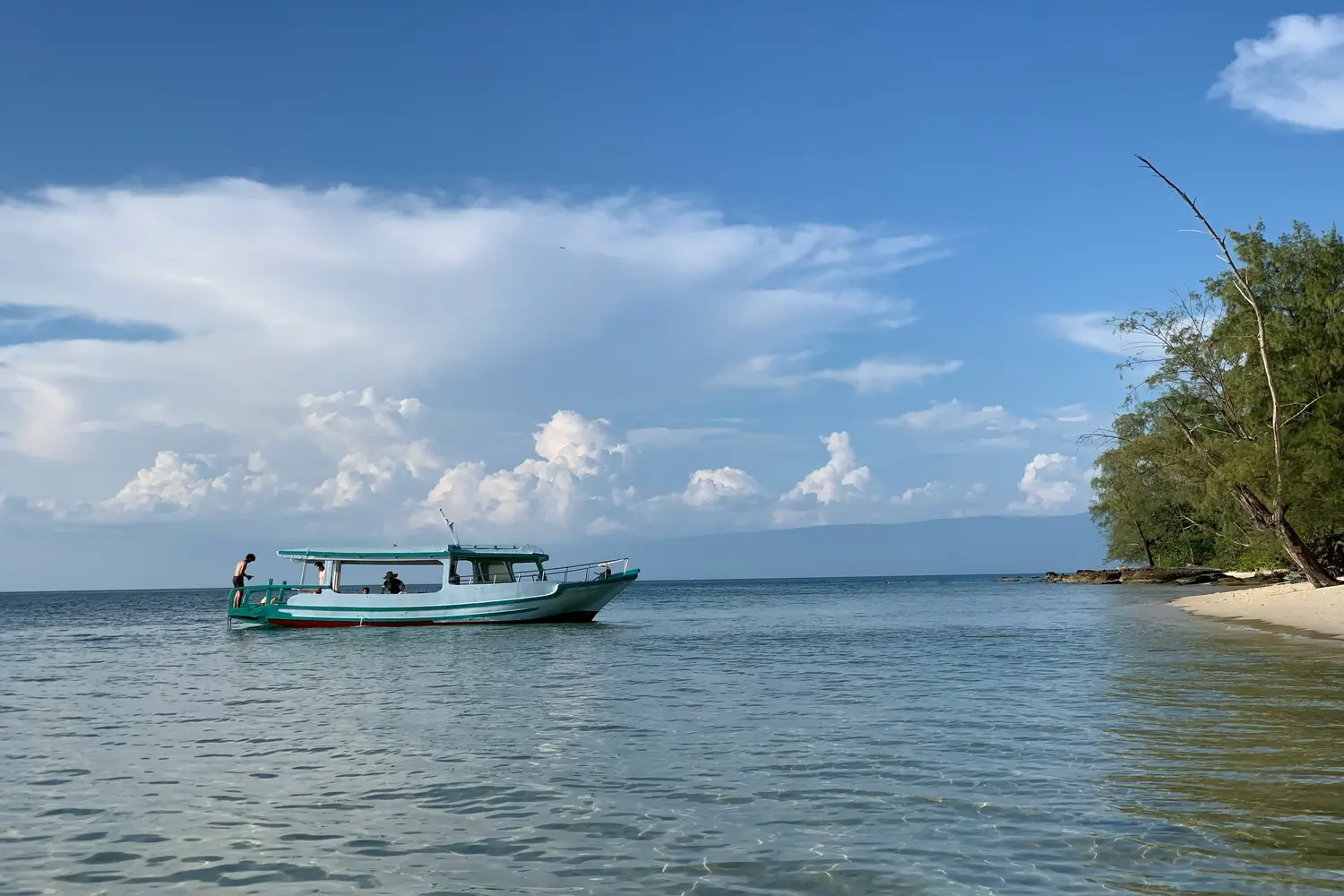
Why visit: Phu Quoc is one of the top Vietnam tourist places for a full island escape. Off Vietnam’s southwestern coast, it offers white-sand beaches, clear water for snorkelling, a developed resort strip on the west coast, and quieter fishing villages on the north and east sides.
Top things to do: Swim and snorkel at Sao Beach on the island’s south side, consistently rated among Vietnam’s clearest beaches. Explore Phu Quoc National Park on a rented motorbike through forest roads. Visit Duong Dong Night Market for fresh seafood and locally produced pepper
Getting there: Phu Quoc International Airport has direct flights from Hanoi and Ho Chi Minh City. Ferries also run from Ha Tien on the southern mainland coast.
Don’t miss: Sunset from Long Beach as fishing boats return to Duong Dong Harbour in the late afternoon.
Our Vietnam Travel Guide covers how to reach Phu Quoc and what to see once you are there.
Read More: December is one of Vietnam’s most popular travel months, with festivals and clear skies in the south. Here is a full regional breakdown of what to expect. Read our blog 👉 Vietnam in December: Weather, Festivals and Travel Tips
9. Sapa
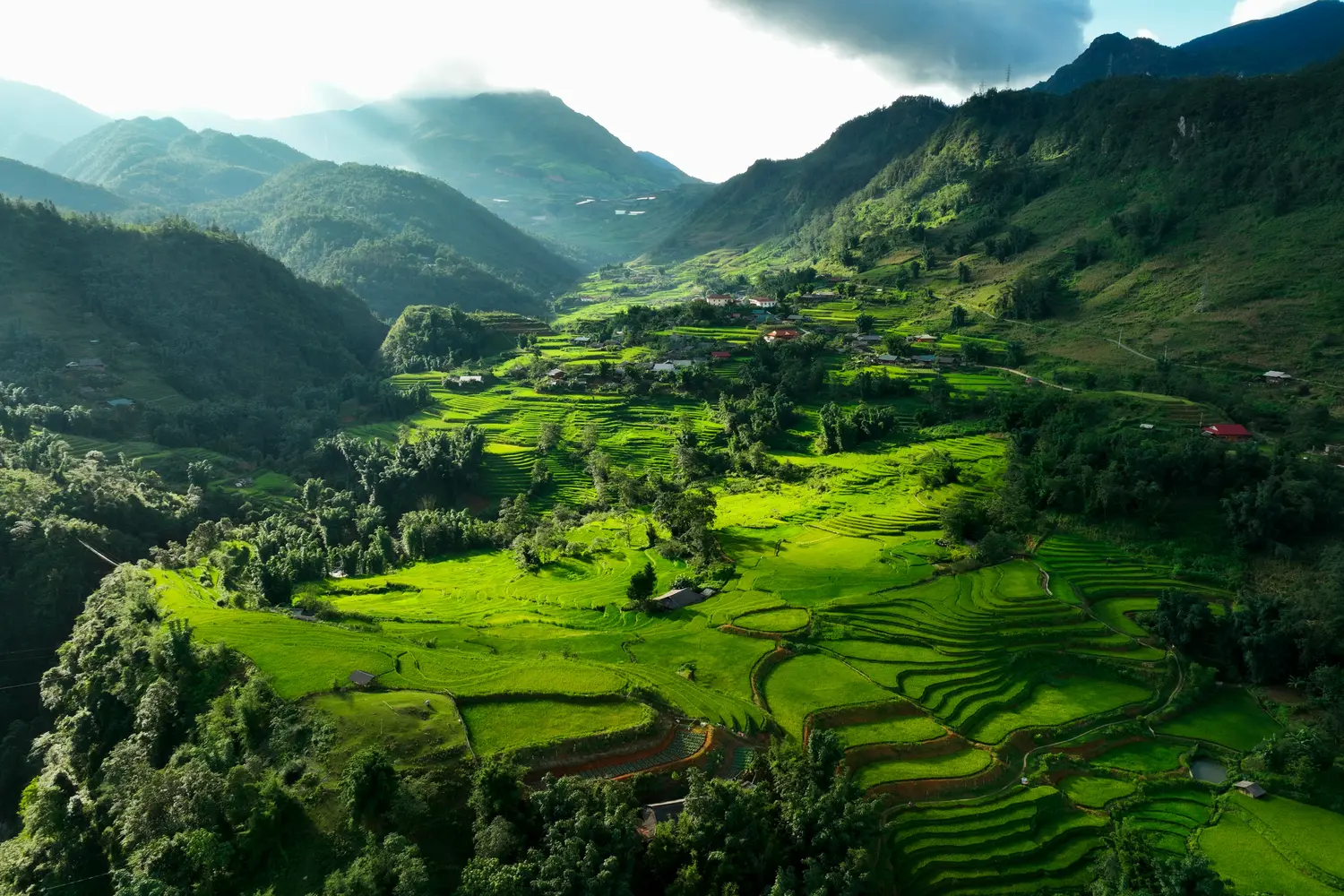
Why visit: Sapa is one of the best places to travel in Vietnam for highland trekking and cultural discovery. Set near the Chinese border in the Hoang Lien Son mountains, it offers terraced rice fields, trails through ethnic minority villages, and cool air that provides a natural break from the lowland heat.
Top things to do: Trek to Ta Van and Lao Chai villages to meet Black Hmong and Red Dao communities; take the cable car or hike to Fansipan, Vietnam’s highest peak at 3,143 metres; attend the Bac Ha Sunday Market, a highland market approximately two hours from Sapa town
Getting there: Take an overnight train from Hanoi to Lao Cai station, then a 30-minute transfer to Sapa town. The journey takes approximately 8 to 9 hours total.
Don’t miss: The Muong Hoa Valley rice terraces in September and October, when paddies turn golden before the harvest season.
Our Vietnam Travel Guide covers highland trekking routes and village homestay options near Sapa and the broader northern mountains.
10. Da Lat
Why visit: Da Lat sits at 1,500 metres in the Central Highlands and stands apart from every other destination on this list. Known for cool weather year-round, it offers strawberry farms, pine forests, flower gardens, and French colonial architecture within a compact, walkable city.
Top things to do: Ride the cable car to Truc Lam Zen Monastery above the pine-ringed Tuyen Lam Lake; cycle through the Valley of Love (Thung Lung Tinh Yeu) on the city’s northern edge; try egg coffee and artichoke tea at a lakeside café near Xuan Huong Lake
Getting there: Lien Khuong Airport is about 30 kilometres from the city, and taxis take around 45 minutes. Overnight buses from Ho Chi Minh City take approximately 7 hours.
Don’t miss: The Crazy House (Hang Nga Guesthouse), a surrealist architectural landmark near the central market, open to visitors daily.
Our Vietnam Travel Guide covers the best destinations to visit in Vietnam in the Central Highlands, including Da Lat’s cool-season travel windows and surrounding national parks.

Best Places to Visit in Vietnam by Traveler Type
City explorers
They find the best cities to travel in Vietnam in Hanoi and Ho Chi Minh City, with colonial streets, museums, and street food all within reach. Hue adds imperial depth for travellers with an extra day.
Outdoor travellers
These head to Sapa for highland trekking, Ha Long Bay for bay kayaking, and Da Lat for cool-climate cycling. These are the best destinations to visit in Vietnam for anyone who prefers landscapes over landmarks.
Beach and island travellers
These are well covered by Da Nang for urban beach convenience, Nha Trang for diving access, and Phu Quoc for a full island retreat.
Culture and food seekers
They find the best places to go in Vietnam in Hoi An and Hue, where cooking classes, food tours, and heritage walking routes can fill several days comfortably.
Read More: January is one of Vietnam’s most popular travel months, with dry weather across the south and festive energy in the north. Here is what to expect region by region. Read our blog 👉 Vietnam in January: Weather, Events, Things to Do & Travel Tips
Best Places to Visit in Vietnam by Season
Vietnam’s length means seasons shift dramatically by region. The best time to visit Vietnam depends on where you plan to travel.
November to April
The dry season runs through central and southern Vietnam during this window. Hoi An, Nha Trang, Ho Chi Minh City, and Phu Quoc are at their most accessible from November onwards.
For the central coast, February to May gives the strongest conditions, as Hue and Da Nang receive heavy rain from October through December.
Da Lat holds its mild highland climate across this entire period and works as a reliable addition in any month.
May to October
Rain moves into the south while the north clears. Hanoi, Sapa, and Ha Long Bay reward travel from May to September, particularly for highland trekking.
Da Lat stays comfortable even when coastal lowlands see heavier rainfall, so it fits into itineraries during either half of the year without adjustment.
October to December
This is the heaviest rain window for the central coast. If Hue or Da Nang are part of the plan, February to May is a stronger choice for those cities.
The north stays accessible from October to December, Da Lat remains mild, and southern destinations like Ho Chi Minh City begin drying out toward the end of this period.
Practical Planning Tips
Flights and Entry Points
- Vietnam's three main international airports are Noi Bai (Hanoi), Da Nang International (central region), and Tan Son Nhat (Ho Chi Minh City).
- Budget carriers including VietJet and Bamboo Airways connect domestic routes affordably.
Getting Around
- Vietnam transportation between cities is well developed across rail, bus, and air.
- The Reunification Express train covers the full north-south route, with overnight sleeper cabins a popular option between major stops.
- Open-tour buses are the most affordable choice on the same corridor.
- Domestic flights save significant time on longer legs.
Budget Planning
- Street meals average approximately 1-4.
- Comfortable guesthouses outside the main tourist centres often cost approximately 15-30 per night.
- Travel Vietnam on a budget by mixing street food with accommodation one step back from the main tourist strip.
Planning Resources
- Our Vietnam Travel Guide covers Vietnam travel tips on visa requirements, currency exchange, tipping, and safety across each region.
How to Stay Connected in Vietnam
Vietnam has strong 4G and 5G coverage in all major cities and tourist areas, with reliable Wi-Fi widely available in guesthouses and cafes. Mobile data is affordable by any standard.
A local SIM card from Viettel or Vietnamobile is easy to pick up at airports and convenience stores, with prepaid plans starting at approximately 5-10 for seven to ten days of data.
If you are searching for a no-swap setup, a best eSIM for Vietnam travel lets you activate a local data plan before landing, keeping your physical SIM free for home calls.
Coverage is excellent in cities and tourist hubs, though remote areas such as highland villages near Sapa and the outer Ha Long Bay islands may see reduced signal.
Stay Connected While Travelling in Vietnam with Jetpac
Jetpac offers reliable, affordable data plans for travellers heading to Vietnam. With eSIM for Vietnam, you can connect to local networks the moment you land, with no need to find a SIM card shop at the airport.
Jetpac covers all the major Vietnam tourist places on this list, from busy cities and beach resorts to highland areas. Plans are flexible, so you only pay for the data you need, whether for a weekend trip or a multi-week journey.
The best eSIM for Vietnam from Jetpac downloads to your phone before departure, with activation taking under a minute. No physical SIM is required, and your existing home number stays active throughout.
Visit jetpacglobal.com and search for eSIM Vietnam to find the right plan before your trip.
FAQs
Which Vietnam destinations are most popular with first-time visitors?
Ha Long Bay, Hoi An, Hanoi, and Ho Chi Minh City are the most popular starting points, covering iconic scenery, history, and urban energy in a single trip.
How many days do you need to see Vietnam properly?
Two weeks covers the key highlights if you use domestic flights between major cities. A month allows for slower travel, including highland trekking and island time.
Is Vietnam safe for solo travellers?
Vietnam is widely considered safe for solo travel. Petty theft can occur in busy tourist areas, so keep valuables secure in crowded markets and on overnight transport.
What is the best time of year to visit Vietnam?
November to April suits most first-time visitors and covers the best weather window for central and southern destinations.
What currency is used in Vietnam?
Vietnam uses the Vietnamese Dong (VND). US dollars are accepted at many tourist-facing businesses in major cities, but dong is better for markets and street food stalls.
How do you get around Vietnam between cities?
Domestic flights, overnight trains, and open-tour buses are the three main options. Flights save the most time, trains are scenic, and buses suit the tightest budgets.
Is Vietnam affordable for tourists?
Vietnam is one of Southeast Asia’s most budget-friendly destinations. Most travellers manage comfortably on approximately 30-50 per day for accommodation, food, and local transport.
Do I need a visa to visit Vietnam?
Most Western passport holders can enter visa-free for up to 45 days. Requirements vary by nationality, so verify current rules with the Vietnamese embassy before booking.
Disclaimer
Prices listed in this article are approximate and based on 2026 data. All information was accurate at the time of writing. Prices, seasonal conditions, transport schedules, attraction details, and visa requirements may change after publication. Always verify current information with official Vietnamese government, tourism, and service-provider websites before travelling. Jetpac is not responsible for any changes to the information after publication.
Get connected as soon as you land with a Jetpac travel eSIM.