What to Pack for Spain: A Complete Spain Packing List
Get ready for Spain with a season-by-season packing guide covering clothing, shoes, toiletries, and plug adapters, plus tips for families, solo travelers, and hikers.

Spain’s geography covers Atlantic surf breaks in Cantabria, volcanic lunar landscapes on Lanzarote, medieval hilltop cities in Extremadura, and green Celtic coastlines in Asturias.
What works for a week in Salamanca differs considerably from a Canary Islands beach trip or a hiking circuit through the Picos de Europa.
Packing for Spain depends on the season, which regions the itinerary covers, and whether the trip is coastal, urban, or outdoor-focused. Alicante in summer and Girona in February require opposite wardrobes, sometimes within the same trip.
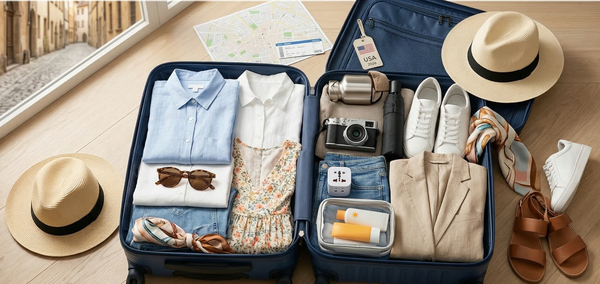
Packing for Spain means accounting for its regional variety from the outset. This covers practical items travelers use across Spain’s regions and trip types, adjusted for different travel styles and trip lengths.
Quick Answer: What Should You Pack for Spain?
|
Category |
Essentials |
Documents |
Passport, entry documents, travel insurance, booking confirmations |
Clothing |
Season-appropriate layers, light scarf, one smart outfit |
Shoes |
Comfortable broken-in walking shoes, one casual pair |
Electronics |
Phone, charger, power bank, Type F plug adapter |
Toiletries |
Personal essentials, SPF 50 sunscreen, medications |
Travel gear |
Compact day bag, reusable water bottle, packing cubes |
Connectivity |
eSIM or SIM card, offline maps downloaded before departure |

Spain Packing List: Essential Items
Understanding what to pack for Spain starts with documents, climate-appropriate clothing, and the practical gear that makes moving between Spain’s diverse regions manageable.
Travel Documents and Money
- Passport valid for at least 3 months beyond your return date
- Visa or ETIAS entry documents; requirements vary by nationality, so verify before booking
- Travel insurance confirmation saved digitally and printed
- Check if an international driving permit is recommended for your nationality when hiring a car; useful for rural Extremadura and Rías Baixas routes where public transport is limited
- Approximately USD 50-100 in cash; markets in Jerez de la Frontera, smaller tapas bars in Asturias, and rural Cantabria villages often prefer cash over cards
- Downloaded copies of all timed entry bookings; attractions with timed slots enforce entry times strictly and late arrivals lose access
Clothing
- 5-7 outfits for most trip lengths; laundromats are available in all Spanish cities and most large towns for longer stays
- A light scarf for church and cathedral visits; covered shoulders and knees are required at religious sites throughout Spain
- One smart casual outfit for Salamanca restaurants, Girona evening dining, and Jerez flamenco performances
- A windproof waterproof jacket for Asturias, Cantabria, and Galicia’s Rías Baixas; the northwest receives rainfall year-round regardless of season
- Thermal base layers for winter visits to inland Extremadura and Castile where temperatures drop below freezing overnight
Shoes
- Comfortable walking shoes already broken in before departure; cobblestones in Salamanca’s Plaza Mayor and Cáceres UNESCO old city cause blisters on new footwear within hours
- Sandals for Menorca’s cove beaches, Alicante’s coastal promenade, and Fuerteventura’s beach walks in summer
- Hiking boots if the Picos de Europa in Cantabria, Ordesa National Park in the Pyrenees, or Almería’s Cabo de Gata coastal trails are on the route
- A smarter casual pair for evenings; Spanish dinner typically starts from 8:30pm onward
Toiletries and Personal Care
- Personal toiletries in travel sizes; Spanish farmacias (identified by a green illuminated cross) stock most international brands across the country
- SPF 50 sunscreen for Alicante, Fuerteventura, Gran Canaria, and Almería from March through October; UV index regularly reaches 9-11 in southern Spain and the Canary Islands during peak summer
- Prescription medication in original packaging with a supporting letter from your doctor
- Insect repellent for Extremadura’s natural parks and wetland areas in summer
Electronics and Travel Tech
- Smartphone with Renfe downloaded for intercity rail bookings and live tracking across Spain’s high-speed network
- Type F plug adapter; Spain uses 230V Type F (Schuko) sockets on the mainland and across the Canary Islands, differing from US, UK, and Australian plug standards
- Power bank for full-day outdoor itineraries in the Picos de Europa and Cabo de Gata coastal trails where charging access is absent
- Camera for Extremadura’s Roman ruins at Mérida, Girona’s medieval walls, and Lanzarote’s volcanic landscapes if smartphone photography is not sufficient
Travel Accessories
- Compact day bag with a zipper for daily sightseeing; pickpocketing is documented at busy tourist sites and city metro lines across Spain
- Reusable water bottle; tap water is safe throughout mainland Spain and the Canary Islands, with public refill points in most parks
- Sunglasses and a wide-brim sun hat for Alicante’s beachfront, Jerez vineyard walks, and Almería’s semi-desert landscape from April through October
- Packing cubes for multi-region trips combining Cantabria, Asturias, and Galicia on a northern coast circuit
Read more: Knowing whether your phone and data plan will connect in Spain before departure prevents coverage problems from the first day. 👉 Will My Phone Work in Spain? Tips Before You Travel
What to Wear in Spain
Spain has no nationwide dress code outside religious sites, but clothing choices affect daily comfort and how locals receive you. Athletic wear outside gyms and beach areas reads as tourist-specific in Salamanca, Girona, and Jerez’s historic center.
Knowing what to wear in Spain by region matters more than a single general rule. Asturias and Cantabria need waterproof outer layers year-round; the Canary Islands suit lightweight summer clothing in every season; Alicante and Almería are hot dry-heat destinations from May through October.
Cathedral and church visits require covered shoulders and knees at the entrance without exception. A light scarf resolves this across all Spanish regions without adding meaningful weight to any bag.
Read more: Europe’s widely different climates, terrain types, and traditional dress expectations make region-by-region packing planning worthwhile. 👉 Your Seasonal Europe Packing List: From Summer Sun to Winter Snow
What to Pack for Spain by Season
Season |
Weather to Expect |
What to Pack |
Spring (March-May) |
12-22°C; rain in northern Spain and Galicia |
Light layers, waterproof jacket, broken-in walking shoes, light scarf |
Summer (June-August) |
35-42°C in inland Extremadura; 24-28°C in Asturias |
Linen, cotton, SPF 50, wide-brim hat, sandals, light evening layer |
Autumn (September-November) |
12-24°C; mild in south and islands |
Medium layers, ankle boots, light waterproof, scarf |
Winter (December-February) |
0-10°C inland; 14-20°C in Canary Islands |
Warm coat, thermal underlayers, waterproof boots for northern regions |
A Spain packing list for summer in Extremadura or Alicante needs SPF 50, loose natural fabrics, and a wide-brim hat; temperatures in Extremadura regularly exceed 40°C from mid-June through August.
A Spain packing list for winter should include a warm coat and waterproof boots for Asturias, Cantabria, and any mountain itinerary; the Canary Islands are the exception, staying warm enough for light layers year-round.
A Spain packing list for autumn allows lighter packing than summer while one waterproof layer stays essential for northern regions; September through October delivers some of Spain’s most comfortable outdoor conditions.
The best time to visit Spain for most first-time travelers is April through June or September through October, when temperatures are manageable, and accommodation is cheaper than the August peak.
What to Pack for Different Types of Trips
City break (Salamanca, Girona, Zaragoza):
A compact, secure day bag and broken-in walking shoes are the two non-negotiables; Salamanca’s sandstone plazas and Girona’s medieval alleyways involve significant walking on uneven stone surfaces.
Beach and island holiday (Menorca, Gran Canaria, Fuerteventura, Alicante):
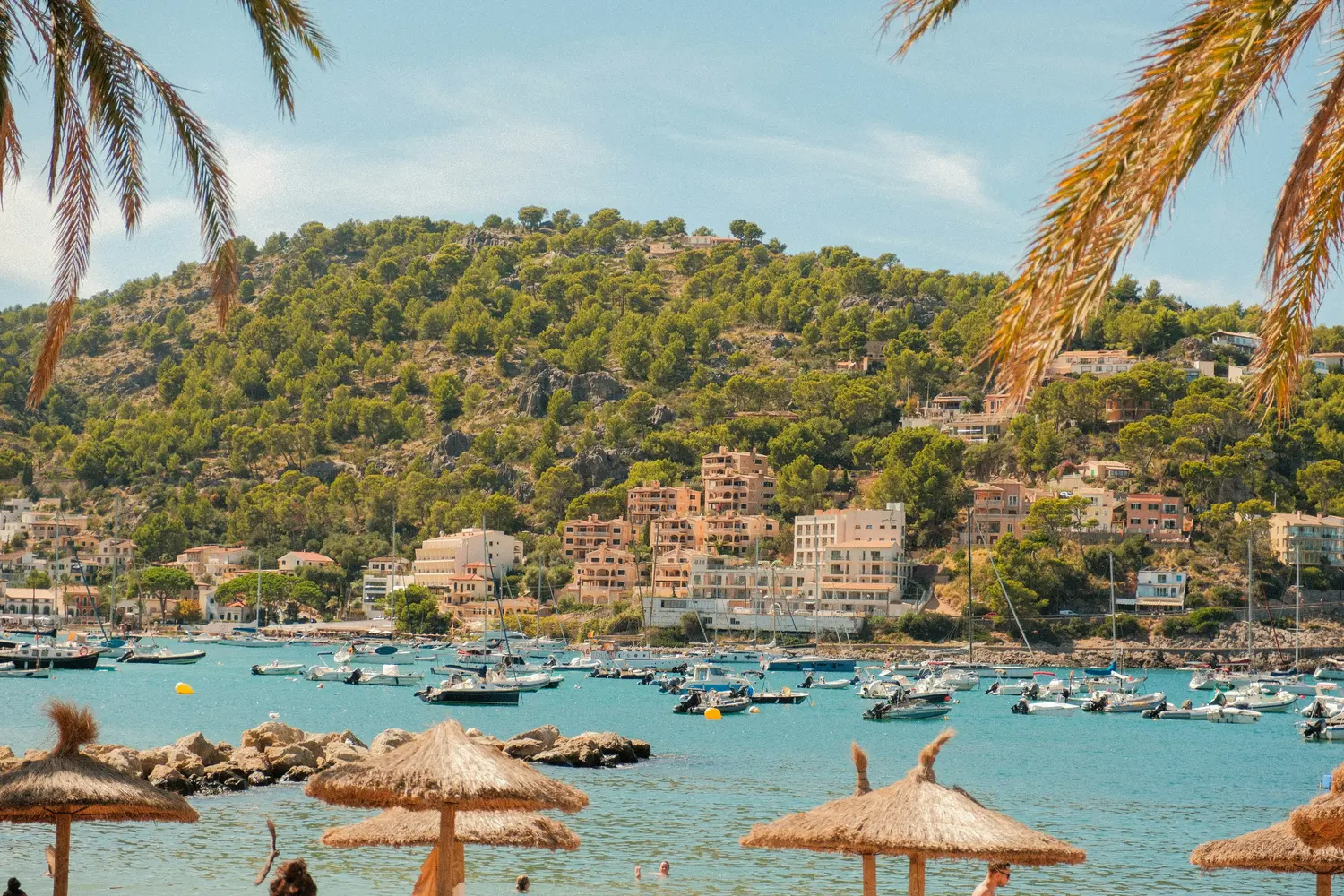
Reef-safe sunscreen, a lightweight beach towel, and UV-protective swimwear are essential additions. Fuerteventura’s north coast winds make a light windbreaker useful even in peak summer at exposed beach spots.
Road trip (Extremadura, Rías Baixas, Cantabria coastal route):
Spain travel tips for road trips consistently include a car phone mount, a physical map backup for rural areas with patchy signal, and a reusable bag for local market purchases at Extremadura craft fairs and Galician fish markets.
Hiking (Picos de Europa, Ordesa National Park, Cabo de Gata coastal trail):
Add trekking poles, a high-capacity hydration pack, and trail-rated boots. Blister plasters are a practical priority for multi-day hiking in the Picos de Europa and Camino routes through Galicia.
Family trip:
Pack portable snacks for long AVE and regional train journeys; onboard purchases cost significantly more than supermarket alternatives bought at the departure station.
What Not to Pack for Spain
- Full-size toiletries; Spanish farmacias and supermarkets such as Mercadona and El Corte Inglés carry international brands in every city and large town
- Multiple formal outfits; one smart casual set covers Salamanca restaurants, Jerez flamenco shows, and Girona wine bar evenings equally
- New unworn shoes; cobblestones in Cáceres, Albarracín, and Cuenca’s hillside streets cause blisters within hours on unbroken footwear
- Spain souvenirs pre-planned to take up carry-on space; a packable tote bag purchased locally handles Lanzarote ceramics, Asturian cider bottles, and Extremadura jamón far better
- Heavy rain gear for Alicante, Almería, and Canary Islands itineraries; these regions receive very low annual rainfall and a packable jacket is sufficient
- Generic multi-country adapters when a dedicated Type F plug covers everything needed across the Spanish mainland and islands
Spain Packing List for Families
A family trip packing list for Spain needs a few additions beyond the standard list:
- Compact stroller or carrier for children under 4; Spain transportation on metro systems includes elevator access at most central stations, but outer zones vary
- Portable snacks for AVE and regional train journeys; onboard cafe car prices are significantly higher than supermarket purchases at the departure station
- SPF 50 children’s sunscreen in stick form; easy to apply at Gran Canaria beaches and Alicante coastal parks
- Children’s pain relief and antihistamine in original packaging; Spanish farmacias can advise on alternatives but having basics avoids delays
- Compact waterproof layers for every child on Asturias or Cantabria itineraries; coastal weather in northern Spain changes quickly regardless of season
Spain Packing List for Female Travelers
- Secure crossbody bag with a zipper; pickpocketing is documented at busy tourist sites and city metro lines across Spain
- Light scarf in two weights; one for church visits and one warmer option for Cantabria, Asturias, and Girona evenings from October through April
- Comfortable polished flat shoes; Salamanca’s sandstone squares and Jerez’s historic center reward practicality and personal style equally
- Small personal alarm for solo travel in less familiar areas; Spain is generally safe, but standard precautions remain sensible
- Preferred brand hygiene products from home; Spanish farmacias carry wide ranges, but specific brands may not be available in smaller towns
Read more: France has its own distinct packing requirements that differ from Spain in climate, plug standards, and cultural dress expectations. 👉 What to Pack for France: A Complete France Packing List
Spain Packing List for Solo Travelers
- Compact cabin-approved carry-on; verify size limits with your airline before packing, as Vueling and Iberia Express apply strict cabin baggage rules
- Portable door alarm for budget accommodation and overnight Renfe train journeys between cities
- A backup debit card kept separately from your main wallet; card loss is easier to manage with immediate backup access available
- A Spain travel guide with built-in flexibility; solo travel in Spain often surfaces better options on the ground than any plan anticipated, particularly in smaller cities like Salamanca, Cuenca, and Úbeda
- Universal USB power strip; hostels and budget hotels across Spain sometimes offer limited socket access per room
Read more: Switzerland’s alpine climate and dramatic terrain shifts create very different packing needs from Spain’s varied regions. 👉 Switzerland Packing List: What to Bring for Every Season
Spain Packing Checklist Before You Leave
Use this Spain packing checklist as your final check before heading to the airport:
- Passport (valid 3 months beyond return date)
- Visa or ETIAS entry documents where required
- Travel insurance in digital and printed form
- Accommodation, train, and attraction booking confirmations
- Approximately USD 50-100 in cash and cards
- Clothing for all planned activities and weather conditions
- Comfortable walking shoes already broken in
- Toiletries and prescription medications in original packaging
- Type F plug adapter (230V)
- Phone charger and power bank
- Phone with eSIM or SIM activated before departure
- Offline maps of all planned cities and regions downloaded
- SPF 50 sunscreen for southern Spain and island destinations from spring onward
- Light scarf for religious site visits and evening layering
- Copies of all important documents stored separately from originals
Stay Connected During Your Spain Trip With Jetpac
How to get Internet in Spain is straightforward when planned before departure. Renfe tracking, digital museum access at Mérida’s Roman Theatre, and navigation through Girona’s old city walls all need live data at the moments hotel Wi-Fi is unavailable.
A Jetpac Spain eSIM installs before departure and activates on landing, providing 4G and 5G connectivity across Spain through multi-network coverage. Plans start from USD 2 with a 100 percent money-back guarantee and no physical SIM required.
eSIM for Spain plans from Jetpac include unrestricted hotspot sharing and free WhatsApp, Google Maps, and Uber access on eligible 3 GB or above plans even after data runs out. 24/7 WhatsApp support is available throughout the trip.
Read more: Italy shares some packing similarities with Spain but differs significantly in climate zones, plug types, and regional dress requirements. 👉 What to Pack for Italy: A Complete Italy Packing List
FAQs
How many outfits should I pack for Spain?
Five to seven outfits suit most Spain trips; Spanish laundromats and hotel laundry services handle longer stays without needing to overpack.
Do I need a power adapter for Spain?
Yes; Spain uses Type F Schuko plugs at 230V, which differs from US, UK, and Australian standards, so a dedicated Type F adapter is needed before departure.
Can I buy toiletries and sunscreen in Spain?
Spanish farmacias and supermarkets such as Mercadona and El Corte Inglés carry international brands at reasonable prices, so overpacking personal care items is unnecessary.
What is the 5-4-3-2-1 rule for packing?
The 5-4-3-2-1 rule means packing 5 sets of socks and underwear, 4 tops, 3 bottoms, 2 pairs of shoes, and 1 jacket; it works well for most Spain city trips of 5-7 days.
What is the most forgotten item when packing for a Spain vacation?
A Type F plug adapter is the most commonly forgotten item; Spain’s socket type differs from US, UK, and Australian standards and catches most first-time visitors off guard at their first hotel.
Do I need an eSIM or SIM card for Spain?
Mobile data is practical throughout Spain for Renfe tracking, navigation, and digital attraction tickets; a Jetpac eSIM activates before departure and avoids the airport SIM queue entirely.
What should I not forget to pack for Spain?
A light scarf handles cathedral dress requirements and cool evenings in one item, making it the single most versatile piece for any Spain trip.
Do I need to dress modestly in Spain?
Covered shoulders and knees are required at all cathedrals, churches, and mosques across Spain; outside religious sites, Spain has no formal dress code.
Disclaimer
The information in this blog was accurate at the time of writing and is based on available travel guidance and planning information. Weather conditions, entry requirements, prices, availability, and other details may change after publication. Jetpac is not responsible for any changes to this information after publication.
Get connected as soon as you land with a Jetpac travel eSIM.