Solo Travel Australia: Best Cities, Costs & Safety Tips
Australia solo travel often feels overwhelming due to distance, safety concerns, and budgeting across cities. This explains how to plan routes, manage daily costs, and use Jetpac eSIM to stay connected when plans change or transport runs late.
Australia recorded millions of international visitor trips in the year ending 2025, and it remains popular because it is straightforward to navigate even without a car. This route-first approach helps solo travel to Australia feel simple: pick safe, walkable bases, plan realistic day trips, and budget clearly by city. Staying connected is a necessity when buses run late or plans shift, so a Jetpac eSIM can be a helpful add-on for Australia travel days without making the trip feel overplanned.
With the overall approach clear, the next step is a quick snapshot that makes planning decisions faster.
Quick snapshot for a smooth solo trip
- Best trip length for first-timers: 10-14 days with 2-3 city bases, or 14-21 days for coast plus reef.
- Most solo-friendly movement: fly between far regions, then rely on trains, trams, ferries, and buses inside cities.
- Booking priority: accommodation in walkable neighbourhoods plus any small-group tours you want for built-in social time.
- Budget anchor: daily costs swing most by accommodation location and season, not by food or transit basics.
- Planning around the best time to travel to Australia helps control both costs and comfort, especially for solo travel to Australia during peak school holiday months.
Once the trip framework is set, a few upfront decisions remove 80% of the friction.
Solo travel decisions that make the trip easier
- Choose your solo style: social (hostels, group day tours) or independent (private room, self-led city days).
- Pick the season by region: north (Queensland) prefers the dry season, south cities suit shoulder seasons.
- Movement rule: change bases every 3-5 nights so you are not constantly repacking.
- Safety boundaries: decide in advance your limits on night transport, isolated hikes, and alcohol.
- Money, ID, and emergency plan: card plus backup cash, digital copies of documents, and a local emergency plan.
With decisions locked, day-to-day safety becomes easier to execute consistently.
Safety basics that actually matter when you are alone
- Choosing a base safely: prioritise lighting, late transport access, and accommodation with solid reviews for solo travellers.
- Practical routines: keep your phone charged, share your live location on long nights out, and plan the last-train cutoff.
- Beach and nature safety: swim between flags, respect surf warnings, carry water and sun protection, and do not solo-hike remote trails without reception or a check-in plan.
- Emergency essentials: know how to contact services, save accommodation details offline, and keep one backup payment method separate.
Once safety is set, transport choices determine cost, comfort, and confidence.Getting around Australia without stress
- When domestic flights make sense: Sydney to Cairns or Perth to anywhere is usually a time-saver for solo travellers.
- City transport basics: tap-on cards and contactless payments are common in major cities; ferries and airport links vary by city.
- For visitors relying on navigation, bookings, and transit updates, choosing the right eSIM for Australia for tourist use can simplify day-to-day movement across cities.
- Where tours simplify logistics: reef days, Blue Mountains, Great Ocean Road, and Rottnest Island are often easier with a group operator.
- What to avoid solo: overly tight same-day connections and remote driving stretches if you are not comfortable with long distances.
Reliable connectivity helps when transport plans shift or routes change mid-day. A Jetpac eSIM offers a simple way to stay online across cities without relying on public Wi-Fi during Australia travel days in Australia.
With transport clear, choosing the right bases becomes a practical decision, not a guessing game.
Best cities for solo travel in Australia
Sydney
Why it’s strong for solo: Big-ticket landmarks are close together, public transport is easy, and you can fill a day without needing a car. It is also one of the best solo travel destinations in Australia for mixing beaches with city culture.
Sydney is often recommended among the best solo travel destinations in Australia because it allows structured sightseeing without needing a car.
Best areas to stay solo: Surry Hills (cafes, walkable), Potts Point and Kings Cross edge (well-connected, not party-only), The Rocks or Circular Quay (pricier but convenient), Newtown (creative, social, great food).
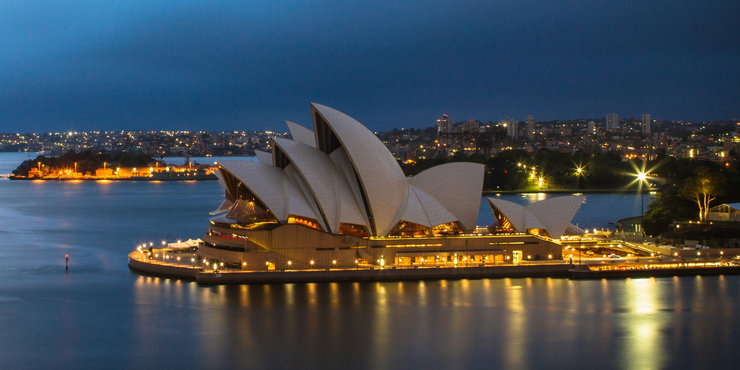
3 solo-friendly experiences: Opera House precinct plus harbour walk, Bondi to Coogee coastal walk in daylight, ferry to Manly for an easy beach day with a town feel.
Simple day trip: Blue Mountains on a small-group tour or train-based plan if you are confident with timing.
Costs per day for solo: Typical daily spend estimates commonly land around the mid-to-upper range for Australia’s major cities. After Sydney’s high-energy pace, Melbourne often feels like a softer, more creative reset.
Melbourne
Why it’s strong for solo: The city is built for wandering: laneways, galleries, markets, and neighbourhood cafes make solo time feel natural. It is a top pick for Australia solo travel for female travellers who want walkable days and excellent public transit.
This balance makes Melbourne particularly appealing for Australia solo travel for female travelers who prioritise walkability and culture.
Best areas to stay solo: Fitzroy (artsy, social), Carlton (easy access to museums and food), South Yarra and Prahran (safe, stylish, well-connected), St Kilda (beach vibe and sunsets).
3 solo-friendly experiences: Queen Victoria Market morning plus coffee crawl, street art and laneway walking loop, NGV plus riverside stroll at sunset.
Simple day trip: Great Ocean Road on a small-group coach tour, or Yarra Valley wine region if you want a social day.
Costs per day for solo: Daily spend benchmarks vary by comfort level, with commonly cited averages available by city.If you want sunshine and an easier pace without losing city comforts, Brisbane fits well.
Brisbane
Why it’s strong for solo: Compact centre, riverside walking paths, and a relaxed social vibe make it an easy base for solo travel to Australia without constant planning.
Best areas to stay solo: South Bank (walkable, lively), West End (food and culture), New Farm (quiet, safe, pretty), Fortitude Valley edge (good transport, choose carefully for noise).
3 solo-friendly experiences: South Bank lagoon and river walk, City Botanic Gardens with an easy museum pairing, sunset viewpoint at Kangaroo Point cliffs.
Simple day trip: Moreton Island (tour-based) or the Gold Coast for a simple beach change of scenery.
Costs per day for solo: City cost benchmarks show Brisbane typically sits below Sydney on average spend. When you are ready for reef-and-rainforest days that are easiest with group tours, Cairns becomes the natural next base.
Cairns
Why it’s strong for solo: It is built around day tours, so it is easy to meet people without forcing it. For Australia solo travel, Cairns is one of the simplest places to book a reef day, a rainforest day, and still have downtime.
Best areas to stay solo: Cairns Esplanade and CBD edge for walkability, or Palm Cove for a calmer beach base if you are fine with transfers.
3 solo-friendly experiences: Great Barrier Reef snorkel or dive day tour, Daintree rainforest tour, Esplanade sunset walk plus night markets.
Simple day trip: Kuranda Scenic Railway and Skyrail loop for a low-effort nature day.
Costs per day for solo: Traveler cost estimates vary by style, with city-level daily ranges widely published.
If you want a quieter city that still feels coastal and easy to manage alone, Perth is the West Coast counterpart.
Perth
Why it’s strong for solo: Laid-back beaches, a clean city layout, and strong day-trip options make it ideal if you want breathing room. It often suits solo travel in Australia for female travellers who prefer calmer nights and early mornings.
Its calmer pace also suits travelers comparing eSIM plans for Australia while staying longer in one base.
Best areas to stay solo: Fremantle (character, cafes), Subiaco (safe, easy), Leederville (local vibe), Scarborough (beach base, check transport times).
3 solo-friendly experiences: Kings Park sunset walk, Fremantle markets and heritage streets, Cottesloe Beach afternoon, plus dinner nearby.
Simple day trip: Rottnest Island for cycling and quokkas, easiest as a ferry day trip.
Costs per day for solo: Published city averages provide daily cost guidance for Perth by travel style.
Read More:
If you are planning longer stays, remote work days, or flexible city-hopping, Digital Nomad in Australia breaks down daily life, connectivity needs, and practical setup choices. Read our blog 👉 Digital Nomad in Australia: Daily Life and Work Setup
Costs that change the most on a solo Australia trip
- Accommodation location premium: paying for walkability often saves money elsewhere by cutting ride shares and time loss. Below are the rough estimates: Hostels: $35-$60
Budget private room: $90-$130
Mid-range hotel: $150-$220
Groceries and casual meals: $25-$40
Mixed dining: $45-$65 - Tours and nature activities: reef trips, island ferries, and guided day tours are your biggest “experience” line items. Below are the rough estimates:
Reef or island day tours: $120-$220
City or nature small-group tours: $50-$120 - Transport style: flights save time between regions, while local transit keeps daily costs predictable. Below are the rough estimates:
Local public transport: $8-$15
Domestic flights between cities: $80-$180 one way - Seasonal price shifts: school holidays and peak weather windows move accommodation pricing fast.
Budget and safety work together, so the next section focuses on solo-specific risk reducers. Overall, solo travel to Australia in 2025 typically costs between $140 and $260 per day, depending on accommodation choices and tours.
Solo safety tips for Australia that reduce risk fast
- Night safety: stay in well-lit areas, use licensed ride share or taxis late, and avoid isolated shortcuts.
- Nature and heat: carry water, check the UV index, and avoid solo hikes without reception or without telling someone your route.
- Beach safety: swim between flags and treat surf warnings seriously, especially if you are new to Australian beaches.
- Social safety: meet people through hostels, walking tours, and day trips, and keep boundaries clear.
Once safety and budgeting are handled, connectivity is the last layer that keeps plans smooth.
Staying connected for solo travel: Jetpac
If your trip runs long or you are juggling maps, tour meet-points, and late transport, having an eSIM for Australia for tourist use is one of those small choices that reduces daily friction.
Travelers comparing the best eSIM for Australia choose Jetpac for predictable costs and easy setup across regions.
Jetpac USPs :
- 1 eSIM, 200+ destinations: Set up once and top up for next trip.
- Always-on with multiple networks: Jetpac’s exclusive feature keeps you connected 24/7.
- No bill shocks: 100% upfront payment. No hidden charges. 70% cheaper than roaming.
- Hotspot sharing without any data restrictions to connect devices freely.
- Free access to apps like Uber, WhatsApp, and Google Maps: Even when your data runs out.
- 24/7 premium customer support: Say goodbye to time zone differences. Contact us 24/7 via WhatsApp and email.
- Outgoing voice calls and 5G network to 50+ countries (from $1.99/5 min).
Before you lock plans, it helps to note what can change and what you should verify independently.
FAQs
Which Australian city is easiest for a first solo trip if I do not drive?
Sydney or Melbourne is usually easiest because you can build full days using public transport, ferries, and walking. Brisbane is also simple if you want a calmer pace and easy day trips.
How do I choose between Sydney and Melbourne for a short solo stay?
Choose Sydney if you want iconic landmarks, harbour ferries, and beach walks. Choose Melbourne if you want food, culture, markets, and neighbourhood wandering with less pressure to “do the big sights.”
What is the safest way to plan beach and hiking days alone in Australia?
Stick to well-marked trails, start early, share your plan with someone, and avoid remote hikes without reception. At beaches, swim between flags and follow lifeguard advice, even if the water looks calm.
How can I keep costs down without staying far from everything?
Stay slightly outside the most expensive waterfront strips but still near transit, and book a private room early if travelling in peak season. Use day tours selectively for places that are hard to reach solo, and keep most meals casual.
Is it better to use day tours or self-plan nature experiences as a solo traveler?
Use tours when timing is tight, or access is complicated, like reef trips, Daintree days, Blue Mountains loops, and Rottnest logistics. Self-plan when the area is transit-friendly, and you feel confident about return times.
Is Jetpac a good option when choosing the best eSIM for Australia as a solo traveler?
If you are moving across multiple cities and relying on maps, bookings, and real-time updates, Jetpac is the best eSIM for Australia alternative to roaming for many travellers, especially when you want predictable upfront costs and quick setup.
Disclaimer
Prices, schedules, and access rules can change, especially around school holidays, major events, or seasonal weather. Always confirm timings, closures, and ticket rules using official transport sites, attraction pages, and state safety alerts before you commit.Jetpac is not responsible for changes to third-party services, carrier coverage variations, local regulations, transport delays, or tour operator policies, so verify critical details directly before travel and before purchase or use.