
8 Best Countries to Visit in Europe in March (Weather, Costs & Travel Tips)
March is one of the best times to visit Europe. Crowds are thin, Southern Europe sits at 18 to 24°C, and flights from the USA run 20 to 35 percent cheaper than in summer. The value-to-experience ratio is hard to beat.
March is one of the most underrated months to visit Europe. Crowds are thin, prices sit well below summer peak, and across Southern Europe, the weather is warm enough to sit outside with a coffee and actually enjoy it. For travelers from the USA with spring break windows or flexible schedules, Europe in March delivers some of the strongest value the continent offers all year.
The best places to visit in Europe in March sit mostly in the south and west, where Atlantic and Mediterranean climates push temperatures into the mid-to-high teens while much of the continent is still shaking off winter. One practical step to sort early is connectivity. Moving between European countries means switching networks and relying on your phone for navigation, transport, and bookings. Setting up an eSIM for Europe before departure keeps everything working the moment you land.

This blog covers eight destinations for Americans traveling from USA hubs, ordered warmest to coolest, with verified temperature data, honest crowd levels, food worth knowing about, and the cultural context that makes March specifically worth going.
Is March a Good Time to Visit Europe?
Yes, especially for US travelers looking for quality without peak-season pricing.
The trade-off is unpredictability. March weather in Europe shifts quickly, particularly in northern destinations. Layers are non-negotiable. But for Americans used to transitional spring weather at home, this is rarely a deterrent.
8 Best Places to Visit in Europe in March
March rewards travelers who prioritize climate, cultural timing, and value, so the destinations below are ordered from warmest to coolest to help you match temperature to travel style.
1. Canary Islands, Spain 🇪🇸: The Reliable One
Temperature: 20 to 24°C
Crowds: Low to moderate
Daily cost: USD 90 to 140
If you want Europe in March to feel like summer, the Canary Islands are the safest bet. While much of the continent is still in coats, the islands sit at a steady 20 to 24°C, bright and dry. For Americans flying from USA hubs, this is the warmest consistent option without leaving Europe.
The landscape shifts dramatically from island to island. In Gran Canaria, the dunes at Maspalomas look almost North African. Lanzarote feels volcanic and sculpted, its terrain shaped by 18th-century eruptions and preserved through strict architectural limits that keep the skyline low and clean. Tenerife gives you Mount Teide rising snow-capped above coastal afternoons warm enough for short sleeves.
Food here does not taste like mainland Spain. Papas arrugadas with mojo sauce are served everywhere, and fresh Atlantic fish grilled simply with herbs defines the seafront menus.
March matters here because Carnival season often runs into early March. In Las Palmas and Tenerife, the celebrations are large, colorful, and still deeply local. It is one of the liveliest ways to experience Europe in March without summer prices.
2. Seville, Spain 🇪🇸: The Atmospheric One
Temperature: 19 to 22°C
Crowds: Low
Daily cost: USD 75 to 125
Seville in March feels balanced. Summer’s punishing heat is still months away, and the April Feria surge has not yet begun. At around 20°C, you can walk all day without thinking about shade every five minutes.
The Real Alcázar gardens are calm and fragrant. Orange trees still carry fruit. The cathedral, the largest Gothic cathedral in the world, takes minutes to enter instead of hours. Europe in March allows Seville to operate at its own rhythm rather than at tourist pace.
The food here is not theatrical. It is serious. Salmorejo, thicker than gazpacho and topped with jamón and egg, appears everywhere. Ice-cold fino sherry at a standing bar costs little and feels correct.
What makes March special is the quiet anticipation of Semana Santa. You feel the city preparing, but you avoid the accommodation spike that follows.
3. Lisbon, Portugal 🇵🇹: The Quietly Beautiful One
Temperature: 18 to 19°C
Crowds: Low
Daily cost: USD 70 to 115
Lisbon in March is warm enough to enjoy and quiet enough to feel personal. The Tagus River reflects a softer spring light that feels different from summer glare. The hills are still hills, but you are not climbing them through tourist congestion.
For US travelers, Lisbon remains one of the best European countries to visit in March because it combines culture, affordability, and safety without friction. Alfama’s tram lines still rattle upward. Miradouros are quiet enough to linger. Fado bars play to small audiences who are actually listening.
Pastéis de nata taste better warm on a cool March morning. Grilled seafood and salt cod dishes remain affordable away from the main waterfront.
March allows Lisbon to feel like a city you are moving through naturally, not competing inside.
4. Valencia, Spain 🇪🇸: The Festival One
Temperature: 16 to 17°C
Crowds: Low except during Las Fallas
Daily cost: USD 70 to 110
Valencia in March can mean two very different experiences.
During Las Fallas, from March 1 to 19, the city is electric. Giant sculptures fill the streets, daily fireworks shake the center at 2 pm, and the entire place ends in coordinated flames on March 19. It is loud, visual, and completely unlike anything most Americans have seen.
Outside the festival window, Valencia feels warm, relaxed, and underrated. The City of Arts and Sciences is spacious and futuristic. The Central Market hums with locals shopping for ingredients that go into proper Valencian paella.
Europe in March allows you to either step into a full-scale cultural event or enjoy a Spanish city at its calmest. Few destinations offer that contrast in one month.
5. Athens, Greece 🇬🇷: The Historical One
Temperature: 15 to 17°C
Crowds: Very low
Daily cost: USD 65 to 105
Athens in March is built for walking. At 16°C, climbing the Acropolis feels comfortable rather than punishing. Standing at the Parthenon without July volumes pressing around you changes the experience completely.
March 25, Greek Independence Day, adds civic energy to the city. Parades move through central Athens, and the atmosphere feels national rather than tourist-facing.
The restaurant scene in neighborhoods like Monastiraki and Koukaki is creative and affordable. Modern Greek cooking here goes well beyond the stereotypes.
For travelers asking where Europe in March feels both historical and manageable, Athens answers quietly but confidently.
6. Rome, Italy 🇮🇹: The Eternal One
Temperature: 13 to 16°C
Crowds: Low to moderate
Daily cost: USD 90 to 145
Rome rewards travelers who arrive before summer. The Colosseum, the Forum, and the Vatican Museums operate at far below their peak capacity. Vatican entry in March can take 20 minutes instead of three hours.
Walking the Forum in cool spring light feels weightier. The ruins feel reflective instead of rushed.
Dinner in Trastevere on a cool evening, a bowl of cacio e pepe with a carafe of house wine, costs less than most Americans expect and feels like the right end to a March day.
If you are planning Europe in March from USA hubs, Rome is one of the most reliable cultural anchors you can build around.
7. Dubrovnik, Croatia 🇭🇷: The Cinematic One
Temperature: 13 to 14°C
Crowds: Very low
Daily cost: USD 75 to 120
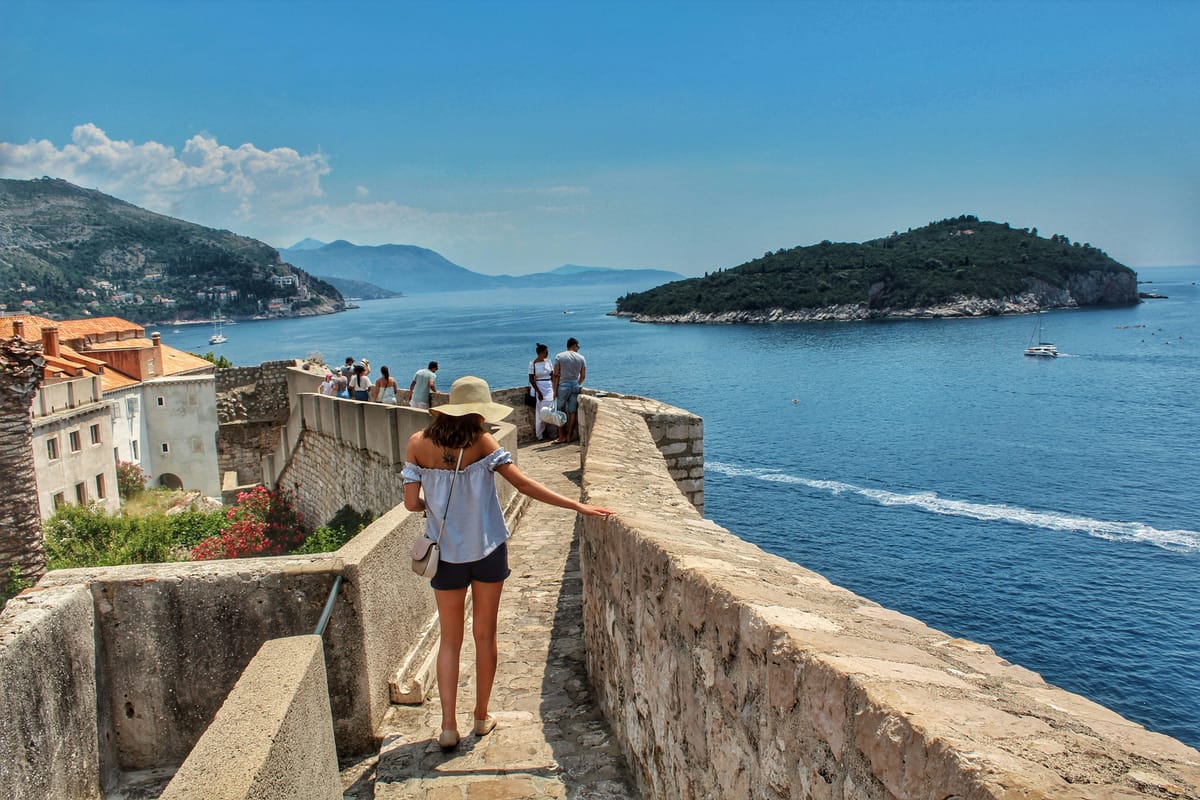
Dubrovnik in March is the version of the city that exists before the cruise ships arrive. At 13 to 14°C, it is cool enough to require a jacket in the morning, but the old town walls, the limestone streets, and the Adriatic below them are entirely, generously yours. Walking the full circuit of the city walls in March takes under an hour with almost no one else on the path.
The city's history is genuinely extraordinary. Dubrovnik, then known as Ragusa, was an independent republic from the 14th century until Napoleon's conquest in 1808, maintaining its autonomy through a combination of diplomacy, trade, and the most sophisticated system of quarantine against plague in the medieval world, established in 1377 and predating modern epidemiology by centuries.
The seafood in March is exceptional. Brodet, a slow-cooked fish stew served with polenta, and fresh oysters from Ston bay an hour north of the city, are the dishes worth knowing. Prices in March run 40 to 50 percent below August across accommodation, restaurants, and activities.
8. Dublin, Ireland 🇮🇪: The Spirited One
Temperature: 8 to 10°C
Crowds: High around March 17
Daily cost: USD 100 to 155
Dublin is the coldest destination on this list, but March belongs to it. St. Patrick’s Day on March 17 is a genuine local celebration first and a tourist event second.
For Americans, especially those with Irish heritage, celebrating in Ireland closes a loop that feels more meaningful than expected.
Outside that week, Dublin remains compact, English-speaking, and easy to navigate. Free museums, literary pubs, and Guinness that tastes different here than anywhere else make it one of the most accessible top European destinations in March.
General Budget Overview for March in Europe
March sits comfortably in the shoulder season pricing window across all destinations on this list.
Flights from USA hubs often drop to USD 400 to 600 return in early March, well below peak summer fares.
Staying Connected Across Europe in March
Moving between European countries in March, or simply navigating an unfamiliar city on arrival, requires reliable connectivity from the moment you land.
For Americans traveling to Europe in March, a Jetpac travel eSIM for Europe is usually the simplest and most predictable way to stay connected across multiple countries.
FAQs
Is March a good time to visit Europe?
Yes, particularly for US travelers. Europe in March offers lower flights, reduced hotel rates, and significantly fewer crowds than in summer. Southern Europe delivers comfortable weather, while northern destinations remain cooler but manageable.
Which European countries have the best weather in March?
The Canary Islands, southern Spain, and Portugal consistently offer the warmest weather in Europe in March, with temperatures between 18 and 24°C.
Where is the warmest in Europe in March?
The Canary Islands are the warmest destination in Europe in March. Seville, Lisbon, and Valencia follow closely.
Is Europe crowded in March?
No. March sees far fewer visitors than summer across almost all destinations, except for event-specific weeks like Las Fallas or St. Patrick’s Day.
Which European countries are the cheapest in March?
Athens, Lisbon, and Valencia offer strong value. Eastern European cities like Budapest and Warsaw are also highly affordable.
What should I pack for Europe in March?
Pack layers. Include a light sweater, a waterproof jacket, comfortable walking shoes, and an umbrella. Add sunscreen for southern destinations.
Do I need a SIM card or eSIM when traveling to Europe in March?
For most US travelers, a travel eSIM is easier. It installs before departure and works across multiple countries without hardware swaps.
Disclaimer
Temperature data, crowd assessments, festival dates, and daily cost estimates in this blog are based on publicly available historical climate data, travel industry averages, and published sources at the time of writing. Actual temperatures, prices, and visitor volumes may vary by year, specific location, and travel dates. Festival schedules, including Las Fallas and St. Patrick's Day events, should be verified through official local sources before booking. Budget figures represent approximate mid-range daily costs and will differ based on accommodation style and personal spending. Jetpac is not responsible for network variations or third-party data accuracy. Mention of any destination, product, or service does not constitute an endorsement. Always verify current travel advisories and entry requirements before booking.