Best Places to Visit in Europe in August (Cooler Spots & Travel Advice)
August in Europe works best when you plan around heat, crowds, & local rhythms rather than chasing peak-season clichés. From Edinburgh’s festival streets & Copenhagen’s harbor swims to the Azores’ green silence and Porto’s riverfront food, cooler routes make the month feel generous, not exhausting.
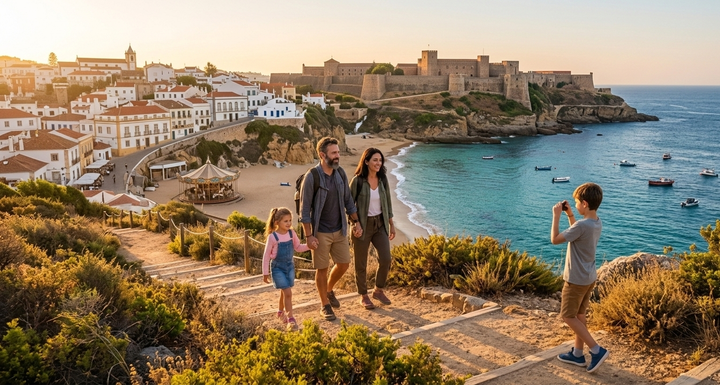
The best places to visit in Europe in August are not the ones you see most on Instagram in July. August is the hottest, most crowded, and most expensive month across almost all of Southern Europe, which means smart travelers either plan around those realities or choose destinations where those realities simply do not apply.
For American travelers, especially, August often aligns with the year's longest available vacation window. Getting the destination right matters more than in any other month. This guide covers 8 main destinations built for August travel, plus 5 special mentions, organized around the cooler spots angle that makes August genuinely enjoyable rather than something to survive.
Before you go, reliable connectivity across European borders is worth sorting out before you land. A Europe eSIM like Jetpac activates via QR code before departure and keeps you connected without roaming charges or SIM card hunting at the airport. More on that later.

Is August a Good Time to Visit Europe?
It depends entirely on where you go. August is simultaneously the best and worst month to visit Europe, and the difference comes down entirely to destination choice.
The worst version of August in Europe: 40°C heat in Seville, hour-long queues at the Acropolis, Dubrovnik's old town so packed you cannot walk without stopping, and hotel prices at their annual peak across every major city. That version is real and common.
The best version of August in Europe: Edinburgh alive with the world's largest arts festival, Copenhagen's harbor baths full of locals in 22°C sunshine, the Azores in volcanic green silence, and Oslo's fjords practically to yourself. That version is equally real and far less discussed.
The answer is yes, August is a good time to visit Europe, provided you choose the right destination for the right reasons.
How Hot Is Europe in August?
August temperatures across Europe in 2024 were among the hottest on record, continuing a pattern of warming that has shifted what travelers should expect.
- Southern Spain and Sicily: 36 to 42°C. Extreme heat makes extended outdoor sightseeing genuinely difficult and potentially dangerous without careful planning.
- Greece and southern Italy: 32 to 37°C. Hot, best managed with early morning site visits and beach or shade afternoons.
- Croatian coastline and Portugal's Algarve: 28 to 32°C. Warm for beaches, manageable for morning sightseeing.
- Central Europe (Hungary, Czech Republic, Austria): 26 to 30°C. Warm with occasional heat spikes, thunderstorms are common in the late afternoon.
- Northern Europe (Scandinavia, Scotland, Baltic states): 18 to 23°C. Mild, genuinely comfortable for extended outdoor activity all day.
- Iceland and the Faroe Islands: 12 to 15°C. Cool and requiring layers but never limiting activity.
For American travelers accustomed to air-conditioned environments, Southern European August heat is often more intense than expected. Choosing destinations in the 18 to 26°C range delivers a more comfortable and more productive travel experience for most visitors.
What Is Ferragosto and How Does It Affect Travel?
Ferragosto is an Italian national holiday rooted in Roman tradition, dating back to 18 BC under Emperor Augustus, from whom August takes its name. It falls on August 15 and extends in practice across much of the first three weeks of August for many Italian businesses.
For American travelers planning an Italy trip in August, Ferragosto has concrete practical implications:
Regional note: Similar, though less intense, mid-August holiday patterns occur in France, Spain, and Portugal.
8 Best Places to Visit in Europe in August
1. Edinburgh, Scotland 🇬🇧
Average high: 17 to 19°C
Crowds: High but purposeful
Daily budget: USD 130 to 190
Edinburgh is one of the top European destinations in August because the city’s identity shifts completely during the Fringe Festival. Thousands of performances run daily across theatres, pubs, and outdoor stages. The atmosphere feels creative rather than crowded.
Cool temperatures make long days comfortable, whether walking the Royal Mile, climbing Arthur’s Seat, or attending multiple shows in a single afternoon. Evenings stretch late with street performers and pop-up venues filling every corner.
Family note: Excellent for families thanks to dedicated Fringe programming and compact walkability.
2. Copenhagen, Denmark 🇩🇰
Average high: 20 to 23°C
Crowds: Moderate
Daily budget: USD 160 to 230
Copenhagen remains one of the best cities to visit in Europe in August because the climate encourages outdoor living. Locals swim in harbor baths, cycle across neighborhoods, and fill parks and waterfront cafes late into the evening.
Tivoli Gardens runs its full summer program, while Reffen street food market provides accessible dining in an otherwise expensive city. Long daylight hours allow sightseeing without fatigue.
Family note: Strong infrastructure and safe cycling make it ideal for children.
3. Oslo, Norway 🇳🇴
Average high: 19 to 23°C
Crowds: Low to moderate
Daily budget: USD 190 to 260
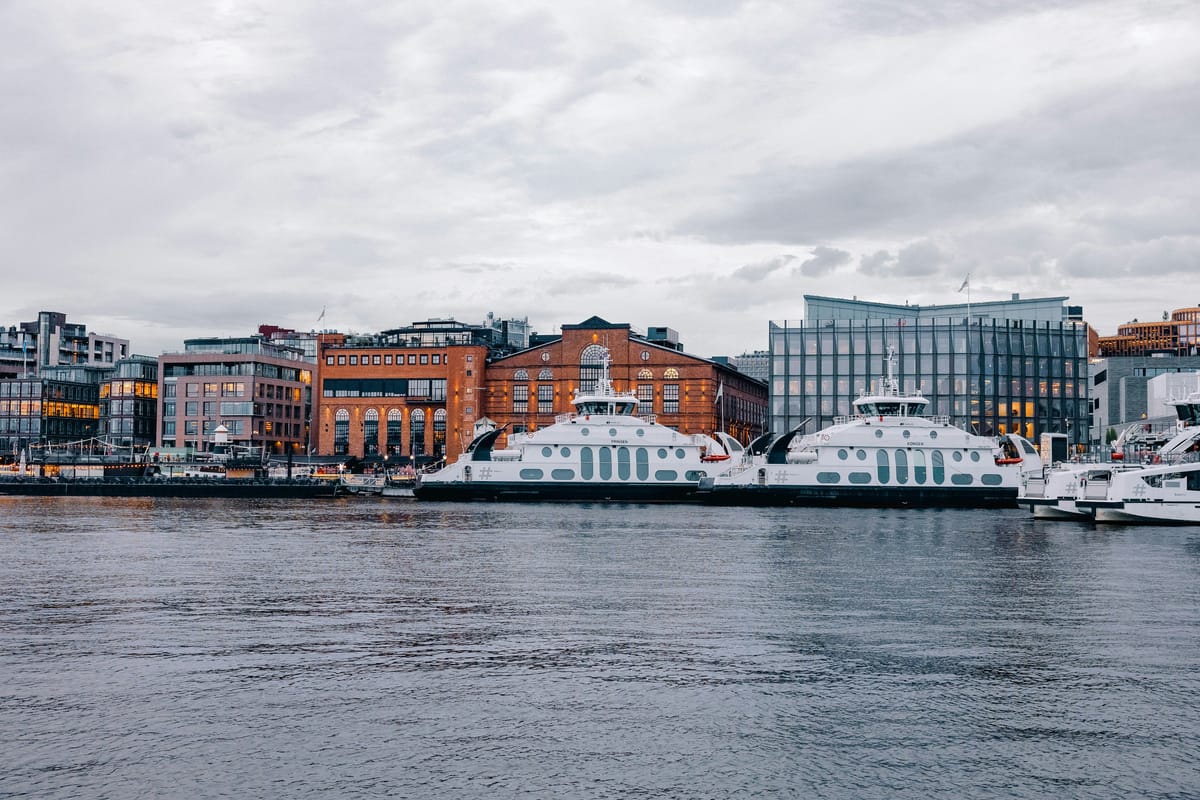
Oslo offers a mix of urban culture and fjord access that few cities match. Ferries connect the city to swimming islands within minutes, while museums such as the Munch Museum and Fram Museum provide indoor balance.
Despite higher costs, Oslo remains one of the most amazing European cities in August for travelers seeking space, nature, and mild temperatures.
Family note: Fjord islands and open parks provide safe outdoor activity for children.
4. Bruges, Belgium 🇧🇪
Average high: 20 to 22°C
Crowds: Moderate
Daily budget: USD 100 to 150
Bruges combines medieval architecture with manageable summer weather. Early mornings along canal paths feel calm and atmospheric before day-trippers arrive.
Food culture is accessible and satisfying, from Belgian waffles to local beer bars. The compact layout makes it easy to explore at a relaxed pace.
Family note: Canal tours and chocolate museums make it engaging for younger travelers.
5. Porto, Portugal 🇵🇹
Average high: 23 to 26°C
Crowds: Moderate
Daily budget: USD 85 to 140
Porto is one of the best places to visit in Europe in August for travelers seeking coastal culture without Lisbon’s intensity. Atlantic breezes keep temperatures comfortable, while wine lodges and riverfront walks reward slow exploration.
Nearby beaches at Matosinhos offer easy day trips, giving the city a balanced rhythm between urban and coastal experiences.
Family note: Metro access and beach proximity make logistics simple with children.
6. Budapest, Hungary 🇭🇺
Average high: 26 to 29°C
Crowds: Moderate
Daily budget: USD 65 to 105
Budapest sits at the warmer end of the comfortable range but remains manageable thanks to its thermal baths and riverside setting. Evening swims at Széchenyi Baths and outdoor concerts on Margaret Island shape the city’s summer rhythm.
Budapest continues to rank among the best European countries to visit in August for value, offering strong cultural depth at relatively moderate daily costs.
Family note: Family pools and zoo access make it suitable for all ages.
7. The Azores, Portugal 🇵🇹
Average high: 22 to 25°C
Crowds: Very low
Daily budget: USD 80 to 120
The Azores stand out among must-visit destinations in Europe in August for travelers who want nature without crowds. Volcanic lakes, geothermal pools, and whale watching create a completely different summer experience from mainland Europe.
Food traditions such as cozido cooked in geothermal soil add cultural depth beyond scenery.
Family note: Best suited to families with older children who enjoy outdoor activities.
8. Dubrovnik, Croatia 🇭🇷
Average high: 28 to 31°C
Crowds: Very high
Daily budget: USD 110 to 170
Dubrovnik remains one of the most popular European cities in August despite heavy crowds because of the Adriatic coastline’s quality. Early morning wall walks and midday island visits make the experience manageable.
Nearby islands such as Lokrum and Korčula offer quieter swimming and more relaxed pacing.
Family note: Better suited to families with swimming-age children.
Special Mentions: More Good Options for August
Tallinn, Ljubljana, the Canary Islands, Berchtesgaden, and Vilnius all provide cooler alternatives with manageable crowds and strong value. These destinations collectively represent some of the best European countries to visit in August for travelers seeking affordability and comfort.
Is August the Most Expensive Month to Travel to Europe?
In most cases, yes. Flights from North America can run 20 to 40 percent higher than shoulder seasons, and accommodation pricing peaks in coastal destinations.
Northern and eastern regions often experience smaller price increases, making them attractive alternatives for budget-conscious travelers. Booking flights and hotels four to six months ahead remains the most effective way to manage costs.
What to Pack for Europe in August?
For southern destinations above 28°C, pack breathable clothing, strong sunscreen, and comfortable walking shoes. For northern destinations between 18 and 23°C, layers and a waterproof jacket provide flexibility. Across all destinations, a universal adapter, portable power bank, and travel eSIM simplify logistics.
General Budget Overview for August in Europe
August pricing sits at or near the annual peak across popular destinations.
Budget range (USD 55 to 90 per day): Tallinn, Budapest, Ljubljana, and Vilnius offer the strongest value even in August. Full restaurant dining, comfortable accommodation, and paid activities are achievable at this level.
Mid-range (USD 90 to 160 per day): Porto, Bruges, Azores, and Dubrovnik sit in this range. Quality hotels, good restaurants, and activities are covered comfortably with advance booking.
Higher end (USD 160 to 260 per day): Edinburgh during the Fringe, Copenhagen, Oslo, and Iceland require more for equivalent comfort. Oslo and Iceland sit at the top of this range year-round, regardless of season.
Book accommodation at least three to four months ahead for any August Europe trip. Last-minute availability in popular destinations is limited and significantly more expensive.
Staying Connected Across Europe in August
Peak-season travel across multiple countries means your phone becomes essential for navigation, bookings, transport, and translation. A reliable Jetpac Europe eSIM removes friction across borders.
FAQs
Is August a good time to visit Europe?
Yes, if you choose destinations carefully. Europe in August offers long daylight hours, major cultural events like the Edinburgh Fringe, and strong beach weather in coastal regions. However, southern destinations can be extremely hot and crowded, so cooler northern and central regions often provide a more comfortable experience.
How hot is Europe in August?
Southern Spain and Sicily can reach 36 to 42°C. Greece and southern Italy typically range from 32 to 37°C. Mediterranean coastlines average 28 to 32°C. Central Europe sits around 26 to 30°C, while northern Europe remains between 18 and 23°C. Iceland stays cooler at 12 to 15°C.
Is Europe too crowded in August?
Major tourist sites operate at peak capacity in August, particularly in Italy, Greece, and Croatia. However, northern and eastern destinations such as Norway, Denmark, Estonia, and the Azores remain comparatively manageable. Visiting major landmarks before 9 am significantly reduces congestion.
What is Ferragosto, and how does it affect travel?
Ferragosto is Italy’s main summer holiday on August 15. Many small businesses close for several days or weeks around this period, especially outside major tourist centers. Coastal resorts become crowded with domestic travelers, while large cities may feel quieter at street level. Major attractions usually remain open, though verifying hours in advance is important.
Are attractions closed in August in Europe?
Most major tourist attractions across Europe stay open in August, often with full or slightly modified hours. The main closures affect small, family-run restaurants and independent businesses, particularly in Italy during Ferragosto. Checking official websites before visiting is recommended.
Which European countries are best to visit in August?
For cooler temperatures and manageable crowds, Norway, Denmark, Scotland, Estonia, and Portugal’s Azores perform consistently well. For balanced warmth without extreme heat, northern Portugal and Croatia’s Istrian coast are strong choices. These represent some of the best European countries to visit in August for overall comfort.
Where is it not too hot in Europe in August?
Edinburgh, Copenhagen, Oslo, Bruges, Tallinn, and Vilnius typically stay below 25°C. Iceland remains even cooler at 12 to 15°C. These are among the best cities to visit in Europe in August for travelers who prefer mild summer conditions.
Is August the most expensive month to travel to Europe?
In most cases, yes. Flights and accommodation prices peak in August, particularly in southern beach destinations and major cultural cities. Booking several months in advance reduces costs, and eastern or northern destinations often see smaller price increases.
Is Europe good for a summer vacation with kids in August?
Yes. August aligns with school holidays and offers strong infrastructure across beaches, cities, and nature destinations. Cooler northern cities such as Copenhagen and Oslo allow full-day outdoor activity without extreme heat, while destinations like the Algarve and Croatia’s Istrian coast provide calm swimming conditions for children.
Which European country is best for families in August?
Denmark and Norway consistently offer the most balanced family experience in August, with mild temperatures, safe public spaces, and accessible attractions. Croatia’s Istrian coast is also excellent for families who want beach access combined with cultural exploration, while Iceland suits families interested in nature and outdoor adventure.
Disclaimer
Temperature data, crowd assessments, Ferragosto details, and daily cost estimates in this blog are based on publicly available historical climate data, travel industry averages, and published reports at the time of writing. Actual temperatures, business closures, attraction hours, prices, and visitor volumes may vary by year, specific location, and travel dates. Ferragosto closure patterns vary by business, region, and year. Budget figures represent approximate mid-range daily costs and will differ based on accommodation style, dining preferences, and activities chosen. Jetpac is not responsible for network variations or third-party data accuracy. Mention of any destination, product, or service does not constitute an endorsement. Always verify current travel advisories, entry requirements, attraction hours, and local conditions before booking.