15 Best Places to Go in Europe in July (Weather, Crowds, and Travel Tips)
Europe in July rewards travelers who plan around the heat and the crowds rather than hoping to avoid them. The best places to visit in Europe in July span from 38°C Seville to Iceland's midnight cool, and the right choice depends entirely on what kind of summer you are actually after.
Europe in July feels expansive. Light lingers late into the evening, outdoor tables fill quickly, and daily life shifts to match the heat. It is peak summer across the continent, and that brings both intensity and reward. Beaches are warm enough for long swims, city squares hum past midnight, and northern landscapes stretch under near-endless daylight.
Choosing where to go in Europe in July depends less on popularity and more on your comfort with temperature, crowds, and pace. Some destinations thrive in heat. Others sit in a comfortable middle range. Further north, summer means light rather than warmth.
This blog breaks down the best places to visit in Europe in July with realistic temperature ranges, crowd expectations, and daily budget clarity so you can plan deliberately.
Before you leave, sort your connectivity. An Europe eSIM like Jetpac activates before you land and keeps you connected across every border without SIM swaps or roaming surprises. More on that below.

What Is Europe Like in July?
July is the height of the European summer season, and understanding how it feels on the ground helps you choose the right region, pace, and travel style.
Why July is peak summer
July is the warmest, brightest, and busiest month across most of the continent.
This temperature spread defines how Europe in July feels. In the south, days revolve around swimming, shade, and late dinners. In central cities, early starts make sightseeing comfortable. In the north, long daylight hours shape the rhythm of the day.
Long daylight hours
In Scandinavia and Scotland, daylight stretches to 17 to 19 hours. Even in southern destinations, sunset often arrives near 9 pm. That extended light changes everything. Museums close, but terraces remain full. Evening walks become part of the daily structure.
Festival season
July sits at the heart of festival season. Outdoor concerts, food markets, and local cultural events run across major cities. Edinburgh builds toward Fringe. Budapest fills parks and waterfronts with music. Seville hosts open-air performances late into the night when temperatures ease.
Crowds and pricing
Europe in July is peak season. Santorini, Dubrovnik, and the Greek islands operate at capacity. Accommodation prices are at or near annual highs, particularly in beach destinations. However, northern and eastern cities such as Tallinn, Ljubljana, and Oslo remain comparatively manageable.
Who suits best in July
July works best for travelers who book early, tolerate warmth, and structure days intentionally. Families traveling during school holidays find the widest activity options in this month. Travelers seeking quiet, shoulder-season calm may prefer late May or September instead.
Best Places to Visit in Europe in July
Below are destinations that consistently rank among the best places to go in Europe in July, grouped by climate profile and travel rhythm.
5 Places for Heat and Sea
Santorini in Europe in July is visually sharp. Whitewashed homes reflect intense light, volcanic cliffs drop into deep blue water, and evenings stretch long after the heat softens. Oia at sunset is crowded, but early morning along the caldera paths feels calmer and almost quiet.
Sea swimming at Kamari and Perissa becomes part of the daily rhythm. Assyrtiko wines grown in volcanic soil carry a mineral edge that feels inseparable from the landscape. A sunset tasting overlooking the caldera remains one of the island’s most grounded experiences.
Family note: Better suited to older children due to steep paths and cliffside accommodation.
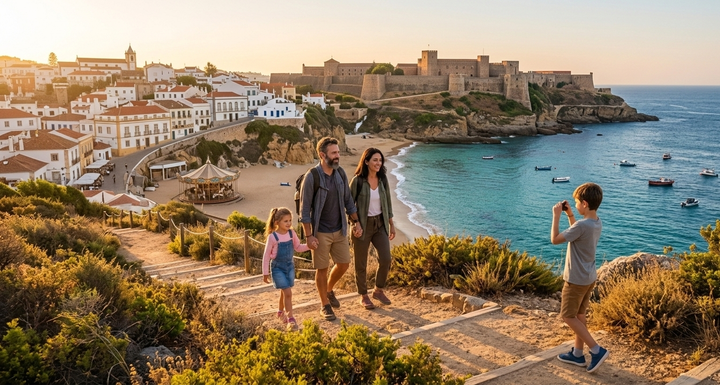
The Algarve remains one of the great places to visit in Europe in July for travelers who want beach scenery without extreme inland heat. Atlantic breezes moderate the temperature. Limestone cliffs at Ponta da Piedade, sea caves accessible by kayak, and long stretches like Meia Praia create visual variety.
Food is regionally distinct. Cataplana, cooked slowly with clams and pork in copper pots, is deeply tied to this coastline. Evenings overlooking the Atlantic carry a calm, unhurried atmosphere.
Family note: Strong infrastructure and calm beach areas make it one of the best places to go in Europe in July with children.
Dubrovnik in Europe in July is intense but still compelling. Walking the city walls at opening time changes the experience entirely. By late afternoon, swimming from the rocks outside the old town provides relief from both heat and density.
Island hopping toward Hvar or Korčula distributes your time more evenly. The Adriatic’s clarity and warmth remain consistent across the region.
Family note: Best for families with confident swimmers and older children.
Athens demands structure in July. The Acropolis at 8 am is manageable. By midday, shaded markets in Monastiraki and long indoor lunches become essential. Evenings begin late, often after 9 pm, when temperatures drop closer to 27°C.
The Athens Riviera offers beach clubs and organized swimming within 30 to 40 minutes of the center, balancing historical sightseeing with sea access.
Family note: Works well with morning sightseeing and afternoon rest.
Seville is the hottest major city option among the best European destinations in July. Locals adapt with early starts and late nights. The Alcázar gardens feel bearable before ten in the morning. Tapas culture peaks after sunset.
This city rewards those willing to adjust to its rhythm rather than resist it.
Family note: Not ideal for very young children due to sustained heat.
5 Warm But Balanced Places
Istria blends hill towns, truffle forests, and Adriatic swimming. Rovinj’s Venetian-influenced streets and Motovun’s vineyard views feel layered and less pressured than southern Croatian hotspots.
For food-driven travelers, this region stands out among the best countries to visit in Europe in July.
Budapest consistently ranks among the best European cities to visit in July for value and culture. Thermal baths such as Széchenyi remain comfortable at these temperatures. Evenings along the Danube feel lively without overwhelming density.
Porto sits slightly cooler than Lisbon. Atlantic influence keeps daytime temperatures comfortable. Port wine lodges, tiled facades, and Douro river views reward slow walking and late outdoor dinners.
For lower-density travel in Europe in July, the Azores remain one of the strongest options. Volcanic lakes, geothermal springs, and whale watching replace crowded beaches.
It is among the best European destinations in July for travelers seeking space and nature.
Ljubljana’s riverfront cafes and Lake Bled’s rowing boats create a calm summer rhythm. The Soča valley’s turquoise river offers an alpine contrast within short driving distance.
5 Cool and Long Daylight Places
Cycling infrastructure, harbor swimming, and 17-hour daylight define Copenhagen in Europe in July.
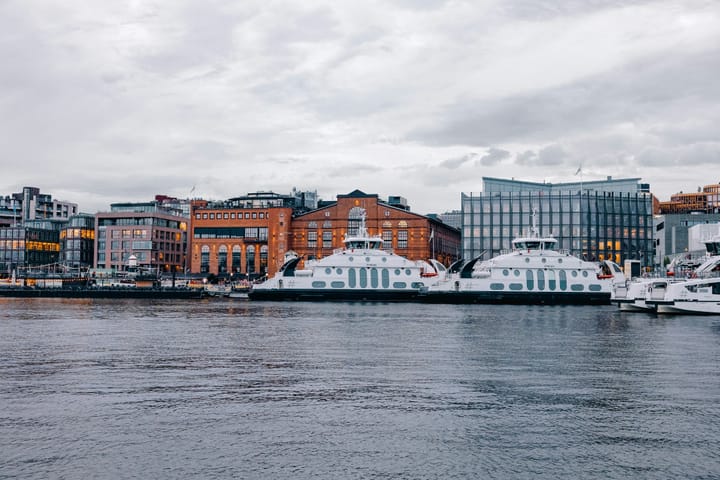
Island ferries, fjord swimming, and forest trails create openness rare in peak season.
Long evenings and historic streets make it one of the great places to visit in Europe in July, before August festival density peaks.
Iceland remains one of the best countries to visit in Europe in July for cool-weather travelers. Midnight sun, waterfalls, and volcanic terrain create a completely different summer atmosphere.
Tallinn offers medieval architecture and Baltic light without Mediterranean density. It remains one of the best European cities to visit in July for affordability and atmosphere.
Best Places in Europe in July by Travel Style
Best Places in Europe in July for a Summer Vacation With Kids
For beach-focused family travel, the Algarve and Istria combine calm water with manageable town sizes. For city-based trips, Budapest and Copenhagen provide open public spaces and structured attractions. For nature-driven itineraries, Slovenia and Iceland offer wildlife and outdoor activities that children remember long after returning home.
4 Practical Travel Tips for Europe in July
1) Book accommodation early
Reserve hotels or apartments at least two to three months in advance, especially in coastal destinations and popular islands. July availability drops quickly, and last-minute rates rise sharply.
2) Plan around the heat
Visit major landmarks before 9 am when temperatures and crowds are lower. Use afternoons for indoor museums, long lunches, shaded cafes, or swimming. Resume outdoor exploration in the evening.
3) Pack strategically for your region
Southern Europe requires lightweight, breathable clothing and strong sun protection. Central Europe benefits from light layers and a compact rain jacket for occasional summer storms. Northern Europe calls for layering pieces and a waterproof outer shell. Comfortable walking shoes are essential everywhere.
4) Pre-book major attractions
Timed-entry tickets for sites such as the Acropolis or Dubrovnik city walls reduce waiting time and heat exposure. In peak summer, popular attractions frequently sell out days in advance.
Staying Connected Across Europe in July
A multi-destination route through Europe in July means relying on your phone constantly for navigation, train tickets, accommodation check-ins, and translation.
Jetpac travel eSIM for Europe activates before departure, so you land connected.
FAQs
Which European country is best to visit in July?
There is no single best country, but Croatia, Portugal, and Greece consistently rank among the best places to visit in Europe in July for reliable sunshine, swimmable seas, and strong cultural depth. Croatia offers a balance between beaches and historic towns, Portugal combines coastal scenery with manageable temperatures, and Greece delivers warm water and dramatic island landscapes.
Where is it warm but not too hot in July in Europe?
Porto, Ljubljana, Istria, and Budapest typically range between 23 and 28°C in July. These destinations provide summer warmth without the 35°C heat common in southern Spain or parts of Greece, making them some of the best places to go in Europe in July for travelers who prefer comfort over extreme heat.
Where to go in Europe to avoid summer crowds?
Tallinn, the Azores, Ljubljana, and Oslo experience significantly lower visitor volumes than Mediterranean hotspots. Iceland also feels spacious despite peak season. Choosing northern and eastern destinations is the most reliable way to reduce crowd pressure in Europe in July.
Is July a good time to visit Europe?
Yes, if you plan carefully. July offers the most consistent weather across much of the continent and the longest daylight hours in northern regions. However, it is peak season, so booking accommodation early and visiting major attractions in the morning makes a noticeable difference.
How hot is Europe in July?
Temperatures vary widely by region. Southern Spain and Greece often reach 33 to 38°C. Mediterranean coastlines average 27 to 32°C. Central Europe usually ranges from 24 to 29°C. Northern Europe sits between 15 and 22°C, while Iceland remains cooler at around 11 to 15°C.
Is Europe crowded in July?
July is the busiest month in the most popular destinations. Coastal cities such as Santorini and Dubrovnik operate at high capacity. Northern and eastern cities like Tallinn and Ljubljana feel comparatively calmer. Crowd levels also drop significantly before 9 am and after 6 pm in most major sites.
Which European countries have the best weather in July?
Greece, Croatia, Spain, and Portugal offer the most reliable sunshine and warmest sea temperatures. For milder city conditions, Hungary and Slovenia provide stable warmth without extreme heat. Norway and Denmark deliver long daylight hours with comfortable temperatures.
What should I pack for Europe in July?
For southern Europe, pack lightweight breathable clothing, strong sunscreen, a hat, and comfortable walking shoes. For central regions, include light layers and a packable rain jacket for occasional storms. For northern destinations, bring layering pieces and a waterproof outer layer. A universal adapter, portable power bank, and travel eSIM are useful across all regions.
Is Europe good for a summer vacation with kids?
Yes, July aligns with school holidays and offers strong infrastructure across beaches, cities, and nature destinations. The Algarve and Istria provide calm swimming conditions, Budapest and Copenhagen offer family-friendly urban environments, and Slovenia and Iceland deliver outdoor experiences that suit older children.
Which European country is best for families in July?
Portugal, Croatia, and Slovenia consistently perform well for families. Portugal’s Algarve combines accessible beaches and strong infrastructure. Croatia’s Istrian coast offers calm Adriatic water and compact towns. Slovenia balances nature and manageable city travel, making it one of the most flexible family-friendly options in Europe in July.
Disclaimer
Temperature data, crowd assessments, and daily cost estimates in this blog are based on publicly available historical climate data and travel industry averages at the time of writing. Actual temperatures, prices, and visitor volumes may vary by year, specific location, and travel dates. Budget figures represent approximate mid-range daily costs and will differ based on accommodation style, dining preferences, and individual activities. Jetpac is not responsible for network variations or third-party data accuracy. Mention of any destination, product, or service does not constitute an endorsement. Always verify current travel advisories, entry requirements, and local conditions before booking.