Best Places to Live in Japan for Expats & Digital Nomads
Discover the best places to live in Japan for expats and digital nomads, top cities, living costs, safety tips, and the best Japan eSIM for travelers.
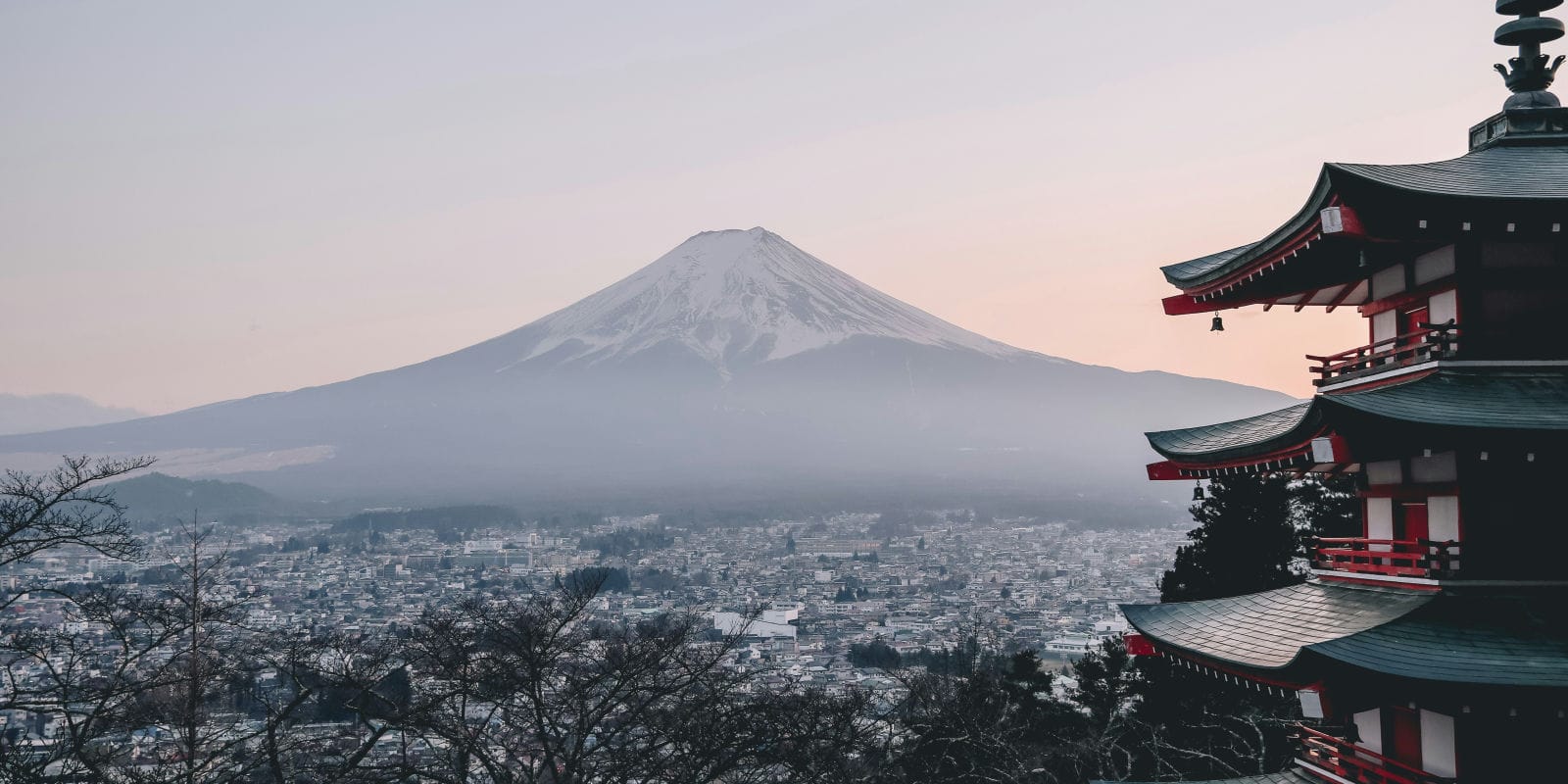
Japan offers a mix of modern cities, cultural heritage, and digital-ready infrastructure. The best places to live in Japan include Tokyo, Osaka, Fukuoka, and Kyoto, each offering safety, comfort, and global connectivity. Whether you seek affordable living, scenic beauty, or strong internet for remote work, Japan’s cities cater to every lifestyle. With reliable public transport, a low crime rate, and easy connectivity through Jetpac eSIM, Japan remains one of the top choices for expats and digital nomads worldwide.
Japan is one of the most desirable destinations for expats and digital nomads, offering a rare mix of tradition, innovation, and comfort. From the buzz of Tokyo’s tech-driven streets to the calm temples of Kyoto and the beaches of Okinawa, every region offers something unique.
The best places to live in Japan combine convenience, safety, and strong digital infrastructure, essentials for remote professionals and families alike. Whether you’re seeking vibrant city life, affordable housing, or scenic landscapes, Japan caters to all lifestyles. This blog highlights the good places to live in Japan, the cheapest options, and the best cities for digital nomads, helping you find the right fit for your goals.
What Makes Japan a Great Place to Live?
Japan offers one of the best balances between modern living and cultural depth. Its cities are safe, well-connected, and equipped with high-speed internet, ideal for remote workers and digital nomads.
The country consistently ranks high in quality of life, public transport, and healthcare. For expats, everyday convenience is unmatched: cashless payments, punctual trains, clean streets, and reliable public services.
Beyond infrastructure, Japan’s calm social environment and deep respect for privacy make it easy for foreigners to adapt. Whether you prefer the fast pace of Tokyo or the relaxed rhythm of Kyoto, you’ll find good places to live in Japan that match your comfort and lifestyle.
For professionals, students, and digital workers, Japan provides a stable base with excellent global connectivity, one of the many reasons it’s considered among the best places to live in Japan for expats.
Best Cities in Japan for Expats and Digital Nomads
Japan offers a range of destinations for every lifestyle, from bustling global hubs to peaceful, affordable retreats. Here are the best places to live in Japan for expats, digital nomads, and long-term residents.
1. Tokyo – The Global Hub
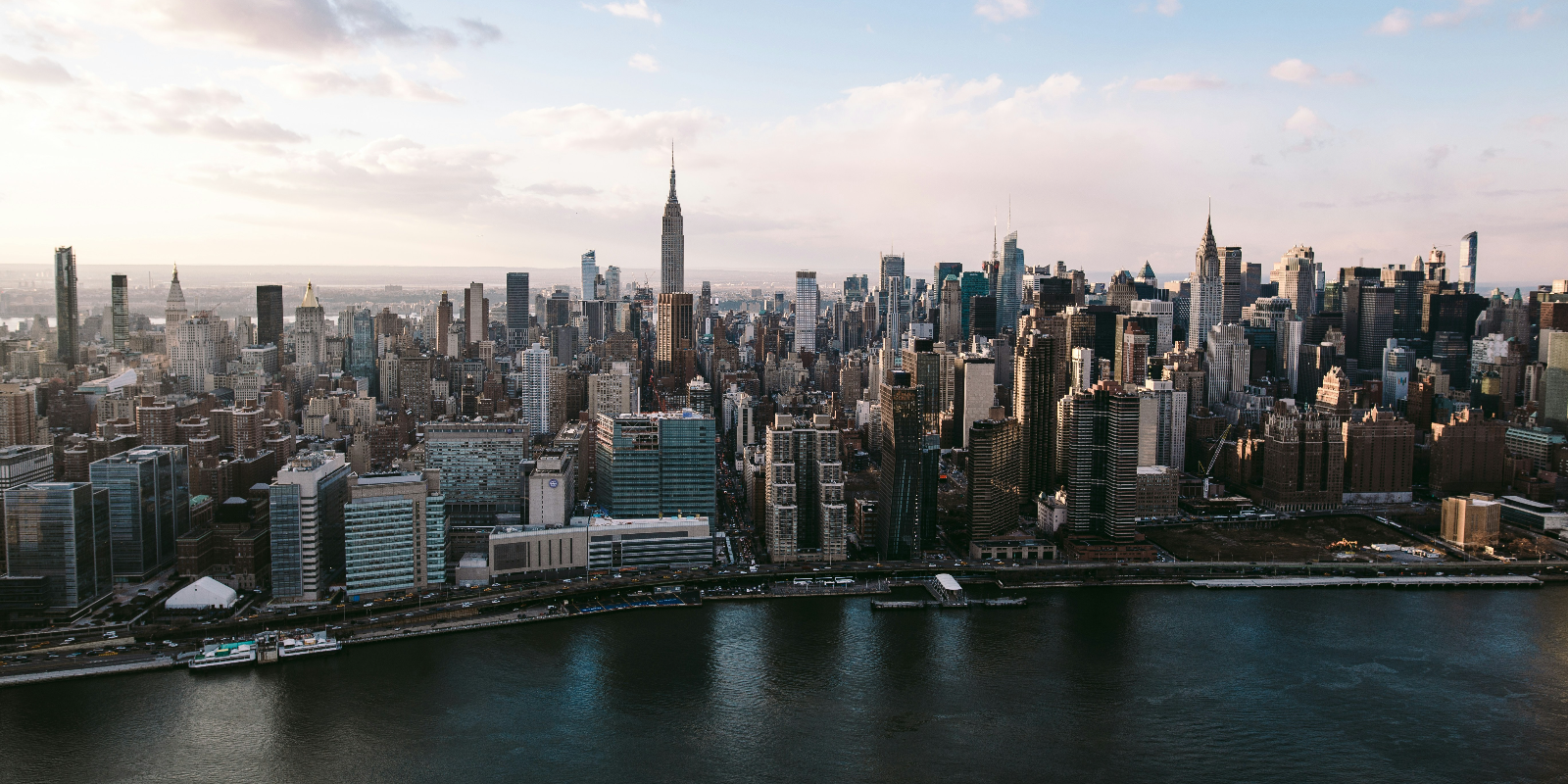
Tokyo blends innovation with tradition, making it one of the best cities for digital nomads and professionals. It’s a global business center packed with coworking spaces, excellent infrastructure, and countless networking opportunities.
Average monthly living cost: USD 2,000–2,500
1BR (Bead Room) Apartment (City Center): USD 1,200–1,700
Food & culture: Michelin dining, sushi, art, and nightlife
Climate: Mild spring/autumn, humid summers, cool winters
Internet: Ultra-fast fiber; coworking hubs in Shibuya, Roppongi, and Marunouchi
Community: Large, English-speaking expat network
Transport: World-class metro and two major international airports
Ideal for: Expats, entrepreneurs, and remote professionals
Read More:
If you’re planning your first trip to Tokyo and want to see more than just Shibuya crossings and temples, from neon-lit streets to anime wonderlands, check out our blog on the top 12 things to do in Akihabara, Tokyo, the city’s ultimate Electric Town adventure.
👉 What to Do in Akihabara Tokyo: Top 12 Must-Try Experiences for Tourists
2. Osaka – Food, Culture, and Friendly Locals
Known as Japan’s “kitchen,” Osaka offers a lively, social lifestyle and one of the most welcoming communities. It’s a good place to live in Japan for those who want a vibrant city without Tokyo’s intensity.
Average monthly living cost: USD 1,600–2,000
1BR Apartment (City Center): USD 900–1,300
Food & culture: Famous for takoyaki, okonomiyaki, and bustling street life
Climate: Warm summers, mild winters
Internet: Reliable high-speed broadband; coworking in Namba and Umeda
Community: Friendly locals and a growing foreign professional base
Transport: Excellent metro and direct Shinkansen (bullet train) links to Tokyo and Kyoto
Ideal for: Foodies, creatives, and budget-conscious expats
3. Kyoto – Cultural Capital with Peaceful Living
Kyoto combines traditional beauty with modern comfort. It’s one of the most beautiful places in Japan to live, ideal for artists, families, and freelancers who appreciate culture and calm.
Average monthly living cost: USD 1,800–2,300
1BR Apartment (City Center): USD 1,000–1,300
Food & culture: Kaiseki dining, tea houses, temples, and festivals
Climate: Distinct four seasons; humid summers, cold winters
Internet: Stable connection; growing coworking scene around Karasuma
Community: Smaller expat presence, very foreigner-friendly city
Transport: Easy access to Osaka and Kobe by train
Ideal for: Creatives, families, and digital nomads seeking calm
4. Fukuoka – Affordable and Entrepreneur-Friendly
Fukuoka stands out as the cheapest place to live in Japan among major cities. It’s compact, coastal, and business-friendly, perfect for startups and remote workers.
Average monthly living cost: USD 1,400–1,800
1BR Apartment (City Center): USD 800–1,000
Food & culture: Hakata ramen, lively night markets, and laid-back social scene
Climate: Warm most of the year with mild winters
Internet: Excellent connectivity and modern coworking spaces
Community: Active expat scene; English widely understood in urban areas
Transport: Compact city layout and direct international airport
Ideal for: Entrepreneurs, freelancers, and digital nomads
5. Sapporo – Cool Weather and Affordable Comfort
Located in Hokkaido, Sapporo offers spacious living, clean air, and affordable housing. It’s one of the best places to live in Japan as a foreigner who enjoys peace, space, and winter activities.
Average monthly living cost: USD 1,200–1,600
1BR Apartment (City Center): USD 700–900
Food & culture: Famous for miso ramen, beer, and the Snow Festival
Climate: Cold winters with heavy snow, pleasant summers
Internet: Stable and affordable; coworking available downtown
Community: Friendly locals, smaller but tight-knit expat community
Transport: Regional flights to Tokyo and major cities
Ideal for: Families, nature lovers, and remote professionals
6. Yokohama – City Comfort Near Tokyo
Just 30 minutes from Tokyo, Yokohama offers urban convenience with a slower pace. It’s one of the best places to live in Japan for Americans seeking family-friendly neighborhoods.
Average monthly living cost: USD 1,700–2,100
1BR Apartment (City Center): USD 1,000–1,300
Food & culture: Diverse restaurants, Chinatown, and harbor attractions
Climate: Moderate temperatures, humid summers
Internet: Reliable fiber network and 5G coverage
Community: Large foreign population, international schools
Transport: Short train rides to Tokyo and Haneda Airport
Ideal for: Families and professionals commuting to Tokyo
7. Okinawa – Beach Living and Island Freedom
Okinawa is tropical, relaxed, and full of natural beauty. It’s one of the most beautiful places in Japan to live, with a warm, close-knit community and beach lifestyle.
Average monthly living cost: USD 1,500–1,900
1BR Apartment (City Center): USD 800–1,100
Food & culture: Okinawan soba, seafood, and rich island traditions
Climate: Warm year-round; humid summers, mild winters
Internet: Reliable across islands; mobile hotspots widely used
Community: Friendly locals, many English-speaking residents (including US base families)
Transport: Domestic flights connect easily to Tokyo and Osaka
Ideal for: Remote workers, families, and retirees seeking coastal life
Best Places to Live in Japan for Different Lifestyles
Japan’s regions vary widely in pace, cost, and culture. From family-friendly suburbs to budget-friendly northern cities, there’s a perfect fit for every expat or digital nomad. Here are the best places to live in Japan depending on your lifestyle and priorities.
Best for Families
Japan is known for its safety, clean environment, and excellent education system, making it ideal for families. Access to green spaces, schools, and community support is strong across major cities.
Yokohama – Safe neighborhoods, international schools, and family-friendly amenities make it one of the best places to live in Japan for Americans. It’s peaceful yet close to Tokyo.
Tokyo (Setagaya & Meguro wards) – Offers top schools, quiet residential areas, and quick city access, perfect for working parents.
Fukuoka – Affordable housing, modern facilities, and coastal living create a balanced environment for families.
Read More
We all want to visit Japan when it’s peaceful, to enjoy the beauty of temples, cherry blossoms, and autumn colors without the rush or crowds. The best time for that is late May to mid-June or mid-September to early December, when the weather is pleasant and the sights are quieter. Everyone has their own travel style and dream season to explore Japan, so if you’re wondering when your perfect time might be, read our blog on the best time to visit Japan and plan your trip your way!
👉 Best Time to Visit Japan – A Seasonal Overview
Best for Digital Nomads
With excellent connectivity, strong coworking culture, and reliable infrastructure, Japan is among Asia’s best places for digital nomads. Internet speeds are fast, and remote workspaces are common.
Tokyo – A powerhouse for startups, tech jobs, and freelancers; great Wi-Fi and endless coworking options.
Osaka – More affordable than Tokyo but just as connected, with a friendly and creative community.
Fukuoka – Recognized globally as one of Japan’s most innovative cities, offering startup programs and affordable coworking hubs.
Best for Budget Living
If you’re looking for the cheapest place to live in Japan without compromising comfort, several cities offer affordability, clean environments, and convenient public transport.
Sapporo – Low rent and peaceful neighborhoods make it ideal for expats or students on a budget.
Fukuoka – A balanced city offering quality living and job opportunities at moderate prices.
Kagoshima – Smaller, scenic, and inexpensive, with a mild southern climate and relaxed vibe.
Best for Culture and Nature
Japan is full of beautiful places to live, where nature, tradition, and calm coexist. These cities are perfect for those who value history, scenic beauty, and outdoor experiences.
Kyoto – Cultural heart of Japan with temples, gardens, and centuries-old traditions.
Okinawa – Tropical and laid-back, ideal for those who enjoy outdoor activities and coastal living.
Nara – Peaceful, historic, and rich in heritage, is close enough to Osaka for convenience.
Whether you’re focused on family life, affordability, or remote work, Japan offers an unmatched variety of good places to live, each delivering quality, safety, and comfort in its own way.
Cost of Living Overview in Japan (Approximate in USD)
The cost of living in Japan depends on lifestyle and location. Major cities like Tokyo and Kyoto are more expensive, while Fukuoka and Sapporo offer a lower cost of living with similar comfort.
City |
Single Person (USD/month) |
Family of 4 (USD/month) |
|
Tokyo |
2,000 – 2,500 |
4,500 – 5,200 |
|
Osaka |
1,600 – 2,000 |
3,800 – 4,500 |
|
Fukuoka |
1,400 – 1,800 |
3,200 – 3,800 |
|
Sapporo |
1,200 – 1,600 |
2,800 – 3,500 |
|
Kyoto |
1,800 – 2,300 |
4,000 – 4,800 |
|
Yokohama |
1,700 – 2,100 |
3,800 – 4,500 |
|
Okinawa |
1,500 – 1,900 |
3,200 – 3,900 |
Note:
These estimates include rent, food, utilities, transportation, medical expenses, and basic leisure activities.
Internet and mobile plans (including Japan eSIM options) typically add USD 35–45/month.
Public transport passes cost USD 70–110/month, depending on the city.
Healthcare is subsidized, with doctor visits averaging USD 10–25 per consultation.
Figures represent mid-range living standards, not luxury or minimal budgets.
On average, a single person spends USD 1,500–2,500/month, while a family of four needs around USD 3,500–5,000/month for a comfortable lifestyle in Japan.
Places to Avoid in Japan (for Expats and Nomads)
Japan remains one of the safest countries in the world to live and work in, ranking 142nd out of 193 countries for criminality and 19th in resilience, according to the 2023 Organized Crime Index. Petty crime is rare, and law enforcement is strong across all major cities. However, some forms of organized crime, mainly involving Yakuza groups in cities like Tokyo, Osaka, Kobe, and Fukuoka, still exist, though their influence has declined sharply in recent years due to strict anti-mafia ordinances.
Instances of financial fraud and cybercrime are occasionally reported in urban centers such as Tokyo and Yokohama, while human trafficking and labor exploitation are more common in certain industrial zones and nightlife districts, particularly around Osaka and Fukuoka. The northern regions of Hokkaido and the southern islands of Okinawa remain largely peaceful, though Okinawa can experience seasonal typhoons, and areas around Tokyo and Sendai are more prone to earthquakes.
Overall, Japan provides a high-income, low-crime environment with one of the most efficient justice systems globally. With well-regulated cities, transparent governance, and excellent public safety, it continues to be one of the best and safest places to live in Asia for expats and digital nomads.
eSIM Options for Expats and Travelers (Jetpac & Local Carriers)
Staying connected is effortless in Japan, thanks to its strong network coverage and high-speed internet. For expats, travelers, and digital nomads, choosing the right Japan eSIM or local mobile plan ensures uninterrupted communication from day one.
Local Carrier Options
Major providers like NTT Docomo, SoftBank, and au by KDDI offer reliable 4G and expanding 5G coverage across most of the country. Monthly plans range between USD 25–40, depending on data volume and call features. These are ideal for long-term residents who want stable connectivity and domestic support.
eSIM Options for Expats and Digital Nomads
For those frequently traveling or not ready for a local contract, using an eSIM for Japan is the easiest and most flexible solution. Jetpac eSIM stands out as one of the best eSIMs for Japan, offering convenience and cost efficiency.
Why Jetpac eSIM is ideal for Japan:
One eSIM works in 200+ destinations, including Japan.
Always-on multi-network coverage ensures a strong signal anywhere in the country.
No hidden fees — 100% prepaid and up to 70% cheaper than roaming.
Unlimited hotspot sharing with no data restrictions.
Free access to essential apps like WhatsApp, Uber, and Google Maps even after data runs out.
24/7 customer support via WhatsApp and email.
5G access and outgoing voice calls in 50+ countries, starting at just USD 1.99 per 5 minutes.
Whether you’re exploring Tokyo’s coworking hubs, Osaka’s markets, or Okinawa’s beaches, Jetpac eSIM ensures smooth, secure, and budget-friendly connectivity, making it the best eSIM for Japan for expats and digital nomads alike.
FAQs
What are the best places to live in Japan for expats?
The best places to live in Japan include Tokyo, Osaka, Fukuoka, and Yokohama, all offering great infrastructure, safety, and work opportunities for foreigners.
What are the good places to live in Japan for families and professionals?
Yokohama, Tokyo (Setagaya Ward), and Fukuoka are the most family-friendly, offering affordable housing, quality schools, and community amenities.
What are the best cities for digital nomads in Japan?
Tokyo, Osaka, and Fukuoka are among the best cities for digital nomads, offering fast internet, coworking spaces, and excellent connectivity.
Which is the cheapest place to live in Japan with good amenities?
Sapporo and Fukuoka are considered the cheapest places to live in Japan, combining low rent with reliable public transport and modern facilities.
What are the best places to live in Japan as a foreigner?
Cities like Osaka, Fukuoka, and Yokohama are the best places to live in Japan as a foreigner, thanks to English-friendly environments and growing expat communities.
Which are the best places to live in Japan for Americans?
Tokyo, Yokohama, and Okinawa are popular with Americans because of international schools, English-speaking services, and large expat groups.
What are the most beautiful places in Japan to live long-term?
Kyoto, Okinawa, and Nara are some of the most beautiful places in Japan to live, offering nature, history, and traditional architecture.
What are the best places for digital nomads to work remotely in Japan?
Fukuoka and Tokyo top the list for remote professionals, thanks to strong digital infrastructure, fast internet, and flexible coworking options.
What are the places to avoid living in Japan for expats?
Avoid remote rural areas like northern Hokkaido or industrial zones like Kitakyushu, where English support and digital access are limited.
How much does it cost to live in Japan each month?
The average cost of living in Japan is around USD 1,500–2,500 for a single person and USD 3,500–5,000 for a family, depending on the city.
Which is the best eSIM for Japan for expats and travelers?
Jetpac eSIM is one of the best eSIMs for Japan, offering coverage in 200+ destinations, multi-network connectivity, upfront pricing, and 24/7 support.
Disclaimer
This blog is for informational purposes only and should not be considered financial, legal, or professional advice. All cost estimates and figures mentioned are based on publicly available information and have been converted from Japanese Yen (JPY) to USD at an approximate rate of 1 USD = 150 JPY at the time of writing.
Actual expenses may vary depending on exchange rates, lifestyle choices, location, and market changes. Readers are encouraged to verify current prices and conditions with official or professional sources before making financial or relocation decisions.
Jetpac is not responsible for any discrepancies, changes, or losses resulting from the use of information in this article and is not affiliated with or endorsed by any Japanese government entity or local carrier mentioned herein.