10 Best Places to Visit in France in 2026 You’ll Love
Paris, the French Riviera, Provence, Mont-Saint-Michel, and the Loire Valley offer culture, beaches, villages, and historic sights, while Bordeaux and Lyon suit food lovers. Normandy adds coastal history, Alsace brings charming towns, and Chamonix offers skiing, hiking, and Alpine scenery.

France offers far more than Paris. From the French Riviera and lavender-filled Provence to medieval towns, wine regions, historic castles, and the French Alps, the country has destinations for every kind of traveler.
Whether you’re planning a city break, a romantic getaway, a summer vacation, or a winter escape, the best places to visit in France offer a mix of culture, food, history, and scenery.
With good transport connections and options ranging from major cities to quieter countryside, France is easy to explore across different seasons.
An eSIM France can also help you stay connected for maps, bookings, translations, and local transport.

Best Places to Visit in France at a Glance
Read more: If you are deciding how long to stay in the capital, How Many Days in Paris? 1, 3, 5 & 7-Day Itineraries breaks down different trip lengths and what you can fit into each.
Map of the Best Places to Visit in France
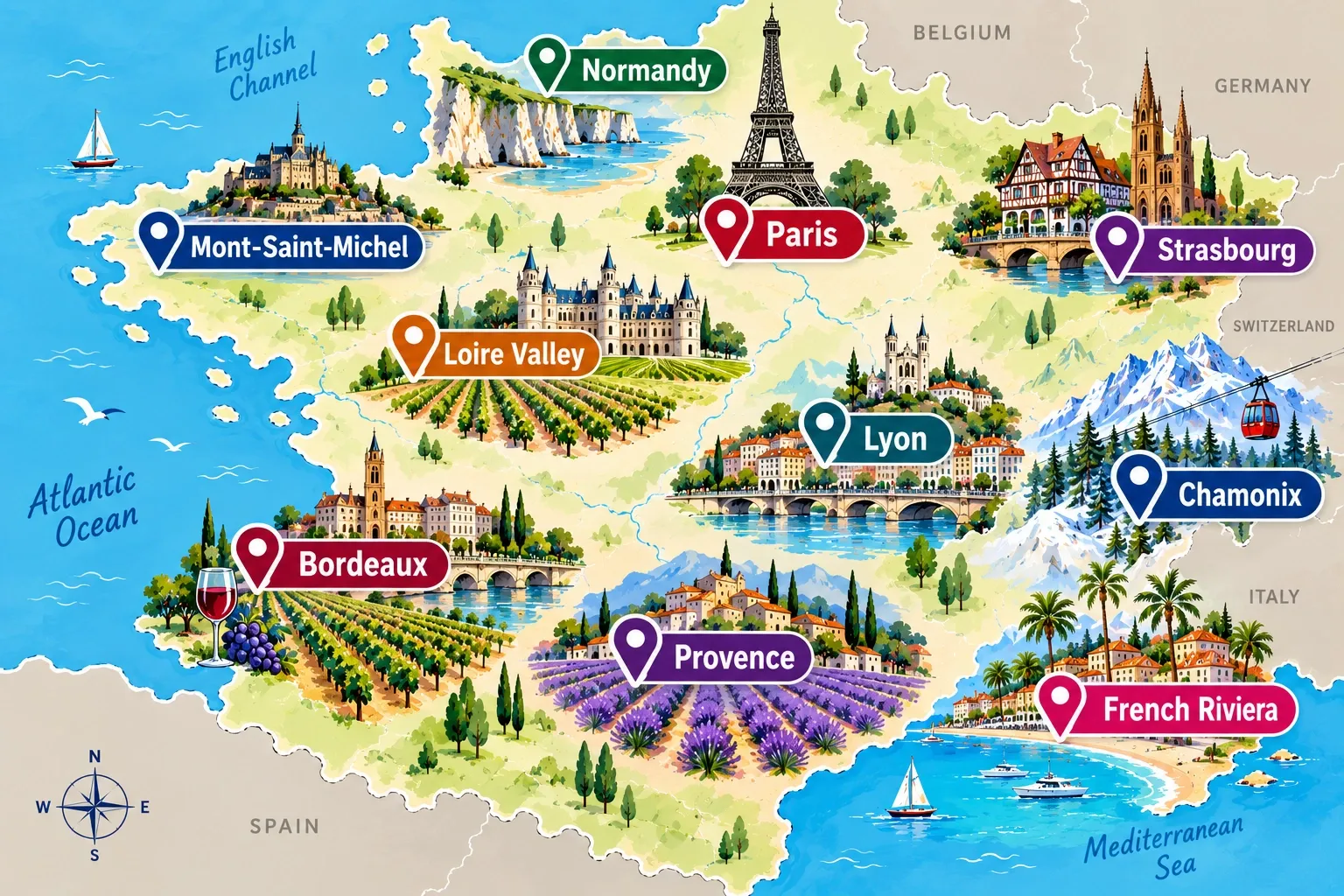
France's major destinations are spread across several distinct regions.
- Paris anchors the north, while Normandy and Mont-Saint-Michel cover the northwest.
- The Loire Valley lies west of the capital, Bordeaux sits on the Atlantic side, and Lyon connects eastern and southern routes.
- Provence and the French Riviera dominate the southeast, while Chamonix sits in the Alps near the Swiss and Italian borders.
You can visit several of these destinations on one itinerary, but France is large enough that trying to cover all 10 in one trip would mean spending too much time in transit.
Read more: For broader trip planning, France Travel Guide covers practical travel information, destinations, transport, and other essentials for exploring France.
10 Best Places to Visit in France
#1. Paris
Why visit:
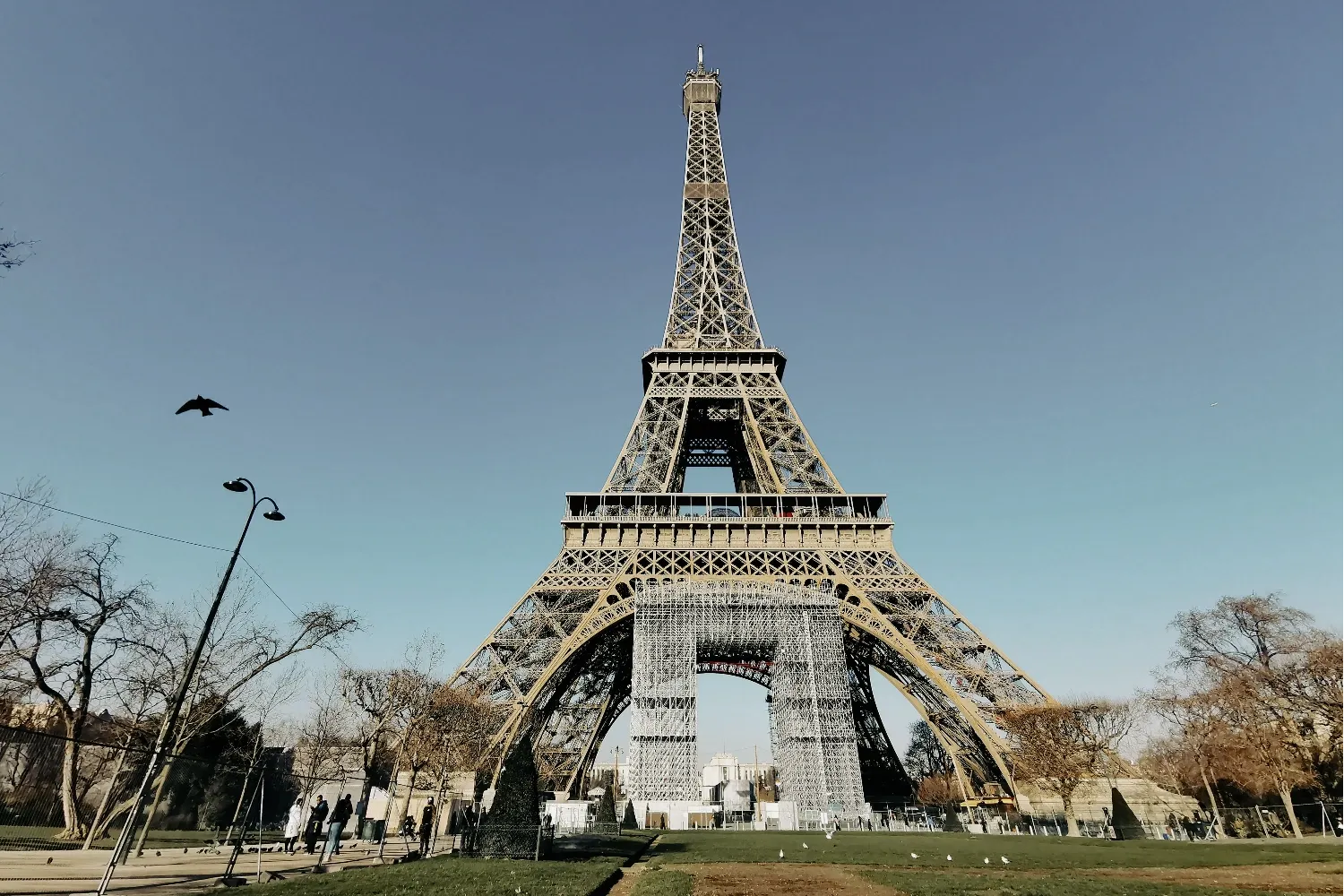
Paris remains one of the best destinations to visit in France for first-time travellers because it combines major landmarks, museums, architecture, food, shopping, and neighbourhoods within an extensive public transport network.
The Louvre, Eiffel Tower, Notre-Dame de Paris, Montmartre, the Marais, and the Seine can easily fill several days.
Notre-Dame reopened to visitors in December 2024 after its major restoration following the 2019 fire, although restoration work around the cathedral continues.
Top things to do:
- Eiffel Tower: Book a timed entry if you want to go up the tower, particularly during busy periods.
- Louvre Museum: Allow at least half a day if you want to see more than the highlights.
- Notre-Dame de Paris: Visit the restored cathedral and check current visitor arrangements before your trip.
- Montmartre: Walk through the neighbourhood and visit Sacré-Cœur Basilica.
- The Marais: Explore historic streets, galleries, cafés, and Place des Vosges.
- Sainte-Chapelle: See its remarkable medieval stained-glass windows on Île de la Cité.
Read more: Planning to spend more time in the capital? How to Plan a Perfect Itinerary for Your Paris covers how to structure your days, group attractions, and make the most of your time.
Getting there:
Charles de Gaulle Airport is connected to central Paris by public transport, while high-speed trains connect the capital with major French cities. Train schedules and journey times vary by service, so check the latest timetable before booking.
Don’t miss:
Sainte-Chapelle. Its stained-glass windows are among the highlights of medieval Gothic architecture in Paris and can be combined with a visit to nearby Île de la Cité.
Planning more time in the capital? Read our Paris Travel Guide for Things to Do in Paris, neighbourhoods, transport, and practical tips.
2. The French Riviera
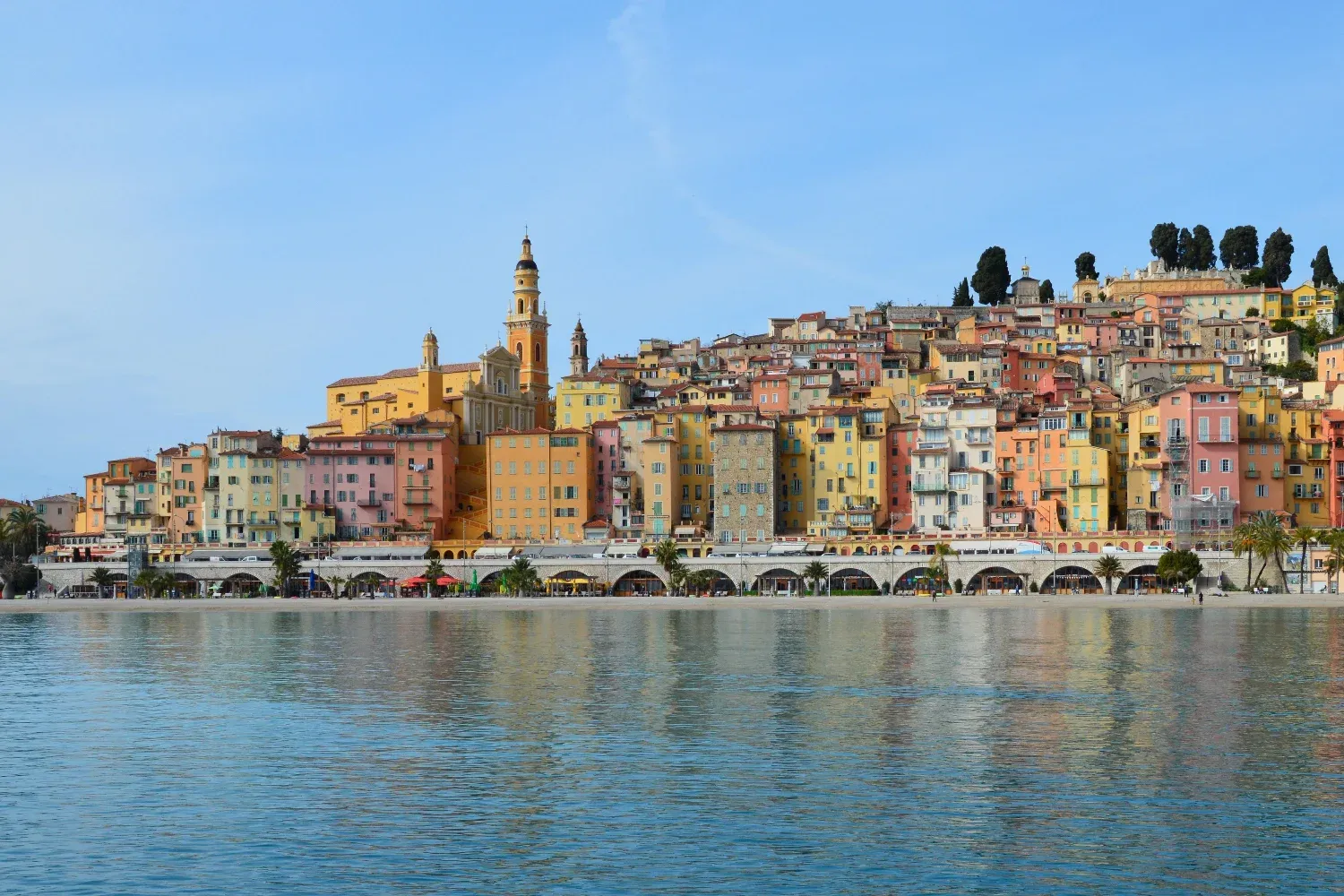
Why visit:
The French Riviera stretches along the Mediterranean coast from around Saint-Tropez and Cannes through Nice and Menton towards the Italian border.
Nice is one of the most practical bases because it combines beaches, an atmospheric Old Town, museums, restaurants, and frequent rail connections.
It is among the best places to travel in France for travellers who want a mix of coastal scenery, culture, food, and short day trips.
Top things to do:
- Promenade des Anglais, Nice: Walk or cycle along the famous waterfront.
- Vieux-Nice: Explore the Old Town, markets, small restaurants, and Baroque churches.
- Monaco: Take a train from Nice for a day of palaces, museums, and Mediterranean views.
- Cannes: Explore Le Suquet, the old port, and the seafront.
- Cap d’Antibes: Walk part of the coastal path around the peninsula.
- Matisse Museum: Visit one of Nice's important cultural attractions.
Getting there:
Nice Côte d’Azur Airport has connections across Europe and beyond. Trains connect Nice with Cannes, Antibes, Menton, and other coastal towns, making a car unnecessary for many Riviera itineraries.
Don’t miss:
The hilltop villages above the coast. Èze is particularly easy to combine with Nice and offers elevated views over the Mediterranean.
3. Provence
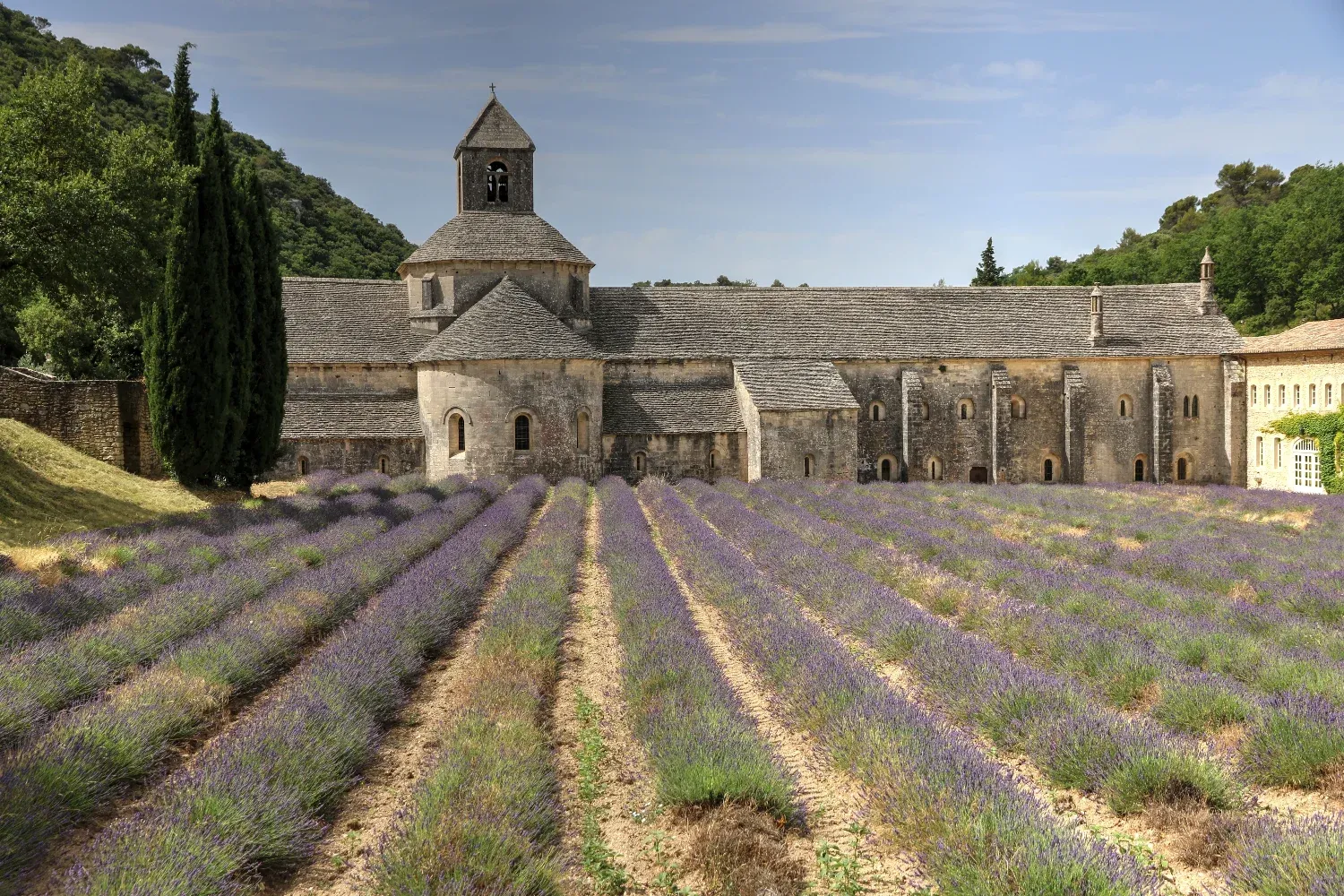
Why visit:
Provence is where France feels slower and more rural. The region combines Roman heritage, hilltop villages, outdoor markets, vineyards, lavender landscapes, and Mediterranean-influenced food.
Aix-en-Provence and Avignon work well as bases, while a car gives you greater flexibility for exploring smaller villages such as Gordes, Roussillon, and Lourmarin.
Top things to do:
- Lavender fields: Visit the Valensole Plateau and Luberon around the lavender season, which varies by location and year.
- Pont du Gard: See the remarkably preserved Roman aqueduct near Nîmes.
- Palais des Papes, Avignon: Explore one of Europe's major medieval Gothic monuments.
- Aix-en-Provence markets: Browse local produce, flowers, cheeses, and regional products.
- Gorges du Verdon: Hike, kayak, or simply enjoy the dramatic landscapes.
- Village drives: Explore Gordes, Roussillon, Lourmarin, and Les Baux-de-Provence.
Getting there:
High-speed trains connect Paris with Avignon and other major cities in the region. A rental car is useful if you want to explore the smaller villages and countryside.
Don’t miss:
A local Provençal market. Choose one in a smaller town rather than limiting your itinerary to the region's most famous tourist villages.
4. Mont-Saint-Michel
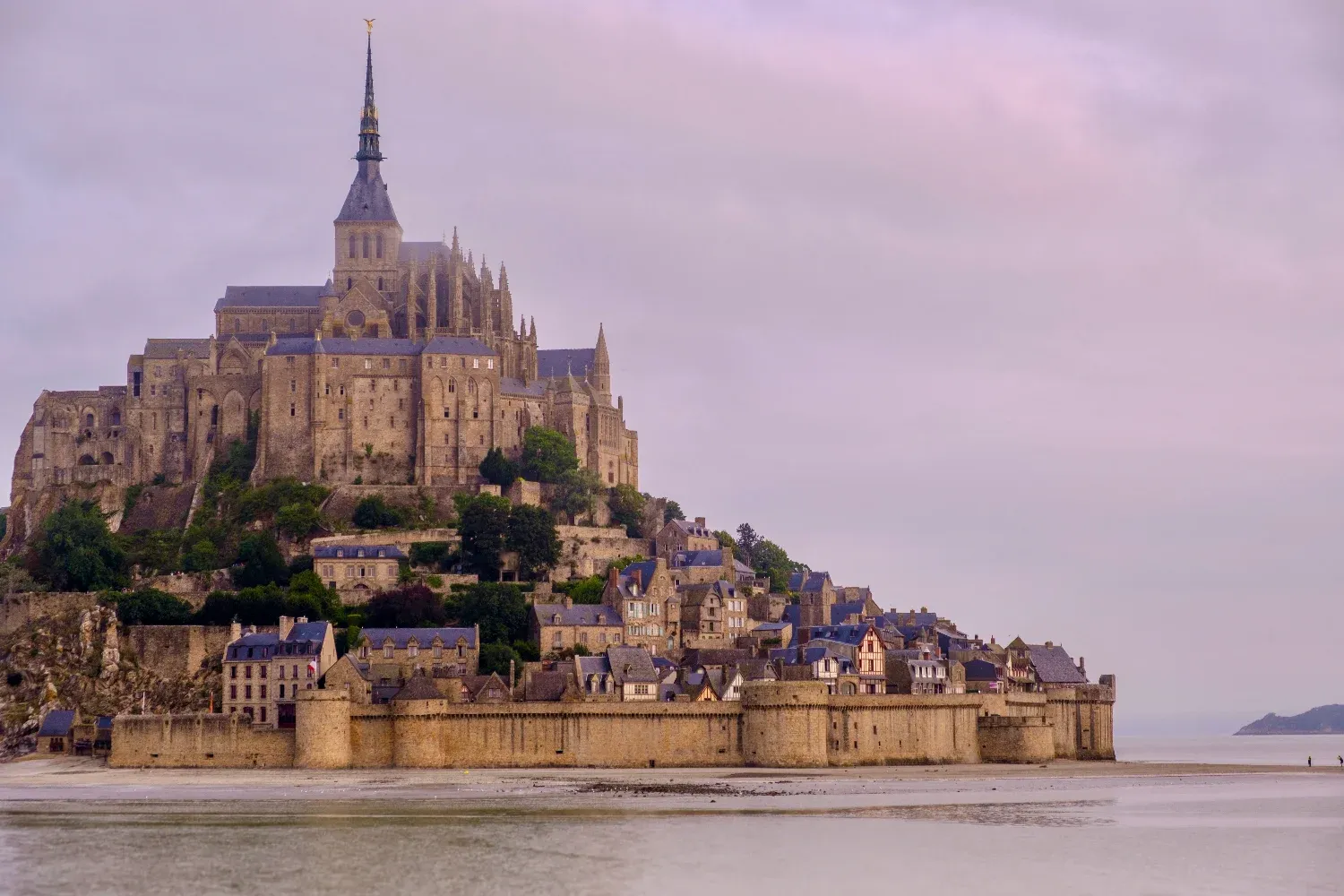
Why visit:
Mont-Saint-Michel is one of the best places to go in France for medieval architecture and dramatic coastal scenery. The Gothic abbey rises above a tidal island, creating a completely different landscape as the tide changes.
The abbey has been a pilgrimage destination for centuries and remains the main attraction, but the ramparts, narrow streets, and surrounding bay are equally important to the experience.
Top things to do:
- Mont-Saint-Michel Abbey: Explore the medieval complex and its elevated views across the bay.
- Rampart walk: Follow the island's outer walls for changing views of the coastline.
- Check the tide times: The bay looks very different during high and low tide.
- Explore the village: Walk through the narrow lanes around the abbey.
- Visit early or late: Arriving outside the busiest daytime period can make the experience more comfortable.
Getting there:
The nearest railway station is Pontorson, with onward connections to Mont-Saint-Michel. Driving is also practical for travellers combining the island with other Normandy or Brittany destinations.
Don’t miss:
The tide schedule. Check the official timetable before choosing your visit time, particularly if seeing Mont-Saint-Michel surrounded by water is important to you.
5. Loire Valley
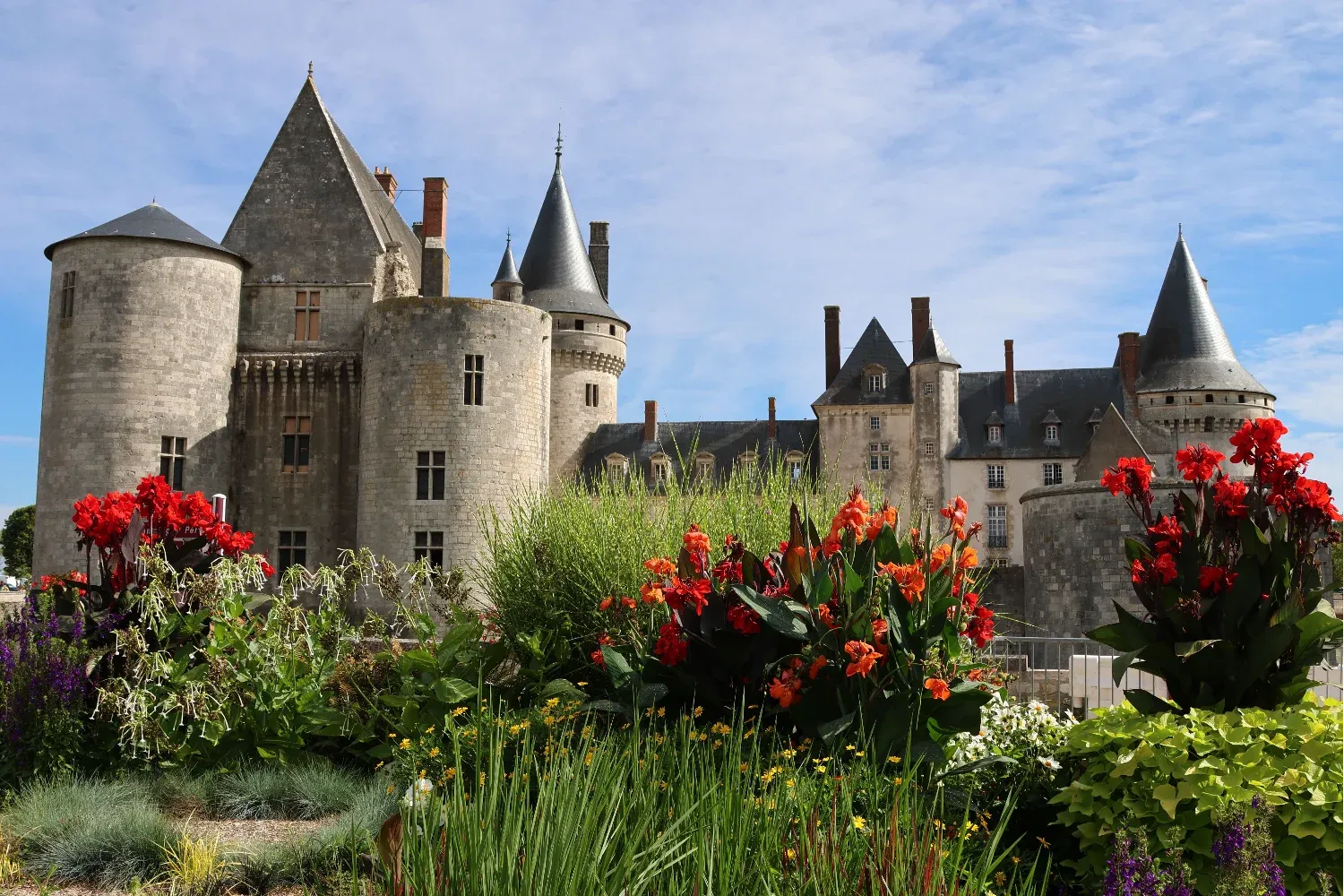
Why visit:
The Loire Valley is one of the best destinations to visit in France for chateaux, gardens, wine, cycling, and countryside. The region is home to hundreds of historic castles, with Chambord, Chenonceau, and Villandry among the most famous.
The Loire Valley also works well for travellers who want to slow down after a few busy days in Paris.
Top things to do:
- Château de Chambord: Explore its architecture, interiors, gardens, and rooftop terraces.
- Château de Chenonceau: Visit the castle spanning the River Cher.
- Loire à Vélo: Cycle along sections of the long-distance Loire Valley cycling route.
- Wine tasting: Try regional wines from areas such as Vouvray and Chinon.
- Château gardens: Visit Villandry for its formal gardens.
- Troglodyte sites: Explore cave dwellings carved into the region's soft limestone.
Getting there:
High-speed and regional trains connect Paris with cities such as Tours and Blois. A rental car or bicycle is more practical for visiting individual chateaux and rural areas.
Don’t miss:
Château de Chambord at opening time. Early morning can provide a quieter experience before the main day-trip crowds arrive.
6. Bordeaux
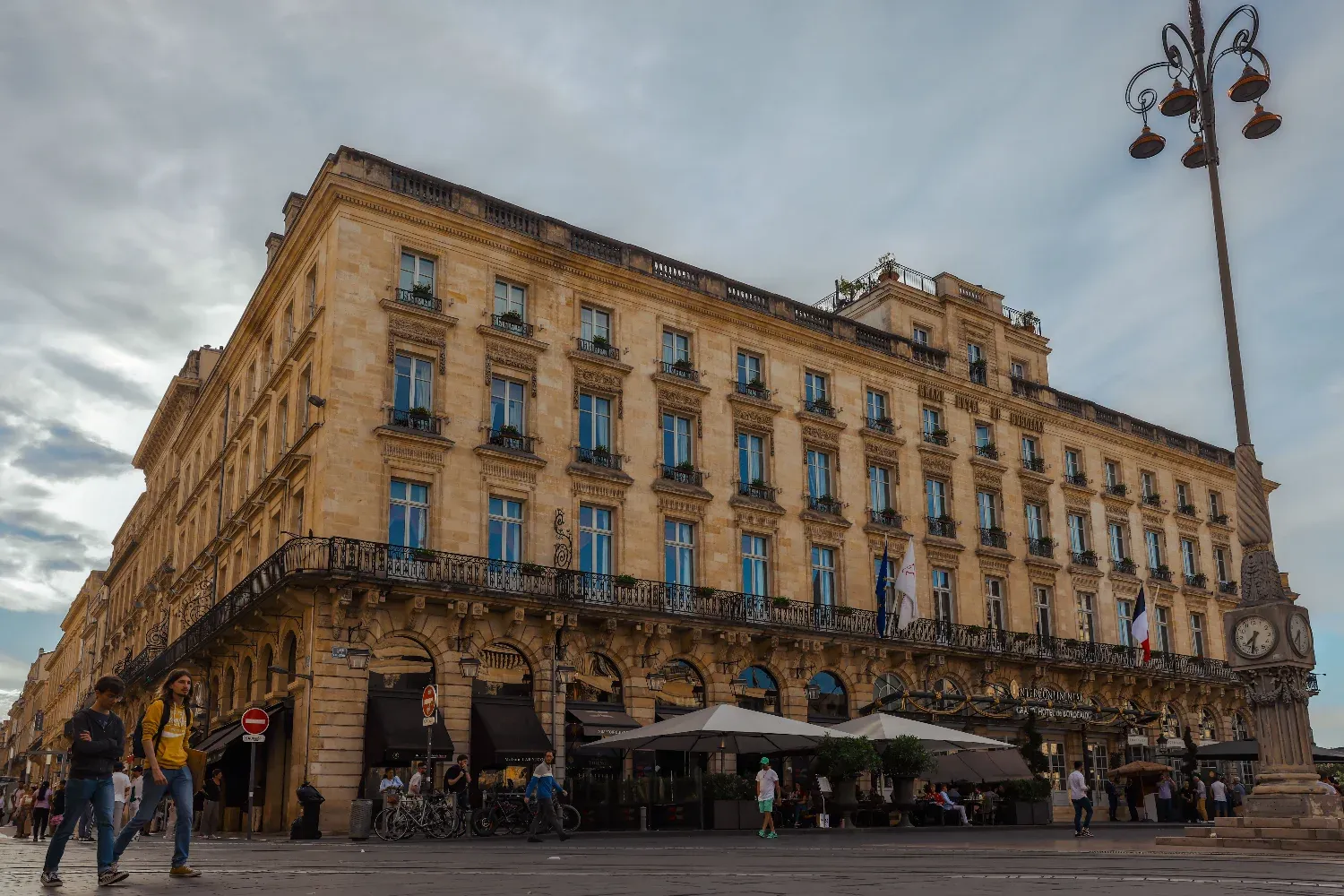
Why visit:
Bordeaux is one of the best cities to travel in France for wine, food, architecture, and a compact urban experience. The historic centre combines grand 18th-century buildings with pedestrian streets, markets, restaurants, and a long riverside promenade.
The city is also a convenient base for exploring famous wine areas surrounding Bordeaux.
Top things to do:
- Cité du Vin: Learn about wine culture and production around the world.
- Place de la Bourse and Miroir d’Eau: Visit one of Bordeaux's most recognisable cityscapes.
- Saint-Émilion: Take a day trip to the medieval wine village.
- Marché des Capucins: Browse local produce, seafood, cheeses, and prepared food.
- Chartrons: Explore the former wine merchants' district.
- Médoc: Follow the wine route north of Bordeaux through famous appellations.
Getting there:
High-speed trains connect Paris and Bordeaux in around two hours on selected services. Bordeaux also has an international airport and an extensive local tram network.
Don’t miss:
Saint-Émilion: Combine the historic village with a visit to a local wine producer if your schedule allows.
7. Lyon
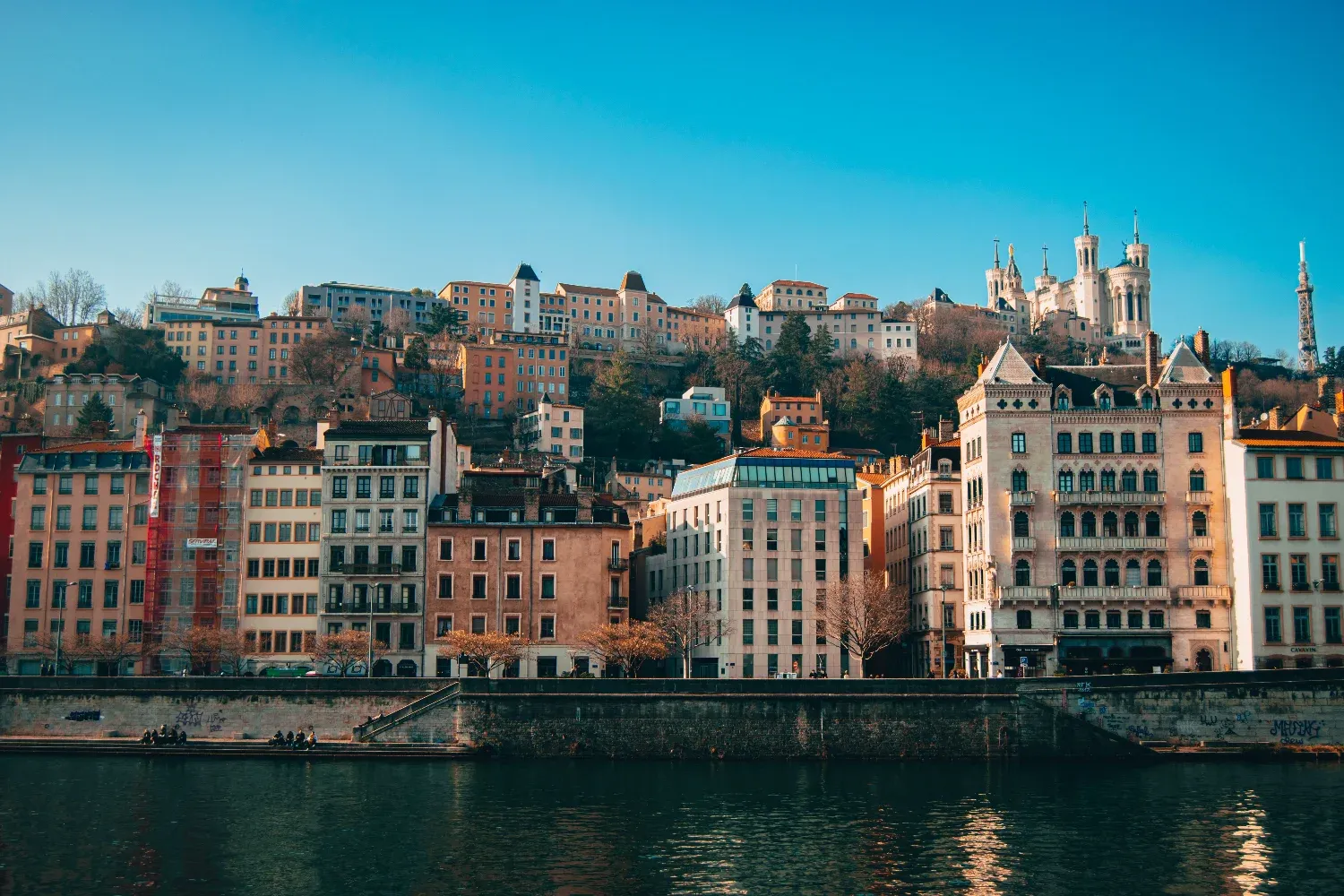
Why visit:
Lyon is among the best cities to travel in France for food, history, and urban culture. The city sits where the Rhône and Saône rivers meet and combines a Renaissance old town with contemporary neighbourhoods and a strong restaurant scene.
Its historic centre, traboules, markets, and traditional bouchons make Lyon particularly appealing to travellers who want to experience a different side of France beyond Paris.
Top things to do:
- Vieux-Lyon: Explore the Renaissance streets and courtyards.
- Traboules: Look for the covered passageways that connect buildings in the historic centre.
- Fourvière Basilica: Visit the hilltop basilica for views over Lyon.
- Roman theatres: Explore the ancient theatres below Fourvière.
- Les Halles de Lyon Paul Bocuse: Browse one of the city's best-known food markets.
- Beaujolais: Take a day trip north for vineyards and village scenery.
Getting there:
High-speed trains connect Paris and Lyon in around two hours on direct services. Lyon also has an international airport and a well-developed metro and tram network.
Don’t miss:
A traditional bouchon lyonnais. Try local dishes in one of these characteristic restaurants rather than limiting your food experience to fine dining.
8. Strasbourg and Alsace
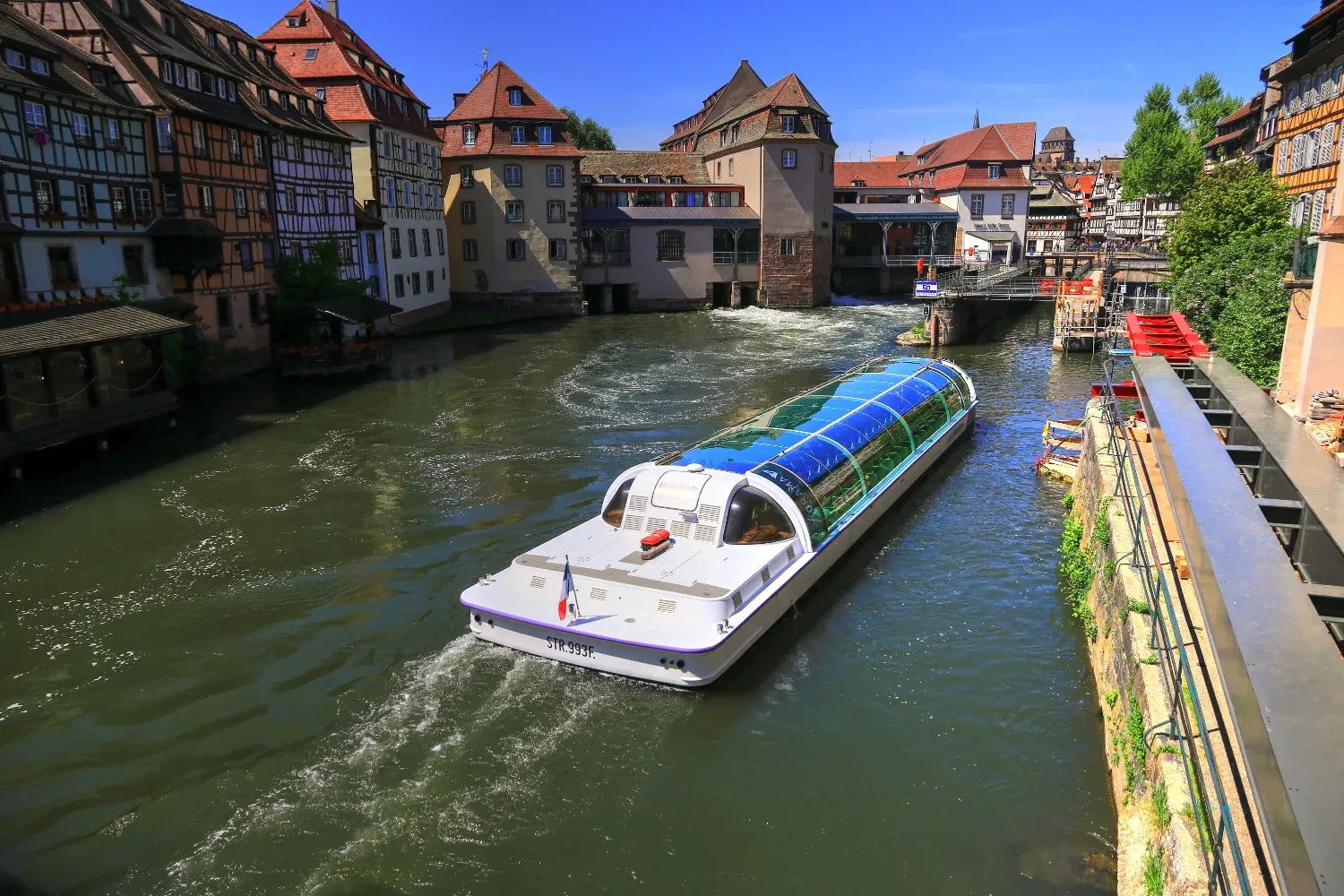
Why visit:
Strasbourg sits near the German border and reflects centuries of French and German cultural influence. The Petite France quarter, canals, half-timbered buildings, and Strasbourg Cathedral give the city a distinctive character.
The surrounding Alsace region adds wine villages, vineyards, castles, and scenic countryside, making it one of the best places to visit in France for a short regional trip.
Top things to do:
- Petite France: Walk through the historic canal-side district.
- Strasbourg Cathedral: See the Gothic architecture and astronomical clock.
- European Parliament: Visit when public tours are available.
- Alsace Wine Route: Travel through villages such as Obernai, Ribeauvillé, and Riquewihr.
- Colmar: Add the picturesque town to a wider Alsace itinerary.
- Christmas markets: Visit during the festive season when the city becomes especially lively.
Getting there:
High-speed trains connect Paris and Strasbourg in under two hours on some direct services. The historic centre is compact and easy to explore on foot.
Don’t miss:
The Alsace Wine Route. September and October can be particularly appealing when vineyards take on autumn colours and harvest activity begins.
9. Normandy
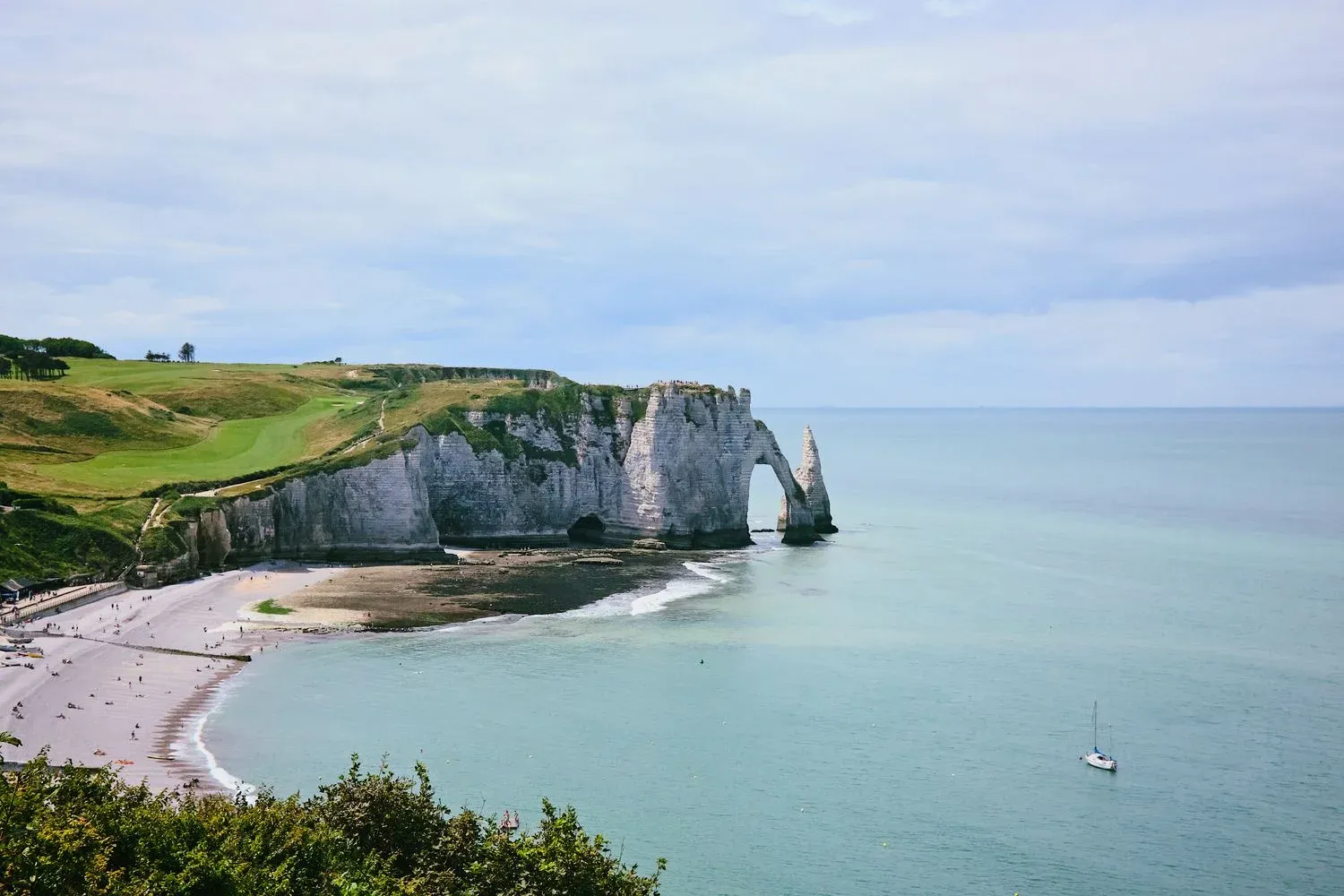
Why visit:
Normandy is one of the best places to travel in France for history, dramatic coastline, medieval heritage, and regional food.
The D-Day landing beaches and memorial sites provide an important historical experience, while Étretat, Honfleur, and Bayeux offer very different reasons to visit.
The region works particularly well as a road trip from Paris.
Top things to do:
- D-Day beaches: Visit Omaha Beach, Pointe du Hoc, and other key sites.
- American Cemetery: See the memorial overlooking Omaha Beach at Colleville-sur-Mer.
- Bayeux Tapestry: Explore the famous medieval embroidered narrative.
- Étretat: Walk the cliffs and see the natural arches.
- Honfleur: Explore the historic harbour and surrounding streets.
- Norman food: Try Camembert, cider, and other regional specialities.
Getting there:
Trains connect Paris with cities such as Caen and Rouen. A rental car is useful for reaching the D-Day beaches, Étretat, Honfleur, and smaller towns.
Don’t miss:
The D-Day memorial sites. Allow enough time to visit the museums and cemeteries rather than treating the beaches as quick photo stops.
10. Chamonix and the French Alps
Why visit:
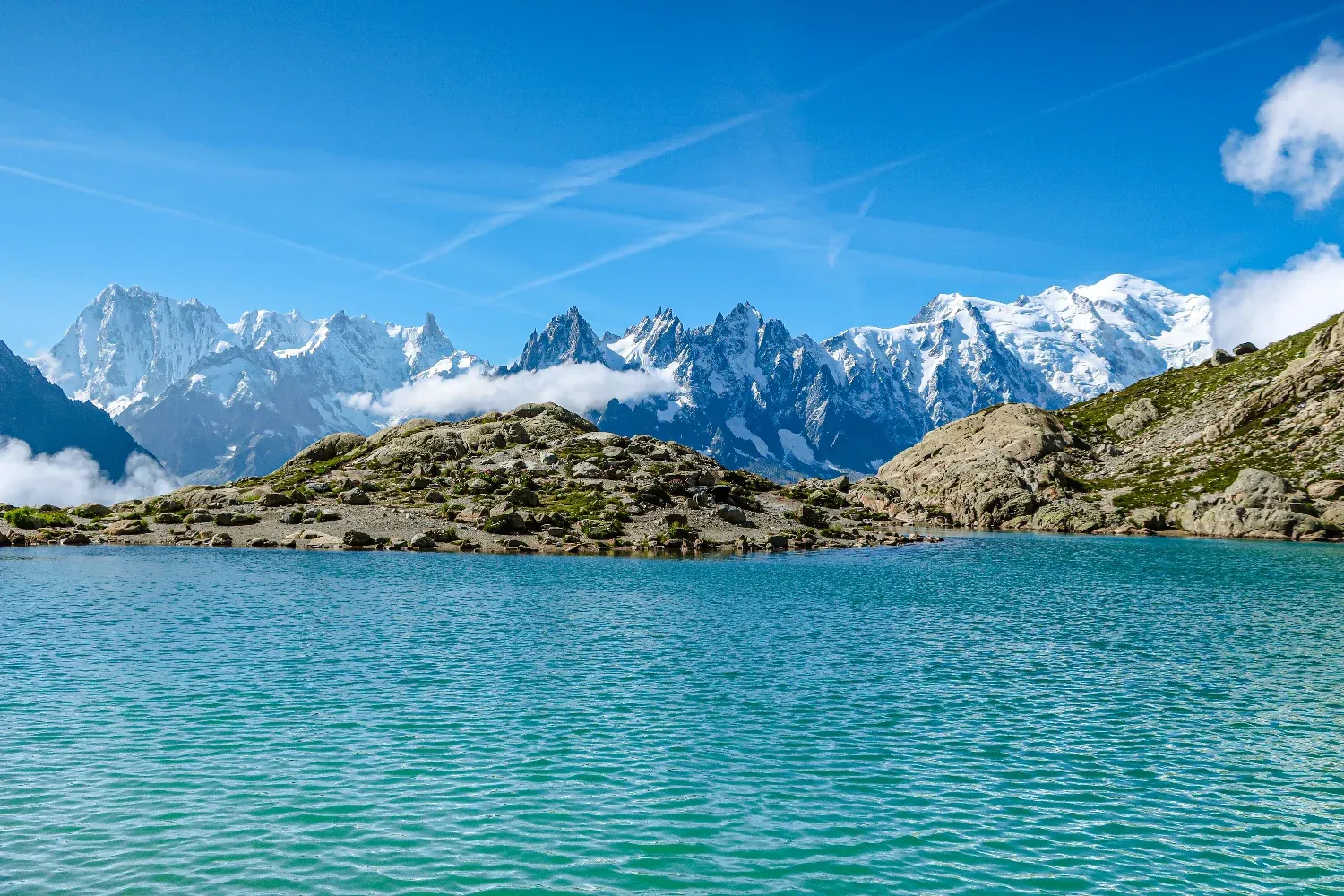
Chamonix is one of the best places to go in France for mountain scenery, skiing, hiking, and access to the Mont Blanc massif. Winter brings skiing and snow activities, while summer opens up hiking trails, cable-car excursions, and high-altitude experiences.
Its location near the borders of Switzerland and Italy also makes it possible to combine the Alps with neighbouring countries.
Top things to do:
- Aiguille du Midi: Take the cable car for panoramic Alpine views.
- Mer de Glace: Visit the glacier area via the Montenvers railway.
- Tour du Mont Blanc: Hike sections of the famous long-distance route.
- Skiing: Choose from several ski areas around the Chamonix valley.
- Courmayeur: Visit the Italian side of Mont Blanc on a longer itinerary.
- Alpine hiking: Explore marked trails according to the season and current conditions.
Read more: If you want to extend your Alpine trip across the border, 18 Hidden Gems Most Beautiful Places in Switzerland You Can't Miss highlights lesser-known Swiss destinations, scenic landscapes, and places beyond the usual tourist route.
Getting there:
Geneva Airport in Switzerland is one of the most convenient international gateways for Chamonix, with road transfers and buses available.
Don’t miss:
Aiguille du Midi on a clear morning. Mountain visibility can change quickly, so check the weather and cable-car operating conditions before travelling.
Best Places to Visit in France by Traveler Type
#1. Best for first-time visitors
Paris, the Loire Valley, and the French Riviera provide three very different experiences. Together, they cover major landmarks, chateaux, food, and Mediterranean scenery.
#2. Best for couples and romance
Paris, Provence, and the French Riviera are natural choices for couples. Provence is particularly appealing during lavender season, while the Riviera works well for coastal road trips and relaxed evenings.
#3. Best for families
Paris offers attractions for different age groups, while Normandy works well for families with older children interested in history. Chamonix is a strong option for active families during the summer months.
#4. Best for solo travellers
Lyon and Bordeaux are compact and easy to explore independently. Paris is also well suited to solo travel thanks to its extensive public transport and wide choice of cafés, museums, and neighbourhoods.
#5. Best for beaches
The French Riviera is the obvious choice for Mediterranean beaches and warmer water. Normandy offers a cooler Atlantic coast and a very different seaside experience.
#6. Best for history
Normandy is ideal for 20th-century history, while the Loire Valley focuses on medieval and Renaissance heritage. Strasbourg adds a distinctive mix of French, German, and European history.
#7. Best for food and wine
Lyon is known for traditional French cuisine, Bordeaux for wine and food, and Provence for markets, regional produce, and Mediterranean-influenced cooking.
Best Places to Visit in France by Season
Understanding the Best Places to Visit in France by season helps you match your itinerary to the experiences you actually want.
Spring - March, April, May
France in April brings milder weather, spring gardens, and comfortable conditions for exploring Paris and other cities.
France in May is one of the most versatile periods for travel. The Loire Valley gardens are colourful, Provence is full of spring flowers, and Normandy is suitable for coastal sightseeing before the busiest summer period.
March can be useful for travellers who prefer smaller crowds, although weather remains unpredictable.
Summer - June, July, August
France in June offers long days and generally favourable weather. Provence becomes especially attractive as lavender fields begin to bloom, depending on location and seasonal conditions.
France in July brings warm weather, festivals, beach holidays, and the height of the tourist season. The French Riviera and major cities can be particularly busy.
France in August coincides with the traditional French summer holiday period. Coastal resorts and Alpine destinations can be busy, while some smaller businesses may close temporarily.
A Summer Vacation in France works best when accommodation and major attractions are booked ahead.
Autumn - September, October, November
France in September is one of the most versatile periods for travelling. Temperatures are often comfortable, summer crowds begin to decline, and wine regions become particularly interesting around harvest time.
France in October can be excellent for city breaks, wine regions, and countryside trips, although weather becomes less predictable.
November is quieter in many places and can work well for food-focused city breaks and museums.
Winter - December, January, February
France in December is especially attractive for Christmas markets in Alsace and winter events in cities such as Lyon.
France in January is generally quieter than the summer period. It is a useful month for museums, food, city breaks, and Alpine skiing.
France in February can be cold but offers lower-season opportunities in many destinations. Valentine’s Day in France makes Paris and other romantic destinations more popular around February 14.
Read more: Before planning your trip, check 20 Fun Facts About France That Will Surprise You for interesting facts about French culture, history, traditions, and everyday life.
Practical Planning Tips for France
Getting around
France's high-speed rail network makes it possible to move between major cities quickly, although exact journey times and fares depend on the service and travel date.
Direct TGV services connect major cities including Paris, Lyon, Bordeaux, and Strasbourg.
For rural destinations such as Provence's villages, Loire Valley chateaux, Normandy's beaches, and Alsace's wine villages, a rental car can be more practical.
Budget
Accommodation bases
#1. Paris: Stay near a metro station rather than focusing only on being close to a landmark.
#2. Provence: Avignon and Aix-en-Provence work well as bases if you have a car.
#3. French Riviera: Nice is a practical base for exploring Cannes, Antibes, Monaco, and Menton by train.
#4. Loire Valley: Tours and Amboise are convenient bases for visiting nearby chateaux.
#5. Alsace: Strasbourg works well without a car, while Colmar is convenient for exploring the surrounding wine villages.
What to book in advance
- Eiffel Tower tickets during busy periods
- Louvre Museum entry
- Popular château visits
- TGV tickets on major routes
- Chamonix ski accommodation during winter
- Strasbourg accommodation around major Christmas market dates
- D-Day area accommodation around June 6
How to Stay Connected in France
France has extensive mobile coverage across cities and major tourist areas. Coverage can become less reliable in remote mountain areas, hiking trails, and some rural sections.
Wi-Fi is widely available in hotels, cafés, restaurants, and many public spaces. However, relying entirely on Wi-Fi can be inconvenient when navigating between cities, checking train platforms, or using maps while driving.
eSIM vs roaming in France
International roaming is convenient because you can continue using your existing number, but costs vary significantly between mobile providers and plans.
An eSIM for France can be a convenient alternative for compatible, unlocked phones. You can purchase the plan before departure, activate it according to the provider's instructions, and use mobile data after arriving.
Jetpac offers coverage across 200+ countries with one eSIM. It also offers access to essential apps such as Google Maps, WhatsApp, Uber, and Grab even after your data runs out, plus in-app voice calling with packs starting from $1.99 for 5 minutes.

When comparing the best eSIM for France, check coverage, data allowance, validity, hotspot rules, network partners, activation requirements, and total price.
Jetpac also offers selected travel benefits such as essential app access after data runs out and SmartDelay, subject to plan eligibility and terms.
Key uses for mobile data in France:
- Google Maps for city navigation and road trips
- SNCF Connect for train schedules and travel updates
- Ride-hailing apps in major cities
- Translation apps in smaller towns and rural areas
- WhatsApp and messaging
- Restaurant and attraction booking apps
If your itinerary includes several regions, an eSIM can keep your phone connected without relying on hotel Wi-Fi at every stop.
FAQs
What is the best place to visit in France?
Paris is the most comprehensive choice for a first trip because it combines major landmarks, museums, food, architecture, and neighbourhoods. Three to five days gives most first-time visitors enough time to cover the main highlights without rushing.
How many days do you need to see France properly?
Around 10–14 days allows you to combine Paris with two or three additional regions. A week works better for a focused itinerary, such as Paris and the Loire Valley or Provence and the French Riviera.
What is the best month to visit France?
May, June, September, and early October offer a useful balance of weather and sightseeing conditions. The best month depends on your itinerary: June for Provence, summer for the Riviera and Alps, September for wine regions, and December for Christmas markets.
Which places are best for first-time visitors to France?
Paris, the Loire Valley, and the French Riviera provide a broad introduction to France, covering city sightseeing, historic chateaux, food, and Mediterranean scenery.
What is the cheapest place to visit in France?
There is no single cheapest destination because costs vary by season and travel style. Lyon, Strasbourg, Bordeaux, and parts of Normandy can offer better value than Paris or the French Riviera, particularly outside peak periods.
What are the best places in France for families?
Paris, Normandy, the Loire Valley, and Chamonix can all work well for families. Choose based on the children's ages, preferred activities, transport requirements, and season.
How do I travel between destinations in France?
High-speed trains are useful between major cities. For rural areas such as Provence, the Loire Valley, Normandy, and the Alsace wine route, combining trains with a rental car can be more practical.
What is the best time to visit Paris specifically?
April, May, September, and October are good choices for travellers who want a balance of weather and sightseeing. Summer is busier, while France in February can be useful for travellers looking for lower-season city-break conditions.
Do I need an eSIM in France?
You do not necessarily need one, but an eSIM can be convenient for maps, train apps, translation, ride-hailing, and communication. Check that your phone supports eSIM and is unlocked before purchasing a plan.
What are the best cities to travel in France?
Paris, Lyon, Bordeaux, Strasbourg, and Nice are among the most useful city bases for different travel styles. Paris suits first-time visitors, Lyon food lovers, Bordeaux wine travellers, Strasbourg culture seekers, and Nice travellers exploring the Mediterranean coast.
Disclaimer
This blog is for educational and general travel-planning purposes only. Information about attractions, opening times, transport connections, prices, seasonal conditions, and travel services is based on information available at the time of writing and may change. Always verify details with official tourism sources, attraction websites, transport operators, and service providers before travelling. Jetpac is not responsible for inaccuracies, changes, losses, or issues arising from reliance on this information.