
France Travel Guide 2026: Costs, Routes, Safety and More
Regional transit runs smoothest via high-speed rail rather than rental cars. Daily budgets range from €70 for backpackers to €190 for mid-tier stays. Reserving timed attraction tickets online and securing local bistro tables days ahead prevents long waits during peak hours.

Planning your next European getaway should feel exciting, not overwhelming. From iconic landmarks to quiet coastal towns, this historic destination offers endless charm for every traveler.
Taking the time to plan a trip to France ensures you experience the best of local culture and world-famous cuisine.
This France travel guide makes it easy to choose the best time to visit France based on your travel style. Good preparation helps you build a memorable France travel itinerary across every region in 2026.
France at a Glance
Why Visit France?
Few destinations bring together iconic art, dramatic landscapes, and unmatched culinary traditions as effortlessly as France.
You can sip wine in ancient vineyards, wander through alpine valleys, or relax on sun-drenched Mediterranean beaches, all in a single journey.
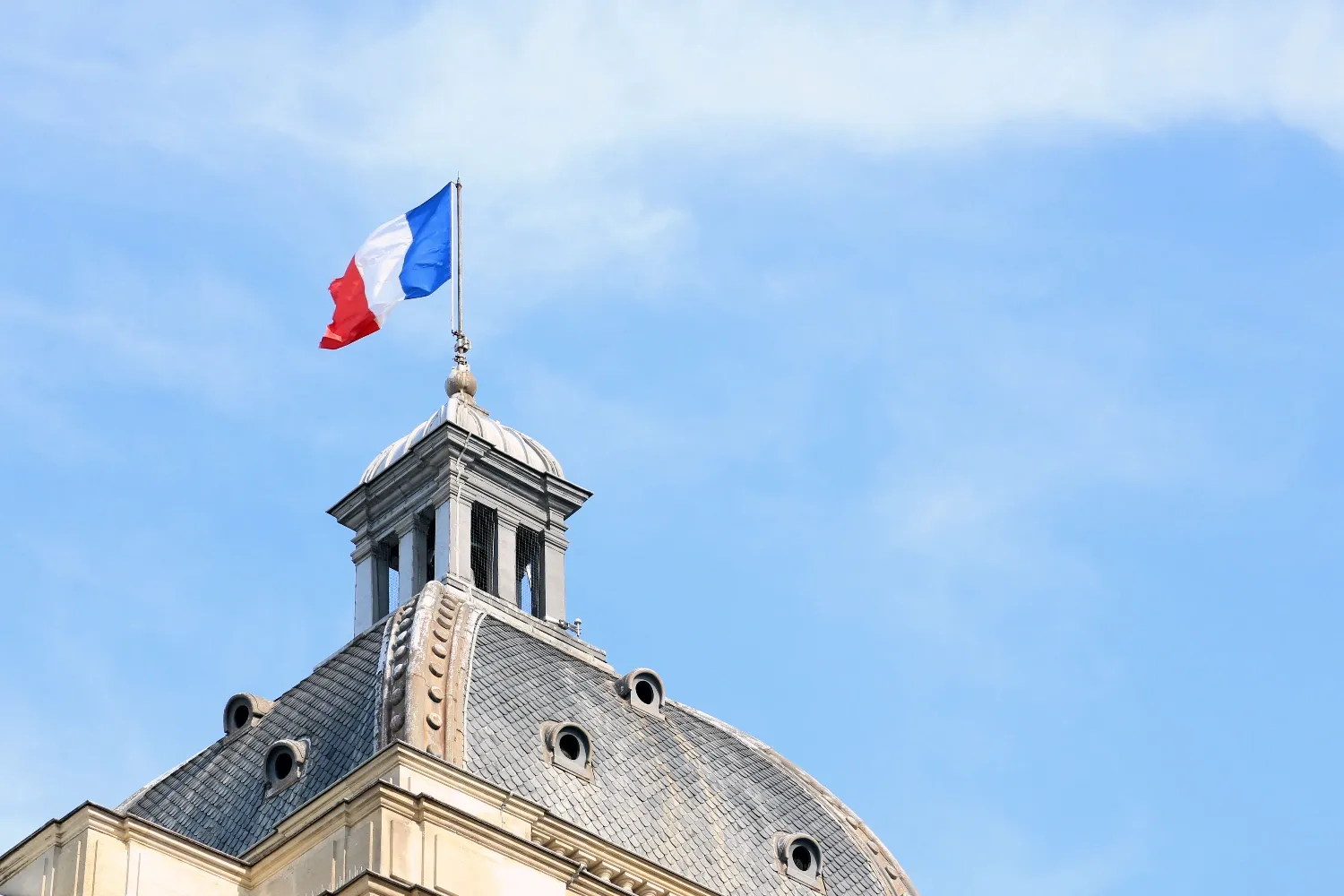
What sets the country apart is how deeply heritage is woven into everyday life. Whether you are browsing fresh village markets, exploring grand châteaux, or enjoying a slow cafe coffee, France turns ordinary moments into unforgettable experiences.
Deciding on the best time to visit France will ensure you experience these local charms in the perfect seasonal setting.
Read more: Curious about unique cultural quirks and fascinating history? Discover intriguing facts about famous landmarks, culinary traditions, and local heritage. Read our blog 👉 20 Fun Facts About France That Will Surprise You
8 Best Places to Visit in France
Finding the best places to visit in France depends on your travel style, but these top destinations capture the ultimate essence of the country:
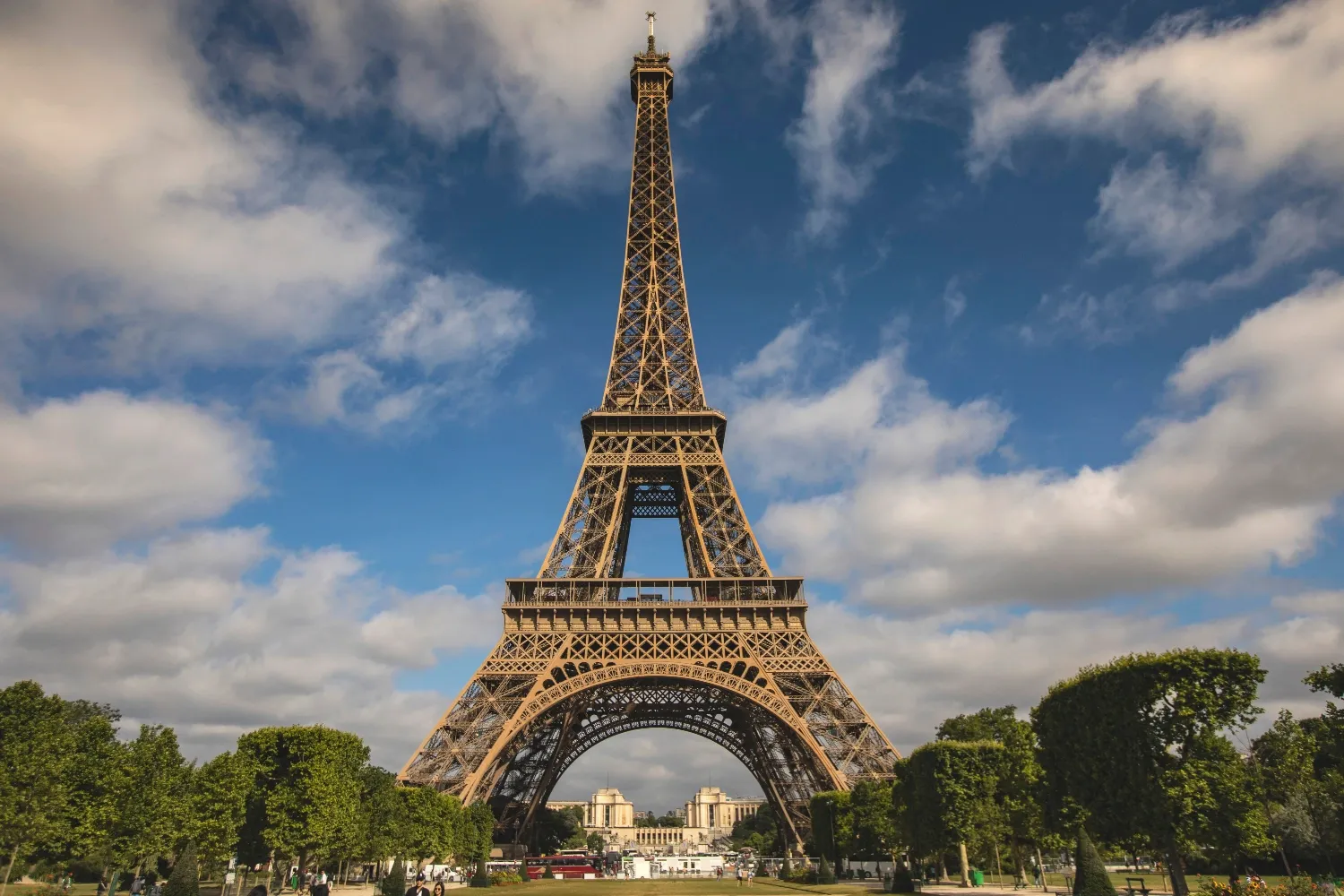
#1. Paris: The romantic capital offers world-class museums like the Louvre, historic neighborhoods such as Montmartre, and famous monuments like the Eiffel Tower and Notre-Dame Cathedral.
#2. French Riviera (Côte d'Azur): Highlights include the coastal cities of Nice, Cannes, and Antibes, known for pebble beaches, Mediterranean luxury, and picturesque hilltop towns like Èze.
#3. Provence: Famous for lavender fields, olive groves, Roman ruins in Arles and Nîmes, and charming countryside villages such as Gordes.
#4. Loire Valley: A UNESCO World Heritage region dotted with grand Renaissance châteaux like Château de Chambord and Château de Chenonceau.
#5. Alsace: Known for timber-framed houses, medieval towns like Colmar and Strasbourg, and scenic wine routes near the German border.
#6. Bordeaux & Dordogne: The world capital of wine, featuring classic limestone architecture, river cruises, and prehistoric cave art in the surrounding valleys.
#7. Normandy & Brittany: Coastal regions rich in history, featuring Mont-Saint-Michel, the WWII D-Day landing beaches, and dramatic sea cliffs.
#8. French Alps: Home to Mont Blanc, Chamonix, and Lake Annecy, offering outdoor sports and mountain vistas.
Read more: Planning an extended stay in the French capital? Master urban transport, explore neighborhood cafes, and uncover iconic sights effortlessly. Read our blog 👉 Paris Travel Guide: Explore the City of Light Like a Local
7 Things to Do in France
There are endless things to do in France regardless of the season. Here are the top activities to add to your itinerary:
#1. Sightseeing: Climb to the top of the Eiffel Tower, explore the Palace of Versailles, and marvel at the historic island monastery of Mont-Saint-Michel.
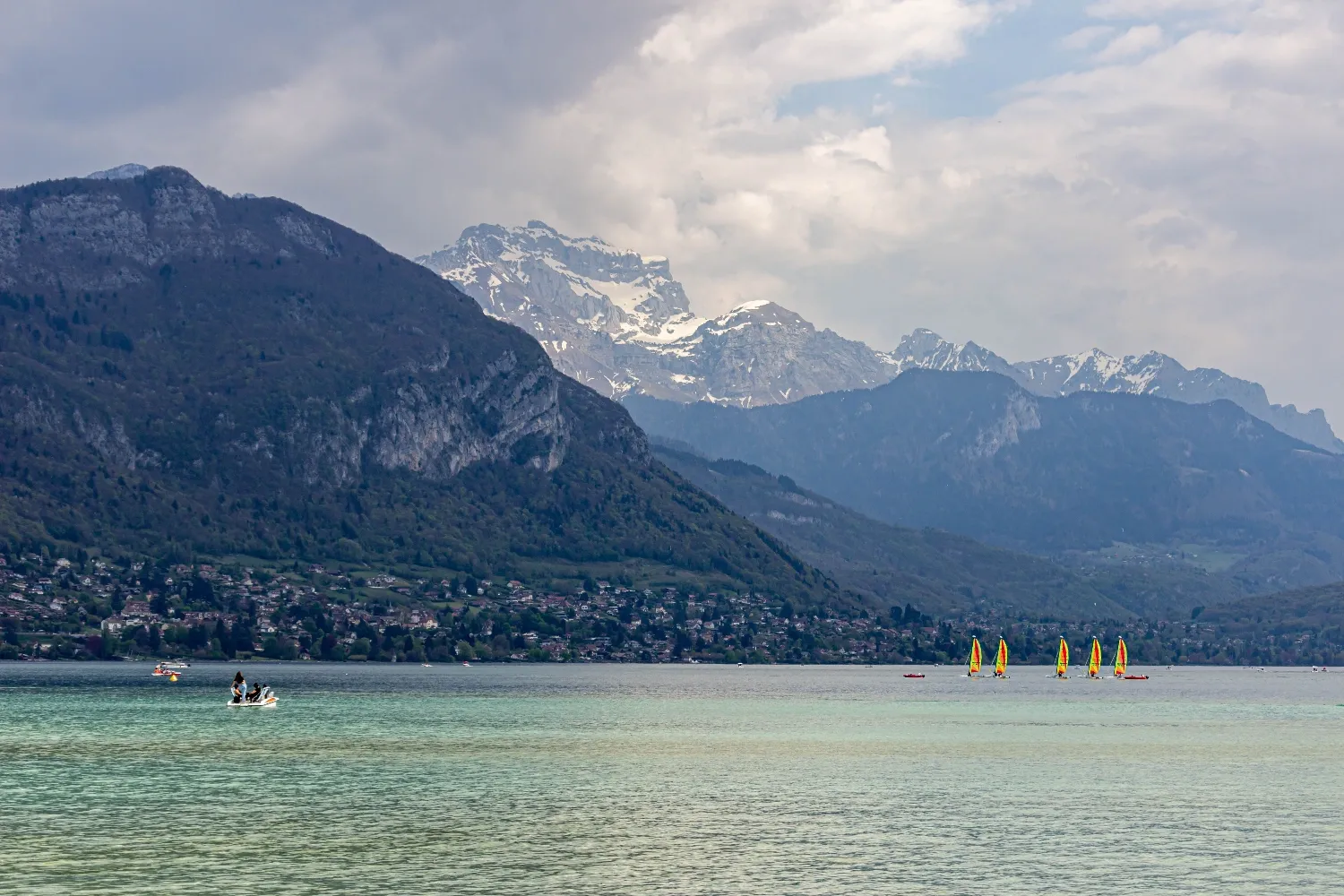
#2. Outdoor Activities: Hike around Lake Annecy, ski in the French Alps, ride bicycles through the Loire Valley châteaux, or kayak down the Verdon Gorge.
#3. Cultural Experiences: Browse masterworks inside the Musée d'Orsay, explore Roman amphitheaters in Nîmes, and attend classical concerts inside historic cathedrals.
#4. Food Experiences: Take a croissant baking class in Paris, enjoy a wine tasting tour in Bordeaux or Champagne, and shop at open-air food markets in Provence.
#5. Nightlife: Experience classic cabaret shows in Paris, visit waterfront lounge bars in Cannes, or enjoy historic jazz clubs in the Latin Quarter.
#6. Family Activities: Spend a day at Disneyland Paris, visit interactive aquariums in Saint-Malo, or ride the giant mechanical animals at Les Machines de l'Île in Nantes.
#7. Free Things to Do: Walk along the Seine River, relax in the Luxembourg Gardens, admire public street art, and visit stunning parish churches nationwide.
Best Time to Visit France
Choosing the best time to visit France comes down to balancing weather and crowd levels.
Spring (April to May) and autumn (September to October) bring pleasant temperatures and fewer tourists, making shoulder season the best time to travel to France for comfortable sightseeing.
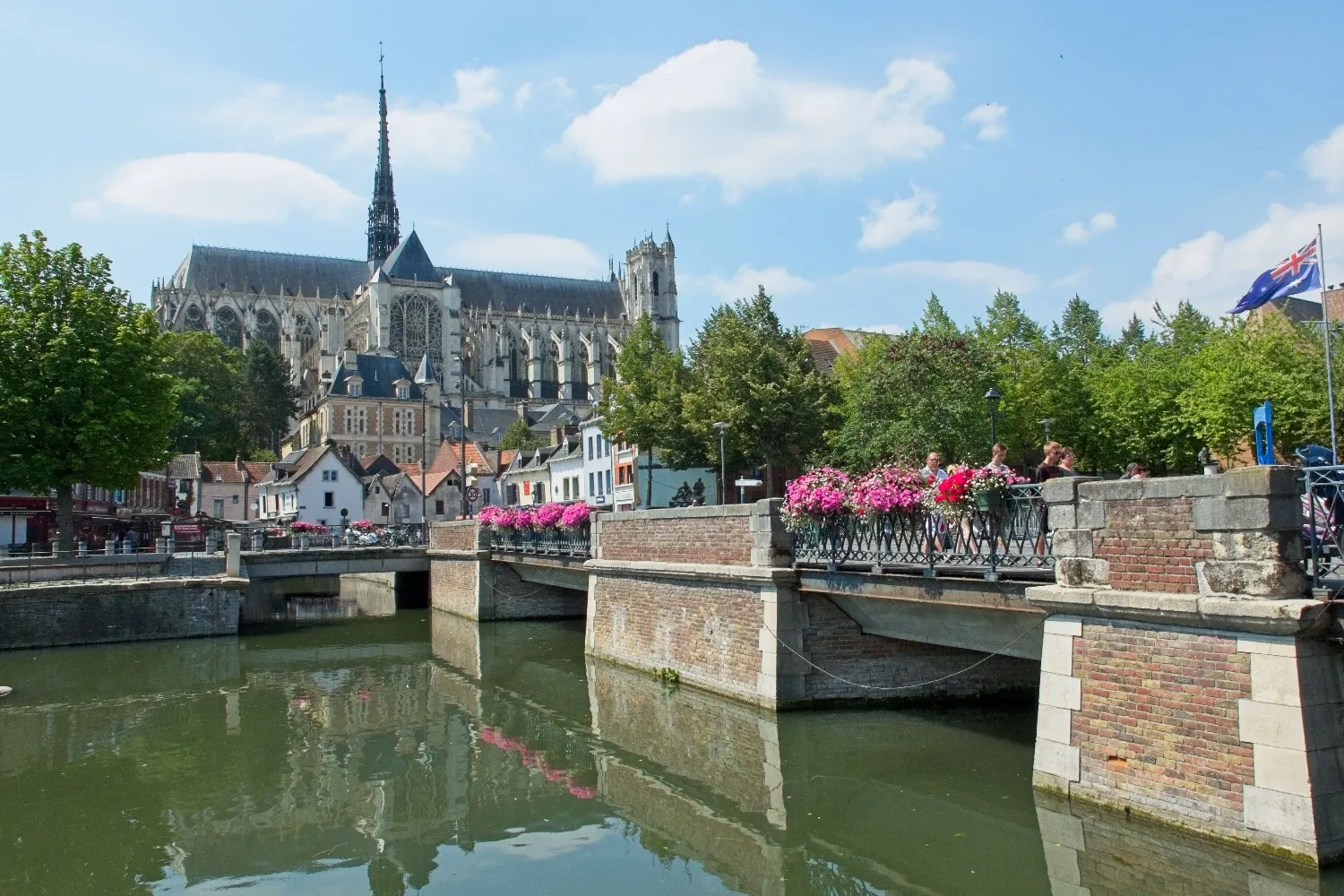
Summer (June to August) brings long sunny days and coastal beach weather, but it also brings peak hotel prices and heavy crowds. Winter (November to March) gets chilly in the north, yet it is ideal for festive Christmas markets and alpine skiing.
How Many Days Do You Need?
A 2- to 3-day trip works well for a fast Paris city break. With 5 days, you can explore Paris and add a quick day trip to Versailles or Champagne.
A 7-day stay gives you enough time to explore one specific region thoroughly, such as Normandy or the French Riviera.
If you have 10 to 14 days, you can build a multi-region France travel itinerary that links Paris with the countryside and southern coast by train.
Read more: Looking to expand your European vacation across multiple countries? Explore regional transport options, budget categories, and top destinations continent-wide. Read our blog 👉 Europe Travel Guide: Places, Costs, Transport and More
France Itinerary Ideas
Here are a few quick trip concepts to help you plan a trip to France:
France Travel Cost & Budget
Budgeting accurately makes planning a trip to France stress-free. Prices below reflect standard 2026 rates across three main travel styles:
Credit and debit cards are accepted almost everywhere, including metro gates and bakeries. Keep around €20 in cash for small rural purchases.
Visa & Entry Requirements
If you are wondering, “do you need a visa to travel to France,” the answer depends on your citizenship.
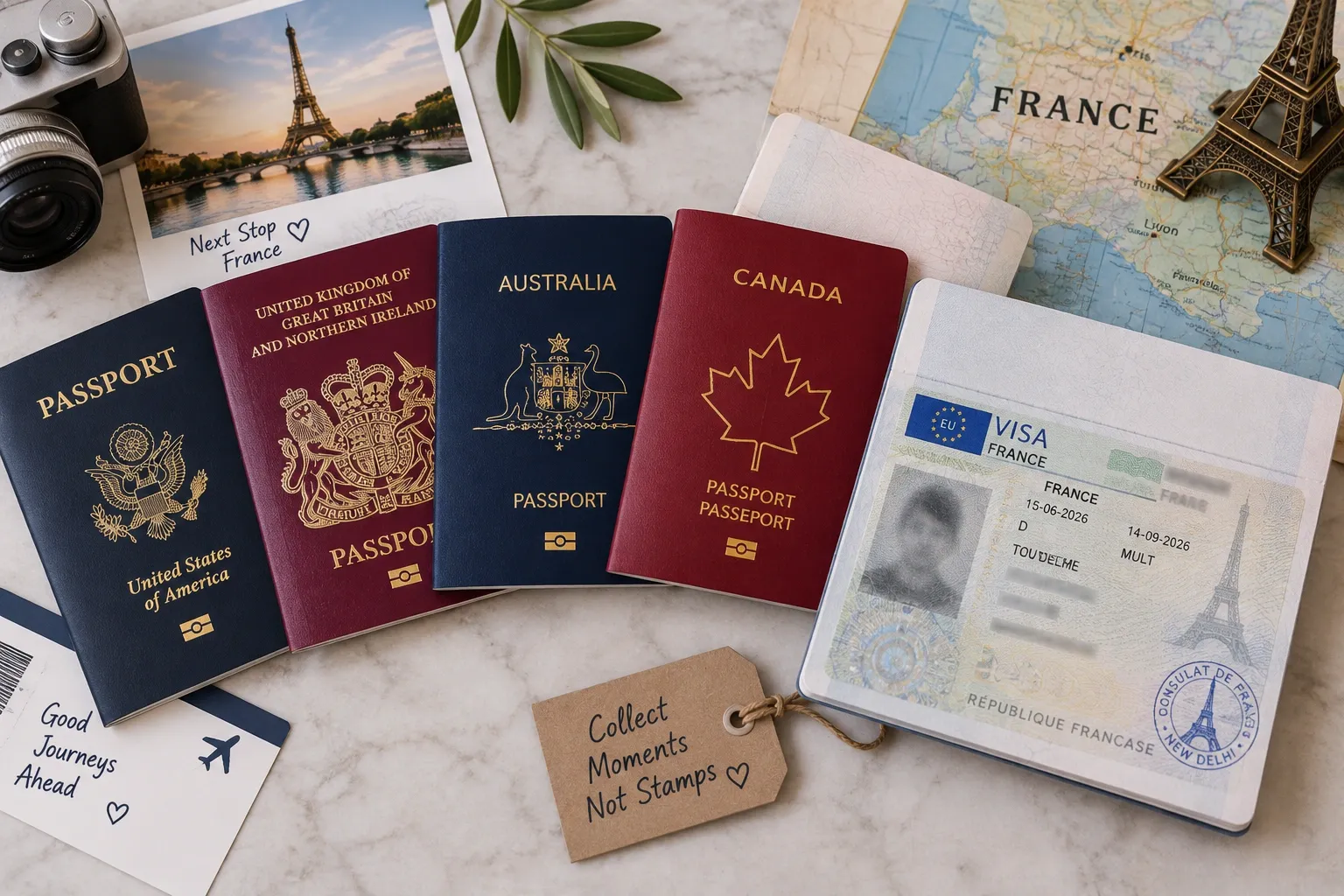
US, Canadian, British, and Australian passport holders can enter the Schengen zone for up to 90 days within a 180-day period without a short-stay visa. Your passport must be valid for at least 3 months beyond your planned departure date.
Keep in mind that entry policies update regularly. Always check the official France-Visas government portal to verify entry requirements before finalizing your bookings.
How to Get Around France
Taking high-speed TGV trains is the best way to travel France between major cities.
You can zip from Paris to Lyon in just two hours or reach Marseille in three hours without the hassle of airport security. Regional TER trains connect smaller surrounding towns smoothly.
Inside big cities, metro and tram networks make getting around France effortless. Renting a car is the best way to travel France only if you plan to explore rural countryside regions like Provence or Alsace. Avoid driving inside downtown Paris.
Read more: Considering another classic European destination for your next trip? Discover scenic driving routes, local train options, and coastal itineraries. Read our blog 👉 Ireland Travel Guide: The Ultimate Itinerary for First-Time Visitors
Where to Stay in France
In Paris, central neighborhoods like Le Marais or the Latin Quarter place you within walking distance of major sights.
Every France travel guide will tell you that Montmartre offers romantic streets and lower prices, though it sits further north from the city center.
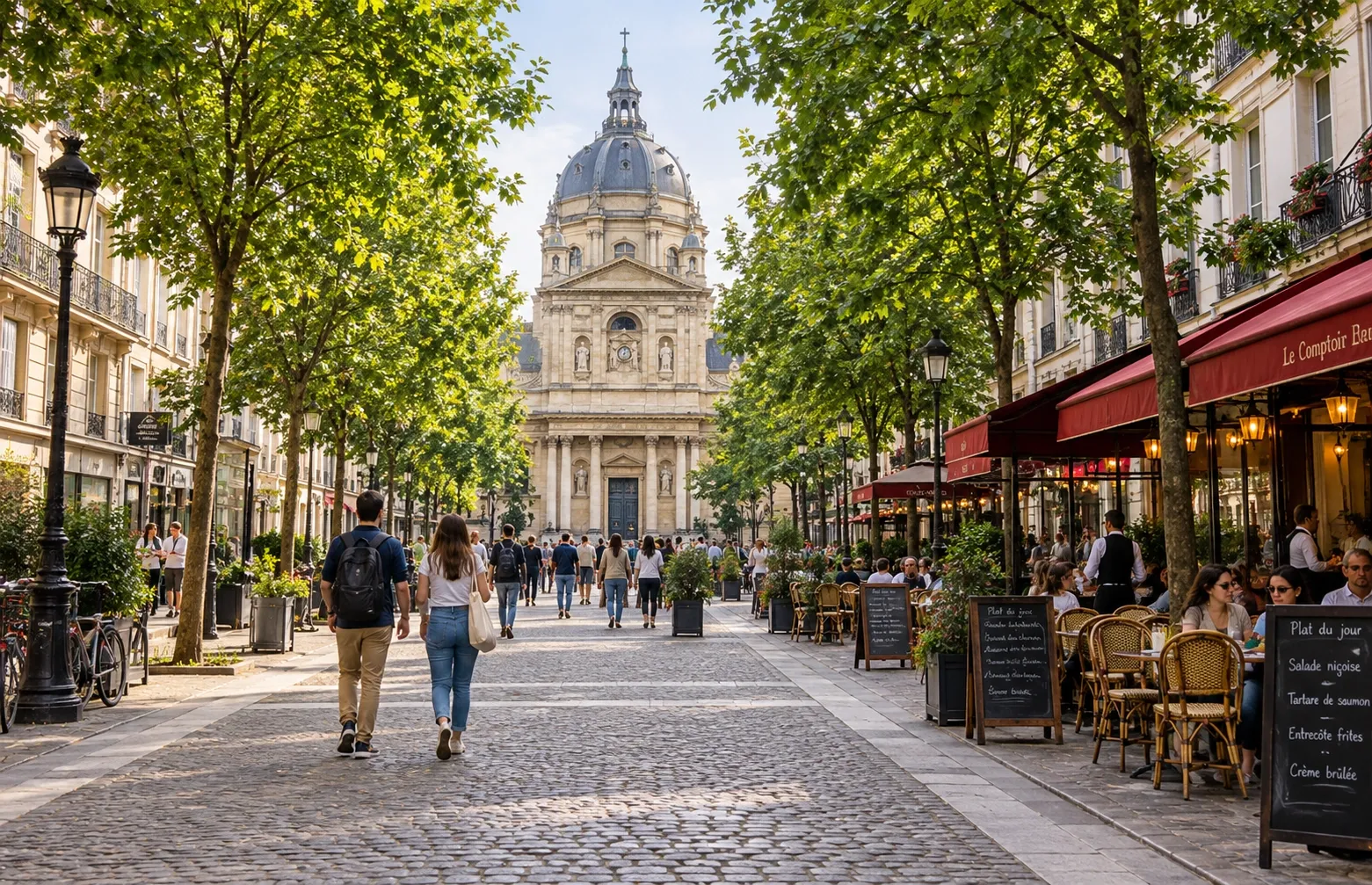
When visiting the French Riviera, Nice makes the best overall transit base with options across all budget levels. Look for accommodation located within a 10-minute walk of a metro or train station to keep your daily travel simple.
Food & Culture in France
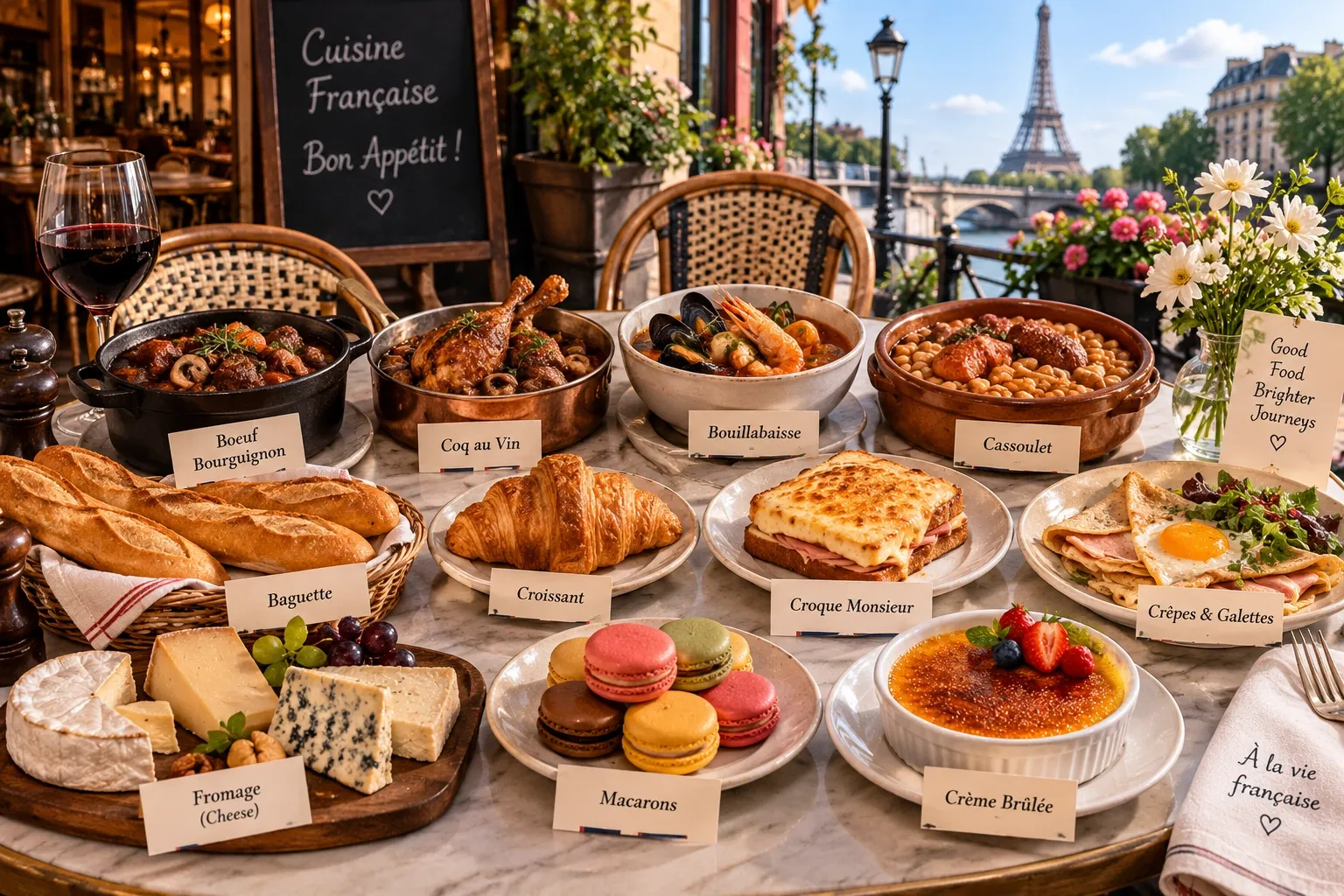
French dining revolves around quality fresh ingredients. Tasting classic dishes like fresh baguettes, escargots, duck confit, and regional cheeses is one of the most essential things to do in France.
Lunch typically runs from 12:00 PM to 2:00 PM, while dinner begins around 7:30 PM. Outside these hours, look for brasseries offering continuous food service.
Politeness matters in everyday culture. Always greet shopkeepers with a simple "Bonjour" during the day or "Bonsoir" in the evening before asking questions. Service charge is included on restaurant bills, but leaving a small cash tip for great service is always appreciated.
5 Essential Travel Tips When You Are in France
These practical France travel tips will help you avoid common trip mistakes:
#1. Book Attractions Early
Reserve timed tickets online for top attractions like the Louvre, Eiffel Tower, and Versailles well in advance to skip long lines.
#2. Watch for Tourist Traps
Avoid restaurants right next to major monuments displaying photo menus in multiple languages. Walk 2 to 3 blocks away for authentic local bistros.
#3. Learn Basic French
Phrases like "S'il vous plaît" (please), "Merci" (thank you), and "Excusez-moi" (excuse me) go a long way.
#4. Restaurant Reservations
Reserve tables a few days ahead for popular dinner spots, especially on weekends.
#5. Validation
Always validate paper train tickets at yellow machines before boarding regional trains to avoid fines.
Applying these straightforward France travel tips makes navigating daily logistics stress-free.
What to Pack for France
Use this baseline packing list for France to stay comfortable across seasons:
- Clothing: Versatile layers, comfortable casual wear, and a smart outfit for evening dining.
- Shoes: Broken-in, comfortable walking shoes or sneakers for cobblestone streets.
- Weather Gear: A light rain jacket and compact umbrella. Pack a warm coat, scarf, and gloves for late autumn or winter trips.
- Electronics: Type C/E plug adapter, portable power bank, and charging cables.
- Essentials: Travel documentation, health insurance card, prescription medications in original bottles, and a crossbody anti-theft day bag.
Staying Connected with Internet in France
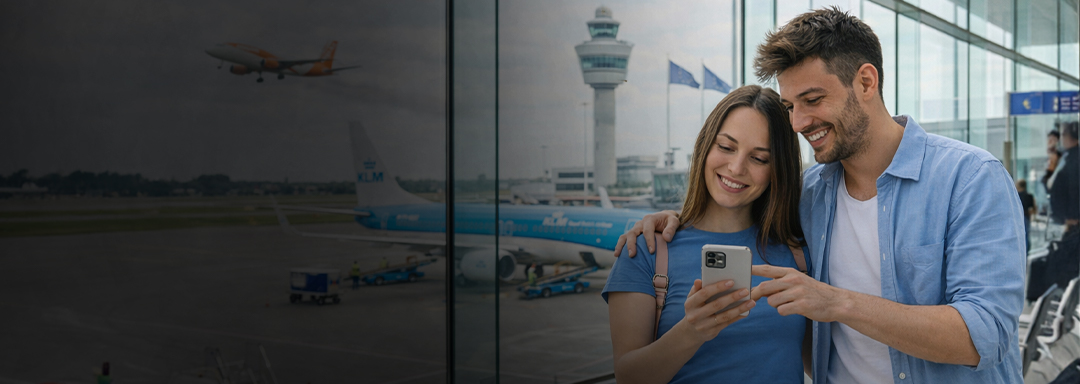
Staying online across France requires reliable connectivity. Public Wi-Fi works in cafes, but mobile data provides essential security for navigation and translation.
While carrier roaming daily fees stack up and local SIMs require passport registration, a Jetpac France eSIM delivers instant local data while saving up to 70% compared to standard carrier rates.
Most travelers use 1GB to 2GB daily for maps and browsing while touring the best places to visit in France. Selecting the best eSIM for France helps avoid sudden drops in coverage.
Preparing a Jetpac eSIM for France in advance ensures continuous navigation and offline map access if primary cellular signals temporarily weaken.
Useful Travel Apps & Resources
Download Citymapper or Google Maps for urban transit routes, and SNCF Connect for booking train tickets. Translation apps like DeepL make reading local menus simple.
Many travelers ask, “will my phone work in France?” Yes, as long as your phone is unlocked, you can download a digital eSIM profile or buy a local SIM card upon arrival. Using an eSIM is often the easiest option when you plan a trip to France in 2026.
Safety & Emergencies
France is a safe country for travelers, but basic awareness goes a long way. This France travel guide recommends staying alert, as pickpocketing is the most common issue in crowded areas like metro stations, major tourist plazas, and street markets.
Keep your phone and wallet in secure front pockets or zipped bags.
When planning things to do in France, beware of common street scams, such as petitions or people offering unprompted friendship bracelets. In case of a serious emergency, dial 112 for assistance.
Always purchase comprehensive travel insurance before your trip to cover unexpected delays or medical needs.
Read more: Staying updated on European travel advisories and security rules? Check essential safety guidance, protest precautions, and local emergency updates. Read our blog 👉 France Travel Advisory: Latest Safety Updates Explained
FAQs
What should I know before traveling to France?
Always greet shopkeepers with a simple "Bonjour" before asking questions. This France travel guide also recommends validating paper transit tickets and carrying a small amount of cash for smaller purchases.
How many days are enough to visit France?
A 7- to 10-day trip gives you enough time to experience top things to do in France, allowing you to explore Paris alongside one regional area like Normandy or Provence.
What should I book in advance for France?
Reserve timed entry tickets online for major Paris sights like the Louvre and Eiffel Tower. You should also book high-speed TGV train tickets early to secure lower prices in 2026.
Do I need to rent a car in France?
High-speed trains are the best way to travel France between major cities. Renting a car is only necessary when exploring rural countryside regions like Provence, Alsace, or the Loire Valley.
Can I use credit cards and ATMs in France?
Yes, credit and debit cards are accepted almost everywhere across France, including metro gates and bakeries. ATMs are widely available, but you should keep €20 in cash for emergency rural purchases.
Do I need to speak the local language in France?
You do not need to be fluent, but learning basic polite phrases goes a long way. Using "Bonjour" (hello), "S'il vous plaît" (please), and "Merci" (thank you) makes local interactions smoother.
Does my phone work in France, and do I need an eSIM?
Unlocked phones work seamlessly on local networks. Selecting the best eSIM for France depends on your data needs, but Jetpac is generally considered a solid option to avoid high carrier roaming fees in 2026.
What are the most common tourist mistakes or scams to avoid in France?
The most common mistakes include eating at restaurants directly beside major monuments and ignoring pickpocket warnings on the metro. Reviewing practical France travel tips helps you stay alert in crowded tourist spots.
Disclaimer
The information in this blog is based on travel data and local information available to the Jetpac team at the time of writing in 2026. Entry requirements, local rules, fees, and travel details are subject to change without notice. We recommend checking official government and tourism websites before travelling. Jetpac is not responsible for any changes or travel outcomes based on this content.