Best Time to Visit France: A Month-by-Month Travel Guide
Find the best time to visit France for beaches, sightseeing, wine, skiing, lavender, and festivals, with a month-by-month guide to weather, crowds, and prices.

The best time to visit France depends on region, budget, and what you plan to do. May to June and September to October work for most travelers, but skiers, beach lovers, lavender seekers, and Christmas market visitors each have a different ideal window.
This covers all twelve months, five regions, and key experiences to help you plan with confidence.

When Is the Best Time to Visit France?
The best time of year to visit France is May to June or September to October. These shoulder months combine warm weather with fewer crowds and hotel rates 20 to 30 percent below peak summer.
When is the best time to visit France for beaches? June through August. For budget travel? January and February deliver the lowest prices of the year.
France Weather and Travel Seasons
France spans Atlantic, Mediterranean, Alpine, and continental climate zones. Météo-France records show Paris averaging 7°C in January and 25°C in July, with the Côte d'Azur staying warmer year-round.
Peak Season
- Months: July to August
- Weather: 24-30°C in Paris; 26-30°C along the Riviera coastline; inland Provence regularly exceeds 35°C
- Crowd level: Maximum nationally across Paris, Provence, and the Riviera
- Prices: Annual peak for flights and accommodation across all major destinations
- Booking difficulty: Riviera properties require booking 6-12 months ahead; Paris 3-4 months
- Who should visit: Beach travelers, festival-goers, and families tied to school holidays
Shoulder Season
May to June and September to October are a good time to visit France for most visitors. Weather is warm and settled, queues shorten significantly at major sites, and accommodation runs 20% to 30% below August.
It is the best time to travel to France for a balance of access, pricing, and experience across all regions.
Low Season
- Months: November to March outside ski resorts
- Benefits: Lowest hotel rates of the year; emptiest museums; authentic local atmosphere in cities
- Trade-offs: Some coastal and rural businesses close from November; short winter daylight in December and January
- Best for: Budget Paris trips, skiing in the Alps, Christmas markets in Alsace
Read more: Planning France in detail raises questions on costs, transport, safety, and routes that go beyond what seasonal timing alone covers. 👉 France Travel Guide 2026: Costs, Routes, Safety and More
Best Time to Visit France by Season
Spring in France - March to May
- Typical weather: 10-21°C; March still cool and occasionally wet; May warm and mostly sunny
- Crowds: Low to moderate; building from late April through school holiday periods
- Costs/value: 20-30 percent below summer; May is the strongest value month of the year
- Best places: Paris (gardens in bloom), Loire Valley châteaux, Alsace villages, Dordogne
- Best activities: Château visits, cycling, garden tours, Paris sightseeing without queues
- Major disadvantages: March remains cool for beach travel; Easter week brings short hotel price spikes
- Best for: First-time visitors, couples, cultural city breaks, outdoor walks
The best time of year to travel to France for a balance of warmth, value, and accessibility falls in May. It is also the best time of year to visit France for those wanting a relaxed pace without high-summer costs or queues.
Summer in France - June to August
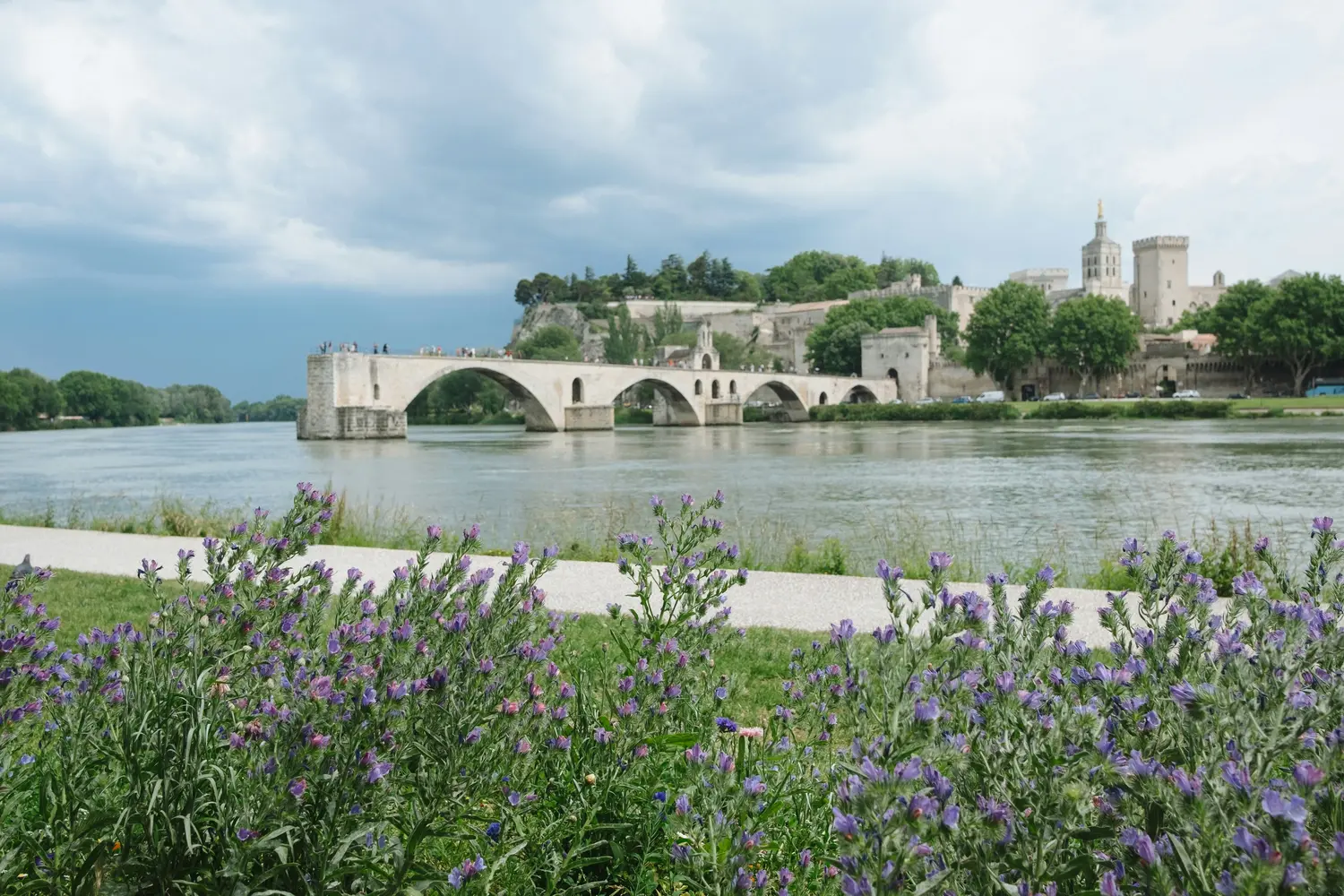
- Typical weather: 22-30°C in Paris; 26-30°C along the Riviera coastline; inland Provence regularly above 35°C
- Crowds: Peak nationally; Paris, Riviera, and Provence at their most congested
- Costs/value: Annual peak; accommodation and flights at highest annual rates
- Best places: Côte d'Azur, Provence lavender plateau (late June to mid-July), Brittany coast, Bordeaux
- Best activities: Swimming, lavender touring, Bastille Day celebrations, outdoor dining
- Major disadvantages: Severe overcrowding at top attractions; Paris queues at their worst; intense heat inland
- Booking considerations: French school holidays run from approximately July 4 to September 1 in 2026, driving domestic tourism sharply upward alongside international peak demand. A summer vacation in France along the Riviera should be booked by February at the latest.
- Best for: Beach travelers, festival visitors, families with fixed school holidays

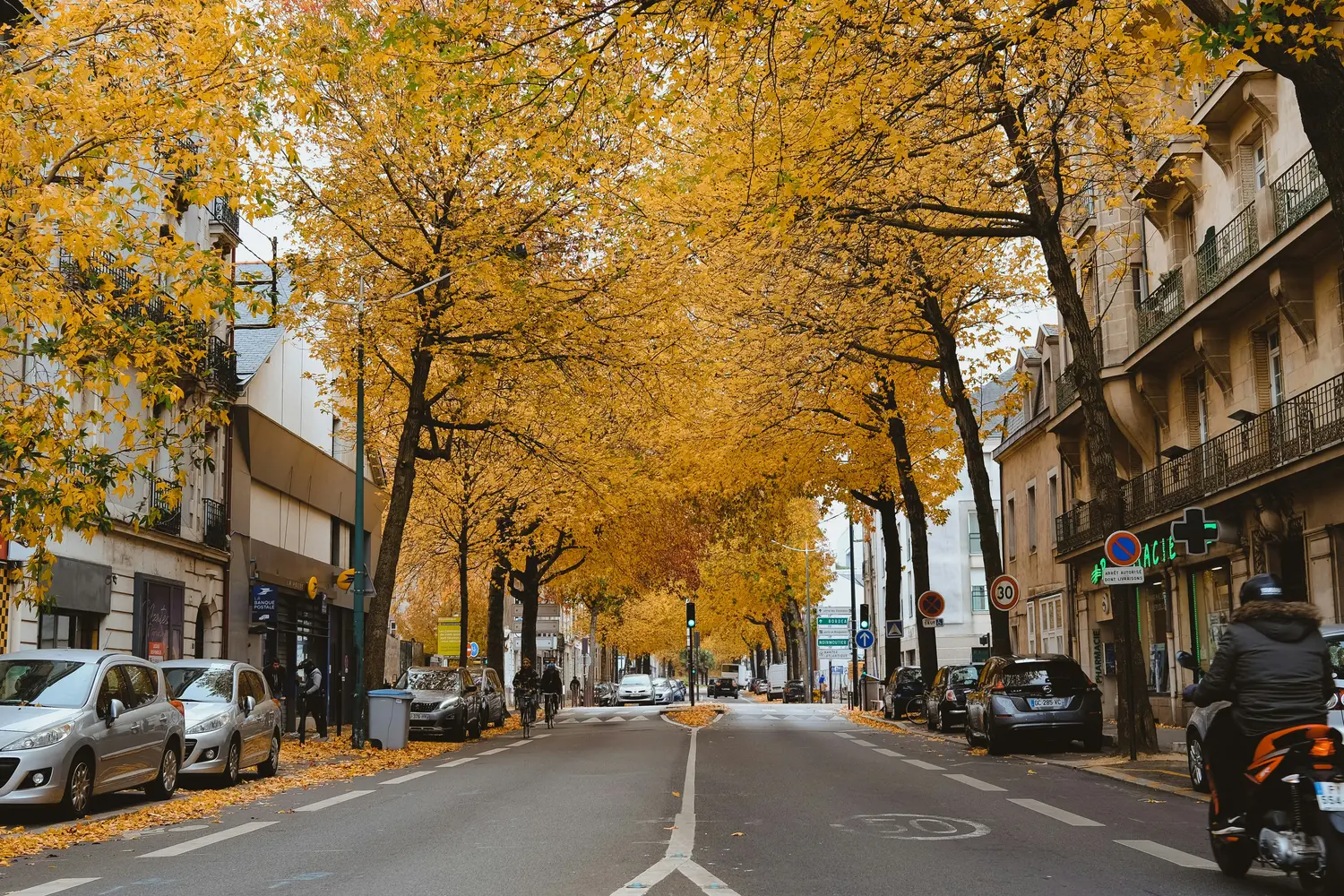
Autumn in France - September to November
- Typical weather: 18-22°C in September, cooling to 7-10°C by November; reliable sunshine through October
- Crowds: Drop sharply from September 1; very low by October across most regions
- Costs/value: 20-30 percent below summer from mid-September; strong value across all destinations
- Best places: Burgundy, Bordeaux, Champagne (wine harvest), Alsace, Paris
- Best activities: Wine harvest, truffle market visits (from November), foliage walks, cycling
- Major disadvantages: November turns wet and grey across northern France; some businesses reduce hours
- Best for: Food and wine travelers, couples, budget-focused visitors
The best time to go to France for harvest travel consistently falls between late September and mid-October.
Winter in France - December to February
- Typical weather: 4-8°C in Paris; sub-zero in the Alps; Mediterranean coast mild at 10-14°C
- Crowds: Low in cities outside Christmas week; peak at ski resorts January through March
- Costs/value: Cheapest Paris hotel rates of the year in January and February
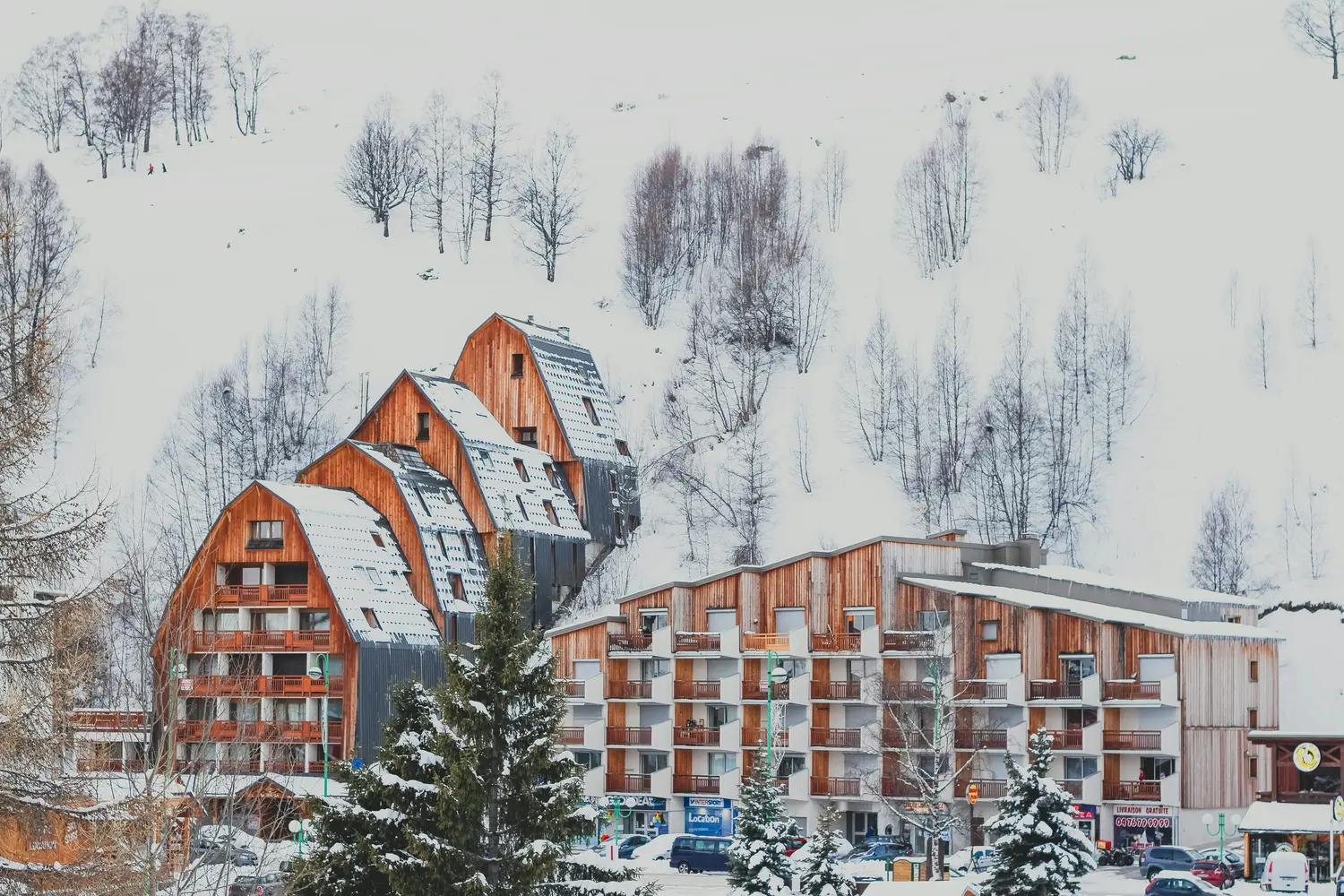
- Best places: Chamonix and Courchevel (skiing); Strasbourg and Colmar (Christmas markets); Nice (mild coastal alternative)
- Best activities: Skiing, Christmas market visits, museum breaks in Paris, Nice Carnival in February
- Major disadvantages: Short days; many coastal and rural businesses closed; beach destinations largely inaccessible
- Best for: Skiers, budget Paris visitors, Christmas market travelers
The best time to visit the south of France as a quiet, low-cost coastal option is January through February in Nice.
Read more: Paris rewards dedicated planning well beyond what any general France resource provides. This guide covers neighborhoods, transport, and what to prioritize on arrival. 👉 Paris Travel Guide: Explore the City of Light Like a Local
France Month-by-Month Guide
Understanding weather by month in France helps narrow your options quickly. The table below covers the key details you need to decide whether any given month is a good time to visit France.
Best Time to Visit Different Regions of France
Best Time to Visit Paris
April through June and September through October are the best times to travel to France for a Paris-focused visit. January and February deliver the lowest hotel rates and shortest museum queues.
The best places to visit in France cluster heavily in and around Paris, making shoulder seasons particularly rewarding for first-time visitors.
Best Time to Visit Provence
May and September are the strongest months. Late June through mid-July delivers lavender in full bloom across the Valensole plateau, but fields are typically harvested by late July and daily temperatures frequently exceed 35°C through August.
The best time of year to visit France for Provence without intense heat is May or September, when temperatures sit comfortably between 20-25°C.
Best Time to Visit the French Riviera
May and mid-September are the best times to visit south of France coastal destinations.
May delivers pleasant air temperatures with accommodation running 15-20 percent below July, though sea temperatures at around 19-20°C are cool for extended swimming.
September brings post-peak calm with Mediterranean sea temperatures above 23°C and far fewer visitors. July and August are viable but require booking 6-12 months ahead for prime Riviera properties.
Best Time to Visit the French Alps
December through March for skiing across Chamonix, Courchevel, and Val d'Isère. July to early September for hiking, with high passes fully clear of snow from mid-July.
The best time of year to travel to France for Alpine walking falls between late June and late August when daylight extends past 8pm.
Best Time to Visit Normandy
April through September suits Normandy's Atlantic climate best, and April through June is the best time of year to travel to France for Normandy's coastal and heritage sites.
The weather by month France varies considerably in Normandy, with rain peaking between October and February when many smaller coastal businesses also reduce hours.
Read more: France connects naturally into multi-country European itineraries. This guide covers routes, costs, and transport for France as part of a wider European trip. 👉 Europe Travel Guide 2026: Places, Costs, Transport and More
Best Time to Visit France for Different Experiences
Best Time for Sightseeing
May and September. When is the best time to visit France for Paris sightseeing specifically? Both shoulder months deliver significantly shorter queues at the Louvre, Versailles, and Eiffel Tower compared to July and August.
The best time of year to visit France for sightseeing rewards those who avoid the July-August window entirely.
Best Time for Beaches
June to August on the Atlantic coast; May to mid-October on the Mediterranean. Early June on the Riviera gives warm air temperatures with accommodation running 20 to 30 percent below August peak.
Best Time for Hiking and Outdoor Activities
April to June for Loire Valley, Dordogne, and Provence trail walks. July and August at altitude in the Alps and Pyrenees once high-level routes clear fully of winter snow.
Best Time for Festivals and Events
July for Bastille Day and the Avignon Theatre Festival. May for Cannes Film Festival. February for Nice Carnival. Late November through late December for Alsace Christmas markets.
Best Time for Food and Wine
September and October. Burgundy, Bordeaux, Champagne, and Alsace harvest seasons run through this window, and this period is consistently regarded as the best time to travel to France for food and wine enthusiasts.
It is a genuinely good time to visit France if local markets and wine culture are a priority. Périgord truffle markets open from November onward.
Best Time for Skiing
January and February are the best time to go to France specifically for Alpine skiing in Chamonix, Courchevel, and Val d'Isère. Late January through March typically delivers the strongest snow base before spring melt begins at lower altitudes.
When is the Cheapest Time to Visit France?
The best time to go to France at the lowest cost is January or February for city visitors. Paris hotels run 30% to 40% below August during these months while all museums and attractions remain fully open year-round.
November is the strongest late-season budget window before December market pricing builds. March offers early spring conditions at still-low shoulder rates.
January and February represent the best time to visit France for anyone prioritizing value above warmth or long daylight hours.
Do I need a visa to travel to France? EU citizens travel freely. UK, US, and Australian nationals enter visa-free for stays under 90 days within a 180-day Schengen window.
Confirm current requirements with the French Embassy before booking.
Major Festivals and Events to Consider
Nice Carnival - February
Nice Carnival runs for approximately two to three weeks along the Promenade des Anglais. Book Riviera accommodation 3 to 4 months ahead as coastal hotels fill quickly during carnival dates.
Cannes Film Festival - May
The festival brings global film industry visitors to the Côte d'Azur each May. Hotels from Cannes to Nice operate at premium rates. General visitors enjoy the seafront atmosphere without industry accreditation.
Bastille Day - July 14
France's national day brings fireworks and military parades nationwide. Paris centers celebrations along the Champs-Elysées with Eiffel Tower fireworks visible from the Trocadero.
Strasbourg Christmas Market - Late November to Late December
One of Europe's oldest Christmas markets, running from late November through late December. The best time to travel to France for Alsace Christmas market culture is late November through the third week of December before final-week crowds peak.
Read more: France holds genuinely surprising facts across its history, culture, and everyday life that most visitors never encounter before arriving. 👉 20 Fun Facts About France That Will Surprise You
Stay Connected During Your Trip With a Jetpac eSIM for France
Navigating France across multiple regions means relying on mobile data for maps, restaurant bookings, train schedules, attraction opening hours, flight monitoring, and translation throughout your trip.
A Jetpac eSIM France plan installs before departure and activates on landing, covering 4G and 5G across Paris, Provence, the Riviera, Alpine resorts, and Normandy.
The best eSIM for France from Jetpac starts from USD 4 with a 100 percent money-back guarantee and unrestricted hotspot sharing.
An eSIM for France from Jetpac removes the airport SIM queue entirely.
Whether you are using a dedicated eSIM for France or the broader Europe eSIM plan covering 30-plus countries on one connection, you get free WhatsApp, Google Maps, and Uber access even after data runs out.
Read more: Understanding exactly how your phone works in France before you travel prevents roaming surprises and avoids setup delays on arrival. 👉 Will My Phone Work in France? Explained Completely

FAQs
When is the best time to visit France?
May to June and September to October deliver warm weather, manageable crowds, and accommodation 20 to 30 percent below peak summer across most of France.
What is the most beautiful season in France?
Spring in April and May, when Paris gardens bloom, Loire Valley wildflowers peak, and the south warms without summer's extreme heat or crowds.
When is France most crowded?
July and August, when French school holidays combine with peak international arrivals along the Riviera, in Provence, and at Paris attractions.
What is the cheapest time to visit France?
January and February outside ski resorts, with Paris hotels typically running 30% to 40% below August rates for equivalent properties.
Is France worth visiting in winter?
Yes, for skiers in the Alps, Christmas market visitors in Alsace, and budget travelers who want full access to Paris museums without peak-season pricing or queues.
What is the least crowded time to visit France?
January and February outside Alpine resort towns. All major museums, châteaux, and city attractions are at their emptiest and most accessible.
When is the best time to visit the south of France?
May and September for the Riviera and Provence. Both months deliver warm, dry conditions with accommodation running 20% to 30% below peak July and August pricing.
When should I avoid visiting France?
Mid-July through August if budget and crowd levels are priorities. The best time to visit France for value without giving up good weather is May or September rather than peak summer.
Disclaimer
The information in this blog was accurate at the time of writing and is based on available climate data and travel information. Weather, prices, availability, visa requirements, and local conditions may change after publication. Jetpac is not responsible for such changes.