
When Is the Best Time to Visit Malta? The Honest Guide
Choosing the best time to visit Malta means balancing weather, crowds, and daily pace. Seasonal trade-offs shape how the island feels. Jetpac eSIM helps travelers stay connected for maps, ferries, and more.
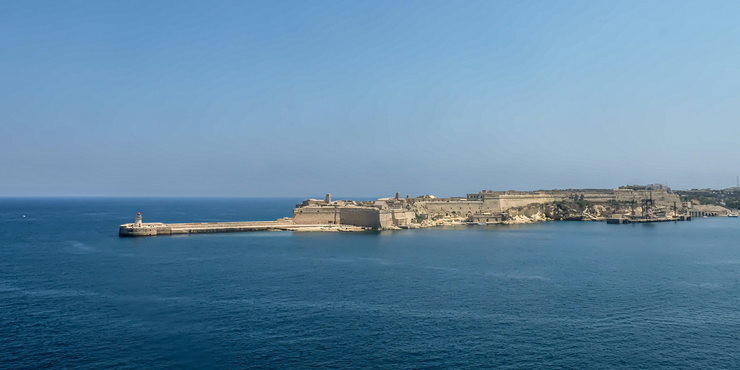
Malta can feel like three trips in one day, which is why timing matters more here than you expect. The same island can be breezy and effortless in one month, then hot, crowded, and expensive in another, even when the forecast still looks “nice.” Because Malta is compact, small shifts in the seasons can make it easier or harder to move, explore, and enjoy your days.
So, if you are asking when is the best time to visit Malta, the real answer starts with how you travel. Some travelers want swim-first days and late nights, others want comfortable walking weather, fewer queues, or better value without sacrificing experience. Those priorities matter more here than chasing a single “ideal” month.
The goal is not to visit Malta at its busiest or its quietest, but to visit it when the island works at your pace. Travelers also prepare for on-the-ground logistics in advance, setting up tools like Jetpac eSIM before arrival to keep navigation and communication smooth when plans change, without relying on public Wi-Fi.
Why the “best time” depends on how you actually plan to use Malta
Malta is not a one-season destination, but it is a destination where timing changes the whole feel of your days. The best time to travel to Malta for a beach-first trip is not the same as the best time of year to visit Malta for walking in Valletta, exploring Mdina, and doing long coastal strolls without sweating through midday.
A single cruise-heavy afternoon can make a short route feel slow, and that is why the best month to visit Malta is often about crowd cycles as much as weather. Many travelers only start asking when is the best time to visit Malta after experiencing how quickly crowd levels and heat can reshape a single day on the island.
If you want flexibility, shoulder-season timing usually delivers a smoother “Malta day” than the busiest summer weeks. If you want nightlife, festas, and late swims, summer can still be the best time to go to Malta, but only if you plan your days around heat and peak hours.
In other words, the best time to visit Malta is the season that matches your pace, not the season that looks best on a postcard.
Once you understand how timing shapes the experience, it becomes easier to choose the right season for your travel style.
Malta’s climate reality and what travelers often underestimate
Malta’s climate is Mediterranean, but travelers often underestimate how “stone streets plus sun” changes comfort. In summer, the heat can push sightseeing into mornings and evenings, while midday becomes better for shade, beaches, or indoor stops.
“Warm” does not always mean comfortable. Humidity, wind, and lack of shade in some areas can turn a simple walk into a slow one, which is why the best time to visit Malta is often the season when you can walk and explore without negotiating the sun all day.
Winter feels mild compared to much of mainland Europe, but it still has cooler nights and occasional rain. That is why it helps to think specifically about the weather in December in Malta if you are deciding between a winter value trip and a shoulder-season blend of beach and culture.
A realistic approach is choosing the best time to go to Malta based on what you want to do daily: swim, walk, eat slowly, or see as many sites as possible without rushing.
Weather sets the baseline, but seasons decide what you can realistically do each day.
Visiting Malta in spring for balance and breathing room
Spring is often the best time to visit Malta for travelers who want a little of everything without peak-season pressure. Days are generally comfortable for Valletta, Mdina, the Three Cities, and coastal viewpoints, and you can still squeeze in light beach time on warmer afternoons.
Spring also suits first-timers because you can keep plans loose. Restaurant reservations feel less essential, popular streets feel more walkable, and it is easier to “wander into” a great day instead of planning every hour.
That is why many people call spring the best time of year to visit Malta for a first visit. If you are choosing a specific window, spring is frequently a strong candidate for the best month to visit Malta because it balances comfort and crowd levels. It is also a season when the best time to travel to Malta can feel practical, not exhausting.
Best for: Sightseeing, outdoor walks, light beach time, and first visits that need flexibility.
Summer brings energy and events, but it also brings trade-offs that many travelers do not anticipate.
Visiting Malta in summer if beaches and festivals matter most
Summer can be the best time to visit Malta if your priority is swimming daily, long evenings, and village festas.
The trick is pacing: sightseeing at noon can feel heavy, while late afternoons and nights are where Malta shines.
If you love a lively vibe, summer is when the island feels social after sunset. That said, the best time to go to Malta in summer is the time you can actually use well, which usually means early starts, midday shade breaks, and beach time when the light softens.
This season can still be the best time of year to visit Malta for festival lovers, but it rewards planning: book accommodation early and keep your daytime schedule realistic.
Best for: Swimming, nightlife, festas, long evenings, and travelers comfortable with heat-smart routines.
When summer crowds fade, Malta reveals a calmer and often more rewarding side.
Visiting Malta in autumn for warm seas and lighter crowds
Autumn is a strong contender for the best time to travel to Malta if you want warm sea days but less peak-season pressure. The water often stays inviting while the air cools slightly, which makes mixed days easier: a swim, then a city walk, then dinner without rushing.
It is also a great season for slow travelers. You can linger longer in historic neighborhoods, plan boat days with more breathing room, and keep evenings open without feeling like everything is fully booked.
If you are choosing a single “most balanced” season, autumn often competes with spring as the best time to visit Malta because it supports both beach time and culture.
It can also be the best month to visit Malta for photographers and walkers who want comfort plus atmosphere.
Best for: Beach plus culture, calmer restaurants, and travelers who want warmth without peak density.
Winter surprises many travelers who assume Malta “shuts down.”
Visiting Malta in winter for culture, value, and quiet exploration
Winter can be the best time to visit Malta for travelers who want towns, history, and everyday local life more than beach days. Malta does not shut down; it simply slows, and that can be a huge win if you prefer quieter streets and easier bookings. This is where the weather in December in Malta becomes a planning tool.
Expect cooler evenings and occasional rain, then build your days around museums, heritage sites, long lunches, and coastal walks when the sky is clear.
If you are watching your budget, winter is often the best time to travel to Malta for value-focused trips, especially if you are comparing destinations like cheap places to travel in February.
Malta can fit that mindset if you prioritize culture and exploration, then treat swimming as a bonus on warmer days.
Best for: Budget travelers, history lovers, walkers, and travelers who like quiet, flexible days.
Seasons are useful, but some travelers plan by month rather than by weather blocks.
Month-by-month breakdown for travelers who plan precisely
If you like making decisions by calendar, choose your best month to visit Malta based on what you will do most days. Peak summer months require a heat-smart routine, while shoulder months support “do everything” itineraries.
For most visitors, answering when is the best time to visit Malta becomes clearer once they match seasons to daily pace rather than headline temperatures.
Crowd intensity and pricing typically spike in July and August, and late booking can limit location options.
If you want a smoother first trip, May, June, September, and October are often the best times to visit Malta. It feels easiest to manage.
Winter months can feel excellent for value, but your plan should match the weather in December in Malta: pack layers, plan indoor stops, and do coastal walks when the wind is kinder.
If you are traveling independently, Malta can also appeal when researching the best places to travel solo, because you can build satisfying days from short distances and simple logistics.
Beyond weather, events, and crowd cycles can matter just as much.
Festivals, events, and peak weeks that change the experience
Events matter in Malta because the busiest zones are close together. A major event week can raise accommodation demand and change transport flow, even if you are not attending every activity.
In summer, festas and fireworks often make nights feel memorable and spontaneous, but they can also make taxis and dinner timing less predictable. If festivals are your priority, summer may still be the best time of year to visit Malta, as long as you keep days lighter and let evenings be the main stage.
Shoulder months can still deliver a great atmosphere with fewer pressure points, which is why many travelers feel the best time to go to Malta is when you can enjoy events without fighting the island’s peak density.
A simple planning move is anchoring one or two nights for events, then leaving daytime flexible for beaches, museums, or slow neighborhood walks.
Timing also affects costs, and that is where many trips go off track.
Crowds, prices, and when Malta feels “too full”
Crowds in Malta concentrate in a few high-demand areas: Valletta, Sliema, St Julian’s, Mellieha, and the most famous bays. Because the island is small, a crowded zone can make alternative plans feel crowded too, especially at similar peak hours.
Cruise days can also reshape a day. A historic center can feel calm in the morning, dense midday, then smoother again in the evening. That swing is one reason travelers sometimes misjudge the best time to visit Malta after one packed afternoon.
Prices tend to rise fastest around peak-demand weeks, especially for accommodation in walkable zones. If you want the trip to feel easy, booking earlier for the location often matters more than chasing the perfect deal. That planning style helps you land in the best time to travel to Malta for your comfort level, not just your budget.
If Malta starts feeling too full, the fix is usually timing and geography: start earlier, shift one neighborhood out, and keep must-see sights for non-peak hours.
Planning smartly also means staying flexible once you arrive.
Read more: One short note to read whenever possible, if you are budgeting a multi-stop trip. Read our blog 👉 How To Save Money While Traveling Without Sacrificing Fun
Staying connected while traveling around Malta
Even on a small island, you rely on data for ferries, maps, reservations, and last-minute changes. Using a Malta eSIM can make island hopping, ferry timing, and quick plan changes easier without hunting for Wi-Fi spots.
Travelers use a Jetpac eSIM before arrival so navigation and communication stay reliable.
For travelers who want a clearer connectivity option, it helps to understand how Jetpac fits into a Malta trip.
How travelers stay connected while exploring Malta
Travelers comparing options often define the best eSIM Malta choice as the one that stays reliable during ferries, city walks, and last-minute reroutes.
Choosing an eSIM for Malta can remove friction the moment you land, especially if you are navigating ferry terminals, booking confirmations, and changing plans on the go.
If you are comparing a Malta eSIM, think in day-to-day terms: reliability for maps, easy top-ups, and whether you can share data when needed.
For travelers, the best eSIM Malta choice is the one that keeps essentials working when schedules shift, not the one with the most complicated bundle.
Below are the reasons why Jetpac is the top choice for your Malta Trip:
🌍 One eSIM that works beyond Malta. Jetpac lets you install a single eSIM that works across 200+ destinations, so if Malta is part of a longer trip, you do not need to set up a new SIM each time. You simply top up when your next journey starts.
📶 More stable connectivity in busy areas. Instead of relying on one local network, Jetpac uses multiple networks to stay connected 24/7, which is especially useful when coverage drops in crowded towns, ferry terminals, or popular coastal areas.
💳 Clear pricing without roaming surprises. All Jetpac plans are prepaid, meaning 100% upfront payment with no hidden charges, and in many cases up to 70% cheaper than traditional roaming, so you know exactly what you are spending before you travel.
📲 Easy hotspot sharing when you need it. If you are traveling with a companion or using more than one device, Jetpac allows hotspot sharing without data restrictions, making it simple to keep everything connected throughout the day.
🗺️ Essential apps keep working even if data runs out. Jetpac ensures Uber, WhatsApp, and Google Maps remain usable even when your data balance is exhausted, which can be reassuring when you are navigating buses, ferries, or unfamiliar streets.
🧑💻 Support that matches travel time zones. Connectivity issues do not follow office hours, so Jetpac provides 24/7 premium customer support via WhatsApp and email, making it easier to get help no matter where or when you are traveling.
📞 Calling options when messages are not enough. For situations that require a quick call, Jetpac supports outgoing voice calls and 5G access in 50+ countries, starting from $1.99 per 5 minutes, useful for reservations or urgent coordination.
FAQs
Is there a “wrong” time to visit Malta, depending on travel style?
No season is objectively wrong, but mismatched timing creates frustration. Summer can be rough if you dislike heat and dense streets, while winter can feel too quiet if you want constant beach energy.
If you are heat-sensitive, avoid peak midday sightseeing in summer, even if it is your best time to visit Malta on paper.
How crowded does Malta actually get during peak season?
Crowds concentrate in Valletta, Sliema, St Julian’s, and popular bays, and they can spike on cruise days. It feels heavier because Malta is small and many top areas sit close together. Reduce stress by starting early, booking one key meal, and keeping a quieter fallback neighborhood.
When does Malta feel most balanced for first-time visitors?
For most travelers, spring or early autumn is the most balanced window. This is often the best time to go to Malta because sightseeing is comfortable and the coast still feels accessible, while crowds and prices are usually easier than midsummer.
Is Malta a good destination outside of beach season?
Yes, especially for history, food, and walking. Winter and shoulder seasons can feel more local, and you can explore towns and viewpoints without planning your whole day around swimming. If you are visiting in winter, plan around the weather in December in Malta and build cozy indoor stops into your days.
How far in advance should I book Malta accommodation by season?
For July and August, book early if you want walkable locations. Shoulder seasons still reward booking ahead, but you have more choices if you are flexible. In winter, you can often book later, but confirm what services and locations matter most for your itinerary.
Does visiting Malta during festivals change the experience significantly?
Yes. Festivals can raise prices and tighten transport flow, but they can also add energy and memorable nights. If you plan around them, keep daytime light and prioritize one or two anchor events rather than trying to do everything.
Is Jetpac useful for staying connected while traveling around Malta?
Yes, because reliable data helps with navigation, ferries, bookings, and quick plan changes. Many travelers set it up before arrival, so essentials work immediately. If you want less hassle, pairing your trip with an eSIM for Malta plan can reduce friction.
Disclaimer
Weather, events, and prices vary year to year. Always confirm official schedules and local conditions before booking. Jetpac is not responsible for changes to third-party services, availability, pricing, or local regulations.