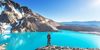
These 12 Cool Beaches in Europe Are a Must for UK Travellers
The cool beaches in Europe range from pink-sand lagoons in Crete to dramatic coves in Sardinia, Croatia, and Turkey. For UK travellers, they offer some of the best beach holidays in Europe, with short flight times, clear water, and practical notes on access, timing, and crowds.

The most beautiful beaches in Europe are spread across 8 countries, most of them reachable in under 4 hours from UK airports. These cool beaches in Europe range from a cliff-framed shipwreck cove in Zakynthos to a pink-sand lagoon in Crete, a canyon beach in Turkey, and a shape-shifting headland in Croatia. Some require a boat to reach. A few have timed entry systems in peak season. All of them are the kind of best beach holidays that hold up in person and stay with you afterward.
For UK travellers heading across multiple countries, an Europe eSIM activated before you fly means data works the moment you land, without roaming charges or airport kiosks.
The Best Beach Destinations in Europe: What to Know Before You Go
From UK airports, most European beach destinations sit within 2 to 4 hours on a direct flight. Turkey and Montenegro are outside the EU, but both are visa-free for UK passport holders: no extra paperwork, just a valid British passport. Several beaches on this list require advance booking, either a boat tour, a ferry permit, or a timed entry slot. The notes under each beach tell you exactly what to expect.
12 Cool Beaches in Europe You Need to Visit
These 12 are among the most amazing beaches in Europe in 2026, confirmed by Tripadvisor's Travellers' Choice Awards, travel editors, and the kind of real traveller reviews that tend to be more honest than professional photography.
#1. Navagio Beach (Shipwreck Beach), Zakynthos, Greece 🇬🇷
Best for: dramatic scenery, photography, couples
Navagio is the beach most people have seen in photographs and cannot quite believe until they stand inside it. The MV Panagiotis ran aground in 1980 on a strip of white sand enclosed on three sides by sheer limestone cliffs up to 200 metres high. The only access is by boat from Porto Vromi or Zakynthos town. The water is the kind of blue that makes everything else look grey. Arrive before midday in July and August to beat the tour boat crowd. A cold Mythos from the vendors' boats floating near the cove is one of the better things about the journey in. May, June, and September are noticeably quieter and equally beautiful.
Flight to Zakynthos from the UK: approximately 3.5 hours.
#2. Elafonissi Beach, Crete, Greece 🇬🇷
Best for: families, first-timers, nature
Elafonissi is one of the best beaches in Europe, and in 2026, Tripadvisor named it the best in Europe, which feels hard to argue with once you see it. The pale pink tint in the sand comes from crushed shells, and it is usually most visible in the softer morning light. Shallow lagoons, clear water, and a protected nature reserve give the beach a calmer feel than many other famous Mediterranean spots. It is one of the most beautiful beaches in Europe for families because younger children can paddle safely while adults still get the kind of scenery they came for. A small café near the car park serves thick Greek yogurt with local honey, which makes an easy first stop before the beach gets busy. If you can choose your timing, May or early June is far better than peak summer. The colours are clearer, the air is gentler, and the queues are not yet part of the experience.
Flight to Chania from the UK is around 3.5 hours.
#3. Praia da Marinha, Algarve, Portugal 🇵🇹
Best for: couples, coastal walkers, photography
The Algarve has dozens of fine beaches, but Praia da Marinha sits in a different category. Golden limestone cliffs have been carved by the Atlantic into arches, columns, and hidden coves that change with each tide. The beach is small and reached by a steep path from above. At low tide, sea caves open along the rock face, and the water turns translucent green. Nearby Praia de Benagil is accessible only by kayak or small boat, and its sea cave has a circular opening in the ceiling that drops light directly onto the sand. Stop at a café in Lagos for a pastel de nata before the walk down. It is one of those small rituals that sets the morning right.
Flight from the UK: approximately 2.5 hours.
#4. La Pelosa Beach, Sardinia, Italy 🇮🇹
Best for: clear water, photography, couples
La Pelosa is the closest thing to a Caribbean beach that Europe actually delivers. Turquoise shallows, white sand, and a 16th-century watchtower at the water's edge combine to make it one of the most photographed beaches in Italy. Entry is ticketed and timed in peak season, costing around €3.50 per person, and only reef-safe sunscreen is permitted to protect the seabed. Both rules are enforced at the gate. The bottarga pasta served in Stintino village, five minutes from the beach, is a Sardinian speciality that most visitors miss entirely and is genuinely worth planning a lunch around.
Flight from the UK: approximately 2.5 to 3 hours.
#5. Cala Goloritzé, Sardinia, Italy 🇮🇹
Best for: adventure travellers, couples, solitude
Cala Goloritzé sits on Sardinia's eastern Orosei coast inside a UNESCO marine conservation zone. A dramatic limestone arch frames the entrance to a cove with crystal-clear water over white pebbles. Getting there requires a 45-minute boat from Cala Gonone or a 90-minute hike from the car park above Baunei village. There are no facilities at the beach: no café, no sunbed rental, no shade structure. Buy fresh focaccia from the bakery in Baunei before you start the descent. It sounds like minor advice until you are at the bottom of the hill with no café in sight and two hours before the next boat back.
Best time: May to June or September.
#6. Balos Lagoon, Crete, Greece 🇬🇷
Best for: families, scenic views, first-timers
Balos is on every Crete travel brochure for a reason. The lagoon sits on the Gramvousa Peninsula in northwestern Crete, ringed by pink-white sand and shallow turquoise water that shifts through several shades depending on depth and angle. A boat tour from Kissamos is the most practical access option in peak season. The road in is long and rough, so the boat saves time and adds a fine view of the cliffs on approach. The small snack bar at the beach sells cold Cretan beer and tyropita, a warm cheese pastry that is simple and entirely welcome after the journey.
Bring a layer: July and August are windy here, even when the sun is strong.
Best time: May to June or September.
#7. Playa de Rodas, Cíes Islands, Spain 🇪🇸
Best for: nature lovers, walkers, pristine beaches
The Sunday Times named Playa de Rodas the best beach in Europe, and a strict conservation policy ensures it stays that way. Daily visitor numbers to the Cíes Islands national park are capped, and the ferry from Vigo sells out weeks in advance in July and August. Book it early. Pick up a Galician empanada from the Mercado de la Pedra in Vigo before boarding: flaky pastry filled with tuna or meat, eaten on the boat over. Atlantic-clear water, pristine white sand, and no cars, hotels, or resort development make it feel genuinely untouched in a way that is rare anywhere in Western Europe.
Best time: June to September.
Also Read
Summer Holiday Destinations from the UK
Planning a quick escape from the UK? Explore top summer holiday destinations with easy flights, great weather, and travel ideas to match your budget and style.
Read More ↗Best destinations to Visit in the USA for UK Travellers
Traveling from the UK to the USA? Discover top destinations, from must-see cities to scenic escapes, perfect for every type of traveler.
Read More ↗Most Beautiful Places in Europe
Want to explore Europe’s highlights? Discover the most beautiful places in Europe, from scenic landscapes to iconic cities worth adding to your itinerary.
Read More ↗Best European Vacations for Families
Planning a family trip to Europe? Discover the best European vacations with kid-friendly destinations, fun activities, and travel ideas to suit every budget.
Read More ↗Inexpensive Places to Visit in Europe from the UK
Travelling from UK on a budget? Discover inexpensive places to visit in Europe with affordable stays, food, and experiences without missing out.
Read More ↗#8. Palombaggia Beach, Corsica, France 🇫🇷
Best for: couples, beach restaurants, atmosphere
Palombaggia sits on Corsica's southeastern coast and offers a combination that is hard to replicate elsewhere: fine white sand, pink granite boulders along the shoreline, pine trees that provide real shade, and beach restaurants that serve food worth staying for. At lunchtime, the restaurants put out Corsican charcuterie boards, cold rosé, and grilled fish caught that morning. The village of Porto Vecchio is 20 minutes by road and worth an evening: the old town, the harbour, and a glass of local Nielluccio wine alongside the boats make for a quietly good dinner. Corsica is a French territory, but it operates with a strongly Mediterranean character throughout.
Flight to Figari from the UK: approximately 2 hours.
#9. Fteri Beach, Kefalonia, Greece
Best for: solitude, snorkelling, off the beaten track
Fteri stays quiet even in August when every other beach in Kefalonia is crowded. It is accessible only by boat or a long rocky coastal walk from the nearest car park, which keeps visitor numbers low all summer. The water is brilliant turquoise over white pebbles with no facilities and no development visible from the waterline. After the beach, drive or walk to Assos village for grilled octopus and a cold Mythos at a harbour taverna. Assos is one of the genuinely beautiful villages in the Ionian Islands, and almost no one visits it on the same day as Fteri, which makes the combination feel like a minor discovery.
Best time: May to September.
#10. Kaputas Beach, Turkey
Best for: dramatic scenery, photography, couples
Kaputas sits at the bottom of a narrow canyon between Kas and Kalkan on Turkey's Aegean coast. Around 180 steps lead down from the road above to a small golden beach surrounded by canyon walls that block the midday sun and funnel the sea breeze. The water is a deep, vivid blue that photographs unusually well. Kas village, 20 minutes along the coast road, has excellent mezze restaurants along the harbour: try sigara böreği, crispy fried cheese rolls, and the locally caught sea bass grilled over charcoal on the terrace. UK passport holders do not need a visa for Turkey for stays of up to 90 days.
Flight to Dalaman from the UK: approximately 3.5 hours.
#11. Sveti Stefan Beach, Montenegro
Best for: couples, honeymoons, dramatic views
Sveti Stefan is a 15th-century island fortress connected to the mainland by a narrow sandbank. Half the beach on the Budva side is free and public. The other half belongs to an Aman resort and costs around €100 for a day pass as a non-guest. The free half is perfectly good. The view of the island from the water at sunset is one of the most dramatic coastal scenes in the Adriatic. The restaurant Muse on the approach road serves Mediterranean dishes with a full view of the island at a fraction of the resort pricing. UK passport holders enter Montenegro visa-free.
Flight to Tivat from the UK: approximately 2.5 hours.
#12. Zlatni Rat Beach, Brač, Croatia
Best for: water sports, families, distinctive scenery
Zlatni Rat is one of the most distinctive beaches in Europe. The white pebble headland stretches roughly 500 metres into the Adriatic and its tip shifts direction with the prevailing wind and current, meaning the beach literally changes shape over the course of a day. It is best known for windsurfing and paddleboarding, with reliable breezes and clear water. Bol village at the base of the headland has some of the best Dalmatian food on the island: try brudet, a rich fish stew served with polenta, and a glass of locally made Pošip white wine alongside the boats in the harbour.
Flight to Split from the UK: approximately 2.5 hours, then 50 minutes by ferry to Brač.
When Is the Best Time for Beach Holidays in Europe?
For the best beach holidays in Europe, May to June is the optimal window. Temperatures across the Mediterranean sit between 24 and 28 °C, prices are noticeably lower than in July and August, and the beaches are meaningfully quieter. Elafonissi, Balos, and Navagio all become significantly more crowded from late July onward.
July and August are unavoidable for UK families working around school holidays, but they bring peak prices and capacity issues at the most popular spots. Balos runs out of space by midday. Navagio fills with tour boats before 11 am. La Pelosa timed entry slots go early.
September offers warm water and air temperatures of 26 to 30 °C across most Mediterranean destinations, along with a sharp drop in both crowds and prices. For flexible travellers, it is the best beach holiday window of the whole year.
5 Travel Hacks for European Beaches
Book permits and timed entry beaches early
La Pelosa and Playa de Rodas both limit daily visitors. La Pelosa charges around €3.50 per person and needs online booking in summer, while Rodas ferry permits from Vigo can sell out weeks ahead in July and August.
Check boat access before you plan the day
Navagio, Cala Goloritzé, Balos, and Fteri are much easier to reach by boat. Always factor in departure times, return times, and extra boat costs before building your itinerary.
Pack reef safe sunscreen from home
La Pelosa enforces reef-safe sunscreen rules, and other protected beaches strongly recommend it. It is easier and usually cheaper to bring your own than buy it near the beach.
Double check entry rules
All 12 beaches are visa-free for UK passport holders. Turkey and Montenegro are outside the EU, but UK travellers can still enter with a valid British passport for stays of up to 90 days.
Bring water shoes for pebble beaches
Fteri, Sveti Stefan, and Zlatni Rat all have pebble or rocky surfaces. A simple pair of water shoes can make getting in and out of the sea much more comfortable.
Stay Connected: eSIM Europe for Beach Travel
Beach trips across Europe look simple on paper, but island crossings, ferry ports, and remote coastal roads can make staying connected harder than expected. That is why sorting your eSIM Europe plan before you leave makes the trip smoother from the start.
When you are checking ferry times, pulling up directions to a hidden cove, or messaging family back home, you want your phone working straight away.
Why Jetpac works well for European beach trips
Free access to essential apps
WhatsApp, Google Maps, Uber, and Grab keep working even after your main data allowance is used, so you are never stuck without maps, messages, or a ride app.
In app voice calling
Call landlines and non WhatsApp numbers directly through the Jetpac app in over 50 countries. Useful for hotels, boat operators, taxis, and local businesses. Call packs start at USD 1.99 for 5 minutes.
Unlimited hotspot sharing
Use one plan across multiple devices, whether that is a laptop, tablet, or another traveller’s phone, without extra charges or sharing limits.
No roaming bill shock
Jetpac uses transparent prepaid pricing with no hidden fees and can save up to 70 percent compared with international roaming charges.
One eSIM, 200+ destinations
Install Jetpac once and stay connected across beach trips in Greece, Italy, Spain, France, Croatia, Turkey, and beyond without swapping SIMs.
Multiple network support
Jetpac automatically connects to the strongest available local network, which helps when you are moving between islands, coastal towns, and more remote beaches.
Fast and reliable access
Where available, Jetpac connects to 5G, with fallback to strong 4G networks for dependable travel use.
100 percent money back guarantee
A hassle free refund on your Jetpac eSIM helps travellers feel more confident choosing it before a multi country trip.
Free airport lounge access
If your flight is delayed by more than 1 hour, Jetpac includes access to 1,300+ airport lounges worldwide. You need to register yourself and one travel companion at least 24 hours before departure.
24/7 priority support
Help is available at any hour through WhatsApp and email, 365 days a year, wherever your beach trip takes you.
For a multi country beach trip, the best eSIM for Europe is the one that works before, during, and after the beach day.
If you want eSIM Europe unlimited data convenience with strong travel features around it, Jetpac gives you a much smoother setup than relying on airport kiosks or roaming.

FAQs
What is the prettiest beach in Europe?
Elafonissi Beach in Crete is often the top answer because of its pink-tinted sand, shallow lagoons, and clear water. Navagio Beach in Zakynthos is more dramatic, while Cala Goloritzé in Sardinia stands out for wild scenery and a more remote feel.
Where in Europe is like the Maldives?
Balos Lagoon in Crete and La Pelosa in Sardinia are both regularly compared to the Maldives for their shallow turquoise water and white sand. The Cíes Islands in Spain offer similar clarity in a cooler Atlantic setting.
Where has white sand and clear water in Europe?
Elafonissi and Balos in Crete, La Pelosa in Sardinia, Palombaggia in Corsica, and Playa de Rodas in Spain all qualify. All five are on this list.
Where to go in Europe that is not too hot in summer?
Croatia and Montenegro sit cooler than Greece or southern Italy in July and August. Zlatni Rat in Croatia and Sveti Stefan in Montenegro both offer excellent beach quality with lower peak temperatures.
Where in Europe is like the Caribbean?
La Pelosa in Sardinia and Balos in Crete are the most frequently cited. Both deliver the shallow turquoise water and white sand associated with the Caribbean without the long-haul flight. These are among the most amazing beaches in Europe for travellers chasing tropical-style water on a shorter journey.
What is the best beach in Crete?
There is no single best beach in Crete for everyone. Elafonissi is the most famous for pink-tinted sand and shallow water, Balos is the most dramatic for lagoon views, and Xerokambos is a better choice if you want something quieter. The right pick depends on whether you want scenery, easy swimming, or fewer crowds.
Is Navagio Beach worth visiting?
Yes. It is one of the few beaches in Europe that looks better in person than in photographs. The limestone cliffs are higher, the water is more vivid, and the rusted wreck is more atmospheric than any image prepares you for. Go in May, June, or September if you can.
Disclaimer
The information in this blog is intended for general informational and educational purposes only. Entry requirements, timed entry systems, ferry permits, and beach access rules are subject to change. La Pelosa entry fees and similar costs are approximate figures based on publicly available information at the time of writing. All prices are stated in local currencies and USD where relevant. Always verify current entry requirements, visa rules, and access conditions with official sources before travel. Jetpac is not responsible for network variations, third-party service changes, or connectivity issues in any destination. No product endorsement is implied or intended.
Get connected as soon as you land with a Jetpac travel eSIM.