Transportation in France: How to Get Around (2026 Guide)
High-speed TGV trains are the fastest option between major French cities, while renting a car is best for rural villages. Within cities, metros and trams handle local transit affordably. Matching transit options to your route keeps travel fast and budget-friendly.

Navigating transportation in France is remarkably efficient, making it easy to explore both bustling cities and the scenic countryside. The best way to get around France depends heavily on your unique itinerary, budget, and travel style.
Travelers can easily rely on high-speed trains, regional buses, and extensive metro networks. This comprehensive France travel guide helps you choose between fast rail transit and scenic road trips.
Ultimately, your choice shifts based on whether you prefer budget-friendly public transport or maximum destination flexibility.

What Is the Best Way to Get Around France?
The best method relies entirely on your destination. For traveling between major hubs, rail transport in France is the fastest and most efficient choice.
However, if you plan to explore remote villages or the countryside, renting a car gives you the necessary flexibility. Urban areas are best navigated using extensive local transit systems.
France transport at a glance
Read more: Planning your ultimate French itinerary? Discover iconic experiences, world-class landmarks, historic vineyards, and unforgettable cultural highlights to explore during your upcoming getaway. Read our blog 👉 18 Best Things to Do in France: Experiences You Should Not Miss
Train Transportation in France
High-speed TGVs and regional TER networks form the backbone of French transit. You should use train transportation in France to travel fast between major hubs like Paris, Lyon, and Bordeaux.
- Typical cost: €15 – €140+
- How to book: Secure tickets directly through the official SNCF Connect app or compare prices via Omio.
- Insider caveat: You must physically validate paper tickets at yellow electronic pillars (compostage) before boarding or face non-negotiable fines.
- Travel time: Paris to Lyon takes 2 hours; north-to-south cross-country trips take 4 to 6 hours.
Read more: Exploring neighboring European countries on your trip? Learn how to navigate high-speed trains, coastal ferries, and historic city centers across the Italian peninsula. Read our blog 👉 Transportation in Italy: How to Get Around in Italy
Car Rental & Driving in France
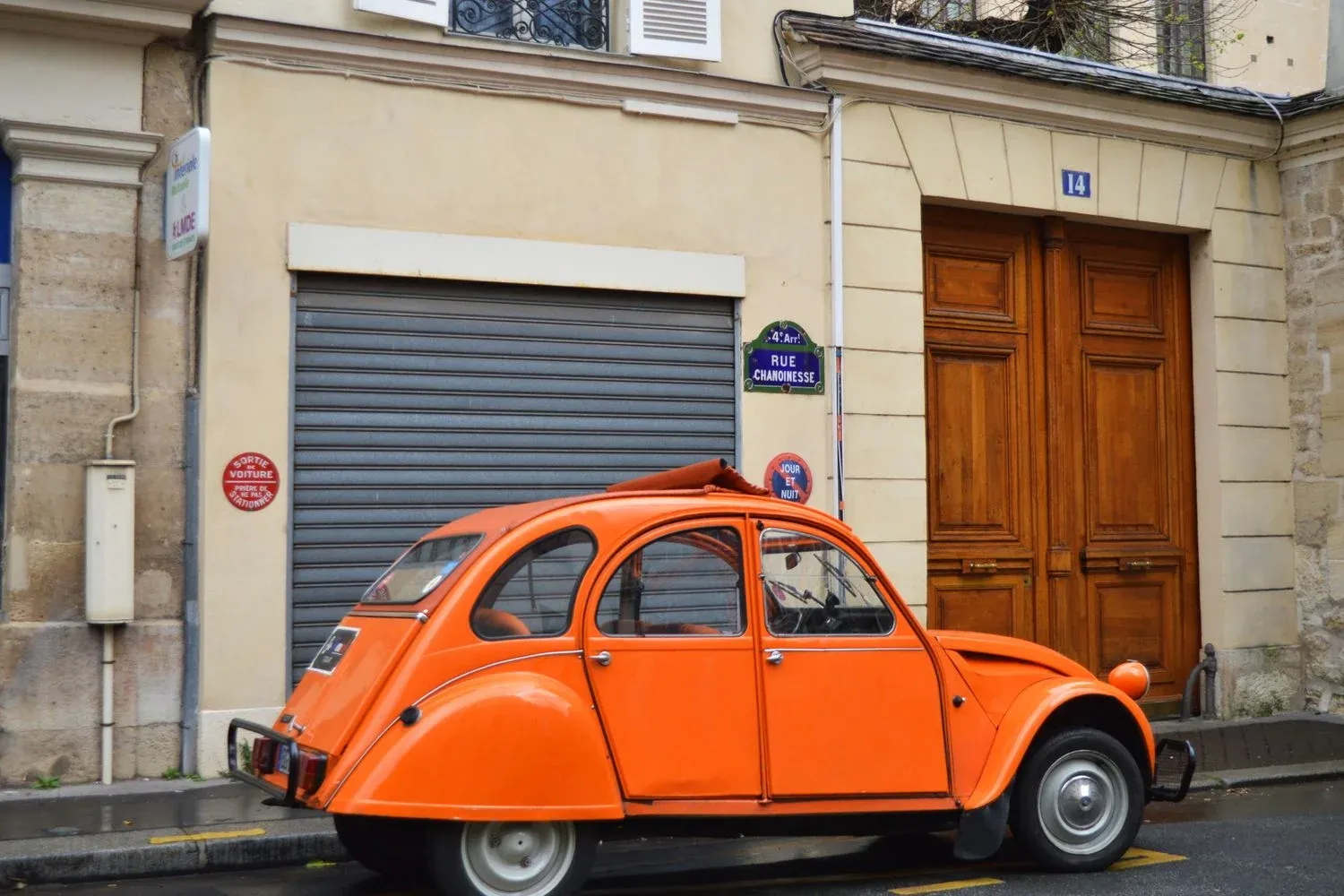
Renting a car is highly recommended if your France itineraries focus entirely on remote regions like the Dordogne Valley, Alpine passes, or rural wine villages.
- Typical cost: €30 – €90 per day
- How to book: Use aggregators like Discover Cars to compare local rates across major agencies at airports and train hubs.
- Insider tip: French cities enforce Crit'Air clean air zones; you will be fined if your rental lacks the correct color-coded windshield sticker.
- Travel time: Driving from Paris to the French Riviera takes about 8 to 9 hours.
Read more: Planning a multi-country getaway across Southern Europe? Compare high-speed rail routes, local metros, and car rentals for seamless travel throughout the Spanish regions. Read our blog👉 Transportation in Spain: How to Get Around in Spain
Domestic Flights in France
When deciding “how many days do you need in France”, domestic air travel is mostly used to cross massive distances if you have a limited schedule and need to travel quickly between distant hubs like Paris and Corsica.
- Typical cost: €40 – €180 one-way.
- How to book: Search for budget options using Google Flights to compare Air France with low-cost carriers.
- Insider caveat: France bans domestic flights for routes that can be traveled by train in under 2.5 hours, making flying useless for standard city-hopping.
- Travel time: Most flights take roughly 1 to 2 hours of air time.
Long-Distance Buses in France
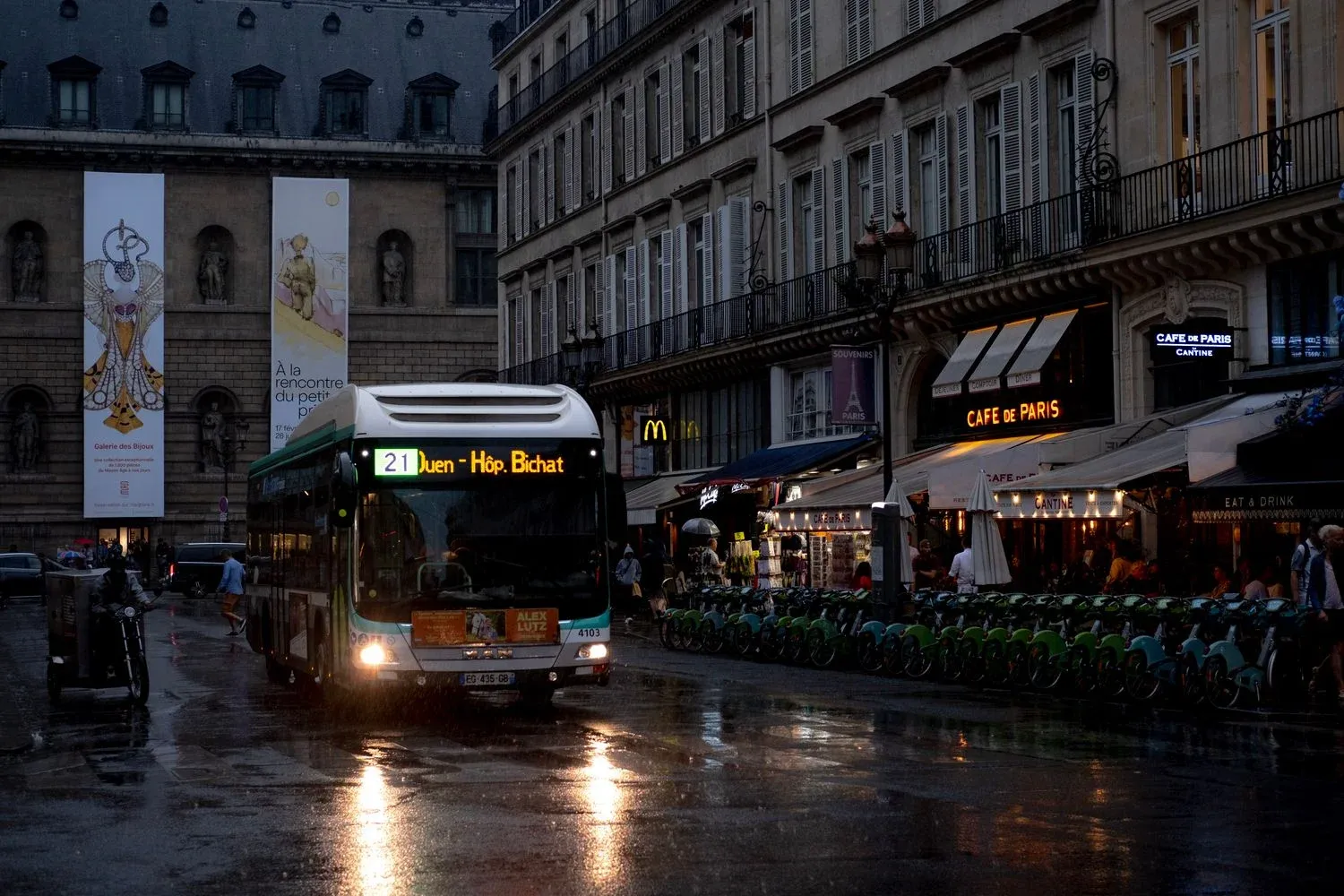
Long-distance coaches offer a reliable fallback for keeping your France travel cost down or for reaching towns that lack a functioning train station.
- Typical cost: €5 – €35 per journey.
- How to book: Reserve seats directly via FlixBus or the BlaBlaCar Bus app.
- Insider tip: Toll plazas cause sudden multi-hour traffic backups; never book a bus if you have a tight flight connection on the same day.
- Travel time: Bus journeys take roughly double the time of high-speed rail travel.
Ferries in France
Ferries provide a vital link for maritime transportation in France for tourists looking to cross the Mediterranean to Corsica or access coastal Atlantic islands.
- Typical cost: €30 – €90 for foot passengers; €120 – €300+ with a car.
- How to book: Use Ferryhopper to compare schedules and secure routes well in advance.
- Insider caveat: Rough winter seas routinely delay or cancel crossings; always build a buffer day into your schedule.
- Travel time: A mainland-to-Corsica crossing takes 7 to 10 hours, usually booked as an overnight route.
Urban Metro Systems
Rapid underground rail is the gold standard for urban travel. If you are staying in the capital, relying on public transport in Paris, France is the single best way to beat traffic.
- Typical cost: €1.90 – €2.50 per ticket.
- How to book: Purchase tickets at station kiosks or load them digitally via local transit apps like Bonjour RATP.
- Insider tip: Pickpockets heavily target crowded tourist lines; keep your bags zipped and held tightly in front of you.
- Travel time: Most central urban trips take less than 15 to 20 minutes.
Trams & Light Rail in France
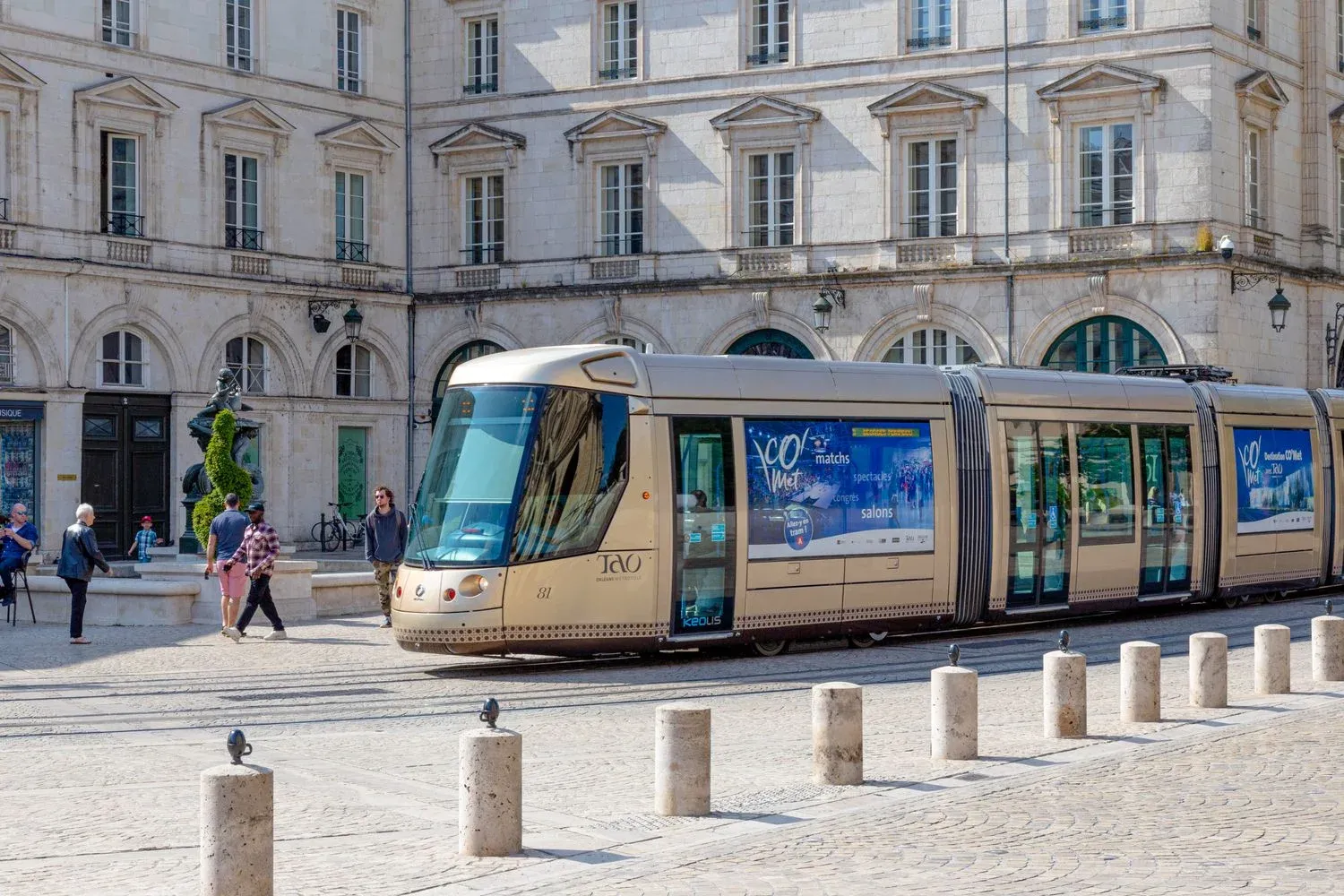
Modern street-level tram networks operate in dozens of French hubs. It is the most scenic way to navigate medium-sized cities like Bordeaux, Nice, and Strasbourg.
- Typical cost: €1.50 – €2.50.
- How to book: Buy single tickets at platform vending machines before boarding or scan a contactless card.
- Insider caveat: Doors do not open automatically at stops; you must firmly press the physical button on the door to exit or enter.
- Travel time: Crossing a standard city center takes 10 to 25 minutes.
Taxis & Rideshares
Taxis and rideshares offer point-to-point convenience when you are traveling with heavy luggage or moving around late at night.
- Typical cost: €10 – €30 for short city trips; €45 – €65 for fixed-rate Paris airport transfers.
- How to book: Download Uber or Bolt for major cities, or hail official vehicles at marked city taxi stands.
- Insider tip: Ignore drivers offering rides verbally inside airport terminals; illegal scammers operate there. Only use the official outdoor taxi queue.
- Travel time: 15 to 45 minutes, depending heavily on rush hour traffic.
Biking in France
France is incredibly cycle-friendly, featuring dedicated bike lanes perfect for exploring the best places to visit in France, like Strasbourg on two wheels.

- Typical cost: €1 – €5 for a daily pass.
- How to book: Access municipal bikes through local apps like Vélib' Métropole in Paris or Vélov in Lyon.
- Insider tip: Paris has banned free-floating electric rental scooters, so you must stick to docked city bikes for short-term rentals.
- Travel time: Cycling across a typical city center takes roughly 20 to 30 minutes.
Best Transport Apps for France
Navigating the country becomes incredibly straightforward when you download the right digital tools onto your smartphone before arriving. These essential platforms ensure you can master public transport in France like a resident.
- Citymapper: The ultimate navigation tool for major urban hubs like Paris and Lyon, outperforming standard maps by providing precise, real-time disruptions, optimal train car placement, and walking shortcuts.
- SNCF Connect: The official national rail app required for buying high-speed TGV tickets, tracking regional TER timetables, and storing your digital boarding passes.
- G7 Taxi: The dominant local taxi app in Paris that allows you to book official, metered cabs in advance with fixed airport pricing, avoiding the surge rates often found on standard rideshares.
- Bonjour RATP: The dedicated transit app for the greater Paris region, which is highly useful for checking live metro schedules and instantly loading physical transit passes using your phone's NFC chip.
- Google Maps: A highly reliable fallback for general routing and walking directions across smaller regional towns.
- Insider Tip: Mobile connectivity can get spotty in rural valleys and on underground subway platforms, so downloading offline Google Maps zones and saving screenshot PDFs of your train tickets are vital France travel tips to prevent access issues.
Read more: Heading to Asia for a major international adventure? Master high-speed bullet trains, subway cards, and local transit networks for an effortless journey across Japan. Read our blog 👉 Transportation in Japan: How to Get Around in Japan
Getting To/From the Airport
Paris Charles de Gaulle Airport (CDG)
Located roughly 25 kilometers northeast of central Paris, the country’s primary international hub takes about 45 to 60 minutes to reach, depending on your chosen transit method.
- Train option: The RER B suburban train line departs directly from Terminal 2 and Terminal 3, costing €11.80 for a one-way trip and taking roughly 35 minutes to reach Gare du Nord.
- Bus option: The official RoissyBus shuttle connects all terminals directly to the Paris Opéra house for €16.60, with a journey duration of 60 to 75 minutes.
- Taxi option: Official airport cabs operate on strict government-regulated flat rates, costing €56 to destinations on the Right Bank and €65 to the Left Bank.
- Private transfer option: Pre-booked vehicles through Welcome Pickups offer personalized meet-and-greet services in the arrivals hall starting around €70.
Paris Orly Airport (ORY)
Situated 13 kilometers south of the capital, Orly offers a significantly faster commute into the city center for travelers arriving on European regional flights.
- Train option: Metro Line 14 extends directly to the Orly airport terminal, costing €10.30 for a single airport ticket and whisking you to central Paris in just 25 minutes.
- Bus option: The OrlyBus shuttle links the airport directly to the Denfert-Rochereau station for €11.20, taking approximately 30 minutes.
- Taxi option: Regulated flat-rate taxis cost €36 to Right Bank addresses and €44 to Left Bank locations.
- Private transfer option: Tailored private transfers provide door-to-door transit to your hotel starting at roughly €55.
Nice Côte d’Azur Airport (NCE)
This coastal hub sits just 6 kilometers west of downtown Nice, boasting one of the most seamless airport transfers in southern Europe.
- Train option: The local tramway system is the absolute best way to travel, with Tram Lines 2 and 3 running directly from the terminals into the city center for €1.70 in about 30 minutes.
- Bus option: Regional buses link the airport to neighboring Riviera destinations like Monaco and Cannes for €19, taking 45 to 60 minutes.
- Taxi option: Fixed taxi tariffs apply for trips into central Nice, costing a flat €36 for a 15-minute ride.
Which Transportation Option Is Best for You?
If you are figuring out “how to get around in France without a car”, aligning your daily transit mode with your specific budget, baggage constraints, and destination areas is crucial.
Read more: Dreaming of a tropical island escape? Discover the easiest ways to navigate island roads, book private drivers, and rent scooters for an amazing vacation. Read our blog 👉 Transportation in Bali: How to Get Around in Bali
France Transportation Checklist
- Main transport routes and city connections should be verified ahead of time to prevent travel dead ends.
- Train and bus reservations need to be booked early to secure lower rates for rail transport in France.
- Airport transfer schedules should be confirmed before landing to avoid expensive terminal scams.
- Transport apps like SNCF Connect and Citymapper make navigating public transport in France much easier.
- City transport passes offer unlimited daily rides across urban networks like public transportation in Paris, France.
- Rental-car requirements and age limits must be checked before driving through rural regions.
- Driving license and IDP documents must both be carried if you plan to rent a car.
- Insurance coverage should be verified to include rental car collision damage and medical emergencies.
- Ferry schedules must be reviewed early if you plan to take maritime crossings to Corsica.
- Last transport of the day departure times need to be noted to avoid getting stranded overnight.
- Offline maps should be downloaded to maintain navigation when cellular signals drop in rural valleys.
- Mobile data and eSIM options must be set up prior to arrival for instant connectivity.
Stay Connected Across France’s Transport Networks
Navigating high-speed TGV trains, city metros, and transit apps requires uninterrupted mobile data across France. Installing a France eSIM before your journey lets you access live train schedules, map urban routes, and book rideshares without relying on spotty station Wi-Fi.
Setting up a Jetpac eSIM for France delivers fast 5G speeds and multi-network reliability, ensuring continuous signal in remote countryside areas or underground platforms. As the best eSIM for France, it also provides free access to Google Maps, WhatsApp, and Uber even if your data finishes.
FAQs
How to get around in France?
High-speed TGV trains connect major cities easily, making transportation in France for tourists fast, efficient, and stress-free.
Is public transportation good in France?
Yes, public transport in France is top-tier, featuring extensive high-speed trains, regional buses, and modern subway networks.
Do I need to rent a car in France?
A car rental is only necessary for exploring rural regions like the Dordogne Valley or countryside wine villages.
Can I use ride-hailing apps in France?
Yes, Uber and Bolt operate in major hubs, supplementing local transportation in Paris, France and other cities.
Do I need an eSIM to use maps and transport apps in France?
Setting up a Jetpac eSIM for France ensures instant data access for live navigation and app bookings without offline delays.
Is public transport safe/reliable in France?
Public transport is highly reliable and safe, though you should watch for pickpockets in crowded transit hubs.
What's the cheapest way to get around France?
Long-distance coaches like FlixBus provide the cheapest cross-country trips, while single metro tickets offer affordable urban rides.
Do I need an international driving permit?
Yes, driving legally in France requires an International Driving Permit paired with your valid home driver's license.
Disclaimer
The information in this blog is based on travel data and local information available to the Jetpac team at the time of writing in 2026. Entry requirements, local rules, fees, and travel details are subject to change without notice. We recommend checking official government and tourism websites before travelling. Jetpac is not responsible for any changes or travel outcomes based on this content.
Get connected as soon as you land with a Jetpac travel eSIM.