Transportation in Italy: How to Get Around (2026 Guide)
High-speed trains provide the best way to get around Italy between major cities like Rome, Florence, and Venice. Metros and trams efficiently serve urban centers, whereas car rentals are necessary for rural countryside access. Match your route to the right transit mode.

Italy has an excellent network of high-speed trains, regional buses, and coastal ferries that make getting around straightforward. Navigating the country is generally easy for visitors. However, the best transit options for your trip will depend entirely on your specific itinerary, budget, and travel style.
For fast travel between major cities like Rome and Florence, train transportation in Italy is your best bet. These rail networks connect city centers quickly and affordably.
Mastering transportation in Italy simply requires matching your transit choice to your destination. Choosing the right ride ensures a smooth trip.

What Is the Best Way to Get Around Italy?
The best way to get around Italy is by train. High-speed rail lines connect major cities like Rome, Florence, and Venice quickly and directly. For navigating within major urban centers, public transit networks or walking work best.
However, if you plan to visit rural areas like the Tuscan countryside or small towns, renting a car is your only practical option.
| Getting around | Best option | Typical cost |
|---|---|---|
| Between major cities | High-speed train (Frecciarossa or Italo) | €20 – €90+ |
| Within a city | Metro, tram, or walking | €1.50 – €2.50 per ticket |
| To/from the airport | Dedicated airport express train or shuttle bus | €6 – €15 |
| To rural areas/small towns | Car rental | €30 – €80+ per day |
Train in Italy
Perfect for fast travel between major city centers. High-speed lines serve the main routes quickly, while regional networks connect smaller historic towns seamlessly.
- Cost: €15–€50 for regional lines; €30–€100+ for high-speed runs.
- Book via: Trenitalia or Italo apps.
- Insider Tip: Secure train transportation in Italy weeks in advance to save up to 50% compared to last-minute ticket window prices.
- Duration: Rome to Florence takes just 1.5 hours via rail transport in Italy.
Car Rental and Driving in Italy
Essential for exploring countryside vineyards and remote villages missing from a standard Italy itinerary. This serves as the main fallback for travelers figuring out “how to get around in Italy without a car” but wanting deep rural access.
- Cost: €30–€90 per day, plus tolls and gas.
- Book via: Discover Cars.
- Insider Tip: Avoid entering ZTL zones in historic centers to escape automatic camera-enforced fines sent to your rental agency.
- Duration: Florence to the Chianti wine region takes 45 minutes.
Domestic Flights in Italy
Best used for long-distance travel to reach the best places to visit in Italy, like jumping from northern hubs down to Sicily or Sardinia. It is rarely practical or time-efficient for short mainland hops.
- Cost: €35–€120 one-way.
- Book via: Skyscanner or ITA Airways.
- Insider Tip: Budget airlines strictly enforce carry-on dimensions, so weigh your bags before getting to the gate.
- Duration: Rome to Palermo takes about 1 hour and 10 minutes.
Buses in Italy
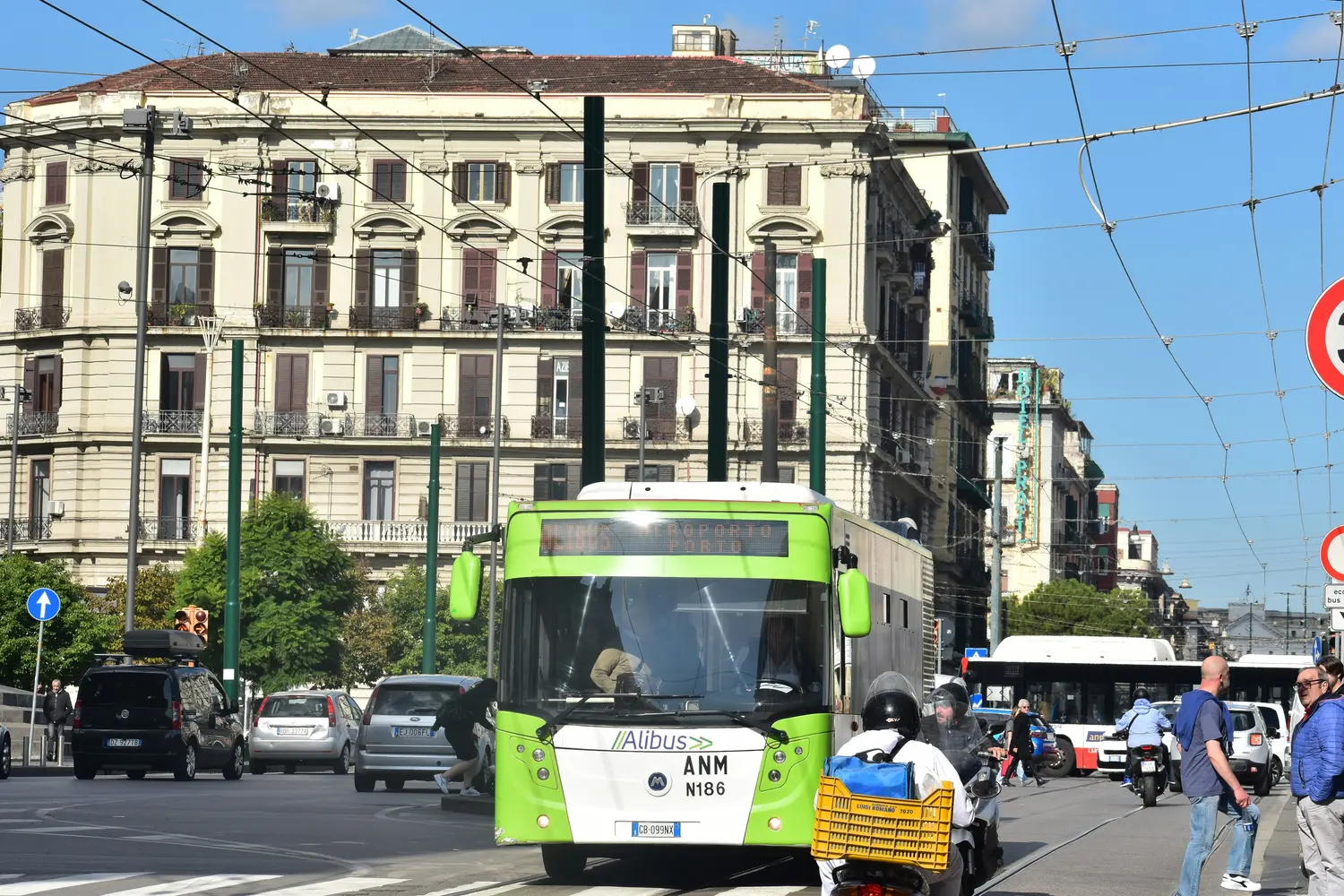
Buses bridge the gaps where rail networks do not run, particularly in mountainous regions like the Dolomites. They offer an affordable form of transportation in Italy for tourists on a strict budget.
- Cost: €5–€25 for intercity lines.
- Book via: FlixBus or Itabus.
- Insider Tip: You must wave your hand at the driver from the roadside stop, or the regional bus will drive right past you.
- Duration: Naples to Sorrento takes 1.5 hours.
Read more: Once you have your transit routes mapped out, fill your itinerary with unforgettable sights, hidden alleyways, and iconic landmarks. Read our blog👉 Top 20 Things to Do in Italy: Crazy Experiences
Ferries in Italy
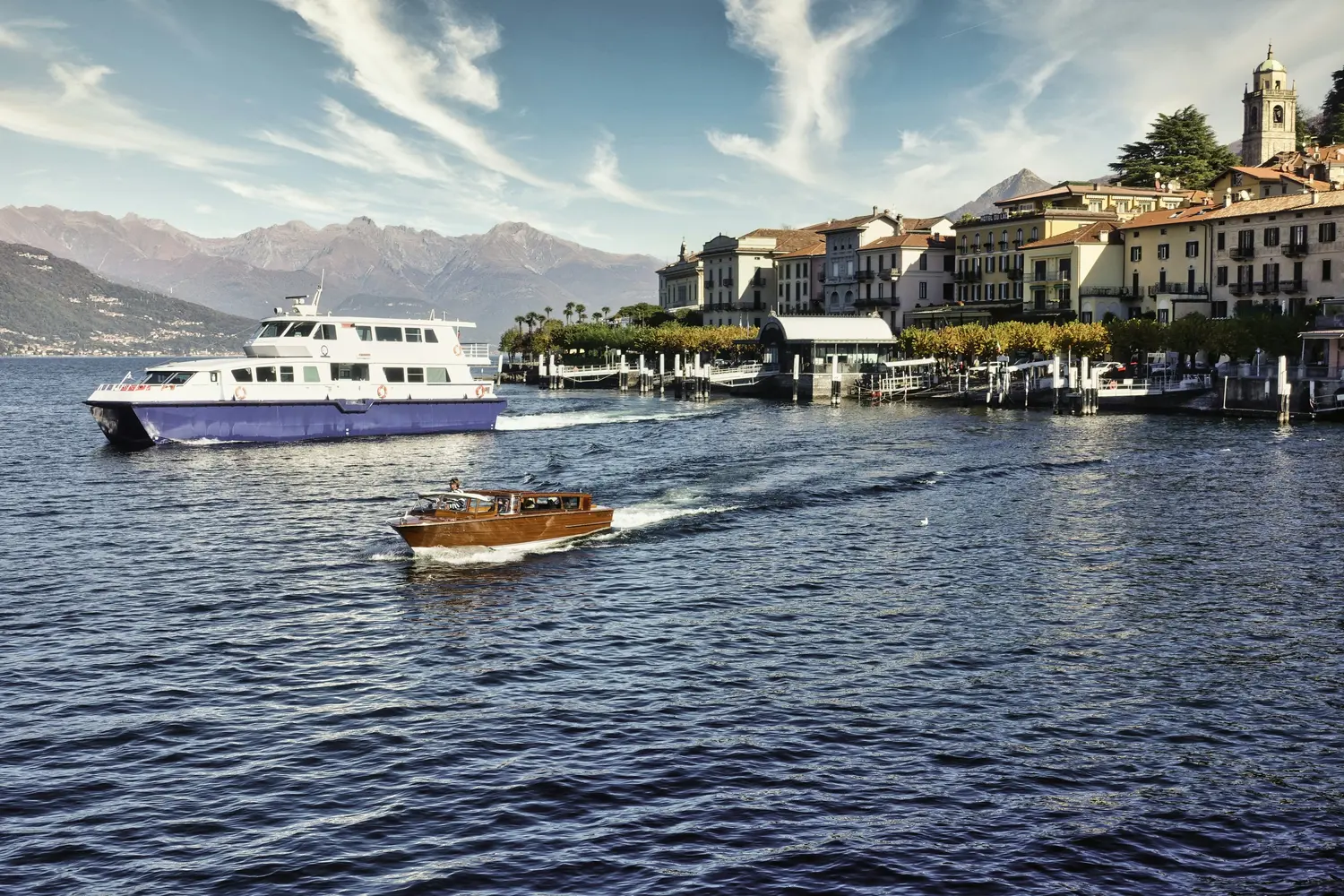
Essential for reaching major islands and exploring coastlines like the Amalfi Coast. If you are refining your packing list for Italy in summer, be sure to pack motion-sickness remedies for hydrofoils, which move passengers quickly across open waters while large motor vessels carry vehicles.
- Cost: €15–€40 for passengers; €60–€150+ for vehicles.
- Book via: Ferryhopper.
- Insider Tip: Rough summer seas can cancel morning hydrofoils without warning, so check the operator's website before heading to the port to see “how to get around in Italy” coastal zones that day.
- Duration: Sorrento to Capri takes 25 minutes on a fast hydrofoil.
Metro in Italy
Subways operate in major hubs like Rome and Milan to bypass heavy street traffic. This reliable form of public transport in Italy connects primary train stations directly to historic monuments.
- Cost: €1.50–€2.20 per single ticket.
- Book via: Tap your contactless credit card directly at the turnstiles.
- Insider Tip: You must use the exact same phone or card to tap out at your exit station to avoid maximum fare charges on public transportation in Rome, Italy.
- Duration: Stazione Termini to the Colosseum takes 5 minutes.
Read more: Looking to escape the massive crowds and explore secret towns, quiet coastal villages, and hidden regional gems? Read our blog👉 25 Best Places to Visit in Italy Beyond the Tourist Trail
Trams and Light Rail in Italy
Above-ground transit systems operating down major avenues in cities like Florence, Rome, and Milan. They are great for mid-distance city hops right through busy neighborhoods to check off the top things to do in Italy.
- Cost: €1.50–€2.00 per ride.
- Book via: Purchase tickets at local tobacco shops (Tabaccherie) before boarding.
- Insider Tip: Older vintage trams do not have ticket machines on board, so validate your pre-purchased paper ticket instantly upon stepping inside.
- Duration: Crossing central Florence takes about 12 minutes.
Taxis and Rideshares in Italy
Best used when carrying heavy luggage or during late-night hours when standard urban networks close down. Official cabs operate with regulated meters from specific street zones.
- Cost: €10–€30 for typical city trips; flat rates apply to airports.
- Book via: itTaxi app or official street taxi ranks.
- Insider Tip: Legitimate city taxis are always painted white and feature an official city emblem on the front door.
- Duration: A cross-town ride in Rome takes 15 to 25 minutes depending on traffic.
Biking in Italy
Ideal for exploring flat northern cities or cycling along historic town walls like those in Lucca. These specific Italy travel tips help you avoid biking on heavy urban hills where traffic gets incredibly chaotic.
- Cost: €1–€4 per hour for app rentals; €15–€40 per day at shops.
- Book via: Ridemovi or Lime apps.
- Insider Tip: Slick cobblestones and tram tracks present major hazards, so always cross rail tracks at a sharp perpendicular angle to keep your wheels steady while managing local transportation in Italy.
- Duration: Cycling around Lucca’s historic city walls takes 20 minutes.
Read more: Want to dive deeper into local culture before arriving? Uncover fascinating historical trivia, unique traditions, and surprising facts that make this country truly special. Read our blog👉 20 Fun Facts About Italy You Probably Didn't Know
Best Transport Apps for Italy
Navigating your routes manually is a quick way to stress yourself out during a busy trip. You should download these essential tools to simplify your daily public transport in Italy:
- Google Maps works perfectly for pulling up real-time urban bus tables and walking paths.
- Trenitalia and Italo Treno allow you to purchase high-speed rail tickets instantly on your phone.
- Citymapper offers the most accurate connection alerts inside major city centers like Milan.
- itTaxi lets you summon official metered cabs directly without trying to hail them on the street.
Read more: Timing your European escape makes a massive difference. Discover seasonal weather shifts, peak crowd patterns, and regional festival calendars to choose your ideal months. Read our blog👉 Best Time to Visit Italy: Weather & Travel Tips
Getting To/From the Airport
Rome Fiumicino Airport (FCO)
- Distance/time from center: 19 miles; approximately 30 to 45 minutes.
- Train option: Leonardo Express runs every 15 minutes, costing €14 for a 32-minute direct trip.
- Bus/shuttle option: Terravision shuttle coaches cost around €6 to €11 and take 45 to 60 minutes.
- Taxi/rideshare option: Official white cabs charge a fixed rate of €55, taking about 40 minutes.
- Private transfer option: Pre-booked vehicles meet you at arrivals, starting around €85 for total convenience.
Milan Malpensa Airport (MXP)
- Distance/time from center: 30 miles; roughly 45 to 60 minutes depending on traffic.
- Train option: Malpensa Express runs directly to Milano Centrale or Cadorna for €15.
- Bus/shuttle option: Terravision or Autostradale budget coaches cost €10 and take about an hour.
- Taxi/rideshare option: Regulated city ordinance white taxis charge a steep flat rate of €110.
- Private transfer option: Premium door-to-door cars are available to reserve online starting around €120.
Venice Marco Polo Airport (VCE)
- Distance/time from center: 8 miles; travel time varies greatly between land routes and water routes.
- Water bus option: Alilaguna water lines run to St. Mark's Square for €15, taking 80 minutes.
- Bus/shuttle option: ATVO express land buses reach Piazzale Roma in 20 minutes for €10.
- Taxi option: Standard land taxis charge a fixed fee of €40 to Piazzale Roma, taking 15 minutes.
- Private transfer option: Luxury water taxis provide direct hotel dock drops for €120 to €140.
Read more: Planning your ultimate Italian itinerary? Explore this comprehensive guide covering top destinations, cultural highlights, and practical tips for an unforgettable getaway. Read our blog👉 Complete Italy Travel Guide: Where to Go and What to Know
Which Transportation Option Is Best for You?
Finding the right balance between speed and your vacation budget is the secret to a great trip. Review this quick breakdown to choose the option that matches your plans.
| Mode | Best for | Avg. Cost | Avg. Time | Book via |
|---|---|---|---|---|
| Train | City-to-city travel, avoiding traffic, comfort | €20 – €90 | Rome to Florence: ~1.5h | Trenitalia / Italo |
| Bus | Mountain regions, strict budgets, small towns | €5 – €25 | Naples to Sorrento: ~1.5h | FlixBus / Itabus |
| Taxi | Late-night transit, heavy bags, short hops | €10 – €30 | Cross-town ride: ~20 mins | itTaxi app |
Read more: Preparing for international departure? Learn about essential entry rules, passport validity requirements, and necessary travel documents needed before boarding your flight. Read our blog👉 Do You Need a Visa to Go to Italy? Complete Entry Requirements Guide
Italy Transportation Checklist
When planning a smooth vacation, adding the right items to your Italy packing list is only half the battle. You must make sure your transit logistics are completely sorted before you fly out:
- Main transport routes mapped out
- Train and bus reservations secured
- Airport express transfers decided
- Local transport apps downloaded
- City transit passes researched
- Rental car parameters verified
- International Driving Permit carried
- Vehicle insurance policies active
- Seasonal ferry schedules checked
- Last midnight transit times confirmed
- Offline maps saved locally
Read more: Calculating your upcoming travel expenses? Get detailed cost breakdowns for accommodations, local dining, train tickets, and daily sightseeing across all budget levels. Read our blog👉 How Much is a Trip to Italy? Real Costs for Every Budget
Stay Connected While Navigating Italy
Getting around Italy using apps like Trenitalia, Citymapper, or itTaxi means you need reliable internet in Italy. Live train updates, ferry schedules, and mobile transit tickets all require a steady data connection while moving between cities.
Setting up a Jetpac Italy eSIM gives you mobile data as soon as you arrive, so you can skip station SIM shops and avoid roaming charges. If your data runs low, essential apps like Google Maps stay active so you can still find your route.
Choosing the best eSIM for Italy travel keeps you connected on local mobile networks and lets you share data with your other devices. Grab a plan before heading out to keep your travel routes simple.
FAQs
What is the easiest way to get around Italy?
The easiest way is by high-speed train, which directly connects major city centers like Rome, Florence, and Venice quickly without the heavy hassle of managing luggage.
Is public transportation good in Italy?
Yes, public transport in Italy is excellent and straightforward, offering visitors an extensive network of fast trains, metropolitan subways, urban vintage trams, and efficient coastal holiday ferries.
Do I need to rent a car in Italy?
A car rental is only essential if you want deep access to rural areas like the Tuscan countryside vineyards or small historic towns missing from standard train routes.
Is it better to travel around Italy by train or bus?
High-speed trains are superior for fast, direct travel between major city centers, while regional buses are better for bridging transit gaps in mountainous areas like the Dolomites.
Can I use ride-hailing apps in Italy?
You should skip standard Uber entirely while traveling. Instead, use the dominant local itTaxi app to summon official, metered white city cabs directly to your precise location.
Do I need an eSIM to use maps and transport apps in Italy?
Yes, you need steady data for live transit updates. Choosing the best data route depends on your needs, but a Jetpac eSIM for Italy is a solid option for constant connectivity.
Is public transport safe/reliable in Italy?
Yes, choices like rail transport in Italy are highly reliable, though rough summer seas can occasionally cancel coastal hydrofoil ferry departures to the islands without any warning.
What's the cheapest way to get around Italy?
Intercity buses like FlixBus and local urban networks provide the most affordable form of transportation in Italy for tourists trying to manage a strict vacation budget.
Do I need an international driving permit?
Yes, to secure a car rental, you must bring your regular domestic driver's license along with an official International Driving Permit to satisfy all legal roadside requirements.
What's the fastest way between Rome and Florence?
Taking a high-speed train is the absolute fastest option available, which simplifies local transportation in Rome, Italy, and drops you in Florence in just 1.5 hours.
Disclaimer
The information in this blog is based on travel data and local information available to the Jetpac team at the time of writing in 2026. Entry requirements, local rules, fees, and travel details are subject to change without notice. We recommend checking official government and tourism websites before travelling. Jetpac is not responsible for any changes or travel outcomes based on this content.
Get connected as soon as you land with a Jetpac travel eSIM.