
Travel Tips for Italy: 25 Things to Know Before You Go
Italy is easiest to navigate with trains, advance bookings, some cash, and an awareness of ZTL driving rules, coperto charges, scams, and local etiquette. Visit in April, May, September, or October, carry sturdy shoes, set up mobile data before arrival, and plan 7–10 days for a first trip.
The most useful Italy travel tips cover ZTL (zona traffico limitato, or limited traffic zone) driving restrictions, Venice's day-tripper fee, how tipping and the coperto cover charge work, and how to avoid common scams in Rome, Florence, and Venice.
Book major sights and trains ahead, carry a little cash, and sort out mobile data before you land.
Italy rewards planning more than most European destinations. Small missteps, such as driving into a restricted city center, skipping a train reservation, or misreading a restaurant bill, can cost real money or derail a day.
A short set of tips for visiting Italy goes a long way toward avoiding them.
This blog is written for first-timers, families, and budget-conscious travelers alike. It covers planning, transport, money, local customs, safety, connectivity, and common mistakes that catch most visitors off guard, so you can focus on the food, art, and scenery.

These Italy travel tips for first-timers pair well with a look at fun facts about Italy, for anyone who wants the practical essentials and a little trivia before they go.
Read more: Planning your first trip to Italy? Complete Italy Travel Guide: Where to Go and What to Know covers destinations, local transport, costs, and essential travel information to help you prepare.
Italy Travel Tips at a Glance
Here are the things to know before visiting Italy that matter most. Most visitors from the US, UK, Canada, and Australia do not need a visa for short stays, but a new European travel authorization is due to start in late 2026.
Trains are the easiest way to move between cities, cash still matters in smaller towns, April, May, September, and October are the best months, and driving into a historic center without checking for a ZTL is one of the most common and expensive tourist mistakes.
These essential Italy travel tips are worth reading before the full list below.

25 Essential Travel Tips for Italy
These are the best travel tips for Italy for a first visit, grouped by topic and numbered straight through so the list works as a pre-trip checklist on its own.
Best Time to Visit Italy
#1. Aim for April, May, September, or October
These shoulder-season months bring comfortable weather, lower accommodation prices, and thinner crowds at major sites than peak summer. Late spring and early fall are also the best windows for the coast and the Tuscan countryside.
#2. Plan around the August heat and Ferragosto
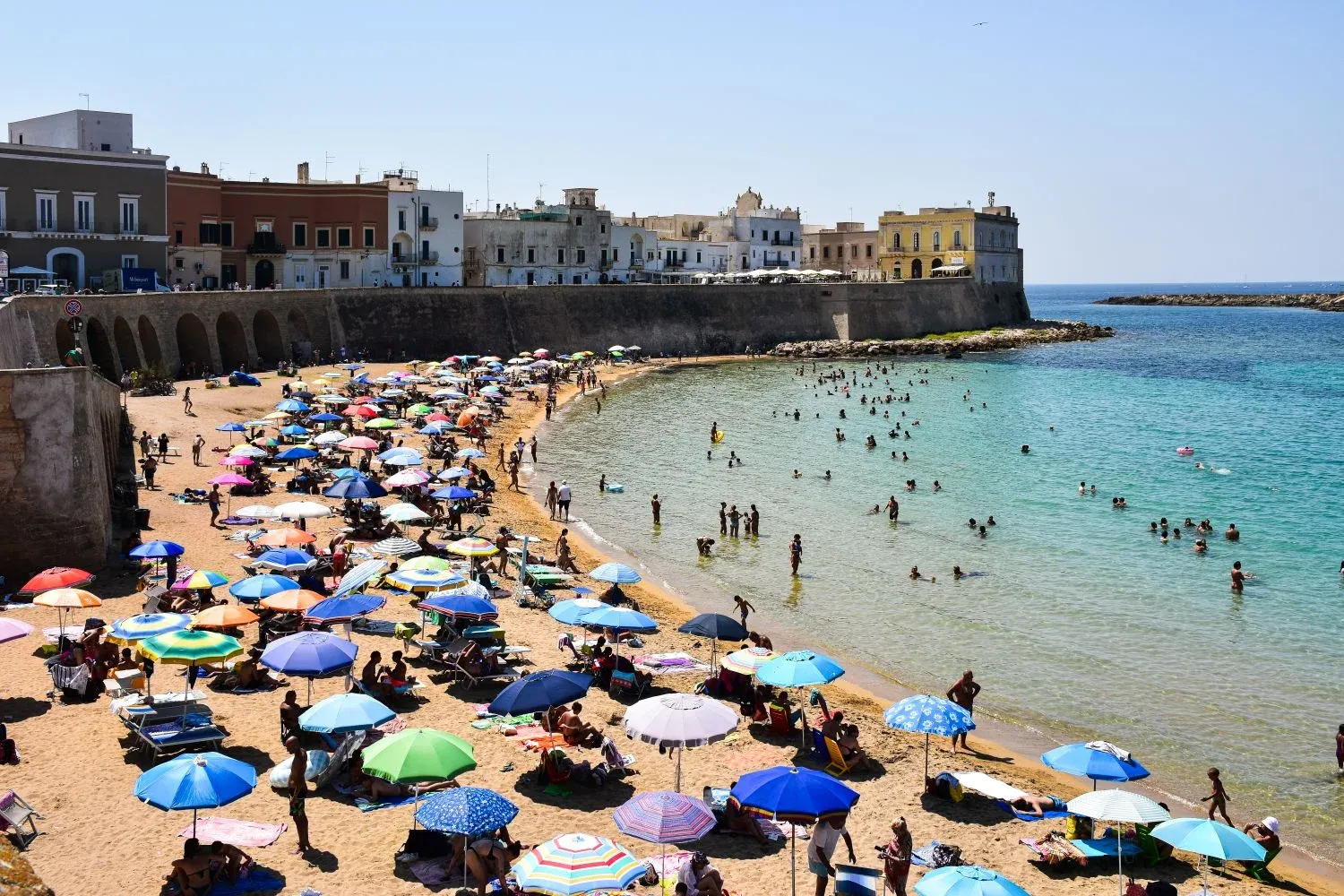
Many family-run restaurants and shops close for part or all of the Ferragosto holiday around August 15, and southern Italy can reach about 42°C (108°F) in July and August.
Italy travel tips often skip the heat, but it shapes everything from sightseeing hours to where you stay.
Getting There and Getting Around
#3. Check visa and entry rules for your passport before booking
Citizens of about 60 countries, including the US, UK, Canada, and Australia, can enter Italy visa-free for up to 90 days in any 180-day period across the Schengen Area, the group of 29 European countries with shared border rules.
Passports should be valid for at least 3 months beyond departure. Travelers from countries such as India need a Schengen visa, which requires proof of at least €30,000 in medical insurance.
Two newer systems also matter
The Entry/Exit System (EES) now registers fingerprints and a photo at the border, and the European Travel Information and Authorisation System (ETIAS), a €20 online authorization valid for 3 years, is scheduled to launch in the last quarter of 2026, so check whether it applies to your travel dates.
Read more: Before booking your flights, check Do You Need a Visa to Go to Italy? Complete Entry Requirements Guide for visa requirements, passport validity, and key entry considerations for your nationality.
#4. Book High-Speed Trains Early, and Validate Regional Tickets
Trenitalia and Italo both run frequent service between Rome, Florence, Milan, and Venice, and the best Italy travel tips for transport all start with trains. Fares climb as departure gets closer.
Paper regional tickets without a set date and time must be validated in the small green machines on the platform before boarding, or you risk a fine. The Trenitalia app handles tickets, platform numbers, and delays, while Moovit covers local buses, metro, and Venice's water buses.
A dedicated guide on how to get around in Italy covers regional trains, ferries, and car rental in more depth.
#5. Check for a ZTL Before Driving Into Any Historic Center
A ZTL restricts most non-resident vehicles from city centers, often with signs that are easy to miss and only in Italian.
Fines run about €100 per passage, and the notice can arrive up to 360 days later, sometimes through a rental company that adds its own fee.
Park outside the zone, ask your hotel to register your plate if you must drive in, and check urbanaccessregulations.eu for the cities on your route.
Where to Stay
#6. Choose a Rome base by budget
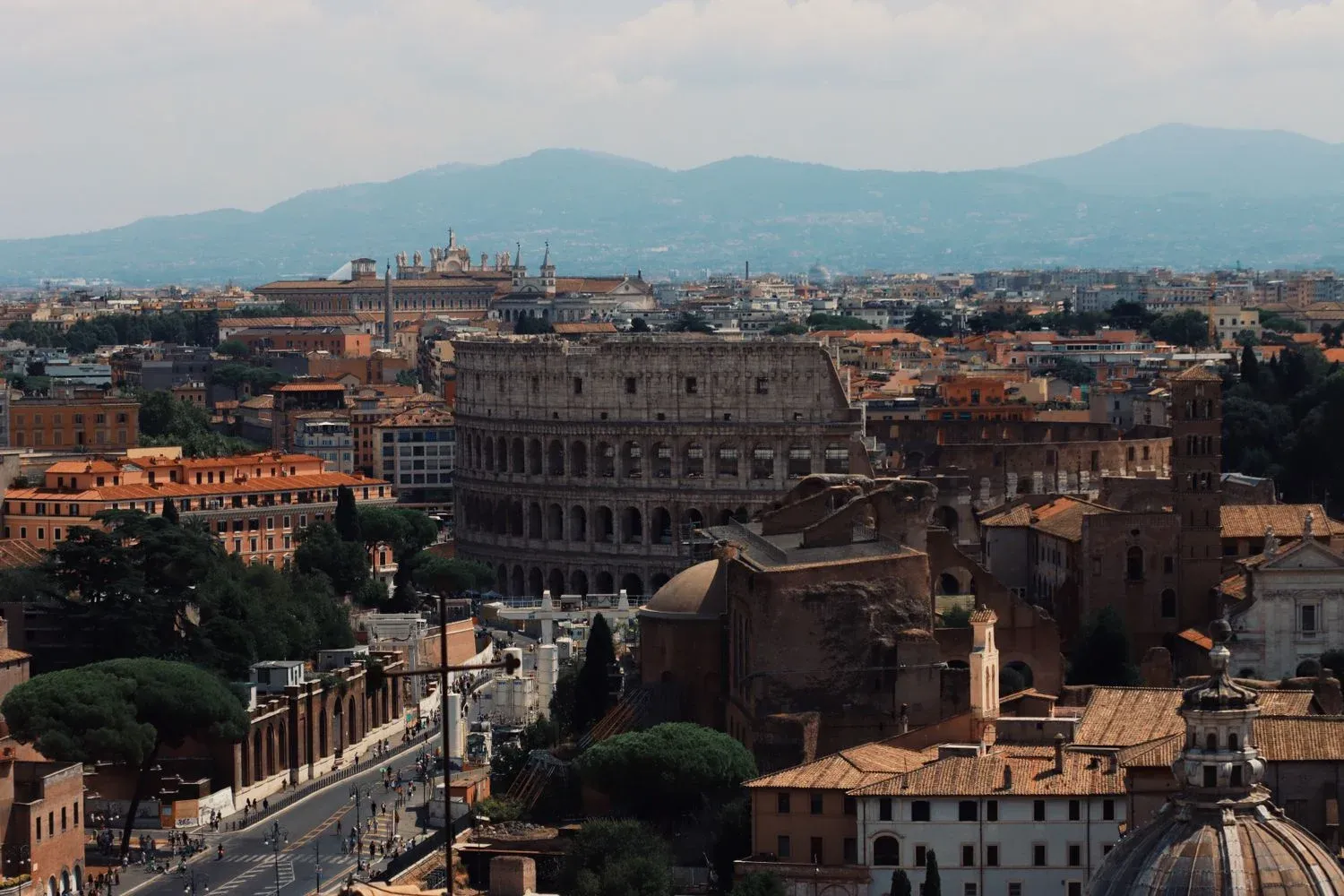
Trastevere and Monti suit mid-range travelers, with walkable access to major sights and a livelier, more local evening scene than the streets right around the Colosseum or Vatican.
Budget travelers often find lower prices around San Lorenzo or a few metro stops out from the center, while luxury travelers tend to look near the Spanish Steps and Via Veneto.
#7. In Venice, stay away from the train station area if budget allows
Cannaregio and Dorsoduro offer a calmer base than the busy zone around Santa Lucia station, and both are easier on a mid-range budget than a room on the Grand Canal. Staying overnight also exempts you from the day-tripper fee covered below.
Read more: Want to discover places beyond Italy’s best-known cities? 25 Best Places to Visit in Italy Beyond the Tourist Trail highlights lesser-known destinations and alternative stops to consider for a more distinctive Italian itinerary.
Money and Budgeting
#8. Carry some cash, and use bank ATMs
Cards are widely accepted in cities, but some family-run trattorias, markets, and small-town shops prefer cash or set a card minimum.
Withdraw from ATMs attached to bank branches, and always choose to be charged in euros rather than your home currency if the machine offers a conversion.
#9. Learn what "coperto" means before assuming you've been overcharged
Coperto is a fixed per-person cover charge for table service, separate from any tip. A "servizio" charge is a different line for service, and it is sometimes already built into the bill.
A few Italy travel tips and tricks save more confusion than understanding these two terms before the first restaurant bill arrives.
#10. Tip lightly, if at all
Tipping in Italy is a discretionary thank-you rather than an expectation. Rounding up a restaurant bill or taxi fare, or tipping a private guide for a great experience, covers most situations.
For daily costs by city and travel style, see How Much is a Trip to Italy.

Safety Tips
#11. Watch for the classic Rome street scams
The "free" friendship bracelet, the rose handed to couples, the clipboard petition, and the "spilled" drink are all set-ups for a payment demand or a pickpocket working the distraction.
People posing as plainclothes police and asking to check your wallet are also fake, since real officers do not do this. Decline politely and keep walking.
#12. Confirm taxi fares before you get in
Taxis from Rome's Fiumicino airport to the center inside the Aurelian Walls have a fixed fare of €55. A driver claiming a broken meter or quoting a different price is a common overcharging attempt.
Use official white taxis or a booking app such as FREENOW.
#13. Keep bags zipped and in front of you on crowded transport
Rome's bus 64 and Venice's vaporetti (water buses) are known pickpocket hotspots, and Termini station and its surroundings call for extra care at night. Italy's emergency number is 112 for police, ambulance, and fire.
Local Customs and Etiquette
#14. Dress modestly for churches
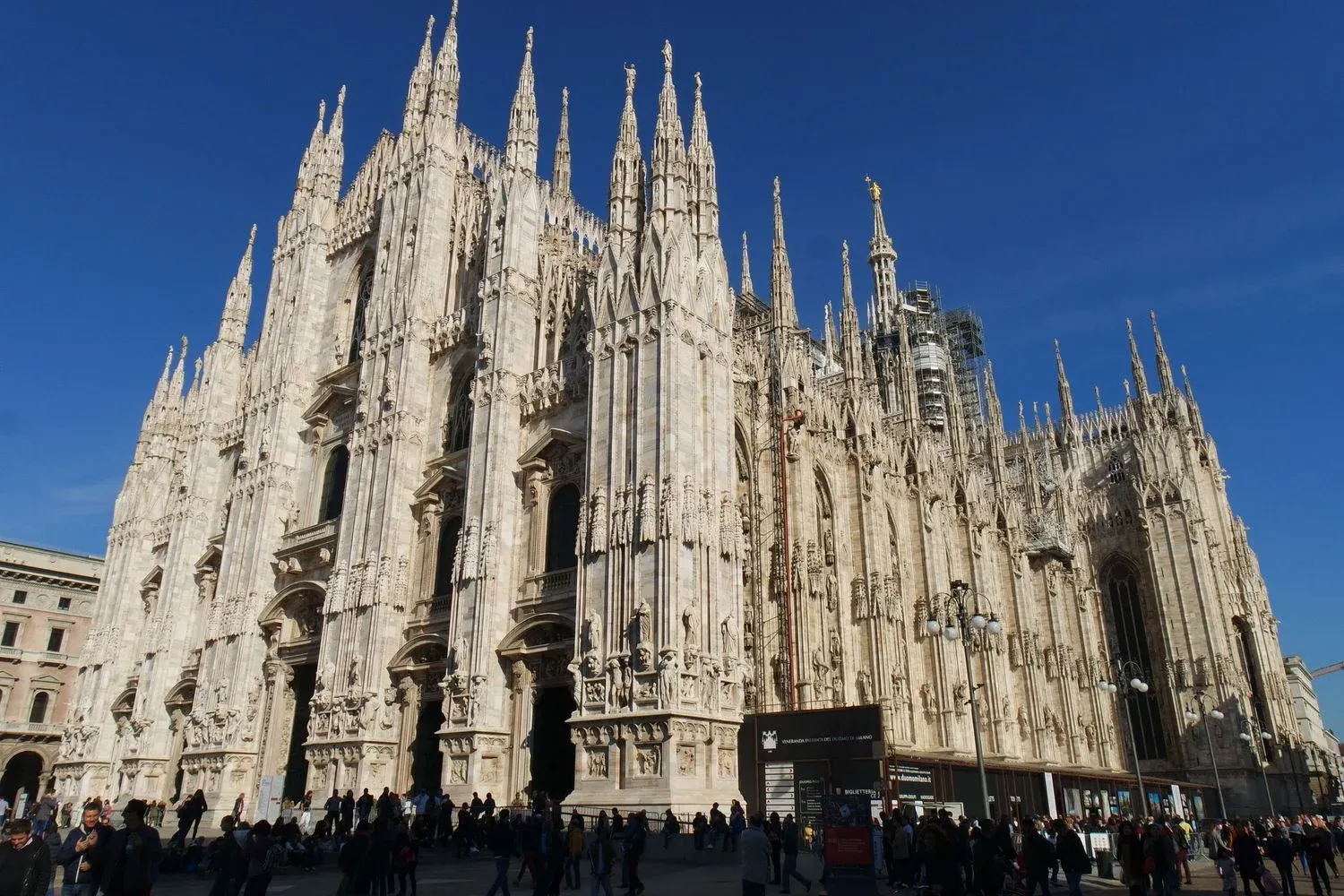
Among the Italy travel tips on etiquette, this one is enforced. Most major churches, St. Peter's Basilica, and the Vatican Museums require covered shoulders and knees, and staff turns people away at the door.
A light scarf or shawl in the day bag solves it on short notice.
#15. Order cappuccino with breakfast, not after a meal
Italians usually drink milky coffee in the morning and switch to espresso later in the day. Standing at the bar is also cheaper than sitting at a table, where a service surcharge often applies.

#16. Greet shopkeepers and servers with "buongiorno" or "buonasera"
Use buongiorno until early afternoon and buonasera after that. Launching straight into a request without a greeting reads as abrupt, even in a quick transaction.
What to Pack
#17. Pack sturdy shoes for cobblestones
Rome, Florence, and most Italian old towns are paved in uneven cobblestones that wear out thin-soled sandals fast, and Venice adds miles of bridges and steps. A sturdy walking shoe matters more here than in most European capitals.
#18. Bring a universal adapter or a Type C plug
Italy runs on 230V with Type F, Type L, and Type C sockets, and older buildings often have Type L. North American travelers should check that devices are dual voltage, which most phone and laptop chargers are.
A dedicated Italy packing list covers seasonal clothing in more detail, from winter layers in the north to lighter outfits for a southern summer.
Food and Drink Tips
#19. Fill your bottle at Rome's "nasoni" fountains
The city's roughly 2,500 public drinking fountains carry the same safe water as the tap, and tap water is generally safe to drink across Italy. Fill a bottle from the stream rather than putting your mouth on the spout.
#20. Eat regionally, and ask about dietary needs
Carbonara and cacio e pepe in Rome, seafood on the Amalfi Coast, and bistecca alla fiorentina in Tuscany all taste different from the versions served elsewhere, and a menu with photos in many languages is usually a sign to look elsewhere.
Vegetarian dishes are easy to find, and restaurants commonly handle gluten-free requests, so say "senza glutine" when ordering.
Staying Connected in Italy
#21. Sort out data before you land, not after
Of all these Italy travel tips, this one saves the most time on arrival day. Italy has good 4G and 5G coverage in cities, but hotel Wi-Fi varies, and signal can drop in mountain valleys and small hill towns.
A travel eSIM installed before departure means offline maps, train times, translation, ride bookings, messages to your hotel, and emergency calls work the moment the plane lands, without a SIM counter stop or patchy airport Wi-Fi.
Download offline Google Maps areas and a translation app such as DeepL as a backup.
For an easier setup, Jetpac lets you install your eSIM for Italy before your trip and connect when you arrive in Italy, so you can stay online without swapping your physical SIM. It also supports hotspot sharing, which is useful if you're travelling with a laptop or another device.
If you run out of your main data allowance, Jetpac also provides free access to essential apps such as Google Maps, WhatsApp, Uber, and Grab, helping you stay connected when you need the basics most.

If you're travelling across multiple European countries, you can use the Jetpac Europe eSIM across covered destinations instead of buying a separate SIM every time you cross a border.
Set it up before leaving home while you have reliable Wi-Fi, then activate it once you arrive.
Read more: Want to compare your connectivity options before departure? How to Get Mobile Internet in Italy explains mobile data options, SIM cards, eSIMs, and roaming to help you stay connected during your trip.
#22. Compare an eSIM against a local SIM and roaming
A local SIM means registering with your passport and finding a shop. Roaming is convenient but often costs more per day. Jetpac connects to TIM, Vodafone, and WindTre in Italy and switches between them automatically, and plans include an unlimited hotspot.
Jetpac's eSIM is data only, and in-app calling starts at $1.99 per 5 minutes if you need to ring a restaurant or taxi. Our Best eSIM for Italy Travel guide breaks down plans, and you can check whether your phone will work in Italy before you buy.
Health and Travel Insurance
#23. Buy travel insurance, and check what it covers
Italy's public healthcare is reliable, but non-EU visitors generally pay at the point of care, so medical and trip-cancellation cover are worth having. No vaccinations are required for most travelers, though routine vaccines should be up to date.
Pharmacies (marked with a green cross) can handle most minor issues without a doctor, and hospital emergency departments are called pronto soccorso.
Local Laws and Things That Catch Tourists Off Guard
#24. Don't sit, eat, or drink on monument steps, and respect photography rules
Rome's rules on sitting, eating, and drinking at landmarks, including the Spanish Steps, carry fines of up to €400. Photography is banned in the Sistine Chapel, and many museums prohibit flash and tripods.
#25. Know the drone, alcohol, and drug rules
Drones are restricted around historic centers, airports, and archaeological sites and are subject to Italian aviation rules, so check before flying one.
The legal drinking age is 18, some cities limit takeaway alcohol late at night, and drug laws are strict, including for cannabis.
What Should You Book in Advance For Italy?
Responsible and Sustainable Travel in Italy
The Italy travel tips 2026 visitors need most include new rules in places such as Venice, Capri, and the Dolomites. These are easy to miss in older travel guides.
Check Venice's Day-Tripper Access Fee
Venice charged a day-tripper access fee on 60 days in 2026, from April 3 to July 26, between 8:30 am and 4 pm. The fee was €5 when booked at least four days in advance and €10 when booked later.
Overnight guests and children under 14 were among those exempt from the fee.
The city sets the dates for each year, so check the official Venice website before your trip. The fee was introduced because peak days brought nearly 25,000 visitors to the historic center, which has fewer than 50,000 residents.
Follow Capri's Tour Group Rules
Capri limits organized tour groups to 40 people. Groups of more than 20 people must also use earpieces instead of loudspeakers.
If you are joining a guided tour, choosing a smaller group can make the experience more comfortable while also reducing the impact of large crowds.
Respect the New Rules in Santa Maddalena
In the Dolomites, the village of Santa Maddalena banned cars from driving to its famous church from May 2026. Visitors now need to park farther away and walk to the church.
This helps protect the village and its surroundings while reducing traffic around one of the area's most popular sights.
Choose Slower and Smaller Travel
These rules are not a reason to skip Venice, Capri, or the Dolomites. Instead, visit on weekdays when possible, stay overnight rather than taking a day trip, and choose a small tour operator instead of a mass-market group.
Travelling this way can help reduce pressure on crowded destinations while giving you more time to experience them.
Respect Religious Sites and Wildlife
When visiting churches and other religious sites, keep your voice down, avoid flash photography, and respect any services taking place.
Do not feed pigeons in Venice's Piazza San Marco, where feeding them is banned. In the Dolomites and Italy's national parks, keep your distance from wildlife and avoid disturbing animals.
Common Mistakes to Avoid in Italy
These tips for visiting Italy assume a first trip, and the mistakes below catch first-timers most often.
- Driving into a ZTL: check the route and park outside the historic center
- Not validating a regional train ticket: stamp paper tickets in the green machine before boarding
- Assuming coperto is a scam: it is a legal cover charge, so check the menu for it
- Not booking major sights ahead: reserve the Colosseum, Vatican Museums, and Borghese early
- Visiting in mid-August: expect closures and heat, or plan for the coast
- Eating on monument steps: use a bench or café to avoid a fine of up to €400
- Skipping the Venice fee on an applicable date: book it online in advance

Tips for Different Types of Travelers
These Italy travel tips for first-timers apply broadly, but a few things shift depending on who is traveling.
Solo travelers
Italy's train network and compact historic centers make solo travel easy, especially on the well-worn Rome, Florence, and Venice route. Hostels and small guesthouses make it easy to meet other travelers.
Solo female travelers
Italy is generally safe in tourist areas. The usual habits apply, such as watching your drink, confirming taxi fares, and avoiding empty streets late at night.
Families and travelers with kids
Italian state museums are free for visitors under 18, and trains are far easier with young kids than long drives between cities. Book family rooms early in peak months.
Senior travelers
Cobblestones and limited elevators in older buildings are worth planning around. Elevator-equipped or ground-floor lodging is worth the extra cost in Rome and Florence.
LGBTQ+ travelers
Major cities are generally welcoming, and Rome and Milan host large Pride events. Smaller towns and the south tend to be more conservative.
Travelers with disabilities
Venice's bridges and Rome's cobblestones create real accessibility challenges. Rail assistance services and newer trains help, but check specific routes and venues ahead of time.
Sample Itinerary for a First Trip to Italy
A 7-10 day first visit works well as Rome (3-4 days), Florence (2 days), and Venice (2 days), connected by high-speed train. Add a day or two for the Amalfi Coast or Cinque Terre depending on the season.
Travelers short on time often cut this to Rome and Florence rather than rushing three cities in under a week. Most Italy travel tips assume this classic route, and a separate guide covers things to do in Italy region by region.
Read more: Need an itinerary that fits your schedule? Italy Itinerary: Perfect 3, 5, 7, 10 & 14-Day Italy Trips offers trip plans for different durations, helping you organise cities, sightseeing, and travel time.
Italy pre-trip checklist
This checklist closes the loop on the tips for visiting Italy above, from entry requirements to what is in your bag.
- Visa or entry requirements confirmed, including ETIAS if it applies
- Passport valid for at least 3 months beyond departure
- Accommodation booked for each city
- High-speed train tickets booked
- Colosseum, Vatican, and other attraction tickets booked
- Venice day-tripper fee booked, if traveling on a fee date
- Travel insurance arranged with medical coverage confirmed
- A no-foreign-transaction-fee card, plus some euros in cash
- eSIM installed and data set up
- Trenitalia, Moovit, and a translation app downloaded, plus Google Maps offline areas
- Weather-appropriate clothing packed, including a modest outfit for churches
- Sturdy walking shoes packed
- Plug adapter packed
- Copies of important documents saved offline and with a trusted contact
FAQs
What is the best way to get around Italy?
High-speed trains on Trenitalia or Italo are the easiest way to move between major cities, and apps like Moovit cover buses, metro, and water buses within cities. Avoid driving into historic centers because of ZTL fines.
Do I need cash in Italy, or can I use a card?
Cards work in most cities, but carry some cash for smaller towns, markets, and older cafes that prefer it or set a card minimum.
What cultural customs should I know before visiting Italy?
Cover shoulders and knees in churches, order cappuccino with breakfast rather than after a meal, and greet shopkeepers with "buongiorno" or "buonasera" before asking for anything.
Do I need an eSIM or SIM card for Italy?
Either works, but an eSIM installed before departure means maps, translation, and bookings are ready on landing, with no SIM counter stop at the airport.
What should I pack for a trip to Italy?
Sturdy walking shoes for cobblestones, a modest outfit for churches, a plug adapter, and layers in shoulder season, when mornings and evenings can be cool.
Is Italy safe for solo travelers?
Generally yes, especially in well-touristed areas, though pickpocketing on crowded transport and taxi overcharging are worth watching for.
How many days do you need in Italy?
7-10 days works well for a first visit covering Rome, Florence, and Venice. Under a week usually means cutting one of the three.
Do I need a visa for Italy?
Visitors from the US, UK, Canada, and Australia can stay up to 90 days in any 180 without a visa. Travelers from some countries, including India, need a Schengen visa in advance, and ETIAS is due to launch in late 2026.
Is Italy expensive?
It spans a wide range. In Rome, expect about $90-130 a day on a budget, $180-260 mid-range, and $450-700 or more for luxury.
Disclaimer
This blog is for educational purposes only. The information in this guide is based on publicly available sources verified in October 2026, including visa rules, fine amounts, fees, and restrictions that can change without notice. Always confirm current entry requirements, local regulations, and fees with official sources before you travel. Jetpac is not responsible for any inaccuracies, changes, or losses arising from reliance on this information.