Top 20 Things to Do in Italy in 2026: Crazy Experiences
Discover 20 things to do in Italy, from the Colosseum and Vatican to truffle hunts, coastal hikes, cave cities, wine country, and midnight walks in Rome, with costs and planning tips.
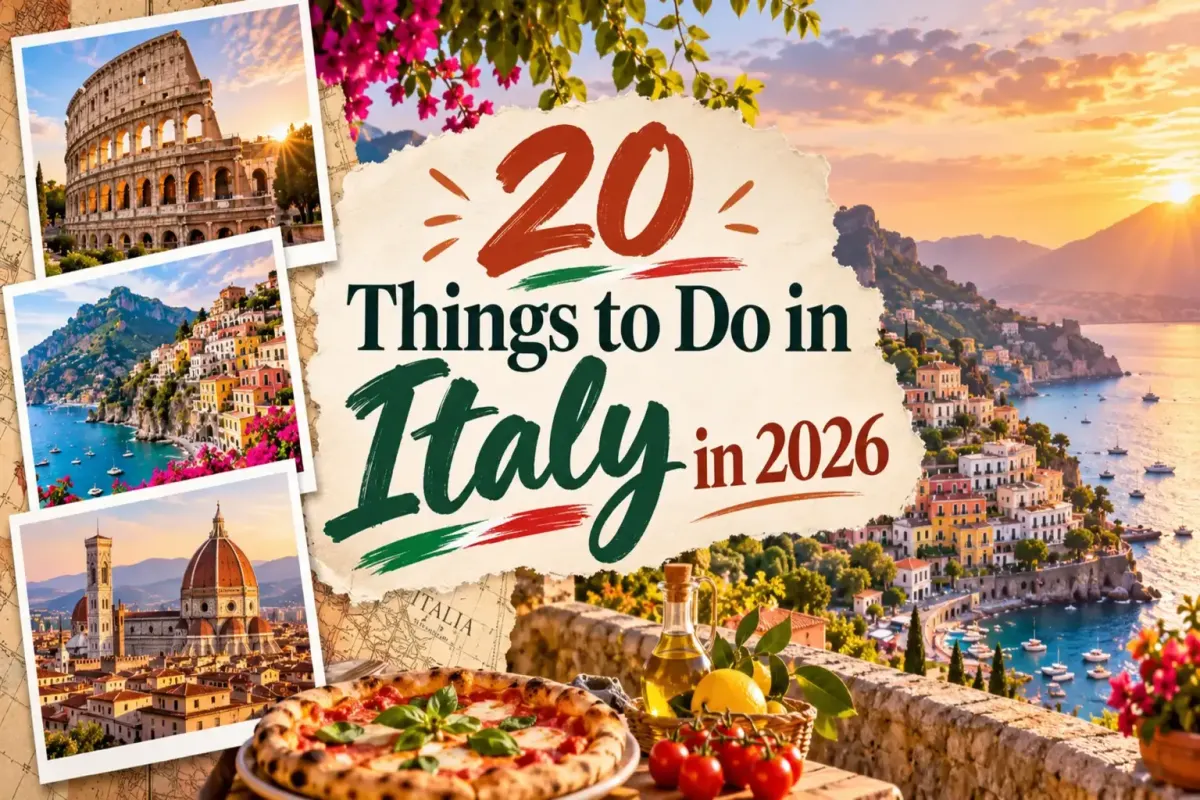
Italy packs 2,000-year-old ruins, Renaissance galleries, volcanic hikes, and cave cities with 9,000 years of continuous habitation within a single country. This covers 20 verified activities in Italy for tourists across all regions, with 2026 costs, booking requirements, and practical timing throughout.
The famous things in Italy that every itinerary includes- the Colosseum, Sistine Chapel, Pompeii, and the Amalfi Coast- all earn their reputation and belong on any first visit.
The surprise entries alongside them- truffle hunting in Umbrian forests, overnight stays in Matera's cave houses, and midnight Trevi walks with almost no one around- make an Italy trip genuinely memorable.
First-time visitors should anchor in Rome and Florence with one Pompeii or Amalfi Coast day trip. Returning visitors should head south to Sicily and Puglia or north to the Dolomites for entirely different ground.

Best Things to Do in Italy at a Glance
Source: Italian Ministry of Culture and official attraction websites; 2026 ticket pricing data.
The best things to do in Italy range from free piazza walks to once-in-a-lifetime mountain experiences. All 20 activities below follow the same structure so you can quickly find what matters most to your trip.
1. Colosseum and Roman Forum
- Why visit: One of antiquity's most significant amphitheaters, with an estimated capacity of 50,000-80,000 under the Roman Empire; combined ticket covers three major sites
- What to do: Arena floor walk; Roman Forum trail along the Sacra Via; Palatine Hill viewpoint across the city
- How long: 3-4 hours for all three
- Best time: 9am opening before tour groups peak; avoid August midday heat
- Cost: USD 18-24 combined; book via Parco Colosseo
- Booking: 4-6 weeks ahead in peak season; 2-3 months for July-August
- Getting there: Metro Line B, Colosseo stop; 5-minute walk
- Insider tip: The Roman Forum is included in the Colosseum ticket; most visitors skip it and miss the best-preserved ancient Roman street in existence
2. Vatican Museums and Sistine Chapel
- Why visit: Michelangelo's ceiling took 4 years to complete and covers approximately 520 square meters across the chapel's vault; the rooms leading to the chapel matter as much as the chapel itself
- What to do: Gallery of Maps (40 painted maps of Italian regions from 1580-1583); Raphael Rooms; Sistine Chapel; St. Peter's dome climb
- How long: 3-4 hours minimum; 5-6 for a measured pace
- Best time: First entry at 8 am or summer evening openings
- Cost: USD 22-27 standard; Vatican Museums official site
- Booking: Essential; book weeks ahead in summer
- Getting there: Metro Line A, Ottaviano stop; 10-minute walk
- Insider tip: St. Peter's Basilica interior is free; dome climb (USD 8-10) delivers the best Rome rooftop view available
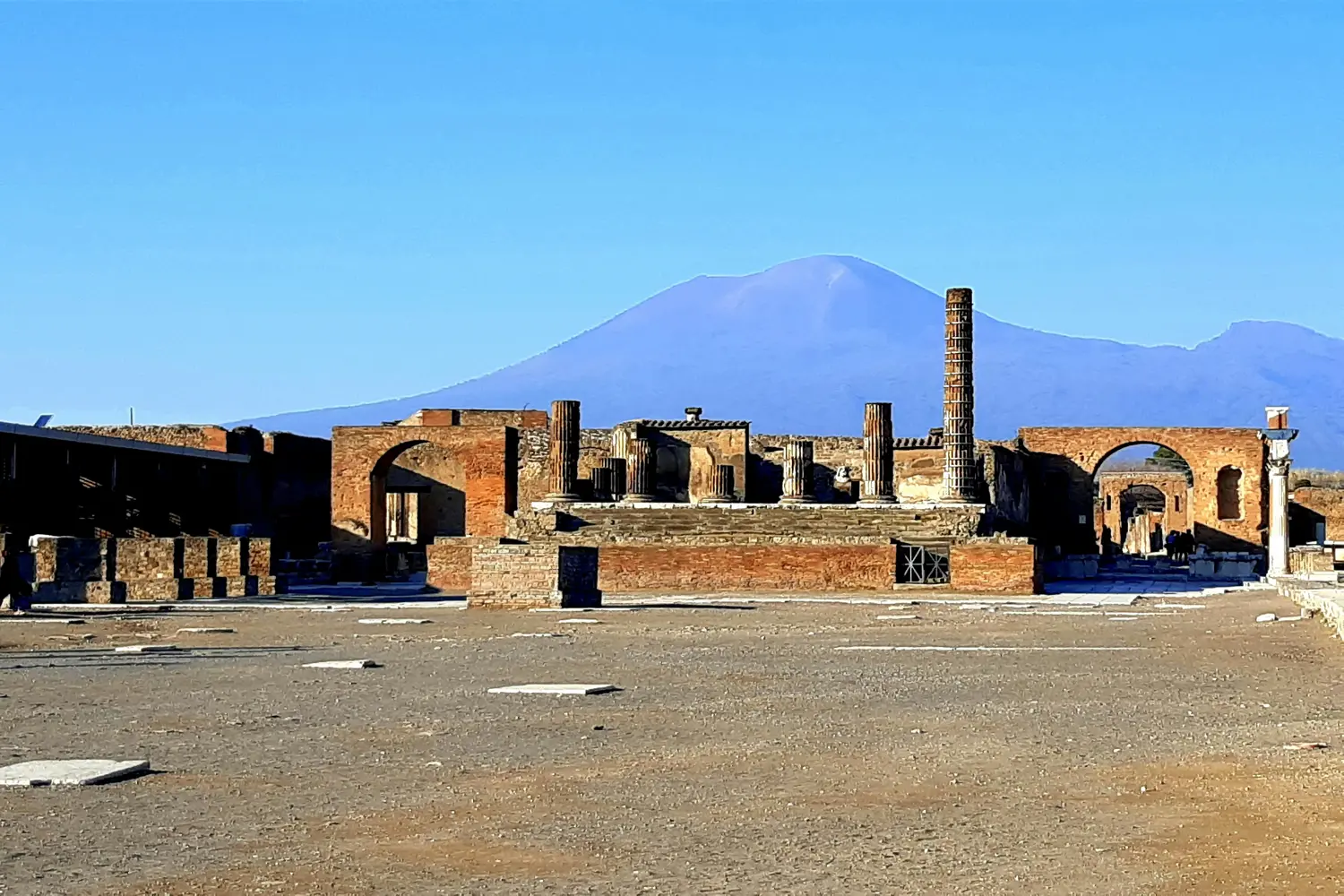
3. Pompeii Archaeological Site
- Why visit: 44 hectares of a Roman city frozen in 79 AD, with streets, homes, and frescoes intact at full scale
- What to do: Street of Abundance; Lupanar; Amphitheater; Villa of the Mysteries frescoes
- How long: 3-5 hours; full day combined with Herculaneum next door
- Best time: Before 9 am; August midday is punishing with near-zero shade across the site
- Cost: USD 18-20; under-18s free; official tickets
- Booking: Advance booking recommended July-August
- Getting there: Circumvesuviana train from Naples, Pompei Scavi station (40 minutes)
- Insider tip: Bring at least 1.5 liters of water; the excavation site has no functioning water points across its full area
4. Dolomites Via Ferrata
- Why visit: Fixed-cable mountain climbing routes across UNESCO World Heritage Dolomite peaks with no mountaineering experience required
- What to do: Tre Cime di Lavaredo circuit; guided via ferrata on Cinque Torri; rifugio mountain lunch stops
- How long: Full day per route
- Best time: Mid-July to mid-September when all high passes clear fully of snow
- Cost: Equipment rental USD 25-40/day; guided half-day from USD 80
- Booking: Guided routes 4-6 weeks ahead in August
- Getting there: Base in Cortina d'Ampezzo or Bolzano; no trains reach the high Dolomites
- Insider tip: The Tre Cime circuit (free trail; USD 4-6 parking) requires no climbing gear and is one of the most widely visited mountain walks in the Alps
5. Truffle Hunting, Umbria
- Why visit: Umbrian black truffles are hunted with trained dogs in forests around Norcia and Spoleto from mid-November through mid-March
- What to do: Forest hunt with trifolau and dog; preparation and tasting lunch; optional Norcia market visit
- How long: Half day including meal
- Best time: December through February for peak black truffle density; white truffles in Piedmont run October through December
- Cost: USD 80-140 per person including meal
- Booking: Essential; most operators require 2-3 weeks ahead
- Getting there: Train to Spoleto, then local transfer to Norcia area operators
- Insider tip: The Norcia central piazza truffle market in November and December is free to attend without booking a hunt
Read more: From costs and transport to regional routing and safety, Italy travel planning covers considerably more ground than any activity list can provide. 👉 Complete Italy Travel Guide: Where to Go and What to Know
6. Uffizi Gallery, Florence
- Why visit: One of the most significant collections of Italian Renaissance painting in the world; Botticelli's Birth of Venus and Primavera occupy dedicated rooms with no equivalent elsewhere
- What to do: Botticelli rooms (Rooms 10-14); Raphael and Michelangelo rooms; Uffizi rooftop Loggia with Duomo views
- How long: 2-3 hours minimum; 4 hours for a thorough visit
- Best time: First entry at opening; Tuesday and Thursday are quieter than weekends
- Cost: USD 22-30; book via uffizi.it
- Booking: 3-4 weeks ahead for shoulder season; 2-3 months for July-August
- Getting there: 10-minute walk from Florence Santa Maria Novella station
- Insider tip: The Uffizi rooftop terrace overlooking the Arno is accessible once inside and free; most visitors walk straight past it
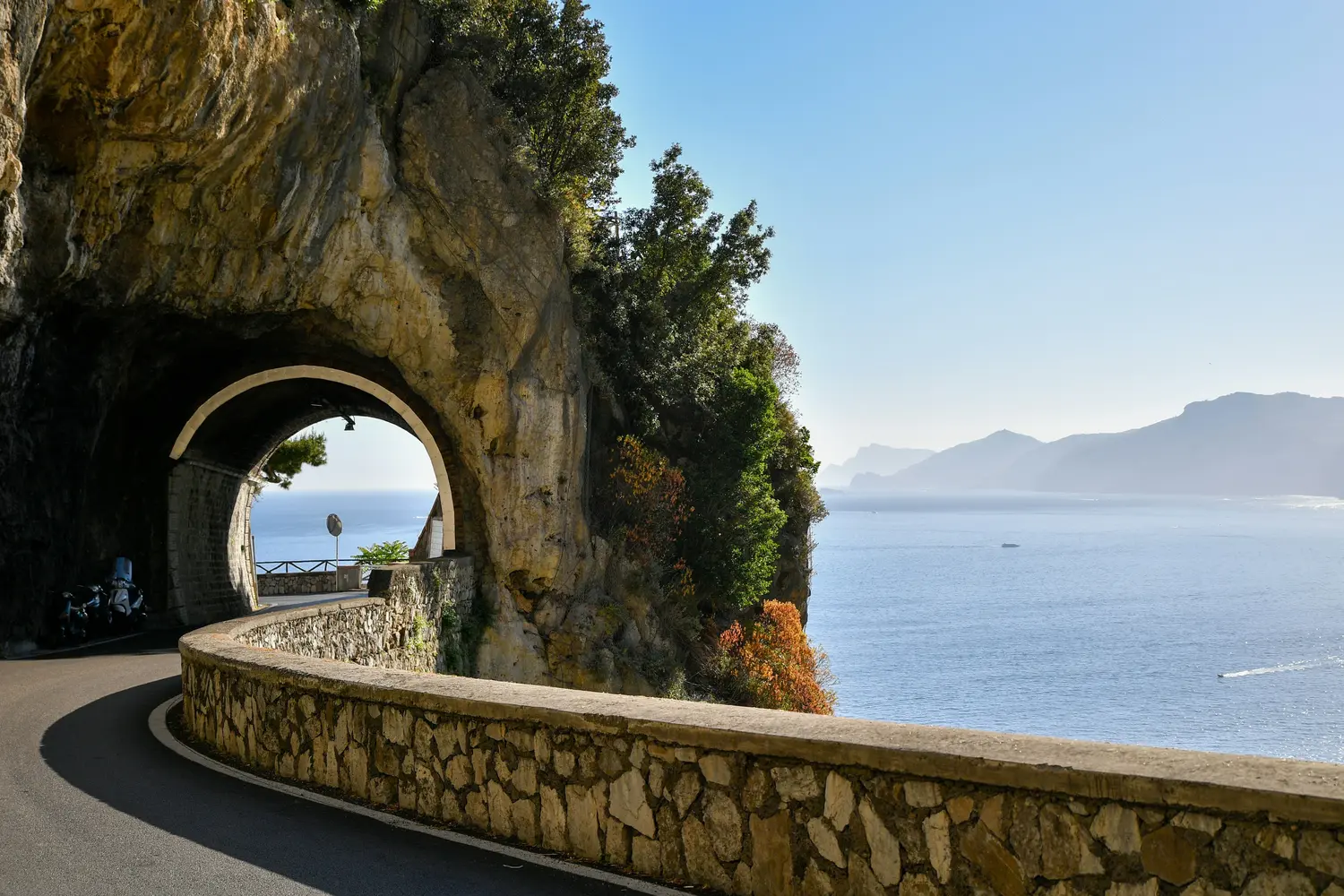
7. Amalfi Coast Drive
- Why visit: 50km of cliff road between Salerno and Sorrento with 13 distinct villages, each occupying a different vertical sea-cliff position above the Tyrrhenian Sea
- What to do: Ravello gardens and Villa Rufolo; Positano beach and ceramics; Amalfi Cathedral crypt
- How long: Full day minimum; 2 nights to see it without rushing
- Best time: May-June and September; July-August roads reach gridlock that adds 2-3 hours to any journey
- Cost: Ferry between villages USD 8-25 per leg; SITA bus USD 2-4; car hire from USD 50/day
- Booking: Accommodation 6 months ahead for July-August; ferries on arrival
- Getting there: Train to Salerno or Sorrento, then SITA bus or ferry into the coast
- Insider tip: Ferry between Positano and Amalfi runs faster than the road bus in peak season and costs under USD 10
8. Cinque Terre Hiking
- Why visit: Five medieval fishing villages connected by coastal footpaths above the Ligurian Sea; no cars operate inside any of the five village centers
- What to do: Sentiero Azzurro between villages; Via dell'Amore section (Manarola to Riomaggiore); village seafood lunch at harbor restaurants
- How long: Half day for one trail section; full day for the complete route
- Best time: April-June and September; July trails reach capacity by 10 am
- Cost: Cinque Terre Card USD 8-19; regional train pass adds USD 5
- Booking: No advance booking for trails; accommodation 4-6 weeks ahead
- Getting there: Train to La Spezia, then Cinque Terre Express to Riomaggiore (10-12 minutes)
- Insider tip: Starting at Monterosso and hiking east means trail difficulty decreases as the day progresses; most walkers do it backwards and hit the hardest sections last
9. Venice Grand Canal
- Why visit: 3.8km waterway lined with more than 200 palaces from the 13th to 18th centuries; no road equivalent exists anywhere in Europe
- What to do: Vaporetto Line 1 full canal journey; Rialto Market morning fish section; Doge's Palace and Bridge of Sighs
- How long: 2-3 hours for the canal itself; full day for the city
- Best time: Early morning before 9 am for Rialto Market; November through March for lowest visitor volumes
- Cost: Vaporetto 75-minute ticket USD 9.50; 24-hour pass USD 25; Doge's Palace USD 16-28
- Booking: Doge's Palace online recommended in peak season
- Getting there: Train to Venice Santa Lucia station; waterbus stops directly outside
- Insider tip: Rialto Market fish section (Tuesday to Saturday, 7am to 12pm) is free to walk and one of the most atmospheric morning experiences in any Italian city
10. Verona Arena Opera
- Why visit: A 2,000-year-old Roman amphitheater hosting full-scale opera productions each summer with audiences of up to 15,000; the acoustic quality of the ancient stone is unrepeatable
- What to do: Full opera productions (Aida and Carmen are annual program staples); pre-show Verona old city walk; Piazza Bra aperitivo before curtain
- How long: 3-4 hours for the performance; arrive 1 hour early for atmosphere
- Best time: June through August; opening night productions have a candlelit audience tradition dating to 1913
- Cost: USD 30-200 depending on seating tier; official tickets via arena.it
- Booking: 6-8 weeks ahead for popular productions; July and August sell out months ahead
- Getting there: 10-minute walk from Verona Porta Nuova station
- Insider tip: The cheapest unreserved stone steps (around USD 30) deliver the same acoustic experience as premium seating; bring a cushion and arrive 90 minutes early
Read more: Italy's entry requirements differ by nationality and change regularly throughout the year. 👉 Do You Need a Visa to Go to Italy? Complete Entry Requirements Guide
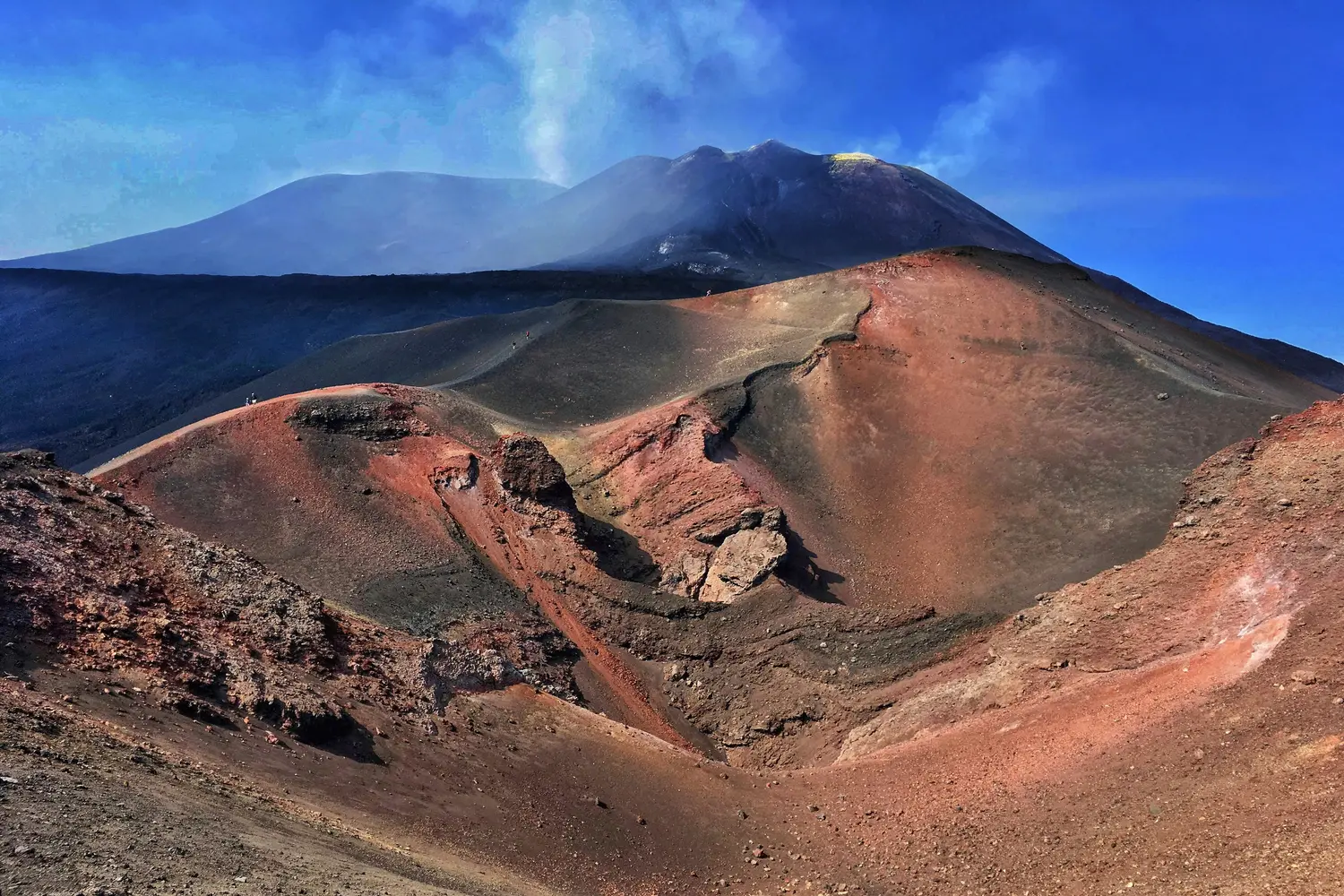
11. Etna Volcano Hike
- Why visit: Europe's largest active volcano at 3,357 meters; guided hikes reach the summit crater rim via cable car and authorized 4WD transfer from the southern base station
- What to do: Cable car to 2,500m; authorized 4WD to 2,900m; guided crater rim walk to 3,100- 3,300 m
- How long: Full day from Catania or Taormina
- Best time: May-June and September; check INGV eruption monitoring before booking
- Cost: Cable car USD 33; full guided summit tour USD 55-65
- Booking: Guided summit tours 2-3 weeks ahead in peak season
- Getting there: Bus from Catania to Rifugio Sapienza base station (approximately 2 hours)
- Insider tip: Independent hiking above 2,900m is prohibited by Etna Park regulations; only authorized guides can access the crater rim area
12. Palermo Street Food Tour
- Why visit: Palermo's street food markets at Ballarò and Vucciria trace their origins to Arab-Norman rule in the 9th century and remain among the most authentic food markets in southern Italy
- What to do: Ballarò market morning circuit; arancina at a market stall (USD 1.50-2.50); stigghiola at Vucciria evening stalls from 9 pm
- How long: 2-3 hours; combine with a Quattro Canti old city walk
- Best time: Ballarò before 9 am for freshest produce; Vucciria from 9 pm for street food atmosphere
- Cost: Self-guided under USD 15; guided food tour USD 45-70
- Booking: Guided tours 1-2 weeks ahead recommended
- Getting there: 15-minute walk from Palermo Centrale station
- Insider tip: Sfincione (Sicilian pizza with caramelized onion and anchovies) from a Ballarò vendor costs under USD 2 and differs entirely from any mainland Italian pizza style
13. Borghese Gallery, Rome
- Why visit: Bernini's Apollo and Daphne and The Rape of Persephone occupy the ground floor rooms alongside Caravaggio paintings in what many art historians consider the finest private collection ever assembled in Italy
- What to do: Bernini sculpture rooms (ground floor); Caravaggio room (Room 8); Titian and Raphael first-floor galleries
- How long: Exactly 2 hours; enforced timed entry with no extension permitted
- Best time: First slot at 9am on Tuesday through Friday; weekends sell out fastest
- Cost: USD 15-20; reservation via official ticketing portal required
- Booking: Minimum 3-4 weeks ahead; often sold out 6-8 weeks ahead in summer
- Getting there: Bus to Villa Borghese, then 10-minute park walk to the gallery
- Insider tip: The daily visitor cap is 360 per 2-hour slot; arriving without a reservation means no entry regardless of queue length or time of day
14. Lake Como Boat Tour
- Why visit: 146 square kilometers of Alpine glacial lake surrounded by Art Nouveau villas, terraced gardens, and 2,000m peaks; Bellagio sits at the scenic confluence of the lake's two branches
- What to do: Bellagio old town and Villa Melzi gardens; Varenna village walk and Villa Monastero; ferry circuit between all three main villages
- How long: Full day from Milan
- Best time: April-June and September; July-August ferries fill by mid-morning
- Cost: Ferry per leg USD 10; Villa Melzi garden entry USD 8; Villa del Balbianello exterior USD 11
- Booking: Ferry tickets on arrival; no prior booking required
- Getting there: Train from Milan Centrale to Como San Giovanni (40 minutes; from USD 6), then ferry
- Insider tip: The car ferry between Bellagio and Varenna crosses the widest point of the lake and gives a full panoramic view that foot-passenger ferries cannot achieve from the center
15. Porta Portese Market, Rome
- Why visit: Rome's largest and oldest flea market fills 3 kilometers of stalls along the Trastevere riverbank every Sunday with antiques, vintage clothing, books, and second-hand goods at negotiable prices
- What to do: Antiques section near the Via Portuense junction; vinyl record stalls; street food vendors from 10 am
- How long: 2-3 hours
- Best time: 7am-9am before the main crowd arrives; best antique stalls set up earliest
- Cost: Free entry; stall purchases from USD 1 upward; cash only at most vendors
- Booking: No booking required
- Getting there: Tram 8 from Largo Argentina or 15-minute walk from Trastevere station
- Insider tip: Prices drop from 11 am as vendors begin packing up; the final 90 minutes of trading is the best window for negotiation
16. Matera Sassi Cave Tour
- Why visit: Matera's cave dwellings form one of the world's oldest continuously inhabited settlements, occupied for at least 9,000 years and a UNESCO World Heritage Site since 1993
- What to do: Sasso Caveoso cave church circuit; Murgia Timone plateau viewpoint across the Gravina gorge; Casa Noha museum
- How long: Full day; 2 nights to experience the cave city after day tourists leave
- Best time: April-June and September-October; August heat and crowds make the rock city uncomfortable
- Cost: Free to walk the streets; Casa Noha USD 5; guided cave church circuit USD 15-20
- Booking: Guided tours recommended 1-2 weeks ahead in peak season
- Getting there: Bus from Bari (1 hour 30 minutes; USD 5-8 return)
- Insider tip: Murgia Timone viewpoint across the gorge is free, takes 20 minutes on foot, and gives a wider panorama than any viewpoint inside the Sassi themselves
17. Val d'Orcia Cycling, Tuscany
- Why visit: UNESCO-listed rolling clay hills between Siena and Montalcino with cypress avenues, medieval hilltop towns, and wine estates open for Brunello tastings year-round
- What to do: Pienza UNESCO historic center; Montalcino Brunello tasting at a cantina; Bagno Vignoni thermal square
- How long: Full day or multi-day cycling route depending on fitness
- Best time: April-June for wildflowers; September for golden harvest light and open cantina events
- Cost: Bicycle hire USD 25-40/day; Brunello tasting at estate USD 15-30; Pienza entry free
- Booking: Bicycle hire 1-2 weeks ahead in peak season; cantina visits 1 week ahead recommended
- Getting there: Train to Buonconvento from Siena, then bicycle from the village center
- Insider tip: The Castiglione d'Orcia to San Quirico d'Orcia stretch covers the most photographed cypress avenue in Tuscany and is bikeable in under 30 minutes on flat terrain
18. Positano Beach and Coastal Path
- Why visit: Positano's vertical cliff-face town drops directly to a pebble beach with fishing boats; the Sentiero degli Dei clifftop trail above connects it to Praiano and Nocelle
- What to do: Spiaggia Grande beach; Sentiero degli Dei clifftop trail; Santa Maria Assunta church ceramic dome
- How long: Half day for the beach; full day for the trail
- Best time: May-June and September; July-August beach reaches full capacity by 10 am
- Cost: Sentiero degli Dei trail free; beach chairs USD 20-30/day; ferry to Amalfi USD 8
- Booking: No booking for trail; ferry tickets on arrival
- Getting there: SITA bus from Sorrento (50 minutes; USD 2.50) or ferry from Amalfi (USD 8)
- Insider tip: Starting the Sentiero degli Dei at Nocelle village and descending to Positano takes 2.5-3 hours and avoids the steep uphill climb that catches most visitors unprepared
19. Alberobello Trulli Walk
- Why visit: 1,500 whitewashed cone-roofed trulli houses covering the Rione Monti and Aia Piccola districts in a UNESCO World Heritage landscape found nowhere else on earth
- What to do: Rione Monti main district free walk; Sovrano Trullo two-story interior (USD 1.50); trullo B&B overnight stay
- How long: 2-3 hours to walk both districts; overnight stay removes the day-trip crowd entirely
- Best time: April-May and September-October; June-August coach tour volumes fill the narrow lanes from 10am
- Cost: Free to walk; Sovrano Trullo USD 1.50; trullo overnight USD 80-150 for two
- Booking: Accommodation 4-6 weeks ahead; no booking for walking the streets
- Getting there: FSE train from Bari (1 hour 30 minutes; from USD 5)
- Insider tip: Aia Piccola district on the east side receives a fraction of Rione Monti's visitor numbers and is architecturally equivalent; start there before the coaches arrive
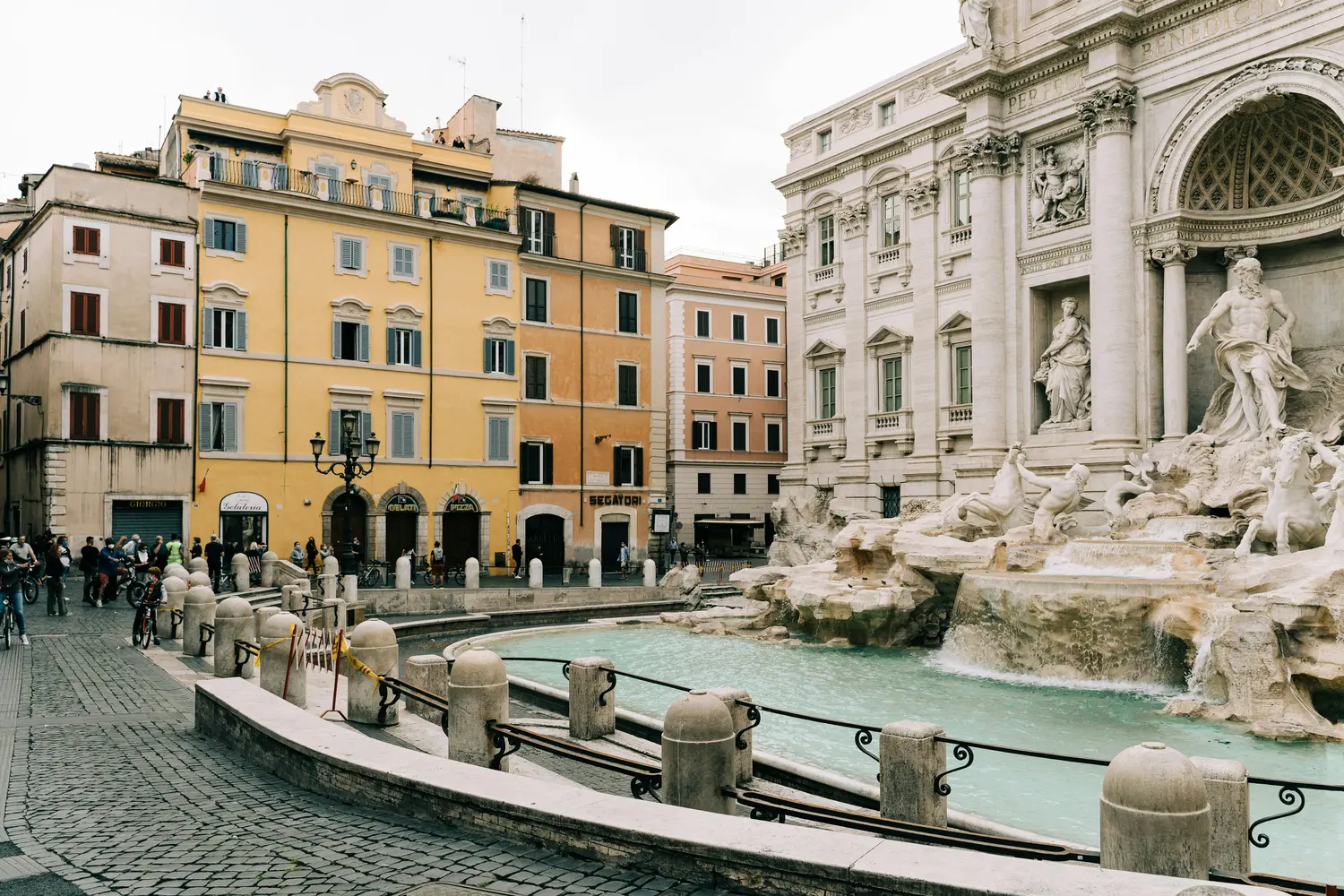
20. Midnight Trevi Fountain Walk
- Why visit: Rome's most famous Baroque fountain, designed by Nicola Salvi and completed in 1762, draws 10,000-15,000 visitors daily at peak hours; after 10 pm the crowd drops to dozens
- What to do: Trevi Fountain evening visit; Piazza Navona 20-minute walk; late-evening gelato nearby
- How long: 1-2 hours for the full evening circuit
- Best time: After 10 pm from April through October; the fountain is illuminated until midnight
- Cost: Free; nearby gelato USD 2-4
- Booking: No booking required
- Getting there: 10-minute walk from Barberini Metro (Line A); 20-minute walk from the Pantheon
- Insider tip: Arriving at 11pm gives 60 minutes of near-empty fountain conditions that no midday visit can replicate regardless of season
Things to Do by Category
Historical & Cultural Things to Do
Famous things in Italy in the historical category go well beyond Rome. Matera's 9,000-year-old Sassi cave district, Alberobello's trulli village, and Pompeii's preserved streets each carry globally recognized archaeological significance that rivals the main Roman circuit.
Museums & Art
Popular things in Italy for museum visits are the Vatican Museums, Uffizi, and Borghese Gallery. All three require advance booking.
Visiting two major museums in one Rome day is realistic; three is consistently too much to absorb without rushing both the art and the schedule.
Food & Drink Experiences
Fun things to do in Italy around food shift completely by region. Truffle hunting in Umbria, Brunello tasting in Montalcino, Palermo's Ballarò street food circuit, and Roman supplì from a neighborhood bar are four entirely distinct experiences within one country.
Outdoor & Nature Activities
Fun activities to do in Italy outdoors include Dolomites via ferrata, Cinque Terre coastal trails, Etna summit hiking, and Lake Como boat day trips.
Each suits a different fitness level; none requires specialist gear beyond trail shoes and a light layer.
Shopping
Porta Portese in Rome (Sunday flea market), San Lorenzo Leather Market in Florence (daily), and Palermo's Vucciria design stalls offer market shopping from USD 1 upward.
Milan's Quadrilatero della Moda covers the premium end of Italian retail across four central streets.
Nightlife & Evening Activities
Verona Arena opera runs June through August with sunset start times. Rome's Trastevere wine bar circuit operates year-round until 2am.
Fun things to do in Italy at night in smaller cities typically mean wine in a piazza rather than organized venues, costing USD 3-8 and running as late as the locals choose.
Unique / Local Experiences
Attending Palio di Siena preparations in July, watching calcio storico in Florence in June, or joining a Sunday market before tourist crowds arrive at 10 am are things most visitors mean to plan but rarely book.
Free Things to Do in Italy
- Via Appia Antica walking route, Rome (free access)
- St. Peter's Basilica interior, Vatican (free; dome climb USD 8-10)
- Pantheon interior (free for under-18 EU citizens; USD 5-6 for adults)
- Matera Sassi streets, Basilicata (free to walk; cave museums USD 5-10)
- Alberobello Rione Monti trulli district (free to walk)
- Positano Sentiero degli Dei clifftop trail (free)
- Porta Portese Sunday flea market, Rome (free entry every Sunday)
- Palermo Ballarò morning market (free; best before 9 am)
Things to Do in Italy for Different Travelers
Best Things to Do for First-Time Visitors
Colosseum, Vatican Museums, Uffizi, and Pompeii cover the essential Italy experience in four days.
These popular things in Italy book out months ahead in summer but are accessible in May, September, and October with 4-6 weeks lead time.
Things to Do for Couples
Verona Arena opera, Lake Como ferry route, Val d'Orcia cycling, and the Amalfi Coast in May or June are the things to see in Italy most consistently cited by couples as trip highlights. None involves the queue dynamics of the main city attractions.
Things to Do with Kids
Pompeii's open-air archaeology, Dolomites cable cars, Alberobello trulli houses, and Venice vaporetto journeys suit children aged 8 and above. The Colosseum arena floor access gives children historical context that the exterior view alone cannot provide.
Things to Do for Solo Travelers
Truffle hunting experiences, Palermo food market walks, and Borghese Gallery visits work well solo without group bookings.
Travel tips for Italy for solo travelers consistently point to booking the Borghese Gallery first as its daily time slots disappear fastest.
Things to Do for Budget Travelers
Via Appia Antica, Matera Sassi streets, Cinque Terre trails, and Positano's coastal path cost under USD 15 combined and rank among the most atmospheric Italy experiences available.
Things to Do for Adventure Travelers
Dolomites via ferrata, Etna summit hike, Cinque Terre's high Sentiero Rosso trail, and Aeolian Islands sea kayaking cover four distinct adventure types.
Fun activities to do in Italy at adventure level concentrate in the Dolomites from July and Sicily from March.
Things to Do in Italy by Area
Northern Italy
Places to see in Italy in the north include the Dolomites via ferrata circuit, Lake Como ferry route, Venice Grand Canal, Cinque Terre trails, and Verona Arena.
The Piedmont wine region and Alba truffle market round out a northern circuit suited to 7-10 days.
Central Italy
Rome, Florence, Tuscany, and Umbria cover the densest concentration of things to see and do in Italy. The best places to visit in Italy for first-time visitors concentrate almost entirely here, all accessible within a 3-hour high-speed rail arc from Rome Termini.
Southern Italy
Amalfi Coast, Puglia, Matera, and Campania form Southern Italy's main travel arc. Alberobello's trulli and Matera's Sassi are two of Italy's most genuinely unusual places to see in Italy with far fewer visitors than their cultural significance warrants.
Italian Islands
Sicily holds some of the most famous things in Italy outside the main northern circuit, from the Valley of the Temples at Agrigento to Palermo's street food culture and active Etna.
Sardinia suits beach-focused travel with the Costa Smeralda from June through September.
Best Things to Do in Italy at Night
Evening options across Italy consistently impress visitors who plan around them:
- Verona Arena opera (June-August; start after sunset; USD 30-200)
- Trastevere wine bar circuit, Rome (year-round until 2am)
- Midnight Trevi Fountain and Piazza Navona walk (free; best from 11pm)
- Milan Navigli aperitivo canal walk (nightly 6-10pm; free to walk)
- Palermo Vucciria night market (animated from 10pm; free)
- Florence Piazzale Michelangelo sunset viewpoint (free; most impressive from 7pm in summer)
Evening options at smaller Italian destinations consistently come down to wine in a piazza rather than ticketed events, costing USD 3-8 and running as late as the locals choose.
Best Day Trips from Italy
The best day trips from Rome, Italy, benefit from high-speed rail connections reaching major historical sites within a couple of hours.
Pompeii from Rome
High-speed Trenitalia to Naples (approximately 1 hour 15 minutes; from USD 20), then Circumvesuviana to Pompei Scavi (40 minutes). Full-day site visit; return to Rome by evening.
Cinque Terre from Florence
High-speed train to La Spezia (2 hours; from USD 12), then 10-minute local train to Riomaggiore. Full coastal hiking circuit; return the same evening.
Matera from Bari
Direct bus from Bari (1 hour 30 minutes; USD 5-8 return). Full-day Sassi walk; early departure required for last bus return by 7 pm.
Lake Como from Milan
Train from Milan Centrale to Como San Giovanni (40 minutes; from USD 6). Ferry circuit adding Bellagio and Varenna runs under USD 10 per leg.
Things to Do in Italy by Season
Spring
April-June delivers the best overall conditions for most activities in Italy for tourists. Gardens, Cinque Terre trails, Val d'Orcia cycling, and Florence museums all peak this season with 20-30 percent lower accommodation costs than July.
Summer
July-August: Amalfi Coast beaches, Verona Arena opera, and Dolomites hiking peak simultaneously. Inland heat regularly exceeds 35°C. Book Amalfi accommodation 6 months ahead.
Fall/Autumn
September-October: wine harvest in Tuscany and Piedmont, truffle season opens in Umbria, and crowd levels drop 30-40 percent from August. The best time to visit Italy for food and cultural travel consistently falls in these two months.
Winter
November-March: Bolzano Christmas market opens from late November, Dolomites ski resorts peak from December, and Vatican Museums sit at their quietest of the year.
Things to Do in Italy Based on Trip Length
If You Have 1 Day
Rome circuit: Colosseum and Forum morning, Vatican Museums afternoon, Trevi Fountain and Piazza Navona walk in the evening.
If You Have 2 Days
Add a Pompeii day trip on day 2, or Florence by high-speed train for the Uffizi and Duomo in one day.
If You Have 3 Days
Rome (2 nights) plus Florence or Naples day trip. Three days cover Italy's essential sightseeing circuit without rushing any single site.
If You Have 5-7 Days
Rome (2 nights), Florence (1 night), Amalfi Coast (2 nights), plus Cinque Terre or Tuscany countryside. This is the strongest first-time Italy circuit within a week.
Read more: Planning which regional combinations work by train and which need a rental car decides whether an Italy itinerary feels comfortable or chaotic. 👉 Italy Itinerary: Perfect 3, 5, 7, 10 & 14-Day Italy Trips
Best Experiences for First-Time Visitors
What to do in Italy on a first trip delivers the most frustration when visitors try to cover too many regions at once. The essential five in priority order:
- Colosseum and Roman Forum (Ancient Rome; one combined ticket)
- Vatican Museums and Sistine Chapel (half-day minimum)
- Uffizi Gallery, Florence (1 full day)
- Pompeii (day trip from Naples or Rome)
- Amalfi Coast (one full day from Sorrento or Salerno)
These are the things to see in Italy that every subsequent trip will be measured against. Venice, Cinque Terre, Sicily, and the Dolomites each reward a dedicated return visit more than a rushed inclusion in a first one.
How to Plan Your Activities
The must-see Italy attractions requiring advance booking are Vatican Museums, Colosseum, Uffizi, Borghese Gallery, and Verona Arena. All five sell out weeks ahead in July and August; skip-the-line options exist at 30-50 percent extra cost.
Group activities geographically rather than by category. The Vatican and Castel Sant'Angelo are 15 minutes apart. Pairing the Borghese Gallery with a Villa Borghese park walk saves an entire afternoon of transit.
Weather affects the Amalfi Coast drive, and Cinque Terre trails specifically. Check forecasts 48 hours ahead before locking these into a fixed itinerary day.
Getting Around Italy
How to get around in Italy depends entirely on the region. High-speed Trenitalia and Italo trains connect Rome, Florence, Venice, Milan, and Naples with journey times of 1 hour 15 minutes to 3 hours depending on the route. Book tickets in advance for the lowest fares.
Rental cars are essential for Puglia, Umbria, Tuscany countryside, and rural Sicily. ZTL limited traffic zones in historic city centers issue automatic camera fines for unauthorized vehicles.
City metros in Rome (Lines A and B), Milan (5 lines), and Naples cover main sightseeing zones at USD 1.50-2.50 per journey.
How Much Do Things to Do in Italy Cost?
Activity costs in Italy span free to premium. The table below covers activity costs only; accommodation and food are budgeted separately.
| Category | Examples | Cost (USD) |
|---|---|---|
| Free | Via Appia, Matera streets, St. Peter's interior | USD 0 |
| Budget | Cinque Terre pass, Pantheon, market visits | USD 5-15 |
| Mid-range | Colosseum, Uffizi, Pompeii, Vatican | USD 18-30 |
| Premium | Verona Arena, truffle hunt, guided tours | USD 50-200 |
How much is a trip to Italy when activities are budgeted? A 7-day trip with mid-range activity spend typically adds USD 100-200 on top of accommodation and food costs.
What to Book in Advance
Activities in Italy for tourists requiring advance reservations:
- Vatican Museums (2-3 months for July-August; 4-6 weeks shoulder season)
- Colosseum (same lead times)
- Uffizi Gallery (3-4 weeks shoulder; 2-3 months summer)
- Borghese Gallery (minimum 3-4 weeks; daily cap of 360 visitors strictly enforced)
- Verona Arena opera (6-8 weeks for popular productions)
Walk-up activities include Matera streets, Cinque Terre trails, Amalfi Coast ferries, and all market visits.
Fun facts about Italy to know before booking: the Borghese Gallery physically caps daily visitors to 360 per 2-hour slot, making same-day tickets impossible in any season.
Staying Connected in Italy
Mobile data matters throughout an Italy trip. Digital Vatican Museum tickets load to your phone; Pompeii's open-air site has no Wi-Fi; Trenitalia tracking requires live data; and same-day Amalfi ferry slots book by app while you walk.
A Jetpac Italy eSIM activates before landing and covers 4G and 5G across Rome, Florence, the Amalfi Coast, Sicily, and the Dolomites from arrival.
The best eSIM for Italy travel from Jetpac starts at USD 2 with unrestricted hotspot sharing and a 100 percent money-back guarantee.
An eSIM for Italy from Jetpac removes the airport SIM queue entirely. For itineraries extending into France, Switzerland, or Austria, a single eSIM Italy Europe plan covers 30-plus countries on one connection.
eSIM Italy plans from Jetpac include free WhatsApp, Google Maps, and Uber access even after data runs out.
For multi-country itineraries, the eSIM Europe plan covers 30-plus countries with 24/7 WhatsApp support from real people throughout.

Common Mistakes When Planning Things to Do in Italy
Italy trips most often go wrong in these specific ways:
- Booking the Colosseum but not the Borghese Gallery; the gap surfaces only on arrival in Rome
- Renting a car in Florence without knowing ZTL fines arrive by post weeks after the trip
- Planning 5 sites in one Rome day without accounting for 90-minute gaps between each
- Visiting Pompeii in August midday with no shade plan across 44 hectares
- Arriving at Cinque Terre on a July weekend without a dawn start; trails reach capacity by 10 am
- Spending the entire trip in Rome, Florence, and Venice without venturing south to Puglia or Matera
Read more: Knowing exactly what to pack for Italy prevents the most common pre-trip oversights across all seasons and regions. 👉 What to Pack for Italy: A Complete Italy Packing List
FAQs
What are the top things to do in Italy?
The Colosseum, Vatican Museums, Uffizi Gallery, Pompeii, and the Amalfi Coast are the five experiences delivering the most historically and visually significant moments per day of travel time in Italy.
What can I do for free in Italy?
St. Peter's Basilica interior, Via Appia Antica in Rome, Matera Sassi streets, and Positano's Sentiero degli Dei trail are all free and rank among the most atmospheric experiences in the entire country.
How many days do I need for Italy?
Seven days covers the main Rome-Florence-Amalfi circuit for first-time visitors. Ten to fourteen days allows Sicily, the Dolomites, or Puglia to be added without rushing any single destination.
What should I book in advance in Italy?
Vatican Museums, Colosseum, Uffizi Gallery, Borghese Gallery, and Verona Arena all require advance booking, some up to 2-3 months ahead for July and August specifically.
What are the top evening activities in Italy?
Verona Arena opera in summer, Rome's Trastevere wine bar circuit year-round, and the midnight Trevi Fountain walk are the most memorable fun things to do in Italy after dark without requiring pre-booked tickets.
What should couples prioritize in Italy?
Lake Como boat tour, Verona Arena opera, Val d'Orcia cycling, and the Amalfi Coast ferry route are consistently cited as the top things to see in Italy for couples specifically.
What is the number one thing to do in Italy?
The Colosseum and Roman Forum on one combined ticket is Italy's most historically significant experience, covering 2,000 years of history in a 3-4 hour walking circuit.
What should I not miss in Italy?
Must see Italy attractions that reward the most time include Pompeii (irreplaceable globally), the Sistine Chapel (a singular viewing experience), and Matera's Sassi district (one of the oldest continuously inhabited settlements on earth).
Disclaimer
The information in this blog was accurate at the time of writing and is based on available attraction, travel, pricing, and destination information. Prices, opening hours, booking requirements, and other details may change after publication. Jetpac is not responsible for such changes.