
Best Travel Tips for Europe: 25 Things to Know Before You Go in 2026
The best travel tips for Europe include visiting fewer countries, grouping nearby destinations, booking attractions and accommodation early, comparing trains with flights, carrying cards and some cash, packing light, checking entry rules, and arranging an eSIM before departure.

A country trip and a Europe trip are not the same kind of planning. Cross one border and the language, the trains, the currency, even what time dinner starts can all change at once. None of that is a problem if you plan for it, and it becomes a real problem if you don't.
The 25 best travel tips for Europe below cover exactly that. How to plan your route, book the right things early, get around once you land, spend less without trying hard, pack sensibly, stay connected, and stay safe.
These are practical trip-to-Europe tips you can actually act on, not vague advice, built for a 2026 trip. If you're only starting to think about planning to travel to Europe, this is a genuinely good place to begin.
Quick Answer: What Should You Know Before Traveling to Europe?
Pick fewer cities than you think you need, and give each one more time. Book big-name attractions, trains, and popular accommodation before you land, not after.
Bring a low-fee card plus a bit of local cash, and set up an eSIM before departure so you land already connected. Watch your bag in busy stations and squares, and pack lighter than feels comfortable; you'll thank yourself on the first flight of stairs with no lift.
That's the whole thing in a few sentences. Whether you already know where to visit in Europe or are still deciding, the table below breaks these same points down by travel area, and the 25 tips after that go into exactly how to act on each one.
How to Plan Your Europe Trip
A well-planned Europe trip is less about fitting in as much as possible and more about choosing the right destinations, route, and pace. These simple planning tips can help you save time, reduce unnecessary travel, and enjoy each stop more.
Read more: Starting to plan your first European adventure? Explore Europe Travel Guide 2026: Places, Costs, Transport and More for destinations, transport options, costs and practical planning advice.
#1. Don't Try to See Too Many Countries on One Trip
This is one of the best travel tips for Europe precisely because it's the mistake almost everyone makes on a first trip. Constantly moving between cities eats into the time you actually spend enjoying them.
Choose fewer destinations and stay longer in each; it's one of the simplest best travel tips for Europe to actually follow.
#2. Group Destinations by Region
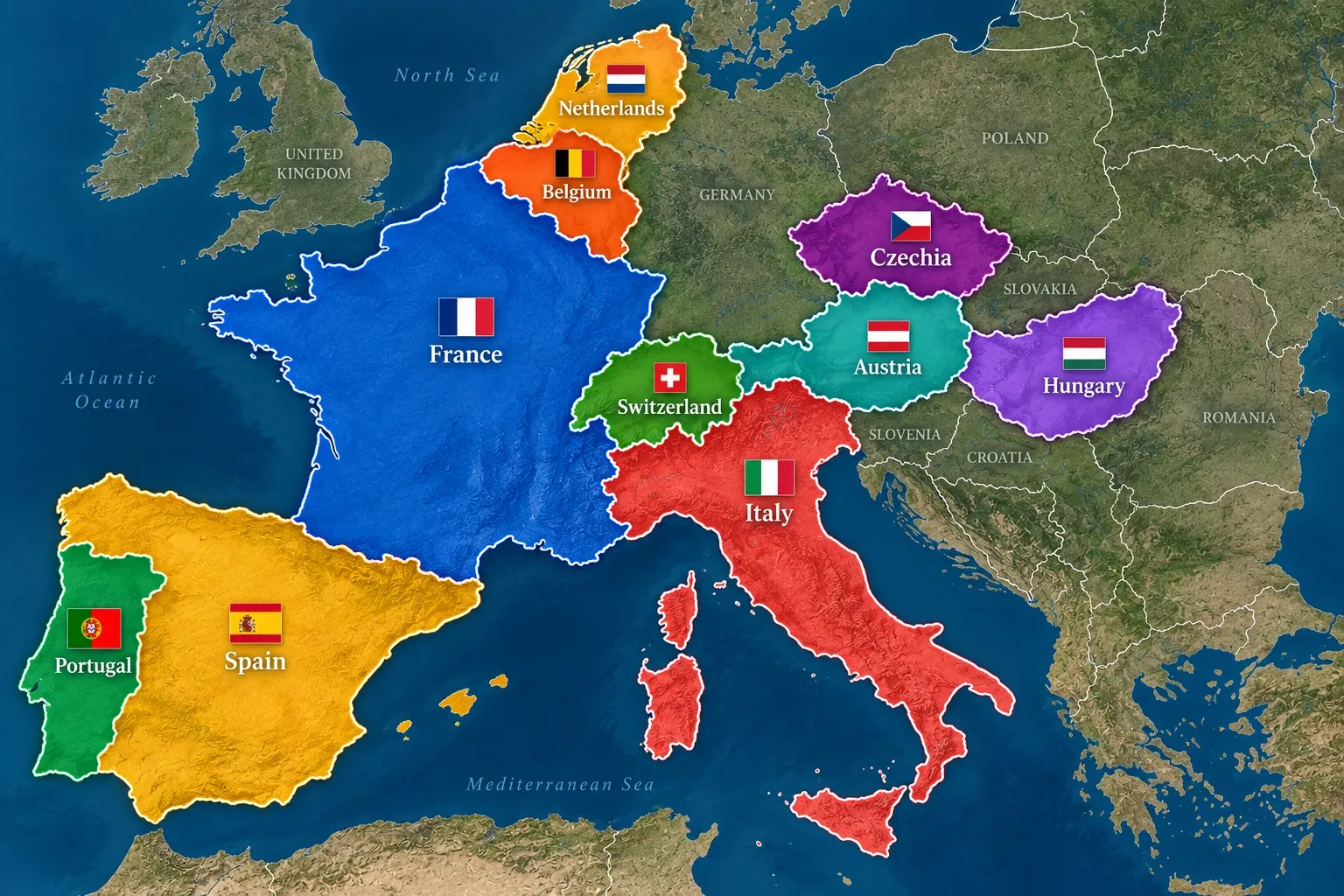
Combining nearby destinations cuts down transport time and cost, and it's one of the first things worth deciding when planning to travel to Europe. A few natural groupings:
- France, Belgium, and the Netherlands
- Italy and Switzerland
- Czechia, Austria, and Hungary
- Spain and Portugal
Read more: Not sure how to turn your destination ideas into a workable itinerary? Explore How to Plan a Trip to Europe: Step-by-Step Guide for choosing destinations, building a route and planning your days.
#3. Build Your Itinerary Around Travel Time, Not Just Distance
Two cities can look close on a map and still involve a long connection. Factor in station or airport transfers, check-in time, and possible delays, not just the straight-line distance.
Our Europe travel itinerary planning piece walks through this in more detail if you're building a multi-city route.
#4. Leave Some Flexibility in Your Schedule
Don't schedule every single hour. Leave room for spontaneous discoveries, weather changes, and travel delays, especially if you're pulling ideas from a long list of the best things to do in Europe and trying to fit too much in.

#5. Consider Shoulder Season
Spring and autumn generally mean fewer crowds, potentially lower prices, and more comfortable sightseeing temperatures.
Weather still varies a lot across Europe, so check conditions for your specific route, one of the more overlooked European travel tips for shoulder-season trips.
Read more: Wondering when to plan your Europe trip for better weather and fewer crowds? Explore Best Time to Visit Europe: Ideal Months Revealed for seasonal conditions and the best months to visit different regions.
Booking and Accommodation Tips for Europe
These accommodation tips can help you avoid common booking surprises, keep transport costs manageable, and plan around Europe's busiest periods.
A little research before booking can make a noticeable difference to both your budget and overall experience.
#6. Book Popular Attractions Before You Arrive
Major sights like the Eiffel Tower, the Colosseum, Sagrada Família, the Vatican Museums, and the Acropolis frequently sell out timed-entry slots well in advance, one of the most repeated tips for traveling to Europe for a reason.
#7. Choose Accommodation for Location, Not Just Price
Among Europe vacation tips about accommodation, this trade-off comes up constantly. Staying slightly outside a city centre can be worthwhile if the price difference is big.
But a cheap hotel far from public transport can cost more in time and transport fares than it saves on the room.
#8. Check Whether Your Accommodation Has a Tourist Tax
Many European cities charge a local tourist tax separately from the room price, and these have been rising across major destinations in 2026.
Check the booking conditions before arrival rather than assuming the quoted price is final, since local European travel guidelines on this vary city by city.
#9. Check Check-In and Luggage Policies
This matters most for apartments, budget hotels, hostels, and smaller B&Bs. Confirm late-arrival policies and whether luggage storage is available if you land before check-in time.

#10. Book Around Major Festivals and Events Carefully
Events like Oktoberfest, Carnival, Christmas markets, major football matches, and music festivals can dramatically affect accommodation availability and prices in the surrounding weeks.
Read more: Travelling Europe on your own? Explore 8 Best Places to Solo Travel in Europe for Safety, Budget & Fun for destinations that balance safety, affordability and enjoyable experiences.
Best Way to Travel Around Europe
There's no single best way to travel Europe for every trip. The right method depends on the route, which is really the point of this whole best way to travel Europe section.
#11. Use Trains for Many Short International Journeys
Trains are particularly convenient for shorter international hops, since city-centre-to-city-centre travel skips the airport-transfer time flying adds. For more detail on this specifically, see our piece on Train Travel Across Europe.

#12. Compare Trains With Budget Flights
Flying can sometimes be cheaper for longer distances, while trains tend to win on convenience for city-centre connections. Tools like Google Flights or Omio make it easy to compare the full door-to-door journey, not just the ticket price.
#13. Consider Regional Rail Passes Carefully
Rail passes aren't automatically cheaper. Compare the pass price against individual tickets for your actual planned itinerary before buying one. Our piece on How to Book Train Tickets in Europe covers this comparison in more depth.
#14. Use Public Transport Within Cities
One of the more practical trip-to-Europe tips for city transport is simple. Metros, trams, buses, and regional trains cover most cities well, and apps like Google Maps or Citymapper make navigating an unfamiliar system much easier.
Many offer daily or multi-day transport passes that work out cheaper than single tickets.
Money-Saving Europe Travel Tips
These practical money-saving tips can help you avoid unnecessary fees, manage cash more efficiently, and build a more realistic budget for each destination.
Planning these costs in advance makes it easier to keep your Europe trip within budget.

#15. Check Your Bank's Foreign Transaction Fees
International card fees quietly add up over a trip, one of the quieter Europe travel tips that pays for itself. Check your bank's fees and exchange rates before you leave.
Read more: Trying to work out how much your trip will actually cost? Explore How Much Does a Trip to Europe Cost? for accommodation, transport, food, attractions and other expenses to budget for.
#16. Don't Exchange All Your Money at the Airport
Airport currency exchange counters often offer poor rates. A reputable ATM or a low-fee card, such as Wise or Revolut, usually works out better.
#17. Keep a Small Amount of Cash
Cards are widely accepted across Europe, but cash still helps for small shops, markets, public toilets, tips, and rural areas where card readers aren't always available, a small but common gap in most Europe vacation tips lists.

#18. Budget for City-Specific Costs
Costs vary a lot by city and country, so budget for accommodation, tourist taxes, transportation, attraction tickets, food, drinks, tips, and day trips individually rather than assuming one number covers all of Europe, a distinction most European travel tips skip over.
Packing Tips for a Trip to Europe
Packing smart can make getting around Europe much easier, especially when your trip involves trains, walking, changing cities, or different climates. These tips focus on keeping your luggage practical without leaving out the essentials.
#19. Pack Light
A smaller suitcase is genuinely easier to manage on trains, cobbled streets, stairs without lifts, and budget airlines with strict cabin bag limits, one of the most repeated Europe vacation tips for good reason.
#20. Bring Comfortable Walking Shoes
Europe's historic centres often mean substantial walking over uneven, cobbled streets.
#21. Pack for Multiple Weather Conditions
This is one of the more practical tips for a trip to Europe for anyone visiting multiple regions. Weather can differ dramatically between countries, and even within a single trip.
Layers work better than packing a completely separate outfit for every climate you might hit. Our Europe packing list covers this in more detail.
Stay Connected While Traveling in Europe
Staying connected makes navigating unfamiliar cities, booking transport, and accessing essential travel apps much easier.
Setting up your mobile data before departure can also help you avoid roaming charges and connection issues when you arrive.
#22. Consider a Europe eSIM Before You Leave
An eSIM for Europe provides mobile data for maps, public transport apps, translation, restaurant reservations, ride-hailing, and general travel apps from the moment you land.
Travellers visiting several countries in one trip benefit most, since one eSIM Europe plan can cover the whole route instead of swapping SIM cards at each border.
If you're comparing options, our best eSIM for Europe travel comparison looks at coverage and pricing across providers.
Jetpac Europe eSIM covers 200+ destinations on a single install, useful for exactly this kind of multi-country trip. Even if your data runs out, you get free access to essential apps like Google Maps, WhatsApp, Uber, and Grab, helping you stay connected when you need them most.
Hotspot sharing has no data cap, in-app voice calling starts at $1.99 for 5 minutes, and SmartDelay gives free airport lounge access at 1,300+ airports if an eligible flight is delayed 60 minutes or more.
Setting it up before departure means connectivity is one less thing to plan once you land, rounding out these travel tips for Europe with the one that's easiest to sort out in advance.

Safety and Practical Tips for Europe
These practical tips can help you stay comfortable, aware, and respectful as you move between different European cities and cultures. A few simple precautions and local-language basics can make everyday travel smoother.
#23. Be Extra Careful With Your Belongings in Crowded Areas
Train stations, metro systems, major attractions, busy squares, and crowded restaurants are where pickpocketing and distraction theft happen most.
Europe isn't unusually unsafe, ordinary awareness covers most of the risk, and this is genuinely one of the more important tips for traveling to Europe as a first-timer.
#24. Learn a Few Basic Local Phrases
Hello, please, thank you, excuse me, and "do you speak English?" go a long way. Apps like Google Translate and Duolingo make picking up the basics easy before or during the trip.
English is widely spoken in most tourist areas, but attempting the local language is appreciated.
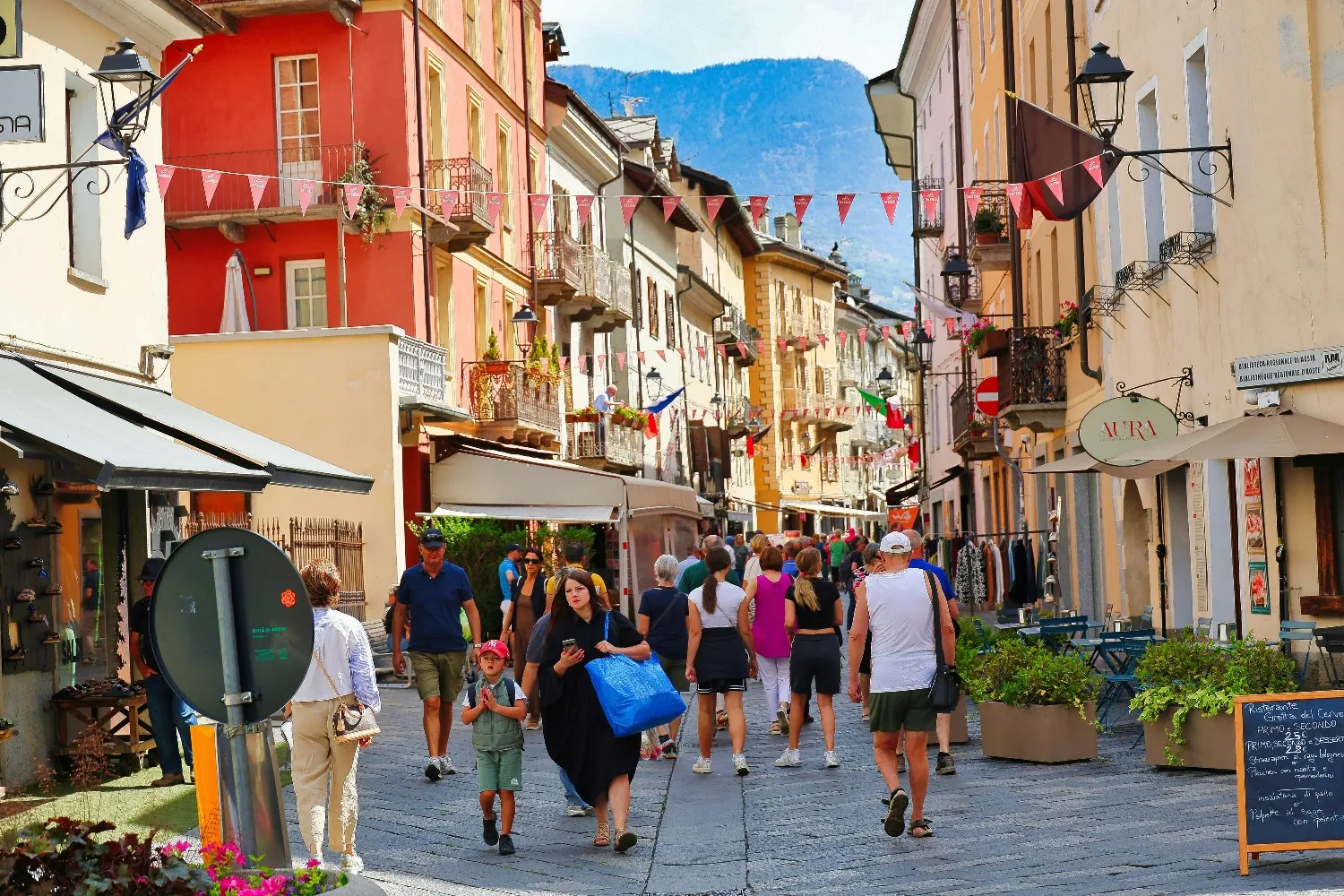
#25. Check Local Etiquette Before You Go
This is one of the European travel tips people underestimate most. Tipping norms, restaurant customs, dress expectations, and opening hours vary considerably across Europe.
Research destination-specific customs rather than assuming one rule applies everywhere you go.
Final Europe Travel Checklist
- Passport validity checked
- Entry requirements checked
- Travel insurance arranged
- Accommodation confirmed
- Major attractions booked
- Transport tickets checked
- Bank and card fees checked
- eSIM arranged
- Offline maps downloaded
- Weather checked
- Essential documents saved offline
Whichever of these best travel tips for Europe you act on first, checking entry requirements and booking major attractions early tend to matter most.
FAQs
What should I know before traveling to Europe for the first time?
Plan fewer destinations than you're tempted to, book major attractions and accommodation early, and check entry requirements for your specific nationality well before departure.
How many countries should I visit during a Europe trip?
Fewer than you might expect. Grouping two or three neighbouring countries usually works better than rushing through five or six. Our roundup of the best places to travel in Europe is a good starting point if you're still narrowing down where to visit in Europe.
How far in advance should I book a Europe trip?
For a 2026 trip, popular routes, attractions, and accommodation generally reward booking 2 to 6 months ahead over last-minute planning.
Is it better to use cash or cards in Europe?
Both. Cards cover most spending with low fees if you choose the right one, while a small amount of local cash helps with markets, small shops, and rural areas.
Do I need a visa to travel around Europe?
It depends on your nationality and how long you're staying. European travel guidelines on this vary by passport, so check entry requirements early, including any electronic travel authorizations that may apply.
Can I use my phone throughout Europe?
Yes, especially with an eSIM Europe plan installed before you travel, which avoids swapping SIM cards as you cross borders.
What are the biggest mistakes first-time Europe travellers make?
Packing too many cities into one trip, underestimating travel time between destinations, and not checking accommodation or attraction booking requirements early enough.
Disclaimer
This blog is for educational purposes only. All information, including prices, fees, and entry requirements, is based on publicly available data and can change over time. Always check official government and tourism sources for your specific nationality and destinations before booking or traveling. Jetpac is not responsible for any inaccuracies, changes, or losses arising from reliance on this information.