Europe Itinerary 7, 10, 14, and 21-Day Europe Trip Ideas
Make your Europe trip easier to plan with 7-, 10-, 14-, 21- and 30-day itineraries, including where to go, where to stay, what to do and how to get around.

Building the right Europe travel itinerary starts with choosing a realistic trip length, a geographically logical route, and a travel style that matches your priorities.
This covers routes from 7 to 30 days, organized by length, region, and traveler type.

Which Europe Itinerary Is Right for You?
How to Plan a Europe Trip
Decide How Many Days You Have
Trip length shapes every planning decision that follows. Here is what each window realistically allows:
- 7 days: A one-week Europe trip suits one country or two closely connected cities explored at a proper pace. Anything more than two cities in seven days means transit days outnumber destination days.
- 10 days: Opens a full country or a two-country Iberian or Italian loop with meaningful time at each stop.
- 14 days: Supports genuine multi-country travel across two to three connected destinations without constant rushing.
- 21 days: Allows a full regional arc such as Western Europe or Southern Europe, with slower city pacing throughout.
- 30 days and beyond: Slow travel with 4 to 5 nights per city, fewer hotel changes, lower accommodation costs, and real neighborhood immersion.
Long weekend trips in Europe of 2 to 4 nights suit travelers already based in Europe targeting a single city break from a hub airport.
Choose Your Travel Style
Your travel style should determine your route before you start searching for flights. The main styles and their strongest European destinations are:
- Cities: Major capitals with concentrated cultural, food, and nightlife experiences
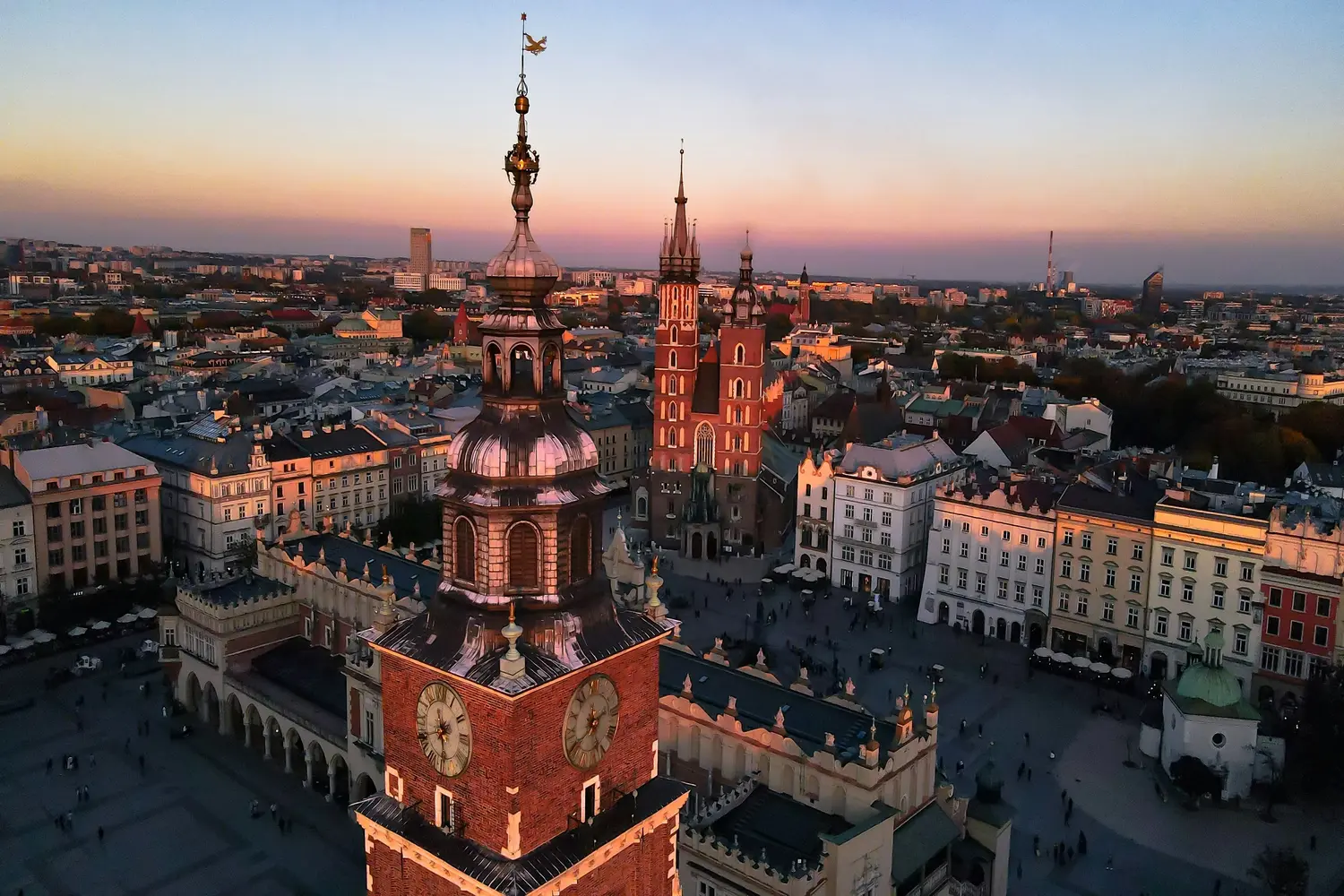
- History: Athens, Rome, Krakow, and Dubrovnik for deep historical immersion
- Food: Bologna, Lyon, San Sebastián, and Naples for dedicated culinary itineraries
- Beaches: Mediterranean, Adriatic, and Atlantic coastlines from May through October
- Nature: Norwegian fjords, Scottish Highlands, and Slovenian Alps for outdoor-first routes
- Family: Copenhagen, Amsterdam, and Switzerland for child-friendly travel infrastructure
- Budget: Eastern European capitals at 40 to 60 percent lower daily costs than Western equivalents
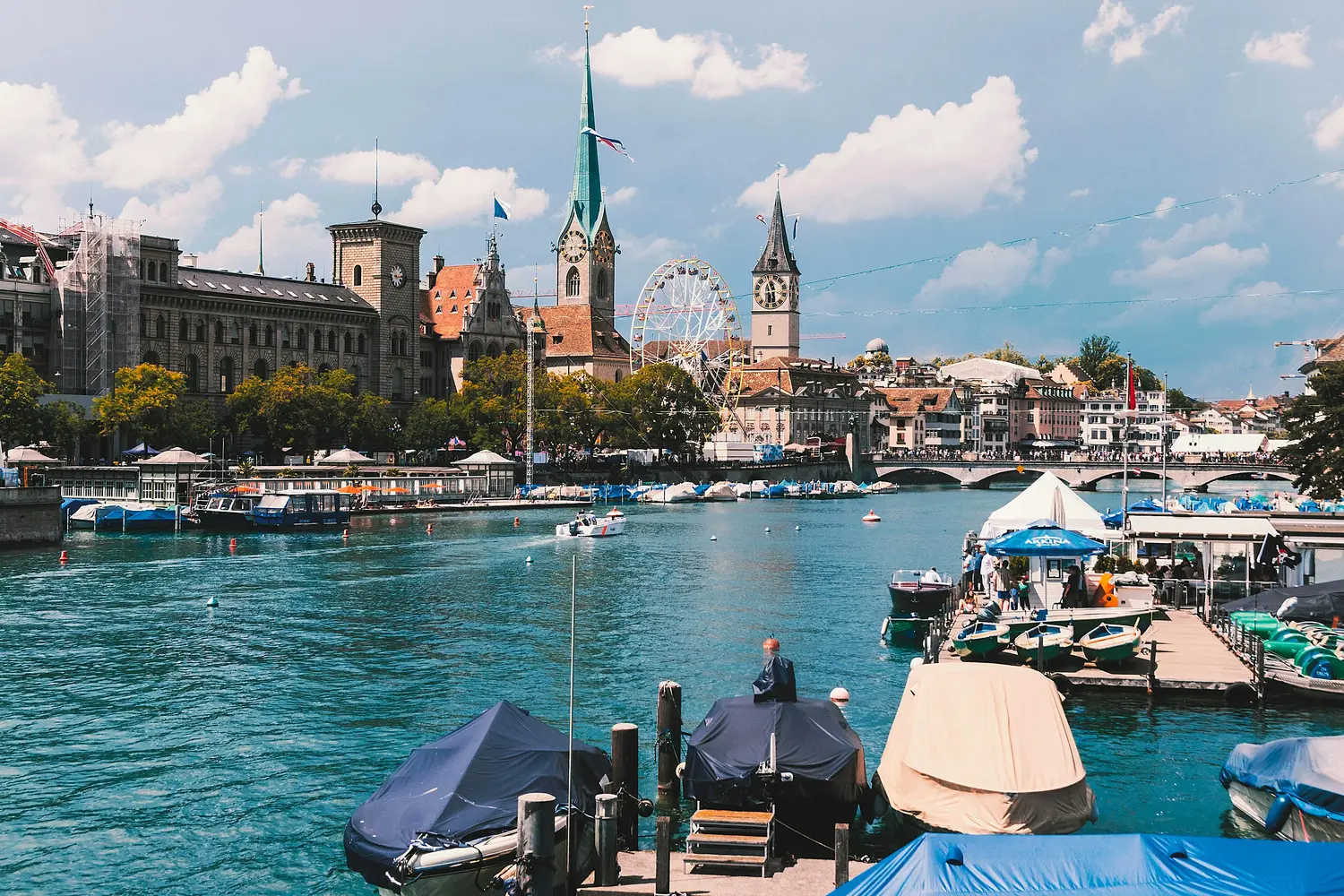
- Luxury: Paris, Zurich, Santorini, and the Amalfi Coast for premium travel experiences
Choose a Geographically Efficient Route
Planning a geographically logical route is the single most important element of how to plan a trip to Europe effectively.
A route connecting London, then Rome, then Amsterdam, then Athens, then Paris involves enormous backtracking and wastes multiple transit days entirely.
A more logical sequence moves directionally. London to Paris to Amsterdam to Berlin is one example.
Rome to Florence to Venice to Vienna is another. This keeps each leg short, reduces travel fatigue, and preserves time for things to do in Europe at actual destinations rather than in transit between them.
Read more: Europe's full planning framework, including costs, transport options, and visa requirements, is covered in a comprehensive overview for international travelers. 👉 Europe Travel Guide: Places, Costs, Transport and More
7-Day Europe Itineraries
7-Day Classic Europe Itinerary
Paris (3 nights) and Amsterdam (3 nights) form the most iconic 7-day Europe itinerary, connected by Eurostar without any internal flights.
7-Day Italy Itinerary
Rome (3 nights), Florence (2 nights), and Venice (2 nights) connect by Frecciarossa high-speed rail as the most rewarding one-week Europe trip for first-time Italy visitors.
7-Day Central Europe Itinerary
Prague (2 nights), Vienna (3 nights), and Budapest (2 nights) link three culturally distinct capitals within a compact geographic radius. This Europe itinerary works particularly well during the December Christmas market calendar.
7-Day Spain Itinerary
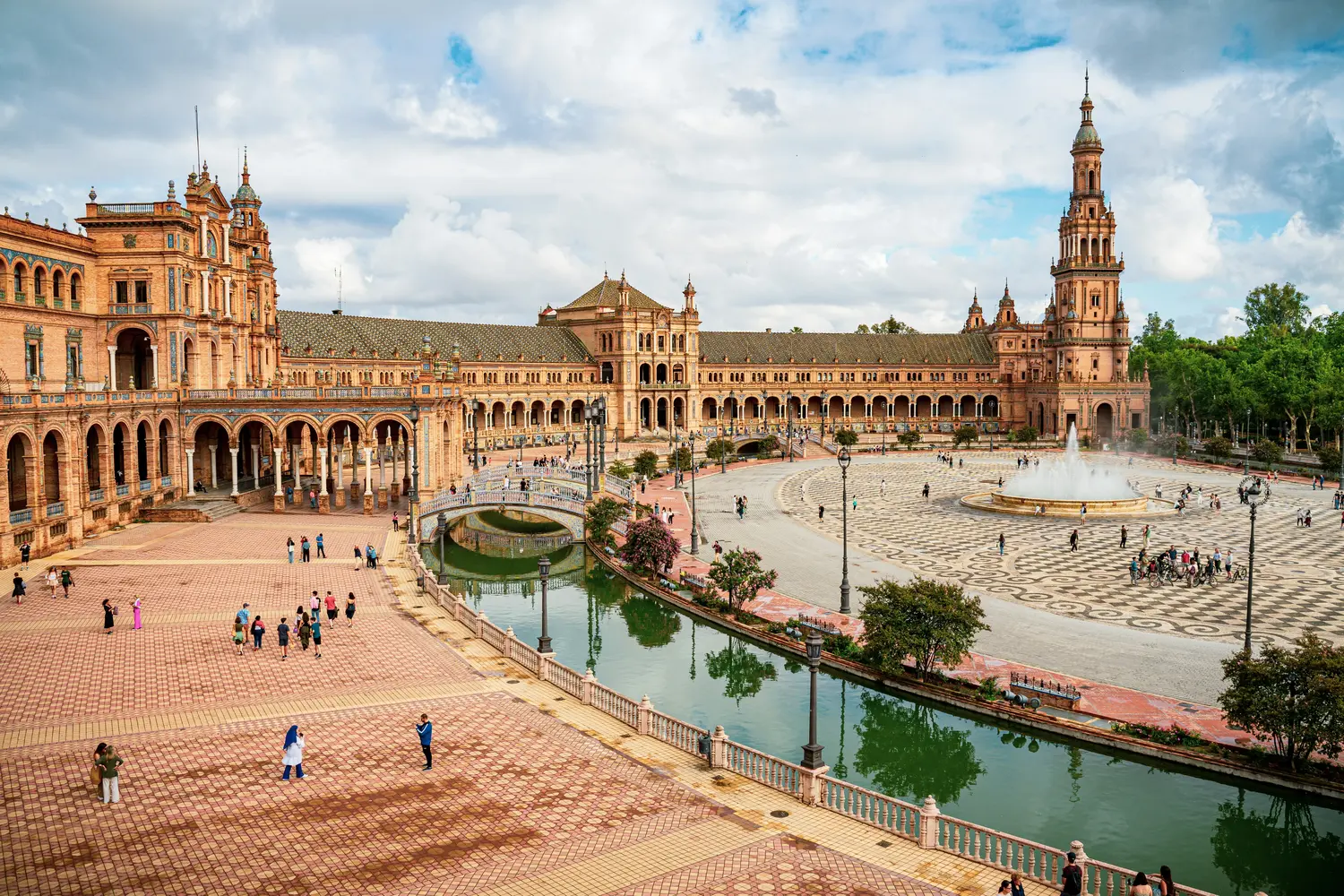
Barcelona (3 nights), Madrid (2 nights), and Seville (2 nights) connect by AVE high-speed rail, delivering Spain's full cultural and architectural range in a 7 days in Europe itinerary.
Read more: Switzerland's Alpine rail routes, mountain villages, and hiking terrain reward dedicated itinerary planning across short and extended stays. 👉 5, 7 & 14-Day Switzerland Travel Itinerary You'll Actually Enjoy
10-Day Europe Itineraries
10-Day First-Time Europe Itinerary
Paris (3 nights), Rome (3 nights), and Barcelona (3 nights) form the most reliable Europe trip itinerary 10 days for first-time visitors, combining landmarks, food, and distinct cultural character in each city.
10-Day Italy Itinerary
Rome (3 nights), Cinque Terre (2 nights), Florence (2 nights), and Venice (2 nights) build a full Italian Europe travel itinerary staying entirely on the high-speed rail network.
10-Day France + Switzerland Itinerary
Paris (3 nights), Lyon (2 nights), and Zurich (3 nights) combine French cuisine with Swiss Alpine scenery in a coherent west-to-east Europe trip itinerary 10 days connected entirely by rail.
10-Day Spain + Portugal Itinerary
Barcelona (2 nights), Madrid (2 nights), Porto (2 nights), and Lisbon (3 nights) trace Iberia's finest cities in a logical east-to-west geographic progression.
Read more: Japan's multi-week itinerary follows the same rail-first logic as Europe, with comparable depth across cities, food culture, and historical sites. 👉 Japan Two-Week Itinerary: Cities, Costs & Travel Tips
14-Day Europe Itineraries
14-Day Classic Europe Itinerary
A two-week Europe itinerary covering London (2 nights), Paris (3 nights), Amsterdam (2 nights), and Rome (4 nights) suits first-time visitors wanting iconic European capitals on a single connected route.
14-Day Italy + Switzerland Itinerary
Rome (3 nights), Florence (2 nights), Venice (2 nights), and Zurich (2 nights) with a Lucerne day trip combine Italian cultural depth with Swiss Alpine scenery in one coherent arc.
14-Day France + Italy Itinerary
Paris (3 nights), Nice (2 nights), Cinque Terre (2 nights), Florence (2 nights), and Rome (4 nights) form a fully rail-connected two-week Europe itinerary tracing the Mediterranean coast south.
14-Day Spain + Portugal Itinerary
Barcelona (3 nights), Seville (2 nights), Faro (1 night), Lisbon (3 nights), and Porto (2 nights) trace Iberia's Atlantic and Mediterranean coasts in a logical south-to-north progression.
14-Day Central Europe Itinerary
Berlin (3 nights), Prague (3 nights), Vienna (3 nights), and Budapest (3 nights) build a comprehensive Central European itinerary for Europe travel itinerary with near-complete rail connectivity throughout.
21-Day Europe Itineraries
21-Day Western Europe
London (3 nights), Paris (3 nights), Amsterdam (2 nights), Bruges (2 nights), Barcelona (3 nights), and Madrid (3 nights) form a logical clockwise Western European loop.
21-Day Southern Europe
Rome (3 nights), Naples (2 nights), Athens (3 nights), Santorini (3 nights), and Dubrovnik (3 nights) trace the southern Mediterranean arc, combining archaeology, islands, and Adriatic coastline.
21-Day Central Europe
Berlin (3 nights), Krakow (2 nights), Prague (3 nights), Vienna (3 nights), Salzburg (2 nights), and Budapest (3 nights) build a culturally rich Central European Europe itinerary with strong rail links throughout.
21-Day Multi-Country Europe
Spain (5 nights), France (4 nights), Italy (6 nights), and Switzerland (4 nights) combine in a west-to-east arc. Interrail or Eurail passes covering 33 countries deliver the best value at this trip length.
30-Day Europe Itinerary
Slow travel defines a 30-day Europe itinerary. Staying 4 to 5 nights per city reduces hotel changes, lowers costs through longer-stay accommodation rates, and allows genuinely local daily rhythms. A Lisbon-to-Balkans arc through Spain, France, Italy, and Croatia suits this length best, with strong things to do in Europe at every stage of the route.
Read more: New Zealand's South Island road trip shares the same nature-first philosophy as a multi-week European route built around landscapes rather than capitals. 👉 New Zealand South Island Road Trip Guide: 7 & 14 Days Itinerary
Best Europe Itineraries by Travel Style
Best Europe Itinerary for First-Time Visitors
Paris, Rome, and Barcelona deliver the most reliable Europe travel itinerary for first-time visitors, combining iconic landmarks, distinct food cultures, and reliable rail or budget airline connections.
Europe Itinerary for Couples
Cinque Terre, Santorini, Dubrovnik, and the Amalfi Coast suit couples prioritizing coastal scenery and slower-paced evenings over rapid city-hopping efficiency.
Europe Itinerary for Families
Copenhagen, Amsterdam, and Switzerland offer child-friendly museums, manageable walking distances, and reliable public transport. Avoid over-scheduling daily activities in family travel.
Europe Itinerary for Solo Travelers
Lisbon, Porto, Prague, and Krakow combine safety, vibrant hostel social scenes, and strong value for solo budgets across Western and Eastern Europe.
Europe Itinerary for Budget Travelers
Eastern European capitals including Krakow, Bucharest, Belgrade, and Sofia deliver cultural depth at daily costs 40 to 60 percent below Western European equivalents.
Europe Itinerary for Food Lovers
Bologna, Lyon, San Sebastián, Naples, and Thessaloniki each carry regional food traditions deep enough to anchor a dedicated food-focused Europe itinerary with extended multi-night stays.
Europe Itinerary for History Lovers
Athens, Rome, Krakow, Nuremberg, and Dubrovnik concentrate archaeological and architectural depth that rewards single-destination focus rather than rapid multi-city movement.
Europe Itinerary for Nature Lovers
A northern Europe nature itinerary through Norway's fjords, Iceland's volcanic terrain, and Scotland's Highlands suits June and July for maximum daylight. The northern Europe nature itinerary covers landscapes unavailable anywhere in Southern or Central Europe.
Best Europe Itineraries by Region
Western Europe Itinerary
France, the UK, the Netherlands, and Belgium connect by Eurostar in a compact zone ideal for 7- to 14-day itineraries.
Southern Europe Itinerary
Italy, Spain, Portugal, Greece, and Croatia define the Mediterranean arc from April through October, with ferry connections linking the Adriatic and Aegean coastlines.
Northern Europe Itinerary
Norway, Iceland, Scotland, and Finland reward summer travel. Budget airline hubs in Oslo, Stockholm, and Helsinki make regional connections straightforward. Long weekend trips in Europe within Scandinavia are common from these hubs.
Central Europe Itinerary
Germany, Austria, Switzerland, and the Czech Republic offer year-round travel with peak demand during Christmas market season from late November through December.
Eastern Europe Itinerary
Poland, Romania, Bulgaria, and the Baltic states offer medieval old towns and natural reserves at significantly lower daily costs than Western equivalents.
Balkans Itinerary
Croatia, Montenegro, Albania, and Slovenia combine Adriatic coastlines with national parks including Plitvice Lakes. Split and Kotor serve as natural multi-country base cities.
Best Multi-Country Europe Itineraries
The most geographically coherent multi-country combinations include France plus Switzerland plus Italy (western arc, full rail), Spain plus Portugal (Iberian loop), Germany plus Austria plus Czechia (Central European triangle), Netherlands plus Belgium plus France (North Sea to Paris), and Italy plus Greece (Adriatic ferry from Bari or Venice).
Confirm seasonal ferry and high-speed rail schedules before finalizing any multi-country departure dates.
Detailed Day-by-Day Europe Itinerary
A 10-day Paris to Rome sample route with morning, afternoon, and evening structure:
Days 1 to 3: Paris
- Day 1: Arrive, check in, evening walk through Le Marais neighborhood
- Day 2: Morning at the Louvre, afternoon in Saint-Germain-des-Prés, dinner at a brasserie
- Day 3: Day trip to Versailles by RER C (45 minutes), return for evening Seine riverside walk
Days 4 to 5: Nice (TGV from Paris, approximately 5 hours 30 minutes)
- Day 4: Arrive midday, afternoon on Promenade des Anglais, evening in Old Town
- Day 5: Morning market at Cours Saleya, afternoon at Castle Hill viewpoint, depart to Cinque Terre
Days 6 to 7: Cinque Terre (regional train from Nice via Genoa)
- Day 6: Arrive, settle in Vernazza or Monterosso, coastal trail walk
- Day 7: Manarola to Vernazza trail, village lunch, afternoon swim, evening departure to Rome by Frecciarossa
Days 8 to 10: Rome (Frecciarossa from Cinque Terre via La Spezia, approximately 3 hours)
- Day 8: Colosseum and Palatine Hill (morning), afternoon in Trastevere
- Day 9: Vatican Museums and Sistine Chapel (pre-booked), afternoon at Campo de' Fiori
- Day 10: Morning at Borghese Gallery, afternoon free, evening departure
How Long Should You Spend in Each Destination?
How to Travel Between Destinations
The best way to travel Europe for city pairs under four hours apart is high-speed rail, connecting city center to city center without airport transit time.
Eurostar links London to Paris in 2 hours 16 minutes. Frecciarossa links Rome to Florence in approximately 1 hour 30 minutes.
Budget airlines suit distances over four hours when booked two to six weeks ahead. Ferries are essential for Greek islands and Croatia's Dalmatian coast.
The best way to travel across Europe, across Iberia, is AVE and Iryo high-speed rail rather than budget airlines for connections under four hours.
Read more: Rail travel across Europe requires dedicated pass-versus-ticket planning depending on route length, country count, and travel flexibility. 👉 Train Travel Across Europe: Tips, Routes & Everything You Need to Know
Europe Transportation Passes & Tickets
Interrail (EU residents) and Eurail (non-EU travelers) cover 33 European countries. Passes make sense for itineraries covering four or more countries within 21 days.
Point-to-point tickets booked through Rail Europe often beat pass prices for two- to three-country routes booked well in advance. Verify current pricing before purchasing, as rates and policies shift seasonally.
Europe Itinerary Cost & Budget
Knowing how much a trip to Europe costs varies significantly by region. Budget travelers spend USD 60 to USD 90 per day in Eastern Europe. Mid-range travel in Western Europe runs USD 120 to USD 200 per day.
Luxury travel in Paris, Zurich, or Santorini exceeds USD 300 per day. Build your budget around the specific regions in your route rather than a single daily average.
Best Time for a Europe Trip
Before you plan a trip to Europe, consider the best time to visit Europe based on the season that suits your target destinations. Spring (April to June) and autumn (September to October) offer the best balance of weather, crowds, and accommodation prices across most of the continent.
Summer suits Mediterranean and Scandinavian itineraries but means peak pricing and sold-out attractions everywhere. A winter Europe itinerary works well for Christmas markets across Germany and Austria from late November and Alpine skiing from December.
How to Book Your Europe Trip
To plan a trip to Europe without logistical gaps, follow this sequence:
- Choose route and confirm dates
- Book international flights
- Reserve accommodation in travel order
- Book high-demand attractions (Vatican Museums, Alhambra, Sagrada Família) immediately
- Book intercity rail and bus tickets
- Arrange travel insurance and connectivity before departure
Where to Stay During Your Europe Itinerary
Stay as central as possible in each city. Proximity to main train stations reduces daily transit time significantly and ensures the best access to things to do in Europe at each stop.
Apartments suit stays of three or more nights through longer-stay rates and kitchen access. Avoid booking far from city centers to save cost, as transport expenses quickly close the gap.
What to Pack for a Europe Trip
Pack light for multi-stop itineraries where hotel changes are frequent. Key items include cobblestone-ready walking shoes, layering pieces for variable temperatures across regions, a universal EU adapter (Type C and G for UK), a front-facing day bag for urban security, and offline downloaded maps for each city.
The best places to travel in Europe for your specific route determine the climate gear and footwear needed.
Checking the right travel tips for Europe before departure prevents the most common ground-level mistakes around transit validation, cash availability, and attraction booking.
Staying Connected During Your Europe Trip
Multi-country European travel crosses several carrier networks. An eSIM Europe plan covers multiple Schengen countries on a single profile without SIM swaps at each border.
When comparing best eSIM for Europe travel options against purchasing local SIMs at each destination, a multi-country eSIM for Europe saves time and ensures arrival-day connectivity in each new country.
The best eSIM for Europe connects to local 4G and 5G networks across 25 or more countries on a single plan. Jetpac's eSIM Europe plans start from USD 4 and include unrestricted hotspot sharing.
Download navigation, transit booking, and translation apps before each leg to reduce in-trip data consumption.

Common Europe Itinerary Mistakes
- Too many countries in too few days: Six or more countries in two weeks means transit days outnumber destination days
- Changing accommodation every night: Increases packing effort and eliminates neighborhood immersion
- Ignoring transit time: A morning Eurostar arrival and afternoon Vatican booking leaves no buffer for delays
- Planning major attractions on arrival day: Jet lag and luggage logistics reliably derail first-day schedules
- Geographically illogical routes: Non-adjacent city connections waste travel days that should be spent on things to do in Europe at each destination
- Not accounting for seasonal variation: A coastal Croatia itinerary in January and a fjord Norway itinerary in December both miss their best travel seasons entirely
FAQs
How many days do you need for Europe?
Seven days suits one country explored properly, while ten to fourteen days allows genuine multi-country travel without rushing between destinations.
What is the best Europe itinerary for first-time visitors?
Paris, Rome, and Barcelona form the most consistently rewarding first-time route, combining iconic landmarks, distinct food cultures, and reliable rail or budget airline connections.
How many countries can you visit in two weeks?
Two to four geographically connected countries is realistic in two weeks. Attempting five or more results in transit days outnumbering actual destination time.
Is 7 days enough for Europe?
Seven days is enough for one country or two closely connected cities explored meaningfully. It is not sufficient for genuine multi-country travel.
What is the best European route?
The best route depends on travel style. Paris plus Rome plus Barcelona works for culture and food. Prague plus Vienna plus Budapest works best for Central European history and strong value.
Is it better to travel Europe by train or plane?
Train is better for city pairs under four hours apart, offering city-center-to-city-center convenience. Budget airlines make sense for longer distances when booked two to six weeks ahead.
How much does a Europe trip cost?
Budget travelers manage USD 60 to USD 90 per day in Eastern Europe, mid-range travel in Western Europe costs USD 120 to USD 200 per day, and luxury travel in Paris or Zurich exceeds USD 300 per day.
What is the best month for a Europe trip?
May and September offer the best balance of warm weather, manageable crowds, and lower accommodation rates across most European destinations.
Disclaimer
All information in this blog was accurate at the time of publication. Travel costs, attraction access, event dates, transport schedules, seasonal conditions, and other travel details may change over time. Jetpac is not responsible for changes after publication.