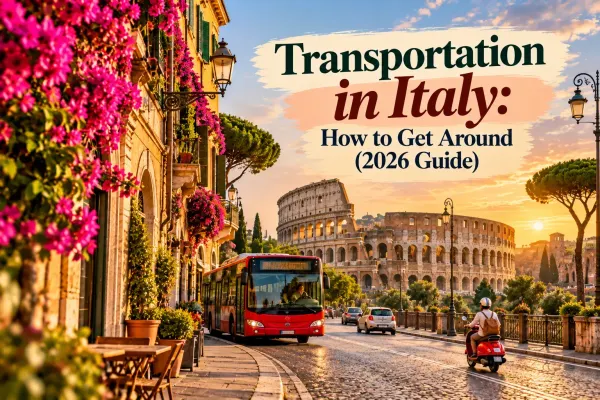
France Travel Tips: 10 Things I Wish I Knew Before Going
For a smoother trip to France, visit in April, May, September, or October, book popular trains and attractions ahead, and use SNCF Connect for rail travel. Say bonjour when entering shops, ask for free tap water at restaurants, guard against pickpockets, and arrange mobile data before you arrive.

France offers far more than just iconic Parisian landmarks. From Provence's lavender fields to Loire Valley castles and Mediterranean beach towns, the country caters to every type of traveler. Having a clear set of essential France travel tips makes your journey smooth and cost-effective.
In this blog, we cover the top things to know before visiting France, including local etiquette, train hacks, budgeting, and connectivity tips for a hassle-free trip. Read on to learn these vital lessons and plan your French getaway with confidence.
France Travel Tips at a Glance
Before diving into the detailed guide, use this quick overview to map out the foundational logistics of your upcoming journey:
10 Essential Travel Tips for France
Planning a trip requires reliable details. Reviewing the best travel tips for France ensures you travel confidently like a local. The right collection of France travel tips and tricks will help you experience the country like an expert.
#1. Best Time to Visit France
The shoulder seasons are the best time to visit France because the weather is mild and the crowds are smaller. Visiting during April or October allows you to enjoy popular destinations without the long lines of July.
Keep this seasonality in mind as a core strategy when looking for realistic France travel tips for 2026. Choosing the right months will save you hours in queue lines.
#2. Getting There, Visas & Getting Around
Most international flights land at Paris Charles de Gaulle airport. Before you leave home, make sure to check immigration rules to answer “do you need a visa to travel to France” based on your specific passport.
Using the state-run SNCF app makes booking France transportation incredibly simple for your train journeys. If you are preparing for your very first flight, search for practical travel tips for first-time flyers to make airport navigation smooth.
#3. Where to Stay by Neighborhood
Choosing the right neighborhood defines your experience. For a classic trip to Paris, Le Marais offers a historic atmosphere with great boutique lodging.
Budget travelers should look into the 11th arrondissement for affordable rentals. Keeping these specific neighborhoods in mind is one of the most useful tips for visiting France.
#4. Money, Budgeting & Smart Banking
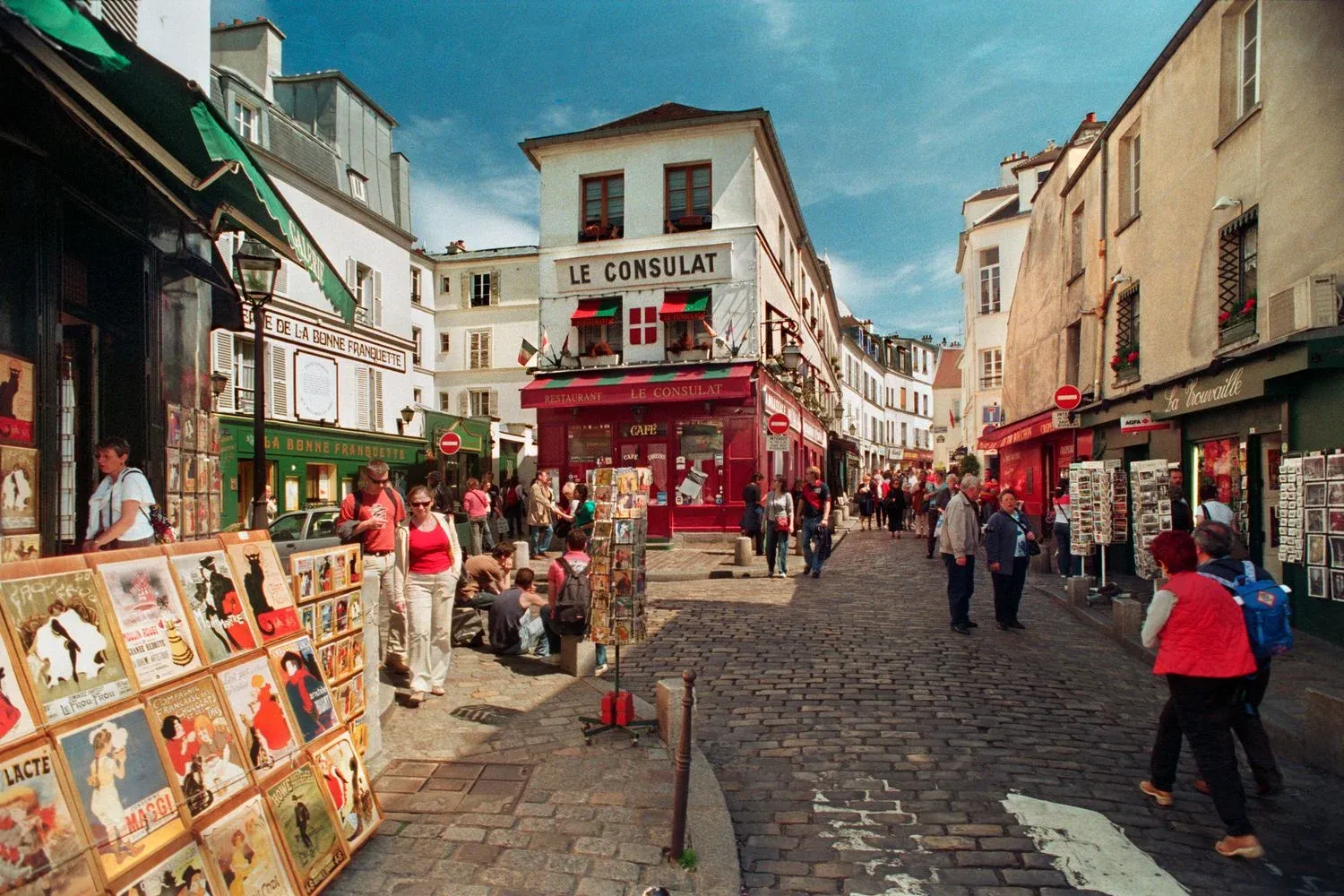
France uses the Euro, and cards are accepted almost everywhere. Your total France travel cost depends heavily on dining habits and museum tickets, so budgeting around €180 per day is wise for a mid-range trip.
Always use ATMs attached to official banks rather than independent machines to avoid high fees. Tipping is not required because a service charge is already included in your restaurant bill.
#5. Staying Safe & Avoiding Common Scams
France is generally safe, but pickpocketing is common around crowded tourist landmarks and transit stations. Staying alert and keeping your items secure are standard travel tips for France that will save you a lot of trouble.
If you run into an emergency, dial 112 from any phone to reach assistance. Tap water is perfectly safe to drink across the country, so you can fill your water bottle anywhere without worry.
#6. Local Customs, Etiquette & Legal Laws
Always say bonjour when entering a shop or restaurant because skipping this greeting is considered highly rude. This simple social norm is a fundamental element of practical France travel tips.
Dress codes are generally casual but smart, so avoid wearing athletic clothing when dining out. Remember that it is illegal to fly drones over French cities without official government permits.
Read more: France's rich history spans ancient traditions, iconic landmarks, and unique cultural quirks. Discover fascinating trivia before you board your flight. Read our blog 👉 20 Fun Facts About France That Will Surprise You
#7. What to Pack for the Journey
Your specific France packing list should focus on smart layers and comfortable walking shoes for cobblestone streets. Bring a reusable water bottle and a crossbody bag with secure zippers to deter pickpockets.
You do not need formal wear unless you plan to dine at high-end Michelin-starred restaurants. Packing light makes moving between train stations much easier.
#8. Food, Drink & Restaurant Dining
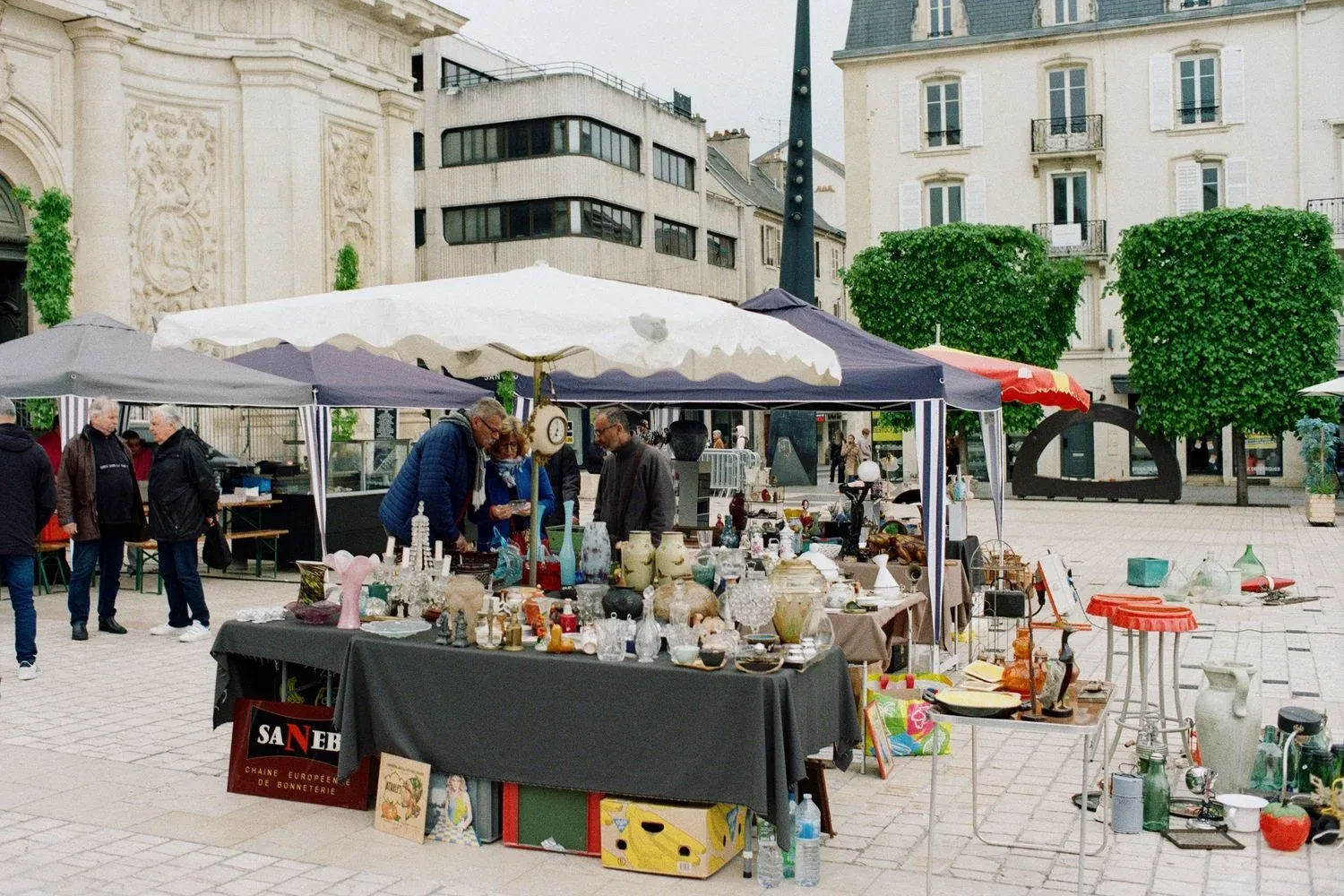
When dining out, try classic regional specialties like coq au vin or fresh galettes in Brittany. Using France travel tips for first-timers will help you understand that bakeries expect you to pay with small coins or cards for a single croissant.
Always ask for une carafe d'eau at restaurants to receive free tap water. This simple phrase saves you from buying expensive bottled water during dinner.
Read more: France offers incredible diversity beyond Paris, from coastal cliffs to medieval villages. Explore top regional destinations to add to your bucket list. Read our blog 👉 10 Best Places to Visit in France You’ll Love
#10. Health, Insurance & Sustainable Habits
No specific vaccinations are required for entry, and pharmacies are easily accessible in every neighborhood. Buying comprehensive travel insurance is highly advisable to cover unexpected medical emergencies.
Avoid visiting over-crowded spots like Mont-Saint-Michel during midday peak hours to reduce strain on local infrastructure. Use regional trains instead of domestic flights to lower your carbon footprint.
#10. Staying Connected in France
If you are wondering, “will my phone work in France?”, standard carrier roaming often brings steep daily fees. Using local public Wi-Fi leaves you vulnerable, so securing a reliable digital data plan before departure is one of the most practical tips for visiting France.
Installing a Jetpac France eSIM keeps your device connected affordably without physical SIM swaps. It automatically links to the strongest local 4G or 5G networks across the country.
When comparing travel connectivity for the best eSIM for France, Jetpac stands out by keeping essential navigation apps like Google Maps working even after high-speed data finishes.
Read more: Combining your French getaway with a trip to Italy? Learn essential cultural etiquette, dining rules, and transportation secrets for your Italian vacation. Read our blog 👉 Travel Tips for Italy: 25 Things to Know Before You Go
What Should You Book in Advance for France?
Responsible & Sustainable Travel
Traveling responsibly preserves local culture and protects fragile environments across the country.
- Dress respectfully and lower your voice when entering historic active churches.
- Explore over-tourism hotspots like Mont-Saint-Michel during early morning hours to reduce local strain.
- Protect coastal ecosystems by staying on designated paths along the cliffs of Étretat.
- Use efficient regional trains instead of domestic flights to reduce your carbon footprint.
Common Mistakes to Avoid in France
Reviewing a reliable France travel guide helps you spot major pitfalls before they disrupt your vacation. Avoid these frequent missteps to ensure a smooth journey.
- Forgetting to validate paper transit tickets in the yellow station machines results in immediate heavy fines.
- Buying pastries from commercial supermarket chains deprives you of authentic artisan bakery quality.
- Expecting quick restaurant service is unrealistic because French dining is meant to be a slow experience.
- Paying for expensive bottled water at dinner wastes money when free tap water is readily available.
- Touching produce at local open markets is rude, so always let the vendor select the items for you.
Using these France travel tips for first-timers keeps your itinerary stress-free and protects your travel budget.
Tips for Different Types of Travelers
Solo Travelers
If you are planning a journey around France solo, travel options are abundant due to safe public transit networks and social hostel environments. It is a highly welcoming country for independent exploration.
Families with Kids
Families traveling with children will find excellent discounts on regional trains and free admission to most major national museums. Many parks and public spaces feature dedicated play areas.
Senior Travelers
Senior travelers can take advantage of extensive accessibility options and skip-the-line permits at historic landmarks. Reduced ticket pricing is often available for museum entries.
Suggested Trip Length
A 10-day trip is the perfect amount of time to experience Paris and one other major region like the Loire Valley or the French Riviera.
- Days 1 to 4: Explore the historic streets, museums, and landmarks of Paris.
- Days 5 to 7: Take a high-speed train to tour the castles of the Loire Valley.
- Days 8 to 10: Travel south to relax along the coast of the French Riviera.
If you want to see the wine regions of Bordeaux instead, simply swap out the southern coast and add three extra days to your itinerary.
Read more: Planning your exact route through France? Get detailed route options, train connections, and day-by-day plans for short and long vacations. Read our blog👉 France Itinerary: 7, 10, 14 and 21-Day France Trip Ideas
France Pre-Trip Checklist
Use this final, skimmable checklist to ensure you have secured all essential documents and bookings before heading to the airport:
- Check that your passport is valid for at least three months beyond your planned departure date.
- Confirm your health insurance coverage or purchase a comprehensive travel insurance policy.
- Download the SNCF Connect app to manage all your train tickets digitally.
- Install a travel eSIM on your smartphone for instant data access upon landing.
- Notify your bank of your travel dates so your credit cards work smoothly abroad.
- Book your timed entry slots for major museums like the Louvre and Versailles.
- Download offline digital maps of Paris and other regional destinations to navigate without service.
- Pack comfortable walking shoes, smart layers, and a secure crossbody bag.
- Memorize basic French greetings like bonjour and merci to use with locals.
Read more: Crossing multiple European borders during your journey? Master essential cross-border logistics, packing strategies, and transit advice across the continent. Read our blog 👉 Best Travel Tips for Europe: 25 Things to Know Before You Go
FAQs
What is the best way to get around France?
The state-run SNCF high-speed train network is the best option for traveling between regions. For navigating within cities, local metro systems and buses offer fast, cheap transportation.
Do I need cash in France, or can I use a card?
Credit and debit cards are accepted almost everywhere across the country. However, carrying small Euro coins is helpful for tipping, public restrooms, or buying a single croissant at local bakeries.
What cultural customs should I know before visiting France?
Always greet shopkeepers with a simple "bonjour" upon entering. Remembering small France travel tips like asking for "une carafe d'eau" gets you free tap water at restaurants.
Do I need an eSIM or SIM card for France?
You do not strictly need one if you rely on Wi-Fi, but having cellular data makes navigating maps and checking train schedules much easier. Choosing the best eSIM for France depends on your travel needs, though Jetpac is generally considered a solid option for reliable connectivity.
What should I pack for a trip to France?
Pack comfortable walking shoes for cobblestone streets, smart casual layers, a reusable water bottle, and a secure crossbody bag. Leave formal wear behind unless dining at high-end Michelin-starred restaurants.
Is France safe for solo travelers?
Yes, France is very safe for solo travelers due to social hostel environments and efficient transit networks. Just stay alert against pickpockets around busy tourist landmarks and transit stations.
How many days do you need in France?
A 10- to 14-day trip is ideal. Ten days gives you enough time to explore Paris thoroughly while adding one extra region, such as the Loire Valley or the French Riviera.
Do I need a visa for France?
US citizens do not need a visa for short tourist stays under 90 days. However, you must check current border regulations, as digital ETIAS travel registrations apply.
Is France expensive?
France accommodates various budgets. While luxury dining and central Paris hotels are costly, visiting local bakeries, using tap water, and riding regional trains keep mid-range costs around €180 daily.
Disclaimer
The information provided in this guide is based on travel data, estimated prices, and regional guidelines available at the time of writing in 2026. Specific details, including museum entry rules, transportation schedules, visa policies, and general travel costs, are subject to change without notice. We recommend verifying current details and guidelines directly with official provider websites before planning your trip. Jetpac is not responsible for any changes or travel outcomes following publication.
Get connected as soon as you land with a Jetpac travel eSIM.