
Italy Itinerary: Perfect 3, 5, 7, 10 & 14-Day Italy Trips
Explore Italy with 3, 5, 7, 10, and 14-day itineraries covering classic cities, southern coastlines, islands, regional routes, costs, and travel tips.

An Italy itinerary built around Frecciarossa and Italo high-speed rail connects Rome, Florence, Venice, and Naples without a rental car. Three days cover Rome's essentials; fourteen opens the Amalfi Coast, Sicily, and Puglia in one connected arc.
This covers six trip lengths with 2026 costs, day-by-day structure, and practical routing throughout. When you plan a trip to Italy, regional logic matters more than the number of attractions.
The Rome-Florence-Venice corridor anchors most first visits, but an Italy travel itinerary that extends south toward Naples or north toward the Dolomites delivers more variety per day than staying within a single corridor.
April to June and September to October offer 20-30 percent savings on accommodation versus August peak across all major Italian cities.

Italy Itinerary at a Glance
Italy by Trip Length:
Rome by Days:
Read more: Italy travel planning covers costs, safety, regional transport, and logistics in far more depth than any single itinerary. 👉 Complete Italy Travel Guide 2026: Where to Go and What to Know
How Many Days Do You Need in Italy?
Minimum worthwhile stay: Five days. Three days cover Rome but leave Florence, the coast, and southern Italy inaccessible on the same trip. Five days opens one meaningful secondary destination alongside Rome without rushing either place.
Ideal stay: Ten to fourteen days. Ten days runs the classic arc (Rome, Florence, Venice) plus Naples and the Amalfi Coast. Fourteen days brings Sicily or Puglia into the route without rushing any section.
Longer stay: Twenty-one days allows genuine slow pacing across both north and south, with dedicated time for the Dolomites, Cinque Terre, and multiple Sicilian bases.
What changes with each additional block of time:
3 days: Rome highlights only (Colosseum, Vatican, Borghese Gallery)
5 days: Rome plus Florence or Naples
7 days: Rome, Florence, and Venice on the classic arc10 days: Classic arc plus Amalfi Coast
14 days: Full arc plus islands or Puglia
21 days: North and south with genuine regional depth
Plan a trip to Italy with fewer than five days, and the entire south and most secondary cities remain out of reach on the same trip.
Best Italy Itineraries by Trip Length
Italy 1-Day Itinerary
One day in Italy means Rome. Stay inside the historic center and walk.
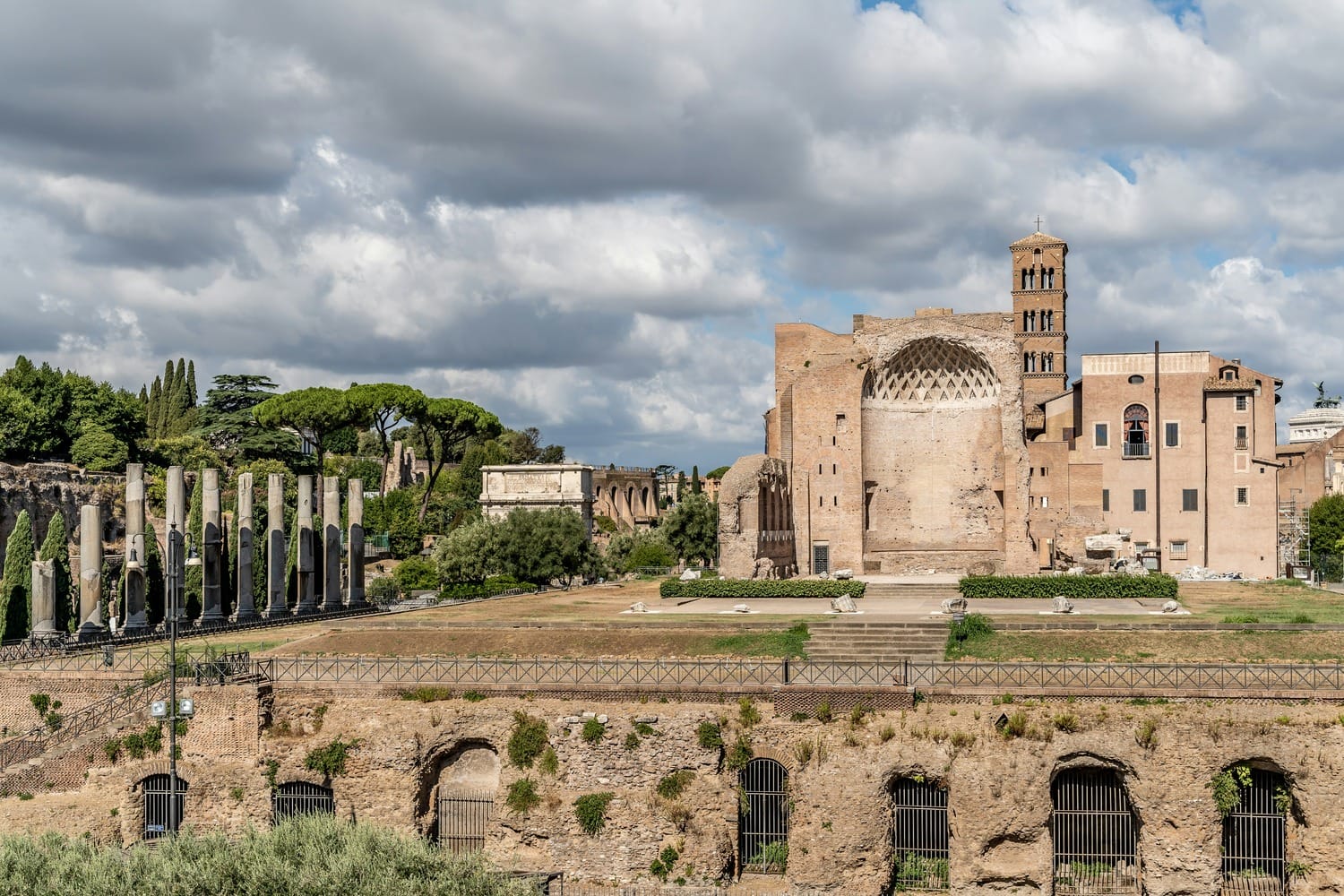
- Morning: Colosseum and Roman Forum (from USD 18; book ahead; arrive before 9 am); Palatine Hill viewpoint
- Afternoon: Pantheon (from USD 5.50); Campo de' Fiori; Piazza Navona
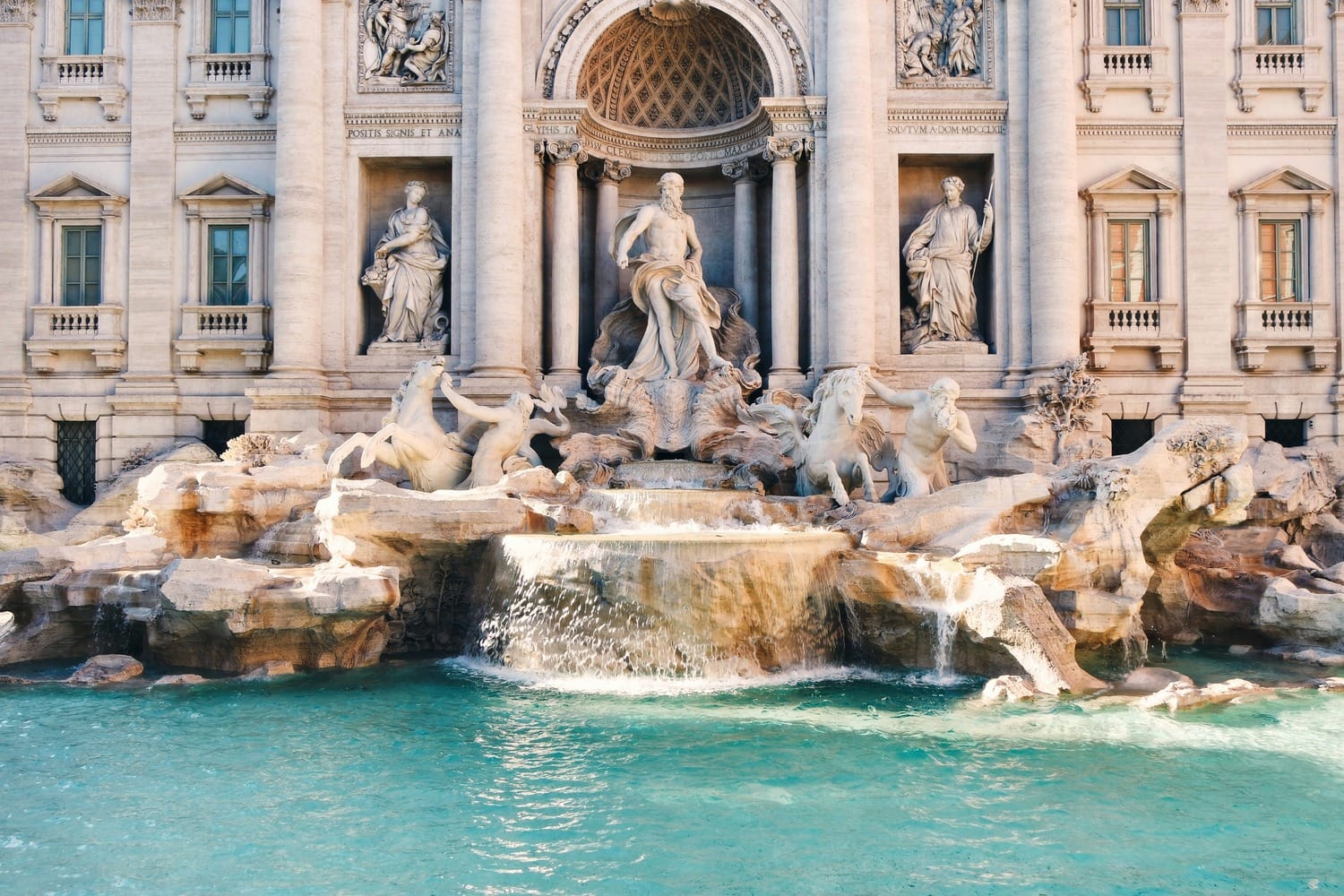
- Evening: Trevi Fountain after 10 pm (free; near-empty); Trastevere dinner (USD 15-25)
Italy 3-Day Itinerary
Day 1: Colosseum and Roman Forum morning; Palatine Hill afternoon; Trastevere evening dinner
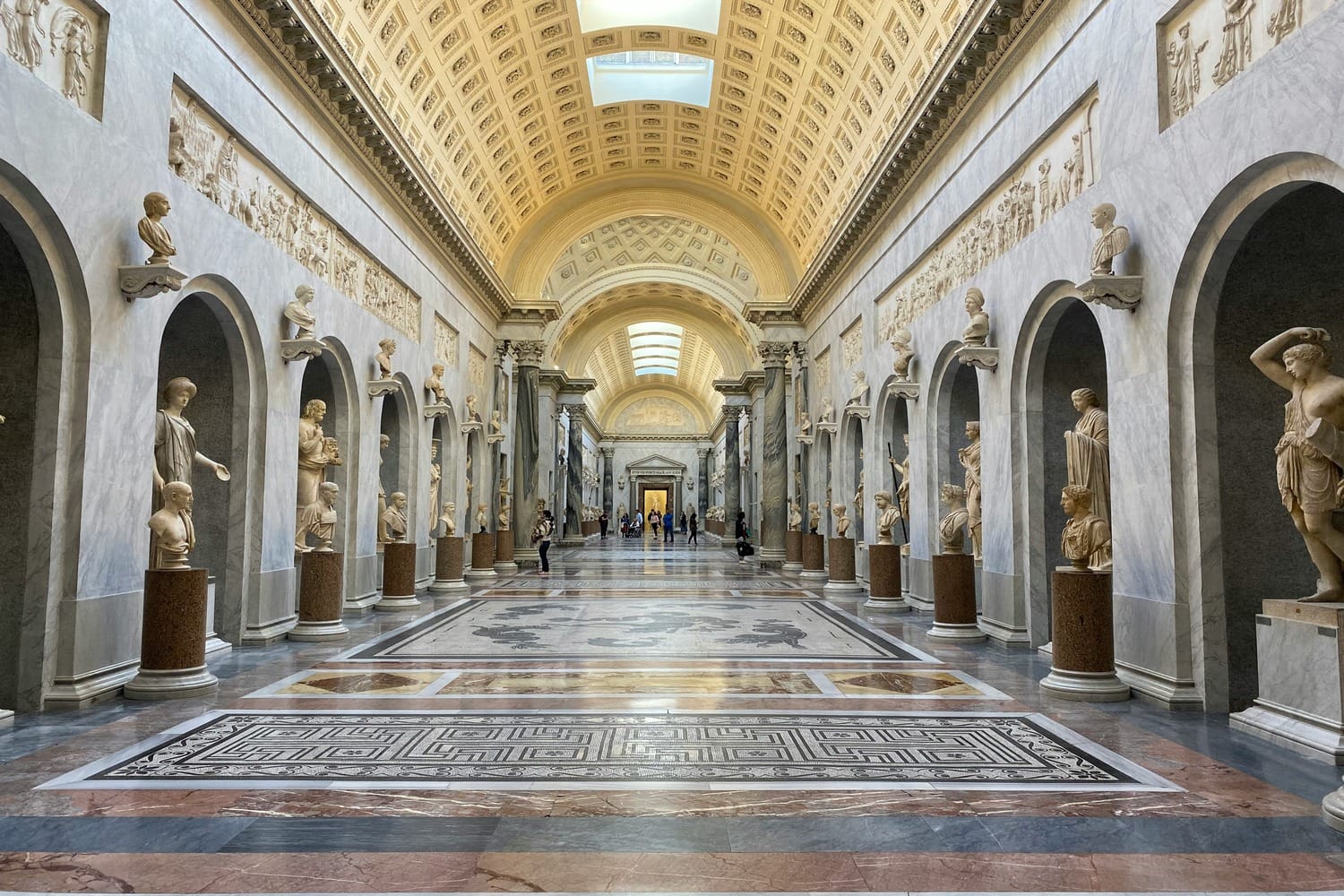
Day 2: Vatican Museums morning (from USD 22; book 4-6 weeks ahead); Castel Sant'Angelo afternoon; Prati dinner
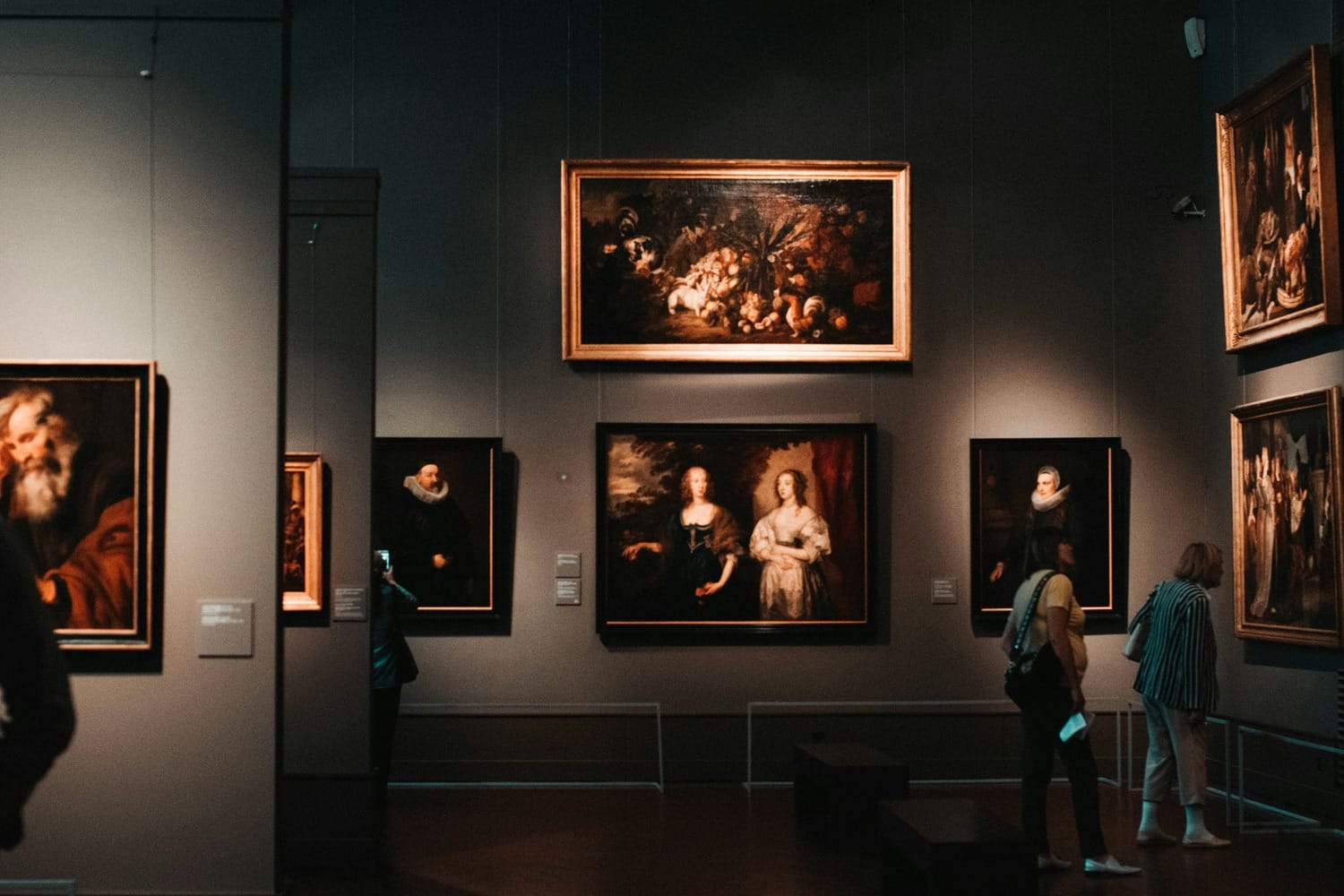
Day 3: Borghese Gallery (USD 15-20; 360 visitors per 2-hour slot; book 3-4 weeks minimum); Villa Borghese park; Trevi Fountain after 10 pm
Italy 5-Day Itinerary
Day 1: Rome (Colosseum, Forum, Palatine Hill)
Day 2: Rome (Vatican Museums, Sistine Chapel, St. Peter's dome from USD 8-10)
Day 3: Rome (Borghese Gallery, Trastevere evening)
Day 4: Frecciarossa to Florence (1 hour 35 minutes; from USD 20); Uffizi Gallery afternoon (from USD 22)
Day 5: Florence Duomo dome (from USD 20); Bargello Museum; Piazzale Michelangelo sunset (free)
Italy 7-Day Itinerary
The Italy itinerary 7 days covers Rome (3 nights), Florence (2 nights), and Venice (2 nights) at a pace that lets each city breathe.
Day 1: Rome
Morning: Colosseum and Forum.
Afternoon: Palatine Hill.
Evening: Trastevere dinner.
Overnight: Centro storico.
Day 2: Rome
Morning: Vatican Museums.
Afternoon: Castel Sant'Angelo.
Evening: St. Peter's Square (free).
Overnight: Rome.
Day 3: Rome
Morning: Borghese Gallery.
Afternoon: Villa Borghese park.
Evening: Trevi Fountain after 10 pm.
Overnight: Rome.
Day 4: Frecciarossa to Florence
Morning: Frecciarossa to Florence (1 hour 35 minutes; from USD 20).
Afternoon: Uffizi Gallery.
Evening: Oltrarno dinner.
Overnight: Florence.
Day 5: Florence
Morning: Duomo dome (from USD 20).
Afternoon: Mercato Centrale; Bargello Museum.
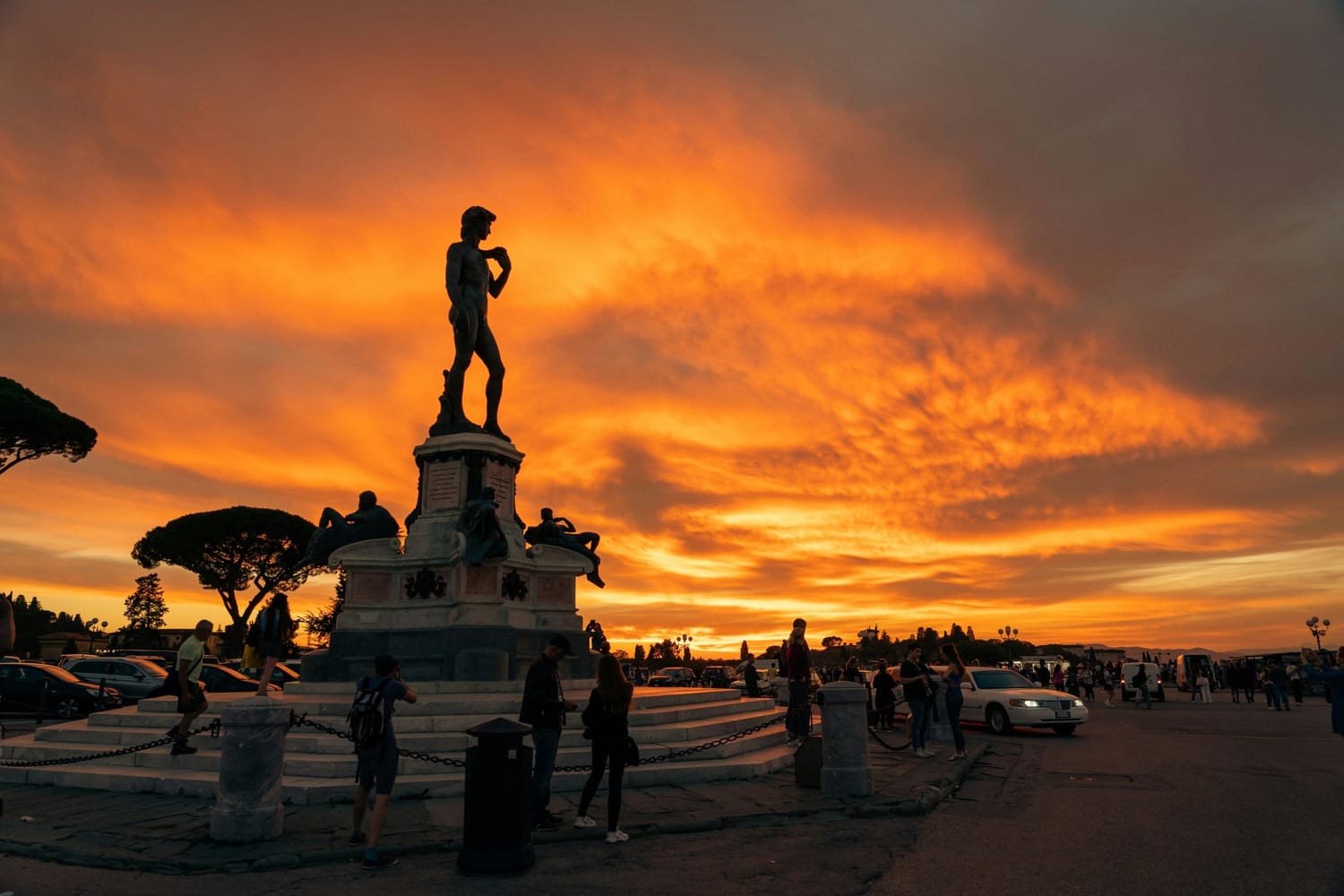
Evening: Piazzale Michelangelo sunset.
Overnight: Florence.
Day 6: Frecciarossa to Venice
Morning: Frecciarossa to Venice (approximately 2 hours; from USD 25).
Afternoon: Grand Canal vaporetto (USD 9.50).
Evening: Cicchetti bars in Cannaregio.
Overnight: Venice.
Day 7: St. Mark's Basilica
Morning: St. Mark's Basilica (free); Doge's Palace (USD 16-28).
Afternoon: Burano island (approximately 40-45 minutes by vaporetto Line 12 from Fondamente Nove).
Evening: Return train or depart from Venice.
This 7-day Italy itinerary suits first-time independent travelers wanting Rome, Florence, and Venice without overloading any individual day.
Italy 10-Day Itinerary
The 10-day Italy itinerary extends the classic arc south with Naples and the Amalfi Coast.
- Days 1-3: Rome
- Days 4-5: Florence
- Days 6-7: Venice
- Days 8-9: Naples and Pompeii (Frecciarossa Rome to Naples approximately 1 hour 15 minutes; from USD 20)
- Day 10: Amalfi Coast (Salerno ferry to Positano approximately USD 13-17 one way; return same evening)
This 10-day trip to Italy itinerary suits travelers wanting northern culture and southern coast on a single connected rail arc.
Italy 14-Day Itinerary
The Italy itinerary 14 days adds Puglia or Sicily after the classic northern circuit. On an Italy itinerary 14 days or longer, the Amalfi Coast warrants its own 2-night base rather than a rushed day trip.
- Days 1-3: Rome
- Days 4-5: Florence
- Days 6-7: Venice
- Days 8-9: Naples and Pompeii
- Days 10-11: Amalfi Coast (Positano base)
- Days 12-14: Sicily (fly Naples to Catania for USD 30-60) or Puglia from Bari
This two-week trip to Italy itinerary suits couples and repeat visitors wanting history, coast, and Mediterranean combined without rushing either section.
Read more: Italy holds cultural and historical facts that most visitors never discover before their first trip. 👉 20 Fun Facts About Italy You Probably Didn't Know
Detailed Italy Itinerary
The 7-day Italy travel itinerary below gives the full day-by-day practical breakdown.
Day 1: Rome
Morning: Colosseum and Roman Forum (from USD 18; book 4-6 weeks ahead).
Afternoon: Palatine Hill. Evening: Trastevere dinner (USD 15-25).
Overnight: Centro storico or Trastevere.
Where to stay: Centro storico or Trastevere.
Getting around: Metro Line B to Colosseo; walking to Trastevere.
Day 2: Rome
Morning: Vatican Museums (from USD 22).
Afternoon: Castel Sant'Angelo exterior.
Evening: St. Peter's Square (free; illuminated at night).
Overnight: Rome.
Where to stay: Rome.
Getting around: Metro Line A to Ottaviano; 10-minute walk to the Vatican.
Day 3: Rome
Morning: Borghese Gallery (USD 15-20; entry limited to timed 2-hour slots; check availability at galleriaborghese.it).
Afternoon: Villa Borghese park.
Evening: Trevi Fountain after 10 pm.
Overnight: Rome.
Where to stay: Rome.
Getting around: Bus to Villa Borghese; walking for Trevi and Pantheon.
Day 4: Florence
Morning: Frecciarossa from Rome Termini (1 hour 35 minutes; from USD 20).
Afternoon: Uffizi Gallery (from USD 22).
Evening: Oltrarno district dinner.
Overnight: Florence.
Where to stay: Florence centro storico or Oltrarno.
Getting around: A 10-minute walk from Florence Santa Maria Novella station covers all central sights.
Day 5: Florence
Morning: Brunelleschi's Duomo dome (from USD 20; book in advance).
Afternoon: Bargello Museum; Mercato Centrale.
Evening: Piazzale Michelangelo sunset (free).
Overnight: Florence.
Where to stay: Florence. Getting around: Walking covers all center sights within 25 minutes.
Day 6: Venice
Morning: Frecciarossa Florence to Venice Santa Lucia (approximately 2 hours; from USD 25).
Afternoon: Grand Canal vaporetto Line 1 (USD 9.50); Rialto Market.
Evening: Cicchetti bar circuit in Cannaregio.
Overnight: Venice.
Where to stay: Cannaregio or Dorsoduro (best value).
Getting around: Vaporetto covers all island zones; no cars operate inside Venice.
Day 7: Venice and Departure
Morning: St. Mark's Basilica (free); Doge's Palace (USD 16-28).
Afternoon: Burano island by vaporetto Line 12 (approximately 40-45 minutes from Fondamente Nove).
Evening: Return train to Rome or Milan for onward flights.
Overnight: Rome or Milan departure hotel depending on flight schedule.
Where to stay: Rome or Milan departure hotel.
Getting around: Vaporetto to Venice Santa Lucia station; Frecciarossa to Rome or Milan.
Italy Itinerary by Region
Northern Italy
A northern Italy itinerary covers Milan, the Dolomites, Lake Como, Verona, and Venice in 7-10 days. Bolzano serves as the strongest Dolomites hiking base throughout summer. This northern Italy itinerary suits design, fashion, and Alpine travelers more than those prioritizing ancient history.
Central Italy
Rome, Florence, Tuscany, and Umbria form the densest part of any Italy travel itinerary. Things to do in Italy for first-time visitors concentrate here, all accessible within the 1 hour 35 minutes Rome-Florence high-speed rail arc.
Southern Italy
A southern Italy itinerary from Naples through Puglia runs best with a rental car hired from Bari. The best day trips from Rome, Italy, extend south toward Pompeii and Ostia Antica for Roman archaeology without a full southern journey. This southern Italy itinerary rewards travelers with at least 5-7 dedicated days.
Italian Islands
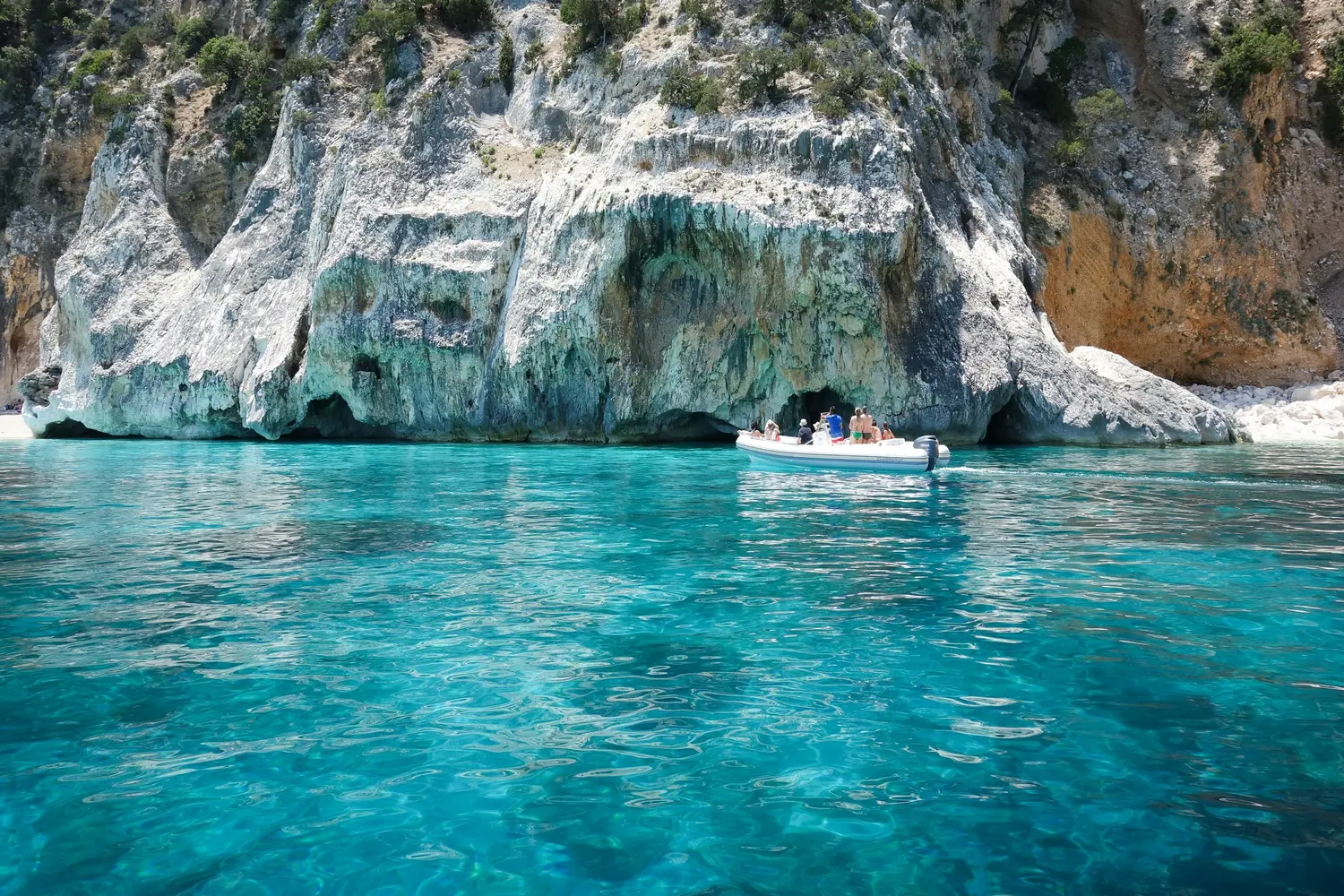
Sicily and Sardinia each warrant a dedicated 5-7 day stay. How to get around in Italy's island regions differs significantly from the mainland; rental cars are essential in rural Sicily and Sardinia where rail connections are limited.
Read more: Italy's entry requirements vary by nationality and update annually; always confirm before booking any flights. 👉 Do You Need a Visa to Go to Italy in 2026? Complete Entry Requirements Guide
Best Italy Routes
Classic First-Time Route
Rome (3 nights) → Florence (2 nights) → Venice (2 nights). All by Frecciarossa; no rental car needed.
Northern Italy Route
Milan (2 nights) → Lake Como (1 night) → Verona (1 night) → Venice (2 nights). Suits design, fashion, and lake travelers.
Southern Italy Route
Rome (2 nights) → Naples (2 nights) → Amalfi Coast (2 nights) → Puglia from Bari (3 nights). Rental car from Naples is essential for Amalfi and Puglia.
Italy Plus Greece Route
Bari to Patras overnight ferry (17-21 hours). Include only when genuinely extending into Greece for five or more days.
How Long to Spend in Each Place
Best Day Trips in Italy
Pompeii from Naples
Why go: 44 hectares of Roman city frozen in 79 AD; essential for any Italy trip reaching the south.
Travel time: Approximately 40 minutes from Naples Porta Nolana.
How to get there: Circumvesuviana train to Pompei Scavi station; approximately USD 7 return.
How long you need: 3-5 hours; full day if combining with Herculaneum.
What to do: Street of Abundance, Villa of Mysteries frescoes, Amphitheater.
Cinque Terre from Florence
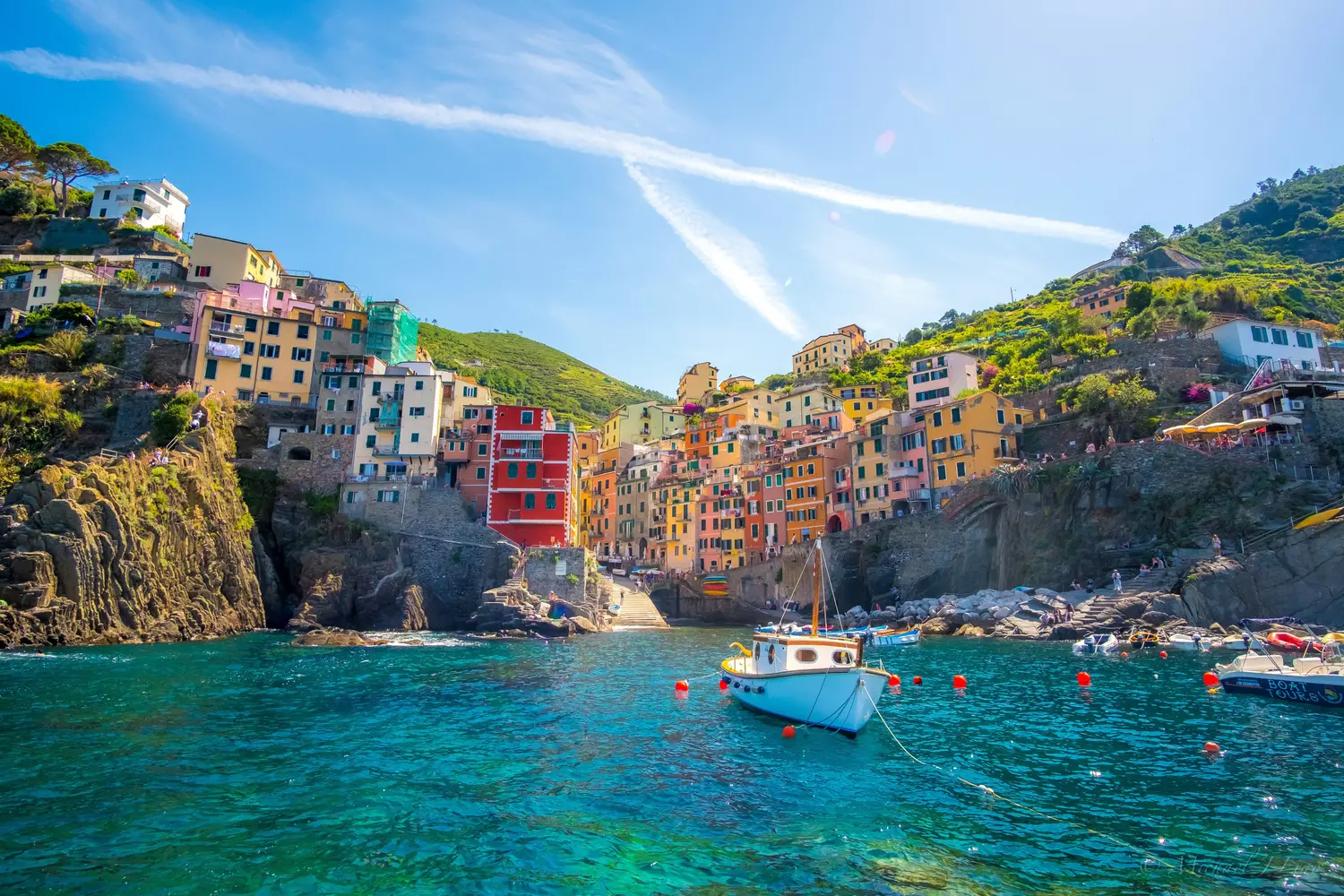
Why go: Five medieval coastal villages on Ligurian clifftops; no cars operate inside any village center.
Travel time: Approximately 1 hour 45 minutes to La Spezia, then 10-12 minutes by local train.
How to get there: Frecciarossa Florence to La Spezia (from USD 12); Cinque Terre Express to Riomaggiore.
How long you need: Full day.
What to do: Sentiero Azzurro trail circuit; harbor seafood lunch at Vernazza or Monterosso.
Matera from Bari
Why go: UNESCO World Heritage cave city with 9,000 years of continuous habitation.
Travel time: Approximately 1 hour 30 minutes from Bari.
How to get there: Bus from Bari central station; USD 5-8 return.
How long you need: Full day; overnight stay removes the day-trip crowd entirely.
What to do: Sasso Caveoso cave churches; Murgia Timone valley viewpoint (free).
Italy Itinerary by Travel Style
First-Time Visitor Itinerary
Rome (3 nights), Florence (2 nights), Venice (2 nights). The best places to visit in Italy for first-time visitors concentrate along this Frecciarossa arc, fully accessible without a rental car.
Couples Itinerary
Rome (2 nights), Amalfi Coast (3 nights), Puglia (2 nights). Ravello gardens, Positano coastal walks, and Alberobello trulli overnights consistently top couple-focused Italy recommendations.
Family Itinerary
Rome (3 nights), Florence (2 nights), Dolomites (3 nights). Pompeii open-air archaeology and Dolomites cable cars suit families with children aged 8 and above. When you plan a trip to Italy with children, pre-booking Pompeii and Vatican Museums 4-6 weeks ahead avoids the longest queues.
Budget Itinerary
Trastevere hostels in Rome (from USD 20/night) and Oltrarno accommodation in Florence (from USD 18/night) consistently undercut centro storico rates. Travel tips for Italy on a budget point to May and September for 25-35 percent lower accommodation across all major cities.
Read more: Phone compatibility and connectivity planning matters before departure for any multi-region Italy trip. 👉 Will My Phone Work in Italy? What Travelers Need to Know
Italy Itinerary by Season
Spring (April-June)
Best overall conditions for the classic Italy vacation itinerary. The best time to visit Italy for a first trip is May; accommodation sits 20-30 percent below August rates, and all attractions run full schedules.
Summer (July-August)
Dolomites hiking and Puglia beaches peak; Rome and Florence hit peak heat and queues simultaneously. Vatican Museums and Uffizi require 2-3 months' advance booking for July entry.
Autumn (September-October)
Wine harvest in Tuscany and Piedmont; truffle season in Umbria; crowds drop from September 1. One of the strongest seasons for any food-focused Italy travel itinerary.
Winter (November-March)
Dolomites ski resorts peak from December. Rome and Florence museums sit at year-low visitor volumes. Christmas markets in Bolzano and Trento run late November through December.
How to Get Around Italy
- Frecciarossa/Italo (high-speed): Rome to Florence (1 hour 35 minutes); Rome to Naples (approximately 1 hour 15 minutes); book via Trenitalia 2-3 months ahead for peak summer
- Regional trains: Secondary cities at lower fares; no advance booking required on most routes
- Rental car: Essential for Puglia, Tuscany countryside, Umbria, and rural Sicily; avoid in all historic city centers
- Metro: Rome (Lines A and B); Milan (5 lines); Naples (3 lines); approximately USD 1.50-2.50 per journey
- Ferry: Naples to Aeolian Islands; Bari/Naples to Sardinia; year-round routes to Sicily
- Walking: All Italian city centers cover major sightseeing zones within 30 minutes on foot
Where to Stay on Your Italy Itinerary
- 3-day Rome trip: Centro storico or Trastevere; no base change needed
- 7-day Italy itinerary: Rome (3 nights), Florence (2 nights), Venice (2 nights); two base changes by rail
- Italy itinerary 10 days: Add Naples (2 nights) after Venice; return to Rome or fly from Naples
- 14-day route: Core arc plus Puglia or Sicily; car hire from Naples or Bari for the south
Changing base city every 2-3 nights suits any multi-region Italy vacation itinerary. Moving every night adds fatigue and removes meaningful time in each destination.
Read more: Italy connects naturally into multi-country European itineraries through shared Schengen rail and border crossings. 👉 Europe Itinerary 7, 10, 14, and 21-Day Europe Trip Ideas
Italy Itinerary Cost
Source: Numbeo Italy Cost of Living; 2026 market data.
How much is a trip to Italy at mid-range? A 10-day trip typically runs USD 2,200-3,000 per person excluding international flights.
What to Book in Advance
Book 4-6 weeks ahead (2-3 months for July-August):
- Vatican Museums and Sistine Chapel
- Colosseum and Roman Forum
- Uffizi Gallery
- Borghese Gallery (strictly capped at 360 visitors per 2-hour slot; same-day entry impossible year-round)
- Frecciarossa for Rome-Florence and Rome-Naples routes
Usually flexible:
- Regional trains in Puglia and Sicily
- Amalfi ferry tickets (purchased at port on the day)
- Market visits and neighborhood walking throughout
What to Pack for Italy
What to pack for Italy shifts by region and season but these items apply across all trips:
- Flat comfortable walking shoes for Rome's cobblestones and Venetian bridges
- Scarf or pashmina for Vatican, basilica, and cathedral entry (required throughout Italy)
- Light layers for evenings that cool quickly from April through October
- European Type F/L plug adapter (230V)
- Downloaded offline maps for rural Puglia and Sicily before departure
- Printed backup copies of Trenitalia and attraction e-tickets
Stay Connected During Your Italy
Hotel Wi-Fi across rural Puglia, Umbrian hilltop towns, and Sicilian countryside is unreliable at best. Digital Vatican Museum tickets, Trenitalia live tracking, offline Google Maps navigation, and same-day Amalfi ferry booking all require live mobile data at moments when hotel Wi-Fi is absent.
Roaming on most home carrier plans adds USD 10-30 per day across Italy. A local Italian SIM requires finding a store on arrival with valid ID.
A Jetpac eSIM for Italy installs before departure and covers the full national 4G and 5G grid from Rome to Palermo from the moment you land. Plans start from USD 2, which helps you save up to 70% more than roaming.
An Italy eSIM covers 4G and 5G across all regions, including rural Puglia and Sicilian countryside where hotel Wi-Fi is weakest.
eSIM Italy plans from Jetpac include unrestricted hotspot sharing and free WhatsApp, Google Maps, and Uber access even after data runs out.
An eSIM Europe plan extends the same connection into France, Greece, or Switzerland for multi-country itineraries.

Common Italy Itinerary Mistakes
These errors are specific to Italy and not generic travel cautions:
- Combining Rome, Florence, Venice, and the Amalfi Coast in 7 days; the south requires at least 3-4 additional nights to avoid back-to-back travel days
- Booking a rental car for Rome, Florence, or Venice; ZTL camera fines for unauthorized vehicles arrive by post weeks after departure with no on-site warning
- Planning 4-5 sightseeing sites per day in Rome; the Vatican alone takes a half-day when visited properly
- Visiting Pompeii in August midday; the excavation site has near-zero shade across 44 hectares
- Cutting Florence to a single day; Uffizi and Duomo dome each require a separate morning slot
- Routing a Puglia circuit via Calabria; flying Naples to Catania saves 4-5 hours of poor-quality road driving
FAQs
How many days do I need in Italy?
Seven days covers Rome, Florence, and Venice comfortably; ten adds Naples and the Amalfi Coast; fourteen opens Sicily or Puglia without rushing any region.
What is the best Italy itinerary for first-time visitors?
Rome (3 nights), Florence (2 nights), and Venice (2 nights) is the strongest first-time combination, all connected by Frecciarossa without a rental car or domestic flight.
Is a 7-day Italy itinerary enough?
An Italy itinerary for 7 days covers the classic northern arc well; adding the Amalfi Coast or Sicily requires at least 10 days to avoid back-to-back travel days.
What should I not miss in Italy?
The Vatican Museums, Pompeii, Uffizi Gallery, Venice Grand Canal by vaporetto, and at least one southern coastal experience appear across every Italy trip recommendation.
Can I do Rome and the Amalfi Coast in 10 days?
Yes; a 10-day trip to Italy itinerary connecting Rome, Florence, Venice, Naples, and the Amalfi Coast fits comfortably on the high-speed rail network.
What is the best route through Italy?
The Rome-Florence-Venice Frecciarossa corridor suits most first visits; Naples and the Amalfi Coast can be added for any Italy trip of 10 days or more.
Is two weeks enough to see Italy?
A two-week trip to Italy itinerary covers 4-5 regions at a sustainable pace; seeing the full country, including Sicily and the Dolomites meaningfully requires 21 days.
When should you visit Italy for the best experience?
May and September deliver warm weather, fully open attractions, and accommodation 20-30 percent below August peak across all major Italian destinations.
Disclaimer
The information in this blog was accurate at the time of writing and is based on available travel, pricing, and destination data. Prices, schedules, availability, and other details may change after publication. Jetpac is not responsible for such changes.