Real Cost of Living in Switzerland: Rent, Food & More
The cost of living in Switzerland is among the highest in the world. This guide breaks down rent, housing costs in Switzerland, groceries, transport, health insurance, and connectivity so you can understand the real Switzerland life cost and budget accurately.
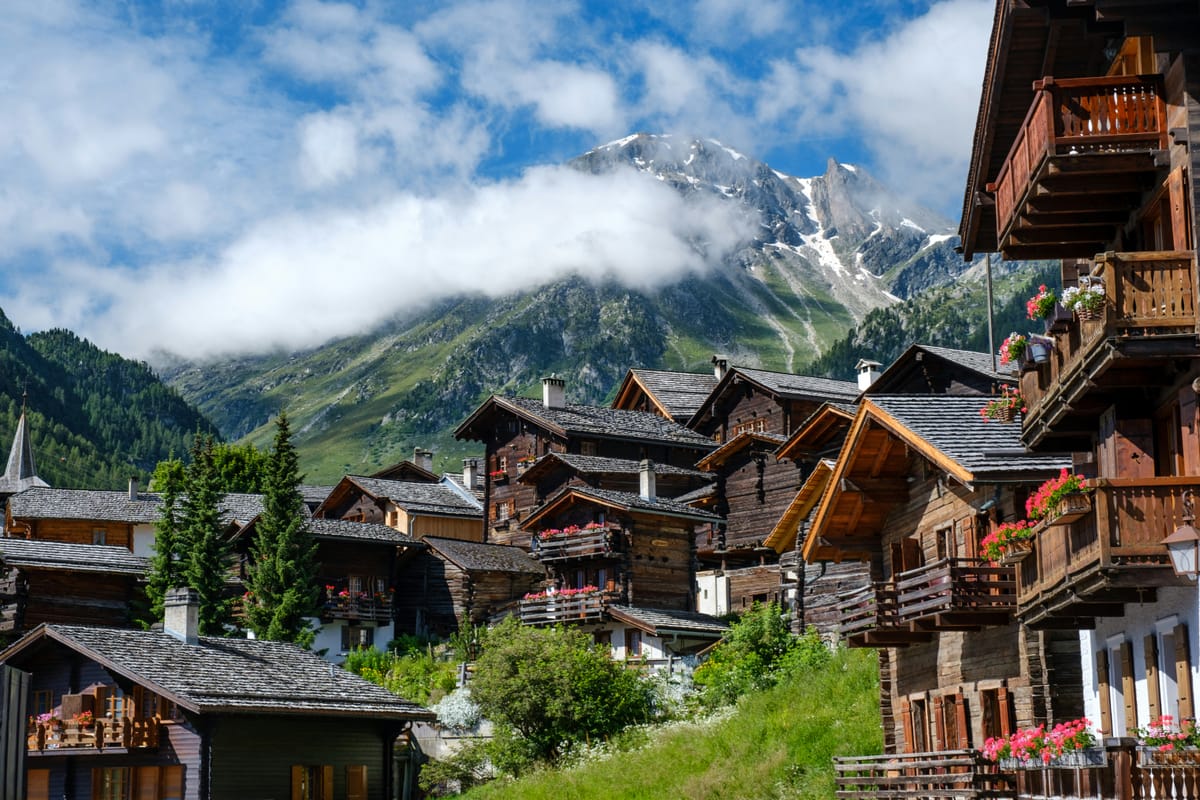
Switzerland’s stunning quality of life comes at a high price. Rent, groceries, public transport, and even a casual dinner out cost more than in most countries. If you’re considering moving or staying long-term, understanding the cost of living in Switzerland is essential before making plans.
This guide breaks down the real Switzerland cost of living, from housing and groceries to transport, insurance, and even mobile connectivity. We also explain how choosing an eSIM Switzerland plan can help control roaming expenses during short or extended stays. Whether you’re relocating for work, studying, or planning an extended visit, knowing the true price of living in Switzerland helps you budget wisely and avoid surprises.
Overview: Is It Expensive to Live in Switzerland?
Let’s address the big question directly: Is it expensive to live in Switzerland? Yes. The cost of living in Switzerland consistently ranks among the highest in the world.
On average, a single person needs around CHF 2,500–3,500 per month (approximately USD 2,800–3,900) to live modestly, including rent. A family of four may require CHF 6,500–7,500+ per month (around USD 7,200–8,300+) depending on the city and lifestyle.
Swiss salaries are also high, which helps offset the steep Switzerland life cost. However, newcomers often experience sticker shock, especially in cities like Zurich and Geneva. In these major hubs, the price of living in Switzerland can easily be 15–25% higher than in smaller towns.
Housing, groceries, health insurance, and dining out account for most living expenses in Switzerland. While quality of life is exceptional, budgeting carefully is essential if you want to manage the overall Switzerland cost of living comfortably.
Rent and Housing Costs in Switzerland (Urban vs Rural)
Housing is the largest component of the cost of living in Switzerland. For most residents, rent alone takes up 25 to 35 percent of monthly income.
These numbers show why rent heavily influences the overall Switzerland cost of living.
💡 To reduce the price of living in Switzerland, many newcomers choose flatshares. Renting a room in a shared apartment typically costs CHF 800–1,200 (USD 900–1,350), making it one of the most effective ways to manage housing costs in Switzerland.
Another reality: rental demand is high, especially in Zurich, Basel, and Geneva. Securing an apartment often requires proof of income, references, and patience. For expats, temporary serviced apartments may be easier at first, but they come at a premium.
Location plays a major role in your overall Switzerland life cost. Living slightly outside city centers with access to reliable public transport can significantly lower monthly rent while maintaining convenience.
Curious about what makes the country worth the price? Explore the most beautiful places in Switzerland to see where your budget might take you.
Food and Grocery Prices
Groceries are another major part of the cost of living in Switzerland. Compared to neighboring countries like France or Germany, food prices are noticeably higher.
For a single person, monthly grocery spending usually ranges from CHF 400–600 (USD 450–670). A family of four can easily spend CHF 1,500–2,000+ (USD 1,650–2,200+) depending on eating habits.
These numbers highlight why food significantly affects the overall Switzerland cost of living.
Shopping at budget chains like Aldi or Lidl can help lower living expenses in Switzerland, while premium supermarkets such as Coop and Migros tend to be more expensive. Some residents who live near borders even shop in Germany, France, or Italy to reduce their monthly grocery bill.
Cooking at home is one of the most effective ways to control the price of living in Switzerland. Dining out frequently will quickly raise your monthly budget.
If you are planning a move or extended stay, it also helps to understand the best time to visit Switzerland, as seasonal costs and living conditions can vary.
Transportation and Public Transit
Transport plays an important role in the overall cost of living in Switzerland, but the system is efficient, reliable, and well-connected.
In major cities, a monthly public transport pass typically costs CHF 70–90 (USD 75–100). This covers unlimited travel on local buses, trams, and regional trains within your zone. Many residents rely entirely on public transport, which helps keep overall living expenses in Switzerland more manageable.
For intercity travel, trains are fast and comfortable but can be expensive. A one-way ticket between Zurich and Geneva can cost CHF 50–90 (USD 55–100) depending on booking time. Many residents purchase a Half-Fare Card, which reduces ticket prices by 50% and can significantly lower the long-term Switzerland life cost if you travel frequently.
Because of these costs, many people avoid car ownership unless absolutely necessary.
Taxis and rideshares are also pricey. A short 10-minute ride in Zurich or Geneva can cost CHF 20–40 (USD 22–44).
The Swiss cities are walkable and bike-friendly. With strong public infrastructure, it is possible to manage transport efficiently and reduce the overall price of living in Switzerland without sacrificing convenience.
Utilities and Health Insurance
Beyond rent and food, utilities and insurance significantly increase the cost of living in Switzerland.
👉 For a standard apartment, monthly utilities including electricity, heating, water, and waste collection typically range between CHF 200–300 (USD 220–330). Larger apartments or winter heating can push this higher.
👉 Home internet adds another CHF 50–80 per month (USD 55–90). Mobile plans from local providers often cost CHF 30–60 monthly (USD 33–66), depending on data usage.
👉Health insurance is mandatory for all residents and is one of the largest fixed components of the Switzerland cost of living. In 2025, the average adult premium is around CHF 450–500 per month (USD 500–550). Children pay less, but for families, total insurance costs can exceed CHF 1,000 monthly (USD 1,100+).
This basic insurance covers essential medical services but includes deductibles. A routine doctor visit can cost CHF 100–150 (USD 110–165) before deductible coverage applies. Dental care is usually not included and must be paid separately.
Health insurance alone explains why many newcomers ask, is it expensive to live in Switzerland? Even before rent and groceries, this mandatory expense adds substantially to overall living expenses in Switzerland.
When calculating your monthly budget, include utilities and insurance carefully. These recurring costs directly impact the real price of living in Switzerland and are often underestimated by first-time residents.
Dining Out and Entertainment
Eating out significantly increases the cost of living in Switzerland. Restaurant prices are high compared to most European countries.
A basic meal at a casual restaurant typically costs CHF 25–40 (USD 28–44) per person. A mid-range dinner with multiple courses can range from CHF 50–70+ (USD 55–77+), excluding drinks. Fast food meals average around CHF 15–18 (USD 17–20).
Drinks also add up. A standard beer at a bar costs CHF 7–8 (USD 8–9), and a coffee usually costs CHF 4–5 (USD 4.50–5.50).
These costs increase the overall Switzerland life cost, especially for those who dine out frequently or attend events regularly.
To manage the price of living in Switzerland, many residents limit restaurant visits and instead host meals at home or take advantage of outdoor activities such as hiking and cycling, which are free.
Dining and leisure are optional categories, but they can quickly raise total living expenses in Switzerland if not monitored carefully.
Living Expenses in Switzerland for Singles, Couples, and Families
Your monthly budget will depend heavily on household size and location. The overall cost of living in Switzerland increases with family size, but some expenses are shared.
These figures include rent, groceries, utilities, health insurance, transport, and moderate leisure spending.
The Switzerland cost of living does not double when moving from one to two people because rent and utilities are shared. However, health insurance premiums apply per person, which significantly increases the overall Switzerland life cost for families.
Location also changes the numbers. Living in Zurich or Geneva pushes the price of living in Switzerland toward the higher end of these ranges. Smaller cities and towns can reduce rent and childcare costs slightly, but overall housing costs in Switzerland remain high nationwide.
Lifestyle choices matter. Frequent dining out, private schooling, car ownership, and travel will raise total living expenses in Switzerland quickly. Careful budgeting is necessary to maintain financial stability.
Switzerland vs Other European Countries: Price Comparison
When comparing the cost of living in Switzerland to other European countries, the difference is substantial.
Switzerland consistently ranks as one of the most expensive countries in Europe. In many cases, prices are 20 to 50 percent higher than in neighboring countries such as Germany, France, or Italy.
For example:
These comparisons show how the price of living in Switzerland stands apart from much of Europe.
However, wages in Switzerland are also significantly higher. This helps residents manage the elevated Switzerland life cost, though newcomers from lower-cost countries often find the adjustment challenging.
If you are evaluating relocation options, the Switzerland cost of living should be considered alongside salary expectations, tax rates, and social benefits. While expenses are high, many residents find the trade-off acceptable due to safety, infrastructure quality, and public services.
Connectivity Costs and eSIM Options in Switzerland
Mobile connectivity is another factor in the overall cost of living in Switzerland, especially for expats and long-stay visitors.
Local Swiss mobile plans typically cost CHF 30–60 per month (USD 33–66) for standard data packages. Premium unlimited plans can exceed CHF 70–90 monthly (USD 77–100). For short-term visitors, international roaming charges from foreign providers can be significantly higher.
This is where a Jetpac eSIM Switzerland plan becomes practical.
Why Use a Jetpac eSIM Switzerland Plan?
A Jetpac eSIM allows you to activate a local data plan digitally without inserting a physical SIM card. For visitors, an eSIM Switzerland tourist plan avoids expensive roaming fees and long-term contracts.
For travelers managing the high Switzerland cost of living, choosing the best eSIM for Switzerland can prevent unnecessary mobile expenses. An eSIM Switzerland tourist plan ensures you stay connected for maps, transport schedules, and communication without adding excessive roaming costs.
When calculating your total living expenses in Switzerland, include connectivity in your monthly estimate, especially for longer stays.
FAQs
How much does it cost to live in Switzerland?
The cost of living in Switzerland depends on location and lifestyle. A single person typically needs CHF 2,500–3,500 (USD 2,800–3,900) per month including rent. A family of four may require CHF 6,500–8,000+ (USD 7,200–8,900+) monthly, especially in cities like Zurich or Geneva.
Is it expensive to live in Switzerland?
Yes, it is expensive to live in Switzerland compared to most European countries. Housing costs in Switzerland, health insurance, and groceries are significantly higher than in neighboring nations, which increases the overall Switzerland life cost.
What are the biggest living expenses in Switzerland?
The largest living expenses in Switzerland are rent, health insurance, groceries, and dining out. Housing costs in Switzerland alone can take up 25–35% of monthly income, especially in major cities.
How does the Switzerland cost of living compare to other countries?
The Switzerland cost of living is among the highest in Europe and globally. Restaurant meals, rent, and services often cost 20–50% more than in countries like Germany or France. However, Swiss salaries are also higher, which helps offset the price of living in Switzerland.
What is the best eSIM for Switzerland for tourists?
For visitors, an eSIM Switzerland tourist plan is often cheaper than international roaming. The best eSIM for Switzerland typically offers flexible data packages, reliable coverage, and prepaid pricing to help manage overall travel expenses.
Disclaimer
This guide is for educational purposes only. The information mentioned in this blog is based on data publicly available at the time of writing. All pricing, budget estimates, and currency conversions are approximate and may vary due to exchange rate fluctuations, city differences, and personal lifestyle choices. Costs such as rent, insurance, transportation, and mobile data services may change over time. Readers should independently verify all details with official sources before making financial decisions or commitments. Jetpac is not responsible for network coverage, speed, availability, or service interruptions while using an eSIM in Switzerland.