Digital Nomad Spain Guide: Best Cities, Visas & Costs
Digital nomad Spain offers long stays, warm cities, and realistic living costs. With the Spanish digital nomad visa, expats living in Spain enjoy balance, culture, and strong connectivity without pressure.
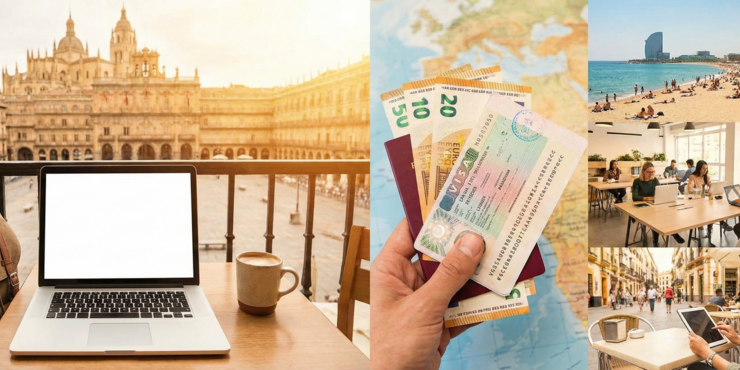
The first thing many people notice in Spain is the pace. Mornings start slow with coffee at a corner bar. Evenings stretch long with voices echoing through narrow streets. Winters stay mild in most regions, and food is simple and seasonal. This rhythm is why digital nomad life in Spain feels sustainable, not rushed.
Spain works well for remote work. Reliable trains. Walkable cities. A culture that values time outside. Many expats living in Spain come for a year and end up staying much longer. Before settling in, having stable internet from day one helps, and many travelers now rely on an international eSIM like Jetpac eSIM for Spain to stay connected as soon as they land.
Why Spain works for digital nomads?
Spain balances structure and ease. Paperwork exists, but daily life feels light. Markets open early. Menus change with the season. You hear many languages at coworking spaces, yet Spanish life stays rooted in local routines.
✅ For many digital nomads, Spain’s appeal is simple. Warm weather, reliable healthcare, affordable food, and strong transport links make daily life easy. Many expats say life feels more present here, with unhurried lunches and evenings spent walking, talking, and eating slowly.
✅ Digital nomad communities are spread across Spain. Some choose large cities for networking and career growth, while others prefer coastal towns or islands for a slower pace. The best location usually depends on work style, lifestyle preferences, and budget.
Spain digital nomad visa explained
Spain introduced a clear option for remote workers who want to stay longer. The Spanish digital nomad visa allows non-EU citizens to live legally in Spain while working remotely for companies or clients outside the country.
This visa suits freelancers, remote employees, and founders. It removes the pressure of short tourist stays and makes long term planning easier.
What are the requirements for a Spanish digital nomad visa?
Spain's digital nomad visa requirements focus on stability. Applicants must show steady income, usually from foreign sources. Proof of remote work is required, such as contracts or client letters. Health insurance that covers Spain is mandatory. A clean criminal record is also needed.
Income thresholds exist and change each year. Most applicants meet them if they already earn a stable remote salary. Taxes apply depending on stay length and personal situation. For many, the special tax regime makes things simpler, but professional advice is always recommended.
The Spanish digital nomad visa can be applied for from abroad or within Spain. Processing times vary, but planning ahead helps avoid stress.
Which are the best cities for a digital nomad in Spain?
Each city in Spain feels different. Climate, food, and daily rhythm change by region. Below are cities where expats living in Spain often settle long-term.
#1. Barcelona
Barcelona blends sea and city. Mornings smell like coffee and fresh bread. Winters stay mild. Summers are busy but lively. Workdays often end with walks along the beach or tapas in small bars.
Food focuses on seafood, olive oil, and fresh vegetables. Calçots season in late winter is a local favorite. Barcelona suits creative workers and those who enjoy an active social scene.
Expected monthly cost of living in Spain here ranges from moderate to high, depending on rent location.
✅ Why go: Strong community and coastal lifestyle.
#2. Madrid
Madrid feels grounded and energetic. Streets are wide. Parks are large and green. The city stays alive late, even on weekdays. Winters are colder, but sunny days are common.
Local food includes stews, bocadillos, and simple pastries. Markets like Mercado de San Miguel stay busy year round. Madrid suits those who enjoy city life without a beach focus.
Many expats living in Spain choose Madrid for job access and transport connections.
✅ Why go: Central location and year-round city energy.
#3. Valencia
Valencia feels balanced. The pace is slower than Madrid or Barcelona. The city is flat and bike-friendly. Orange trees line streets, and the sea is never far.
Paella originates here and tastes best eaten slowly near the water. Winters are gentle. Summers stay warm but breezy. Valencia often ranks high for digital nomads in Spain due to the high value for money.
The cost of living in Spain is lower than in major capitals.
✅ Why go: Quality of life at a calmer pace.
#4. Málaga
Málaga offers sun most of the year. Life revolves around the coast. Days feel relaxed. Even work hours seem lighter. Winters are mild, making outdoor living easy.
Fresh fish grilled over open fires is common. Local markets stay lively. Málaga suits those who want warmth without island isolation.
Spain's digital nomad communities are growing fast here.
✅ Why go: Sunshine and relaxed coastal rhythm.
#5. Canary Islands
The Canary Islands feel separate from mainland Spain. The weather stays stable year-round. Days are quiet. Nights are calm. Nature is always close.
Local food includes fish, potatoes, and simple sauces. Hiking and ocean views shape daily routines. Many long-term expats living in Spain choose the islands for focus and balance.
The cost of living in Spain varies by island but can be reasonable.
✅ Why go: Year-round spring weather.
What is the Cost of living in Spain for digital nomads?
Cost of living in Spain depends on lifestyle and location. Rent is the biggest variable. City centers cost more. Smaller cities and suburbs offer better value.
Monthly expenses usually include rent, groceries, transport, coworking, and healthcare. Cooking at home keeps costs low. Public transport is affordable and reliable.
For most digital nomad Spain lifestyles, monthly costs range from moderate to comfortable compared to other Western European countries.
How to move to Spain?
How to move to Spain starts with paperwork. Secure the right visa if needed. Prepare documents early. Translations and apostilles can take time.
Next comes housing. Short-term rentals help during the first month. Many expats living in Spain find long-term housing after arrival. Registering locally and setting up healthcare follows.
Daily life becomes easier once routines settle. Learning basic Spanish helps with neighbors and local shops. Spain rewards patience and consistency.
Staying Connected in Spain
Reliable internet matters in Spain, especially when your day revolves around work calls, deadlines, and shared files. WiFi quality can change from one apartment to another, and coverage varies by region. That is why many remote workers and long-stay travelers use a Jetpac international eSIM for Spain as a steady backup.
Why Jetpac is the BEST option for digital nomads in Spain?
✅ Jetpac supports day-to-day work without interruptions. Even if your data runs out, essential apps like WhatsApp chat, Google Maps, Uber and Grab continue to work, so communication and navigation never stop.
✅ In-app voice calling is available in over 50 countries, letting you call landlines and non-WhatsApp numbers when you need to reach clients, coworking spaces, or local services.
✅ Hotspot sharing comes without data restrictions, which is useful for laptops or travel companions working alongside you.
✅ Plans are prepaid with transparent pricing, no hidden fees, and savings of up to 70 percent compared to standard roaming charges.
✅ One eSIM works across 200-plus destinations and activates instantly with a QR code, making it easy to stay connected during travel within Spain or across Europe.
✅ Multiple network support helps your device switch automatically to the strongest available local network. Fast and reliable connectivity includes access to 5G speeds where available.
✅ A 100 percent money-back guarantee adds peace of mind.
For anyone comparing eSIM Spain options or looking for the best eSIM for Spain during longer stays, a Spain travel eSIM helps keep work running smoothly without roaming surprises.
FAQs
What is the Spanish digital nomad visa?
The Spanish digital nomad visa allows remote workers to live in Spain while working for foreign companies or clients.
What are the Spanish digital nomad visa requirements?
Requirements include stable foreign income, proof of remote work, health insurance, and a clean criminal record.
What is the cost of living in Spain for digital nomads?
Cost of living in Spain varies by city but is generally lower than in many Western European countries, especially outside major capitals.
How to move to Spain as a remote worker?
How to move to Spain involves securing the right visa, preparing documents, finding housing, and registering locally after arrival.
Disclaimer
Prices, visa rules, and cost estimates are based on publicly available information at the time of writing and may change. Cost of living figures are rough mid range averages and can vary by city, lifestyle, season, and personal choices. This content is for general educational purposes only and does not constitute legal, tax, or immigration advice. Jetpac is not responsible for network availability, speed variations, or third party service changes. No product endorsement is implied. Readers are encouraged to verify the latest visa requirements, regulations, and pricing from official sources before making decisions.