
Driving in New Zealand: Rules, Tips & What Tourists Miss
Driving in New Zealand demands realistic pacing, awareness of local roads, and smart route planning. From left-side rules to fatigue management, preparation shapes the journey. A Jetpac eSIM ensures navigation, weather alerts, and ferry updates stay accessible across your route.
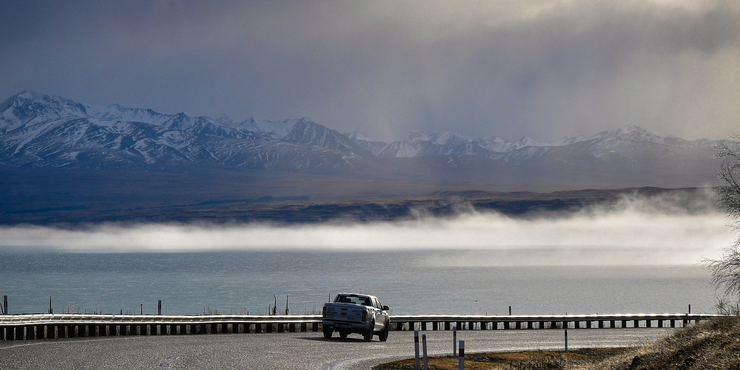
Self-drive travel is often described as the best way to experience Aotearoa, but driving in New Zealand is not as simple as it first appears. The landscapes are dramatic, the highways are scenic, and the distances look manageable on a map, yet many visitors quickly discover that winding roads, changing weather, and strict road etiquette require more attention than expected.
If you are considering driving in New Zealand as an American, the shift to left-side driving alone changes how you approach intersections, roundabouts, and rural highways. And if you are driving in New Zealand with a US license, understanding both the legal allowances and practical adjustments will prevent unnecessary stress.
Before mapping routes, solve one overlooked issue: connectivity. Installing an eSIM for New Zealand before departure ensures you can access navigation, weather alerts, and ferry updates instantly. Travelers choose a Jetpac eSIM as the best eSIM for New Zealand as a part of their planning process, especially when designing long self-drive itineraries.
Now let’s examine what actually determines whether your road trip succeeds.
What makes driving in New Zealand different?
Before diving into legal requirements, it helps to understand how road culture differs.
New Zealand driving is shaped by geography. The country’s terrain forces roads to curve, climb, narrow, and descend frequently. Even major state highways may feel closer to scenic routes than high-speed corridors.
Visitors underestimate three things:
• Travel times
• Fatigue risk
• Courtesy rules
When thinking about how to plan a road trip, assume your average speed will be lower than what digital maps predict. Mountain passes and coastal highways demand patience.
For travelers driving in New Zealand as an American, this slower, more attentive rhythm is the biggest adjustment.
Understanding eligibility is straightforward, but clarity prevents problems.
Legal Basics for Overseas Drivers
If you are driving in New Zealand with a US license, you may drive for up to 18 months from your last entry date, provided your license is valid and carried at all times. Since US licenses are in English, you generally do not need an International Driving Permit.
The question “Do you need an international driving license in New Zealand?” applies primarily to non-English licences. English-language licences do not typically require translation.
The bigger challenge in driving in New Zealand is adapting to the road system rather than the paperwork.
Once the legal side is clear, efficient route planning becomes equally important. Understanding fuel distances, avoiding unnecessary detours, and pacing your itinerary wisely are practical examples of how to save money while traveling during a New Zealand road trip.
Before discussing route strategy, address the fundamental adjustment.
Left-Side Driving and Core Road Rules
New Zealand drives on the left. That means:
• You turn left into the near lane
• You yield at roundabouts to vehicles from your right
• You stay left unless overtaking
For visitors driving in New Zealand as Americans, roundabouts are where mistakes most often happen. Take them slowly.
Speed limits are strictly enforced. The posted number is a maximum under ideal conditions, not a recommended pace. If visibility drops or roads are wet, you are expected to reduce speed accordingly.
If vehicles accumulate behind you, you must pull over when safe. Courtesy is embedded in New Zealand driving culture.
Before building an itinerary, understand fatigue limits.
Fatigue and Travel Time Reality
The official recommendations suggest taking a break approximately every two hours or 100 kilometers. This guidance becomes especially important when considering how to plan a road trip through alpine passes or long rural highways.
New Zealand’s scenery makes it tempting to schedule ambitious scenic days, but the safest itineraries prioritize rest over distance. The real answer to how to plan a road trip here is conservative pacing, with daily driving ideally kept under four hours whenever possible.
Now let’s move from rules to structure.
How to Plan a Road Trip in New Zealand
Understanding how to plan a road trip in New Zealand starts with accepting one reality: distances on the map rarely reflect the effort required to drive them. Mountain passes, coastal curves, and single-lane stretches slow you down more than expected.
A practical pacing model looks like this:
• 2 hours of driving allows a relaxed day with scenic stops
• 3 to 4 hours is manageable without fatigue
• 5+ hours increases concentration strain significantly
When mapping your journey:
• Build weather buffers into alpine regions
• Identify fuel stops in advance in rural areas
• Avoid unnecessary night driving outside cities
• Check live road updates before departure
Safe driving in New Zealand is less about covering distance and more about managing energy. Trips that prioritize steady pacing over ambitious mileage tend to feel smoother, safer, and far more enjoyable.
Read More: If you’re finalizing your itinerary, understanding the best time to visit New Zealand can dramatically improve your road conditions, daylight hours, and weather safety. Read our blog 👉 Best Time to Visit New Zealand: Month-by-Month Travel Guide to choose the right season before locking in your route.
Common Tourist Mistakes
Before moving to connectivity, address predictable errors.
Most visitors who struggle with driving in New Zealand make one of these mistakes:
• Underestimating travel time
• Ignoring fatigue breaks
• Driving at posted maximum speeds in poor conditions
• Forgetting left-side positioning during low-traffic moments
• Overloading itineraries with too many stops
Long self-drive routes often connect several of the best places to visit in New Zealand, which is why realistic pacing matters more than ambitious distance goals.
Travelers driving in New Zealand as Americans often adapt well by Day 2, but fatigue is what reduces alertness.
Practical Tips for Driving in New Zealand Safely and Confidently
• Keep your headlights on during overcast or changing weather conditions for better visibility.
• Watch for one-lane bridges and follow posted priority signs carefully.
• Be cautious of gravel roads, especially in scenic or remote areas.
• Allow extra stopping distance on downhill stretches in mountainous regions.
• Check rental car insurance coverage for windscreen and tire damage.
• Carry water and basic snacks in case of unexpected road closures.
• Download offline maps in case of temporary signal loss in rural zones.
• Watch for wildlife and livestock near rural highways, especially at dawn and dusk.
• Use designated scenic pull-off areas instead of stopping on narrow roads.
• Keep your driver’s license and rental agreement easily accessible during checkpoints.
Staying Connected on a Self-Drive Trip
Now let’s address something modern road trips depend on: data.
Navigation apps, ferry updates, road closures, and accommodation confirmations all require reliable connectivity. That is why setting up an eSIM for New Zealand before departure is no longer optional for long self-drive itineraries.
A New Zealand eSIM eliminates airport SIM queues and avoids roaming fees. Travelers often compare providers to identify the best eSIM for New Zealand, especially when planning extended rural routes.
Smart Data Solutions for Self-Drive Travel
When you are covering long distances, crossing regions, or adjusting routes due to weather, connectivity becomes operational, not optional. A reliable eSIM for New Zealand ensures you can navigate safely, monitor road alerts, and manage ferry schedules while driving in New Zealand.
Travelers often activate a New Zealand eSIM before landing so they can begin their journey without airport SIM queues or roaming uncertainty. If you are comparing providers, understanding what makes the best eSIM for New Zealand depends on more than price; it depends on reliability across changing terrain.
Here’s how Jetpac supports real-world road travel:
🤯Transparent Pricing Without Roaming Shock
International roaming charges can escalate quickly during navigation, uploads, and real-time map usage. Jetpac offers transparent, prepaid pricing and can save up to 70% compared to standard roaming. You know your cost upfront, no surprise billing after your trip.
📍Never Lose Access to Maps and Messaging
If your primary data allocation is used up, core travel apps such as WhatsApp, Google Maps, and Uber remain accessible. That means you can still navigate remote highways and contact accommodations during New Zealand driving, even if your high-speed data is depleted.
📲Call Anyone, Even Without Local SIM Cards
Need to call a lodge, ferry office, or rental company? Jetpac offers in-app voice calls to landlines and mobile numbers. This removes the need for buying a local SIM just to place calls while driving in New Zealand as an American or any other visitor profile.
🔄Share Your Data Without Restrictions
Road trips often involve multiple devices. Jetpac allows unrestricted hotspot sharing so passengers can connect laptops or tablets without additional plans. One plan supports your entire vehicle setup.
📡Stronger Coverage Through Network Optimization
Jetpac automatically connects to the strongest available carrier in your area. This is especially useful in mountainous and rural zones where signal strength can vary while driving in New Zealand.
⚡Fast Data for Navigation and Streaming
Strong network performance supports smoother map loading, real-time weather updates, and ticket retrieval, all essential when adjusting routes mid-trip.
🌎 One eSIM, 200+ destinations
If your itinerary extends beyond New Zealand, your Jetpac eSIM remains usable globally. You install once and stay connected across borders.
For travelers evaluating connectivity for long-distance routes, Jetpac is considered among the best eSIMs for New Zealand options because it reduces risk, lowers roaming exposure, and supports flexible travel decisions throughout your road trip.
FAQs
Is driving in New Zealand realistic if I have never driven on the left before?
Yes, but allow an adjustment period. Many travelers driving in New Zealand as Americans report that the first 24-48 hours require extra focus, especially at roundabouts and rural intersections. Choosing a smaller rental vehicle and limiting your first driving day to short distances makes the transition much easier.
How many days in New Zealand should I dedicate purely to driving?
If your trip is heavily road-based, plan at least 3-4 days where driving is the primary activity. When evaluating How to plan a road trip, avoid stacking multiple 5-6 hour driving days back-to-back. Conservative pacing is key to safe New Zealand driving, especially in mountainous regions.
Is driving in New Zealand with a US license different from renting in the US?
Legally, driving in New Zealand with a US license is simple. Your valid US driver’s license allows you to drive for up to 18 months from your date of entry, provided it is current and in English. There is no special paperwork required beyond carrying your licence at all times.
Operationally, however, the experience is very different from renting a car in the United States. Driving in New Zealand with a US license means adapting to left-side driving, navigating frequent roundabouts, and handling narrower two-lane highways with limited shoulders
Are day trips from major cities worth it or should I base myself regionally?
Many travelers add day trips from Auckland or Christchurch, but for longer itineraries, it’s often better to relocate your base rather than commute long distances daily. When designing how to plan a road trip, minimizing repeated long drives improves safety and overall enjoyment.
Is night driving in New Zealand safe in rural areas?
Night New Zealand driving is possible but less ideal for visitors. Rural highways may have limited lighting, wildlife crossings, and fewer services. For those driving in New Zealand as an American, it is generally safer to plan arrivals before sunset, especially in unfamiliar terrain.
Do I need mobile data while driving in New Zealand?
Yes, especially outside major cities. Navigation apps, live weather alerts, and road condition updates rely on data access. Many travelers install a eSIM New Zealand plan before departure to ensure consistent coverage. Choosing the best eSIM for New Zealand can make route changes and emergency updates far easier during long-distance travel.
What side of the road does New Zealand drive on?
New Zealand drives on the left-hand side of the road. The steering wheel is typically on the right side of the vehicle. If you are used to driving on the right, pay extra attention at intersections, roundabouts, and when pulling out onto quiet rural roads, as muscle memory can take a day or two to adjust.
Do you need an international driving license in New Zealand?
You do not need an International Driving Permit if your overseas driver’s license is in English, such as a US license. However, if your license is not in English, you must carry either an approved English translation or an International Driving Permit along with your original license. You must also carry your valid overseas license at all times while driving.
Disclaimer
This blog is for informational purposes only. Road laws, driving conditions, and ferry policies may change without notice. Always verify official New Zealand transport guidance before travel. Jetpac is not responsible for road conditions, regulatory changes, or third-party service updates.