How to Make International Calls From the USA Without Roaming
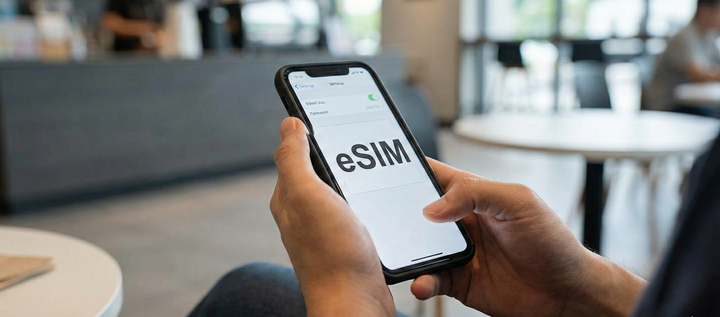
How to make international calls from the USA comes down to one choice: app calls for people, VoIP, or plans for landlines. Use an international eSIM while traveling to avoid roaming and keep calls working. Mixing two methods keeps it simple.
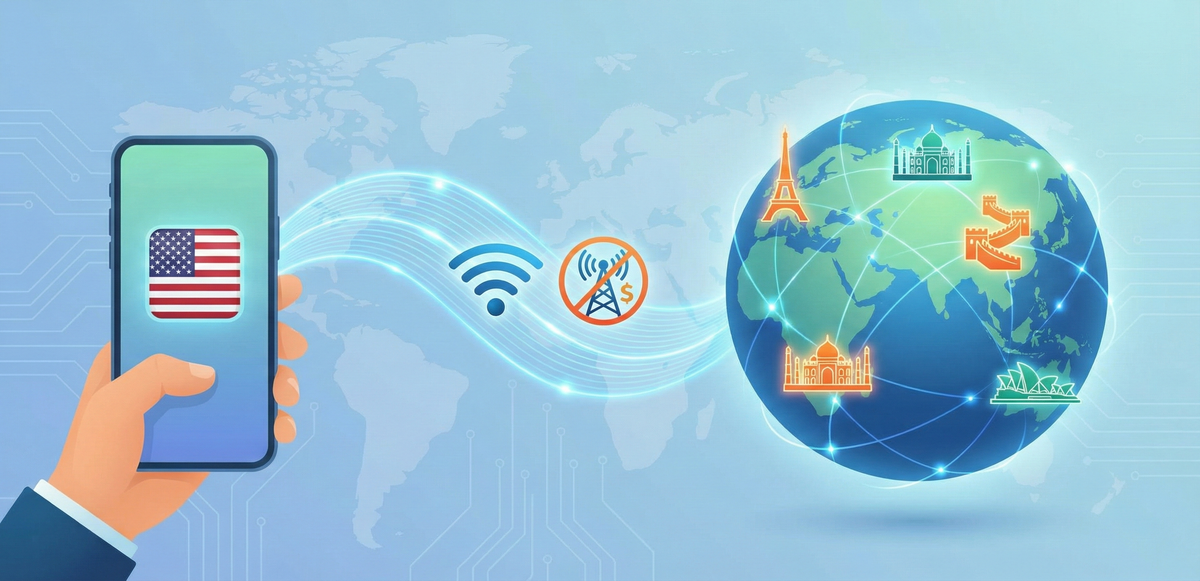
International roaming charges can turn a simple phone call into an expensive surprise. Whether you're a traveler from the USA trying to call back home or you need to dial overseas numbers while abroad, there are ways to stay connected without incurring hefty roaming fees.
In this blog, we will explain how to make international calls from the USA without roaming by using alternative methods like special calling plans, Wi-Fi calling, VoIP apps, local SIM cards, and especially the MOST PRACTICAL and GENUINE solution – eSIM for international travel.
We’ll compare all these options (with a focus on eSIMs) so you can choose the best way to keep in touch globally.
Why Avoid Roaming Charges?
Standard international roaming is expensive and can give you BILL SHOCKS later. If you use your U.S. mobile number in another country without any plan, you might face rates well over $1 per minute for voice calls. Even carriers’ pay-per-use long-distance rates from the U.S. can reach a few dollars per minute for some destinations.
These costs add up quickly for travelers making international calls. Roaming data fees can be similarly outrageous, which makes using internet-based calling without a plan risky.
In short, avoiding roaming fees can save you a small fortune on your trip. But, there are several alternative ways to make international calls cheaply or even for free – all without traditional roaming.
International Calling Options for Travelers (No Roaming)
Travelers have multiple options to stay in touch internationally without paying roaming charges. Consider which of these solutions fits your needs:
#1. Use Your Mobile Plan’s International Options
Some U.S. carriers include or offer add-ons for international calling. This is convenient for occasional calls if you have included minutes or a cheap plan add-on. It’s essentially using your home plan to call abroad, either from the USA or while overseas (with an international package enabled).
#2. Internet-Based Calling (Wi-Fi Calling & VoIP Apps)
Use Wi-Fi calling features or VoIP apps like WhatsApp, Skype, or FaceTime to make calls over the internet. These methods let you make international calls without roaming charges, as long as you have a data or Wi-Fi connection. Ideal for those who will have reliable internet access whenever they need to call.
#3. Local SIM Cards or Calling Cards
Buy a prepaid SIM in your destination country or use international calling cards. This gives you a local phone number and local rates for calls, avoiding roaming completely. It’s best for those who need a local number and don’t mind swapping SIMs or using access numbers.
#4. Travel eSIMs with Data
An international eSIM is an embedded SIM you download to your phone for data service abroad. Travel eSIM plans provide data (and sometimes calls) on local networks, allowing you to call via internet apps with no roaming fees. This is the best option for frequent travelers who want reliable connectivity and the convenience of not handling physical cards. We’ll dive deeper into why an eSIM for international travel is so useful.
Now, let’s explore each option in detail.
Use your mobile plan’s international calling plan or add-on
A simple way to make international calls from the USA without high per-minute charges is to use your carrier’s international calling add-ons. Many U.S. carriers offer monthly packages that reduce rates or include unlimited calling to select countries.
Examples:
- AT&T International Calling: about $15/month, unlimited calls from the U.S. to 85+ countries (landlines and mobiles).
- T-Mobile Stateside International Talk: $15/month, unlimited calls to 70+ countries (mobile-to-mobile in 30+ and landlines in 70+).
- Verizon Global Calling Plus: $15/month, unlimited calls to 60+ countries. Verizon also offers Global Calling at $5/month with discounted rates to 230+ countries.
- Google Fi: includes unlimited international calls to 50 countries in its $65/month plan.
If you call abroad often while you’re in the USA, these plans help you budget with a predictable monthly fee.
When you travel abroad
If you keep your U.S. SIM active overseas, carriers may offer roaming passes (for example, AT&T International Day Pass lets you use your plan in 200+ countries for $10/day). This still counts as roaming, just at a fixed daily rate. To avoid roaming charges, rely on Wi-Fi calling or internet-based calling apps instead.
Also, check your plan benefits: some carriers include free calling to Canada/Mexico, which may cover your needs.
How to dial internationally
From the U.S., dial 011 (or use + on a mobile), then country code, then area code + number. Example: calling France = +33 + local number.
Pros: Easy, uses your number, no need to swap SIMs.
Cons: Costs extra, and most “unlimited” add-ons usually apply to calls made from the U.S., not local calling while abroad unless you’re on Wi-Fi or using a roaming pass.
Internet-based calling (Wi-Fi calling and VoIP apps)
This avoids roaming by sending calls over the internet instead of the cellular voice network. Two common options are carrier Wi-Fi calling and VoIP apps (WhatsApp, FaceTime, Skype, etc.).
#1. Wi-Fi calling through your carrier
Wi-Fi calling lets your phone make regular calls using Wi-Fi while keeping your usual number. When you’re overseas and connected to Wi-Fi, you can often call U.S. numbers without roaming fees. Major U.S. carriers typically treat Wi-Fi calls to U.S. numbers like calls made from the U.S.
Important: if you use Wi-Fi calling to dial a non-U.S. international number, your carrier may still charge it as international long-distance based on your plan. Wi-Fi calling avoids roaming, not necessarily international calling fees.
You can also receive incoming calls to your U.S. number over Wi-Fi without roaming, but avoid answering when you’re not on Wi-Fi if roaming charges apply.
Tip: enable Wi-Fi calling in your phone settings before your trip.
#2. VoIP apps (WhatsApp, Skype, etc.)
Apps like WhatsApp, FaceTime, Telegram, Viber, Facebook Messenger, Google Meet, and Skype let you call over Wi-Fi or mobile data. If both people use the same app, calls are usually free (you only use data).
If you need to call a landline or a regular phone number, services like Skype, Google Voice, or Viber Out can do it for low per-minute rates, often much cheaper than roaming.
Tip: call quality depends on internet speed, and public Wi-Fi can be unreliable. If you need consistent access, use a local SIM or travel eSIM for data.
Pros: Often free or very low cost, avoids roaming.
Cons: Needs reliable internet; app-to-app calling requires the other person to use the same app.
Local prepaid SIM cards and calling cards
Local SIM cards
Buy a prepaid SIM in the country you’re visiting, insert it into an unlocked phone, and use local rates for calls and data. This avoids roaming because you’re using a local carrier.
Downsides: you may get a new number, a SIM purchase can take time (and sometimes requires ID), and you may need a new SIM for each country unless you have a regional option.
Pros: Cheap local rates, great for longer stays.
Cons: Hassle of setup, possible loss of access to your main number unless you use a dual SIM.
Prepaid calling cards
Calling cards let you dial a local access number and then connect internationally using prepaid credit. It can be useful if you don’t want a monthly carrier add-on, though it’s less common now because VoIP is easier.
Pros: Can be inexpensive for specific routes.
Cons: Extra steps, possible fees, and less convenient than modern app-based options.
Using an eSIM for international travel (roaming-free digital SIM)
A travel eSIM lets you add a cellular plan digitally, without swapping a physical SIM. You can buy it online and activate it via QR code or app, often before you even depart.
This is where Jetpac can help, especially if you want a travel eSIM setup that stays reliable across countries without relying on roaming.
Most travel eSIMs are data-only, so you typically make calls using:
- VoIP apps (WhatsApp, FaceTime, Skype)
- Wi-Fi calling (if enabled and supported)
If you need traditional calling, some providers offer eSIM plans with voice and SMS, but they’re less common.
A popular setup is dual SIM:
- Keep your home SIM active for incoming calls/texts (with data roaming off)
- Use the eSIM for data
- Make calls through apps using the eSIM data
Pros: Very convenient, no roaming fees, works well across multiple countries with regional/global plans.
Cons: Data-only is common; you need an eSIM-compatible phone; sometimes pricier per GB than a local SIM, but easier.
Conclusion: choosing the best method
- If you mainly call internationally from the USA, a carrier add-on is simple and predictable.
- If you’re calling while traveling, Wi-Fi calling + VoIP apps can cut costs massively.
- For longer stays in one country, a local SIM can be the cheapest traditional option.
- For the most convenience and consistent connectivity, a travel eSIM + VoIP app is often the best mix.
Many travelers use a combination: eSIM for data, WhatsApp/FaceTime for most calls, and a carrier add-on only for urgent direct-dial needs.
FAQs
How to make international calls from the USA?
If you are calling friends or family, use app-based calling over Wi-Fi or mobile data. If you are calling a landline, use a VoIP service or a carrier add-on. This mix is the simplest way to make international calls from the USA without roaming stress.
How to call internationally from the USA without roaming?
For travelers, roaming usually happens when you use your US line abroad. Use an international eSIM for data and place calls through apps instead. WhatsApp calls use your phone’s internet connection, and data charges can apply if you are roaming.
What are the best international calling plans from the USA?
The best international calling plans from the USA depend on where you call. AT&T lists a $15 per month add-on with unlimited calling from the US to 85+ countries.
- T-Mobile lists Stateside International Talk for $15 per month to over 70 countries.
- Verizon Global Choice offers a minute allowance to a selected country, plus discounted rates afterward.
How to make international calls if the other person only has a landline?
Use a VoIP service that can dial real phone numbers, or use a carrier add-on. Google Voice notes that calling an international number from inside the US is charged at international rates.
Is making international calls from the USA cheaper with an international eSIM?
An international eSIM usually helps most once you travel, because it gives you data for app-based calls so you can avoid roaming. If your calls are mostly app-to-app, it can be a cheaper and simpler setup than paying per minute.
What is the best eSIM for international travel if I need to call during a trip?
The best eSIM for international travel is the one that keeps data stable wherever you are going, since most calls will run through apps. If you need to call hotels or local businesses, keep a VoIP option as a backup, too.
Disclaimer
This blog is for educational purposes only and is based on publicly available information. Plans, rates, coverage, and terms can change. Always confirm the latest pricing and dialing rules with your carrier, app provider, or calling card issuer before you rely on them.