How to Plan a Trip to Japan: Step-by-Step Beginner Guide
To plan a trip to Japan, choose the right season, set a clear budget, build a simple Tokyo and Kyoto itinerary, book stays near train stations, understand public transport, and learn basic etiquette. Arrange a Japan eSIM before departure so you stay connected from the moment you land.
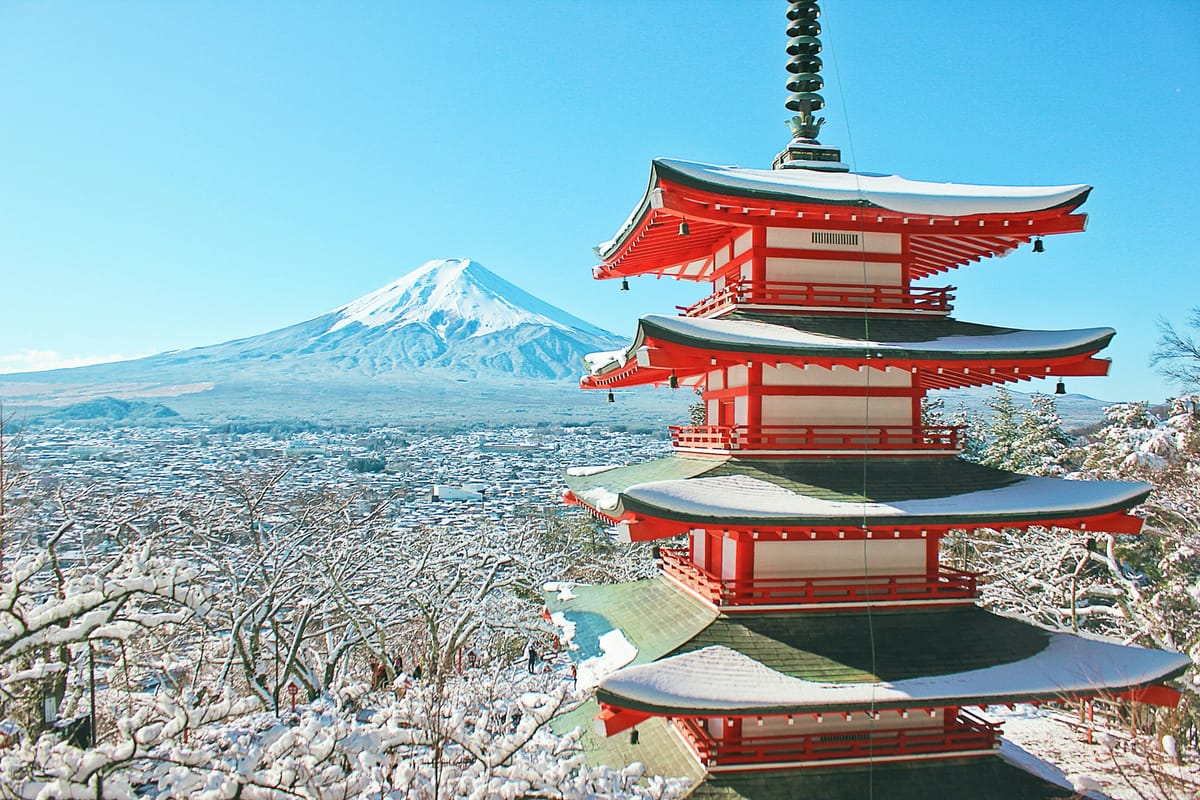
Planning a trip to Japan for the first time can feel like a lot. There are seasons to choose from, cities to match with your vibe, train systems to decode, and a hundred tiny decisions that somehow all feel important. Once you have a simple plan, Japan becomes one of the easiest and most rewarding countries to travel in.
This beginner's guide shows you how to plan a trip to Japan step by step, without overthinking it. We will cover when to go, how to budget, how to build a first-timer itinerary, what to book in advance, and the things to know before going to Japan that make the trip smoother. And since getting lost or stuck without data is the fastest way to feel stressed, we will also touch on eSIM Japan early on, so you can land connected and confident.
By the end, you will have a clear roadmap for planning a trip to Japan, plus simple choices you can copy and adjust for your own style.
Step 1: Choose the Best Time to Visit Japan
When people ask how to plan a trip to Japan, the first real decision is timing. The season you choose will shape your budget, your photos, and even how crowded your experience feels.
Japan has four very distinct seasons, and each one offers something different.
🌸 Spring (March to May): Spring is famous for cherry blossoms. Parks fill with soft pink blooms, the weather is mild, and the atmosphere feels almost celebratory. It is beautiful, but it is also peak season. Flights and hotels cost more, and major attractions are busy. If this is your dream, book early and expect crowds.
Before finalizing your plans, check out these practical Japan travel tips that make your trip smoother from day one.
☀️ Summer (June to August): Summer is hot and humid, especially in cities like Tokyo and Osaka. But it is also festival season. Fireworks, street food stalls, and traditional matsuri bring energy everywhere. July to early September is also the only time you can officially climb Mount Fuji. If you do not mind the heat, summer can be lively and slightly less crowded with international tourists.
☔️ Autumn (September to November): For many travelers, autumn is the best way to visit Japan. The air turns crisp, maple leaves glow red and orange, and the weather is comfortable for walking. It is still popular, especially in late November, but often less intense than the cherry blossom season.
❄️ Winter (December to February): Winter means fewer tourists and lower hotel prices. Cities feel calmer, and northern Japan offers snow and ski resorts. If you enjoy peaceful sightseeing and do not mind cold weather, winter can be surprisingly rewarding.
If you are planning a trip to Japan for the first time, try to avoid Golden Week (late April to early May) and the New Year period. Domestic travel surges, trains fill up, and accommodation becomes harder to secure. Choosing shoulder periods, like late May or late November, often gives you better value and fewer crowds.
The best way to visit Japan is not about picking the “perfect” season. It is about choosing the one that fits your priorities, whether that is cherry blossoms, lower costs, fewer crowds, or festival energy.
Step 2: Set a Realistic Budget
When planning a trip to Japan, your budget shapes everything else. The good news? Japan is flexible. You can travel comfortably without overspending if you plan smart.
Break it into four core costs: flights, stay, transport, and food.
✈️ Flights: Peak seasons like cherry blossom spring and autumn foliage push prices up. If you are serious about how to plan a trip to Japan affordably, book early and stay flexible with dates.
🏡 Accommodation: Japan offers capsule hotels, business hotels, hostels, and traditional ryokans. Rooms are compact but efficient. Staying near major train stations saves both time and money. If you are planning a trip to Japan for the first time, prioritize location over luxury.
If you’re planning solo travel Japan style, here’s a dedicated guide with safety tips and confidence boosters for independent explorers.
🚘 Transport: Bullet trains are fast but not cheap. Calculate whether a Japan Rail Pass actually fits your route before buying. For city travel, use an IC card like Suica or Pasmo. Public transport is reliable and cost-effective.
🥘 Food: Japan is surprisingly affordable when it comes to food. Ramen, curry rice, sushi lunches, and convenience store meals keep daily costs reasonable. You can eat well without fine dining every night.
The best way to visit Japan on a balanced budget is simple: use public transport, eat local, and avoid peak travel windows. Once you estimate your daily spend, add a small buffer. That extra margin makes your Japan trip feel relaxed instead of tightly calculated.
Step 3: Create a Simple First-Time Itinerary
If you are wondering how to plan a trip to Japan without feeling overwhelmed, the answer is simple: do less, enjoy more.
When planning a trip to Japan for the first time, focus on a few key regions instead of trying to see the entire country.
A classic and efficient route looks like this:
✔️ Tokyo (3 to 5 days): Your introduction to modern Japan. Explore Shibuya Crossing, Asakusa’s Senso-ji Temple, Shinjuku nightlife, and themed neighborhoods like Akihabara. Tokyo blends tradition and technology in one city.
Looking for activity ideas? Explore our guide to the top things to do in Japan across different cities and seasons.
✔️ Kyoto (2 to 4 days): Temples, shrines, bamboo forests, and traditional streets. Visit Fushimi Inari, Arashiyama, and Gion. Kyoto gives your Japan trip cultural depth and slower moments.
✔️ Osaka (1 to 2 days): Street food, bright lights, and a playful atmosphere. It is close to Kyoto and easy to add without much travel time.
Optional additions include Nara for its deer park, Hakone for Mt. Fuji views, or Hiroshima for history.
The best way to visit Japan is at a realistic pace. Japan may look small on a map, but every city has layers. If you have 10 to 14 days, this route feels comfortable. If you only have a week, focus on Tokyo and Kyoto instead of squeezing everything in.
Planning a trip to Japan becomes much easier once you accept that you cannot see it all in one visit. Prioritize your must-dos and leave space for spontaneous discoveries. That is often where the best memories happen.
Still deciding where to go? Here’s a curated list of the best places to visit in Japan for first-time travelers.
Step 4: Book Flights and Accommodation
Once your route is clear, booking becomes straightforward. This is where planning a trip to Japan starts to feel real.
✔️ Flights: Most first-time travelers fly into Tokyo, either Narita or Haneda. If your plan Japan trip route ends in Osaka, consider flying out from Kansai Airport to avoid backtracking. Compare round-trip versus multi-city tickets and book once prices feel reasonable rather than waiting endlessly for the lowest fare.
Try to land in the afternoon if possible. After a long flight, arriving with daylight makes navigating trains and checking into your hotel much easier.
✔️ Where to Stay: Location matters more than room size. In Tokyo, stay near major train hubs like Shinjuku, Shibuya, Ueno, or Tokyo Station. In Kyoto, choose areas near downtown, Gion, or Kyoto Station for easier access to buses and trains.
Business hotels are reliable and practical. Ryokans offer a traditional experience with tatami floors and Japanese breakfasts. Capsule hotels are affordable and surprisingly comfortable for short stays.
If you are planning a trip to Japan during peak seasons, book accommodation at least two to three months ahead. Flexible cancellation options are useful in case prices drop or plans shift.
Booking early, choosing central locations, and keeping flexibility are small decisions that make your Japan trip smoother from day one.
Step 5: Understand Transportation in Japan
A key part of how to plan a trip to Japan is knowing how you will move around. The good news is that Japan’s transport system is clean, efficient, and extremely reliable.
✔️ City Travel: In Tokyo, Kyoto, and Osaka, trains and subways will take you almost everywhere. Buy a rechargeable IC card like Suica, Pasmo, or Icoca. You simply tap in and out, which saves time and confusion. Google Maps works very well for routes and train timings.
✔️ Bullet Trains: The Shinkansen is fast, comfortable, and punctual. Riding one is part of the experience. If your plan Japan trip route includes long distances like Tokyo to Kyoto or Hiroshima, factor these tickets into your budget.
✔️ Japan Rail Pass: Before buying a JR Pass, calculate your route. It is no longer automatically the cheapest option. For some itineraries, it works well, for others individual tickets are a better value.
✔️ Airport Transfers: From Tokyo airports, express trains and airport buses connect you smoothly to the city. Look up your transfer route before departure so arrival feels easy.
Public transport etiquette is important. Keep your voice low, avoid phone calls on trains, and follow queue lines on platforms. These small details are part of the things to know before going to Japan and help you blend in comfortably.
The best way to visit Japan is by embracing its train system. Once you get used to it, moving between cities becomes one of the simplest parts of your journey.
Step 6: Learn Basic Etiquette and Cultural Norms
When planning a trip to Japan for the first time, understanding social etiquette makes a big difference. Japan is welcoming, but it values respect and awareness in public spaces.
Here are the key things to know before going to Japan:
👉 Remove Your Shoes: You will need to take off your shoes in homes, traditional inns, some temples, and certain restaurants. If you see tatami mats or a raised floor, remove them at the entrance.
👉 No Tipping: Tipping is not part of Japanese culture. Service is already included, and leaving extra money can cause confusion.
👉 Be Quiet in Public: Trains are calm and orderly. Keep conversations soft and avoid phone calls while onboard.
👉 Carry Your Trash: Public bins are limited. It is normal to carry small trash items until you find a proper disposal point.
👉 Respect at Shrines and Temples: Be mindful when taking photos. Follow posted signs and observe how locals behave. A small bow at shrine entrances is appreciated.
These are not strict rules meant to intimidate you. They are simple cultural habits. If you are unsure, observe what others are doing. A smile and a polite “sumimasen” go a long way.
Planning a trip to Japan becomes much smoother when you understand these small social cues. They help you feel confident instead of uncertain.
Step 7: Learn a Few Useful Japanese Phrases
You do not need to speak Japanese fluently to enjoy your trip. In major cities, signs are often in English, and transport systems are tourist-friendly. Still, learning a few simple phrases makes planning a trip to Japan feel less intimidating and more immersive.
Even if your pronunciation is not perfect, locals appreciate the effort. It often leads to warmer interactions and small helpful moments.
Translation apps are useful, especially for menus or signs. Download offline maps and language packs before you leave. That preparation is one of the smart things to know before going to Japan, especially if you are traveling beyond major tourist zones.
Learning a few words will not just help you navigate. It changes how you experience the country. Instead of feeling like an outsider observing everything, you begin participating in small ways. And that makes a big difference on your Japan trip.
How Will You Stay Connected While You Travel in Japan?
When thinking about how to plan a trip to Japan, most people focus on flights, hotels, and trains. But staying connected is just as important. You will rely on maps, train schedules, translation apps, restaurant searches, and ride bookings almost every day.
Public WiFi exists, but it is not consistent enough to depend on. The easiest solution today is using a Japan eSIM.
Why Choose an eSIM for Japan?
An eSIM for Japan is a digital SIM that you install on your phone before departure. No physical SIM cards. No airport counters. No pocket WiFi devices to carry or return.
You buy the plan online, scan a QR code, and activate it when you land. If you are planning a trip to Japan for the first time, this removes one major stress point from arrival day.
Now the question becomes: which one?
If you are looking for the best eSIM for Japan, Jetpac offers more than just mobile data. It is designed specifically for travelers who want reliability and simplicity.
Why Jetpac Is a Smart eSIM Japan Option
When planning a trip to Japan, connectivity should not be an afterthought. The best way to visit Japan confidently is to know your phone will work the moment you step off the plane.
Sorting your eSIM Japan plan in advance keeps everything else simple. You focus on temples, food, and train rides instead of hunting for WiFi.
FAQs
1. How many days in Japan for the first time?
If you are planning a trip to Japan for the first time, 10 to 14 days is ideal. This gives you enough time to explore Tokyo, Kyoto, and possibly Osaka or Hiroshima without rushing. If you only have 7 days, focus on Tokyo and Kyoto for a balanced experience.
2. How do I plan a trip to Japan step by step?
To plan a trip to Japan, start by choosing the best season based on weather and crowds. Next, set a realistic budget, outline a simple itinerary, book flights and centrally located accommodation, understand train transport, and arrange connectivity with a Japan eSIM before departure. Breaking it into steps makes planning a trip to Japan much more manageable.
3. What is the best way to visit Japan for first-time travelers?
The best way to visit Japan is to focus on a few major cities instead of trying to see everything. A Tokyo and Kyoto combination works well for most first-timers. Use public transport, stay near train stations, and keep your schedule flexible so you can explore without feeling rushed.
4. What are the important things to know before going to Japan?
Some key things to know before going to Japan include removing shoes in certain places, not tipping, keeping quiet on public transport, and carrying your trash until you find a bin. It is also smart to arrange mobile data in advance using an eSIM for Japan so you can access maps and translations easily.
5. Is an eSIM the best option for staying connected in Japan?
For most travelers, an eSIM Japan plan is the simplest solution. It allows you to activate data digitally before arrival, avoiding airport queues or physical SIM swaps. If you are planning a trip to Japan and want stress-free connectivity, choosing the best eSIM for Japan ensures you stay connected from the moment you land.
Disclaimer
This guide is for educational purposes only. The information mentioned in this blog is based on data publicly available at the time of writing. Travel costs, visa rules, transportation prices, and mobile data services may change over time. Travelers should independently check and verify all details with official sources before making bookings or purchases. Jetpac is not responsible for network coverage, speed, availability, or service interruptions while using an eSIM in Japan.