Is It Safe to Travel to Colombia in 2026? Risks & Tips for Tourists
Colombia in 2026 is safe to visit if you stay within major city zones and prepare carefully, but risks rise quickly outside them. From Bogota’s Chapinero streets to Medellin’s metro and Cartagena’s walled lanes, using app rides and avoiding restricted regions keeps the trip steady.
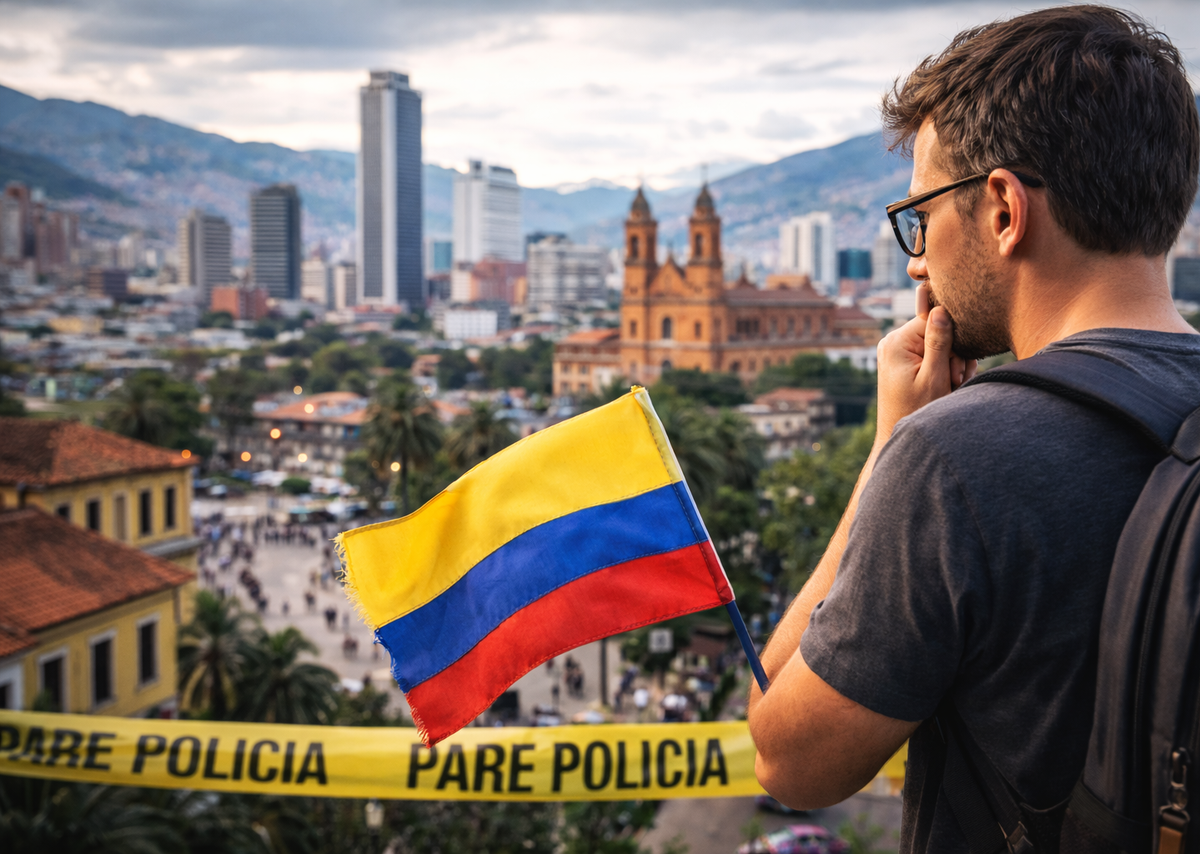
Colombia has rewritten its reputation over the past decade. Is it safe to travel to Colombia in 2026 is one of the most searched questions among American travelers planning a South American trip, and the answer depends entirely on where you go and how well you prepare.
Cartagena's walled city, Medellin's innovation, Bogota's food scene, and the Amazon's biodiversity pull visitors from around the world.
Travelers from the US looking into whether it is safe to travel to Colombia will quickly discover that the answer varies dramatically by region.
The US State Department Colombia travel advisory currently sits at Level 3: Reconsider Travel, last updated March 31, 2026, covering crime, terrorism, civil unrest, kidnapping, and natural disasters.
Getting a Jetpac eSIM for Colombia set up before you board means navigation, embassy alerts, and app-based transport are live from the second your flight touches down.
Colombia's major cities have genuinely transformed. Bogota, Medellin, Cartagena, and Santa Marta continue to welcome international visitors.
The key is knowing precisely which areas are open and which carry a firm no sign.
What the Colombia travel advisory says in 2026
The Colombia travel advisory, updated March 31, 2026, places the country at Level 3: Reconsider Travel due to crime, terrorism, civil unrest, kidnapping, and natural disasters. Two categories carry Level 4: Do Not Travel designations:
Arauca, Cauca (excluding Popayan), Valle del Cauca (excluding Cali), and Norte de Santander departments due to crime and terrorism. Within 10 km of the Colombia-Venezuela border, due to armed group conflict, kidnapping, and risk of detention.
The State Department confirms that street crime throughout Colombia can escalate quickly, and armed break-ins at hotels and tourist accommodations are documented. If targeted by criminals, do not resist.
Colombia is safe to travel through on the approved tourist corridor when travelers actively monitor conditions and stay within the Level 4 boundaries throughout their trip. Enrolling in STEP at step.state.gov before departure is one of the most important preparedness steps for U.S. citizens heading to Colombia, as it gives the embassy the ability to send direct security updates and make emergency contact at any point during the trip.
Where is it safe to go in Colombia?
Colombia is safe to visit across the main tourist cities when the Do Not Travel zones are fully respected. Here is the city-by-city breakdown:
Bogota: Colombia's capital draws international tourists to established districts like Chapinero, Zona Rosa, and Usaquen. Avoid the downtown historical centre at night and never hail street taxis anywhere in the city.
Medellin: The Valle de Aburra metropolitan region is accessible. The city's cable car network, public parks, and galleries make it one of Latin America's most compelling urban destinations. Stay within the city center and avoid peripheral hillside neighborhoods.
Cartagena: The walled old city on the Caribbean coast is one of the most visited destinations in South America, carrying relatively lower risk for visitors who stay within tourist zones.
Santa Marta and Barranquilla: Both of these places are accessible to international visitors. Tayrona National Park, near Santa Marta, was closed by Colombia's National Natural Parks authority on February 17, 2026, due to security threats and community unrest at access points, with no confirmed reopening date. Confirm its current status at colombia.travel before including it in your plans.
Caño Cristales: Located in the Meta department, accessible only by air to La Macarena with a reputable tour company. Colombia is safe for tourists who access remote sites like Caño Cristales and Ciudad Perdida exclusively through licensed tour operators, as this is the only State Department-approved way to reach these areas safely.
Colombia travel news for 2026 also includes active volcanic alerts near the Purace volcano, close to Popayan. Monitor the Servicio Geologico Colombiano before planning any highland trekking.
Safety tips for American travelers
When researching whether it is safe to travel to Colombia, American visitors will find that city-level crime is where consistent preparation makes the biggest difference. Colombia is safe for Americans who apply these steps throughout their entire stay in the main tourist cities.
Transport: Never hail a taxi from the street anywhere in Colombia. Use Uber or InDriver, booked through the app, for every journey. At El Dorado International Airport in Bogota, only use the authorized taxi desks inside the terminal.
Valuables: Make sure that you keep smartphones, cameras, and jewelry completely out of sight in public. Quick-grab phone theft is the most documented incident category affecting foreign visitors in Colombian cities.
Fake police officers: Criminals across Bogota and popular tourist towns pose as plainclothes officers, asking to verify documents or cash. If approached by anyone without a visible official uniform, ask to be taken to the nearest police station immediately.
ATMs: Use ATMs inside banks or shopping centers only, during business hours. Avoid street ATMs entirely.
Drink spiking and methanol poisoning: The UK government travel health authority documented 89 methanol poisoning cases in Colombia in 2025, with an outbreak in Barranquilla. Only drink sealed, branded beverages.
The US Embassy also specifically warns that criminals use dating platforms to target foreigners, in some cases using scopolamine to incapacitate victims before robbery. Only meet anyone from a dating app in a well-populated public location.
Night travel: Avoid road travel between cities at night. Flying between major Colombian cities is the State Department's recommended alternative to intercity highway travel.
Monitor Colombia travel news at co.usembassy.gov throughout your stay. The security situation can shift at the departmental level with very limited warning.
Also Read
Is it Safe to Travel to Dubai During Israel War?
Wondering if Dubai is safe during the Israel war? Get the latest travel guidance, regional risks, safety tips, and what tourists should know before visiting.
Read More ↗Is It Safe to Travel to Israel?
Is it safe to travel to Israel now? Explore current security conditions, conflict zones, entry advice, and essential safety tips to plan your trip responsibly.
Read More ↗Is It Safe to Travel to Brazil?
Is it safe to travel to Brazil now? Learn about current safety conditions, common risks, safer regions, and practical travel tips to help you plan a secure and enjoyable trip.
Read More ↗Travel Tips for First-Time Flyers
Flying for the first time? Get practical travel tips for first-time flyers to navigate airports, pack smart, and travel with confidence.
Read More ↗Best Travel Apps
Make every trip easier with the best travel apps for maps, bookings, and real-time updates while you’re on the go.
Read More ↗What the US citizens need to know before entering Colombia
The entry process for travelers asking if it is safe to go to Colombia from a documentation standpoint is relatively straightforward for most US visitors. No visa is required for tourism stays of up to 90 days. You receive a tourist stamp at the port of entry, extendable once for a total of 180 days per calendar year.
Carry a valid passport with at least 6 months' validity beyond your entry date, at least one blank page for the entry stamp, and proof of onward or return travel.
Complete the Check-Mig form between 1 and 72 hours before your flight at apps.migracioncolombia.gov.co This is Colombia's mandatory pre-arrival migration registration for all passengers traveling from the US.
Yellow fever vaccination is required if arriving from Angola, Brazil, the Democratic Republic of Congo, or Uganda, and is strongly recommended for anyone visiting the Amazon or jungle regions. Note that the CDC does not recommend the yellow fever vaccine for travel limited to Bogota and major cities above 2,300 metres, but strongly recommends it for rural, jungle, and Amazon destinations.
Colombia is experiencing an active yellow fever outbreak in 2026, with cases confirmed in Tolima, and Colombian authorities have introduced requirements for travelers to carry proof of vaccination when traveling within the country by road or river.
Consult your doctor before departure.
Altitude sickness is a real risk in Bogota at approximately 2,600 metres. Consult your doctor before travel if you have respiratory or cardiovascular conditions.
Travel insurance that includes medical evacuation is strongly recommended. Medical facilities outside major cities are limited, and evacuation costs can be substantial.
For the US citizens traveling with minors who hold Colombian citizenship, notarized consent from the non-traveling parent is required. Colombian immigration enforces this strictly with no exceptions.
Colombia is safe to travel to for US citizens who arrive with the Check-Mig completed, the right vaccinations confirmed, and valid travel insurance in place before departure.
Colombia is safe to visit for travelers who treat the pre-departure checklist as seriously as the in-country safety steps, because complications at the border are almost always the result of documentation skipped at home.
Anyone who has properly researched whether it is safe to travel to Colombia will find that the preparation required before flying is just as important as the precautions taken on the ground.
Setting up an eSIM for Colombia from Jetpac before your flight means you land with your Check-Mig confirmation, hotel address, and emergency contacts all accessible without depending on airport Wi-Fi.
Staying connected in Colombia with Jetpac
In Colombia, your phone is not a travel accessory. It is the tool you use to book every ride through Bogota, navigate Cartagena's unmarked lanes, confirm your tour pickup in Medellin, and monitor embassy alerts before stepping outside your hotel. eSIM plans for Colombia from Jetpac are designed for exactly this kind of trip.
You scan a QR code before you leave, and the plan activates the moment your flight lands at El Dorado International in Bogota or Rafael Nunez International in Cartagena. No SIM counter. No waiting. No period where you are offline and unreachable.
Standard US carrier roaming in Colombia runs USD 10 to 15 per device per day. Jetpac replaces that with a single flat prepaid rate covering your entire trip from your first ride in Bogota to your last morning in Cartagena.
Colombia is safe for Americans who stay connected, use app-based transport, and keep embassy alerts active throughout the trip, and Jetpac is what makes that possible from the moment they land.
Here’s what makes Jetpac eSIM the right choice for your Colombia trip:
📡 One plan for every device in your group: Navigation, messaging, and transport apps stay live across every phone in your group from a single Jetpac plan with no per-device fees.
🗺️ Google Maps and WhatsApp stay on after data runs out: Whether you are finding your way through Medellin's El Poblado district or meeting your guide at the Caño Cristales airstrip, navigation and messaging keep working even at zero balance.
⚡ Colombia-wide network coverage: Jetpac automatically switches to the strongest available Colombian carrier at every location, from Bogota's 5G corridors and Medellin's metro network to Cartagena's Caribbean coastline.
💸 Up to 70% cheaper than US carrier roaming: Jetpac offers eSIM plans that help you save up to 70% more in comparison with traditional roaming charges.
📞 Calls for $1.99 per 5 minutes: Call your hotel, tour operator, or travel group directly through the Jetpac app. No separate calling plan needed.
✅ 24/7 support via WhatsApp and email: Jetpac’s customer support team is always available round the clock via WhatsApp and email, so you never feel stuck.
FAQs
Is it safe to travel to Colombia in 2026?
Colombia holds a Level 3: Reconsider Travel advisory. The main tourist cities, including Bogota, Medellin, and Cartagena, are accessible with preparation. Avoid all Level 4 zones and monitor co.usembassy.gov throughout your stay.
Is Colombia safe for Americans visiting major cities?
Most people are asking these days, is Colombia safe for Americans visiting major cities, for which the straightforward answer is yes, but in established tourist districts with standard precautions applied. Use Uber over street taxis, keep valuables out of sight, and stay in reputable, well-secured accommodation.
Is Colombia safe to travel to without a visa?
Here is what you need to know if you are looking for an answer to the question, is Colombia safe to travel to without a visa. US citizens do not need a visa for stays of up to 90 days. Complete the Check-Mig form at apps.migracioncolombia.gov.co between 1 and 72 hours before your flight and carry proof of onward travel.
Is Colombia safe to visit for solo travelers?
The answer to the question of whether Colombia is safe to visit for solo travel is yes, but in major cities only. It is advised to avoid going out alone at night, use only app-booked transport, and never accept food or drinks from strangers.
What areas of Colombia should I avoid?
Avoid Arauca, Cauca outside Popayan, Valle del Cauca outside Cali, Norte de Santander, and within 10 km of the Colombia-Venezuela border. All carry Level 4: Do Not Travel designations.
What should I do in an emergency in Colombia?
Call 123 for police, fire, and medical emergencies. Contact the US Embassy in Bogota at +57 601 275 2000. Enroll in STEP at step.state.gov before departure.
Is Colombia safe for tourists who choose organized tours over independent travel in remote areas?
Reputable tour operators are the only State Department-approved way to access sites like Caño Cristales and Ciudad Perdida, and that structure is what keeps the risk manageable.
Disclaimer
This information is based on publicly available data at the time of writing and is provided for general reference and educational purposes only. Travel advisories, safety conditions, costs, and entry requirements may change without notice. Network performance and eSIM compatibility may vary depending on device, carrier, and local infrastructure, and Jetpac is not responsible for third-party service accuracy or availability. No endorsement of destinations or services is implied. Travelers should verify the latest government advisories, health requirements, and local conditions before booking or departure.