
Is it Safe to Travel to Germany Right Now? Fact-Checking War Myths and Travel Fears in 2026
Yes, Germany is safe to visit in 2026. There is no war on German soil, flights are running normally, and no Western government advises against travel. This blog covers what has actually changed: border controls, new entry rules, and how to stay informed.
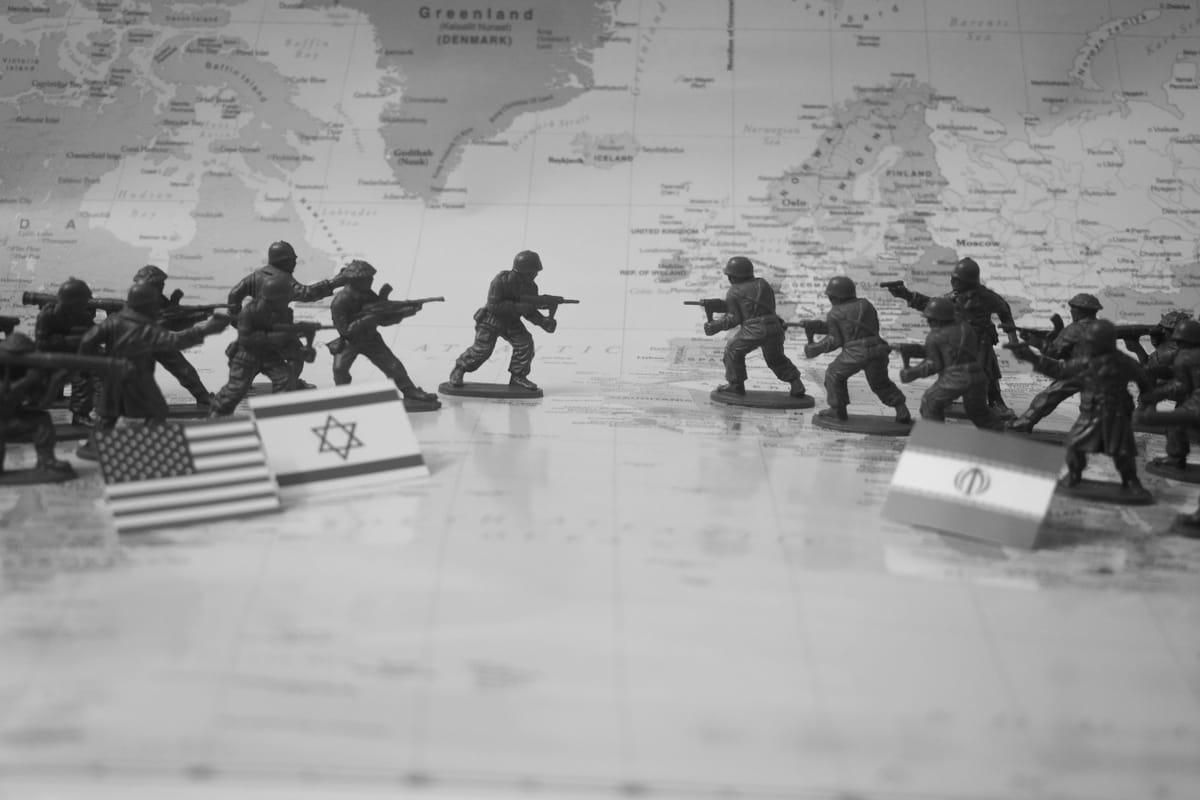
Germany remains safe to visit in 2026. Travelers searching whether it is safe to travel to Germany during the Israel war headlines will find a country with no military involvement in any active conflict, a functioning democracy with stable institutions, and a security posture focused on terrorism prevention and hybrid threats rather than anything resembling battlefield risk. That said, the security climate across Europe has genuinely shifted, and people traveling to Germany require government-sourced information during their trips. Hence, staying online is important, be it by using a local SIM, a pocket WiFi, or installing a Jetpac eSIM before departure, so you get every official advisory, news alert, and emergency app live from the moment your flight lands.
The Quick Verdict: Is Germany Safe Today?
Germany is safe to visit. No major Western government is advising its citizens to avoid Germany or reconsider travel as of March 2026.
The current Germany travel advisory from the US State Department is Level 2: Exercise Increased Caution, specifically due to terrorism risk. Level 2 is the same rating applied to France, the UK, and most of Western Europe. It is not a German travel warning against visiting. It means: stay aware in crowded spaces, follow local authority instructions, and monitor the news during your stay.
For Americans specifically wondering whether it is safe to travel to Germany during the Israel war escalations in 2026, the US State Department has issued no change to Germany's advisory level and no Germany-specific security alert linked to the conflict.
The broader Middle East situation escalated further in March 2026 with US military operations in Iran. Germany remains entirely unaffected by this.
No change has been made to Germany's advisory level, no German airspace has been impacted, and the German government has issued no emergency guidance in response. Americans traveling from the US to Germany face no additional risk or travel disruption as a result of this development.
What governments and strategic analysts describe for 2026 is a broadly worsened security climate driven by geopolitical tensions, not active conflict on German soil. Germany is a key NATO member and a major supporter of Ukraine, but there is zero conventional military threat inside its borders.
The "2026 Factor": Strikes and Border Controls
Land Border Controls: Extended Through September 15, 2026
- Germany's Federal Interior Ministry extended temporary checks across all nine land borders through September 15, 2026.
- These are targeted spot checks by Federal Police on roads, rail, and coach routes crossing into France, Belgium, Luxembourg, the Netherlands, Denmark, Switzerland, Austria, the Czech Republic, and Poland.
- These Germany travel restrictions are migration controls, not conflict-related measures.
- Air travel from the US is entirely unaffected.
- Travelers crossing by land should carry their passports at all times and allow extra time for potential delays on key routes such as Munich to Salzburg or Dresden to Prague.
- France, Austria, Poland, Denmark, and several other Schengen neighbors are maintaining their own independent border checks through mid-2026. Carry your passport for all land crossings in both directions.
Entry/Exit System (EES): Mandatory from April 10, 2026
- The EU's Entry/Exit System is mandatory at all external Schengen borders from April 10, 2026.
- This applies to all US citizens entering Germany by air, sea, or land from outside the Schengen Area.
- It replaces manual passport stamping with automated digital registration: fingerprints and a facial image are recorded at passport control on first entry.
- This is an administrative modernization, not a Germany travel warning or security measure.
- Expect a slightly longer processing time at passport control on first entry.
- Some Schengen countries have been granted up to 90 days of temporary flexibility to pause EES checks during high-traffic periods. Procedures may vary slightly by port of entry during this transition.
Current Germany travel restrictions apply only to land border spot checks and new digital entry registration. There are no flight bans, no visa changes, and no restrictions on Americans entering by air.
ETIAS: Coming Q4 2026, Not Yet Required
- The European Travel Information and Authorisation System (ETIAS) is planned for launch in Q4 2026.
- Once operational, US citizens will need to apply online before travel, similar to the US ESTA system.
- It costs €7 via the official EU portal at travel-europe.europa.eu.
- ETIAS is not yet operational, and no applications are being collected.
- If you are traveling to Germany before late 2026, no ETIAS action is required.
- The EU will announce the exact launch date at least six months in advance.
- Use only the official EU portal when the system launches. Multiple third-party sites are already collecting data and charging unauthorized fees.
Transport Strikes
- The US State Department confirms that strikes in Germany can disrupt public transportation.
- Rail strikes typically last 24 to 48 hours and are announced in advance.
- Long-distance ICE services are most affected. Regional trains, subways, and trams frequently continue running.
- Check the Deutsche Bahn app or db.de before any travel day during your trip.
Crime and Personal Safety in Major Cities
Violent crime in Germany is rare. Most incidents involve petty theft and pickpocketing at train stations, tourist sites, and large public events, most commonly during late-night hours in nightlife areas.
A common question from Americans planning their trip is: Is it safe to travel to Germany during Israel war news? Crime risks in Germany are entirely unrelated to the conflict and center on routine urban petty theft, not geopolitical violence.
Is it safe in Germany for an American? Yes. The US State Department does not identify Americans as specifically targeted. Standard urban precautions apply.
- Highest-risk areas for petty theft: Berlin, Frankfurt, and Hamburg transport hubs and tourist concentrations
- Nightlife caution: Hamburg's Reeperbahn and Frankfurt's Bahnhofsviertel carry higher incident rates after midnight
- Precautions: Secure bags, use hotel safes, avoid displaying valuables, stay alert in crowded transit hubs
German Federal Police maintain a visible presence at major public venues, transport hubs, and large events.
Emergency contacts verified from official sources:
- Police: 110
- Ambulance and Fire: 112
- US Embassy Berlin: +49-30-8305-0
- Email: ACSBerlin@state.gov
- Website: de.usembassy.gov
Protests and Civil Unrest: What to Avoid
Germany's Basic Law guarantees the right to peaceful assembly. Outdoor demonstrations must be registered with local authorities at least 48 hours in advance. Authorities can impose conditions or prohibit a demonstration only if it poses a direct threat to public safety. Police maintain a heavy presence at demonstrations, deploying cameras, drones, and high-visibility cordons.
Travel advice for Germany from the US State Department is consistent: demonstrations occur frequently, can be unpredictable, and should be avoided.
- May 1 (Labor Day): Kreuzberg and Friedrichshain in Berlin are historically active hotspots. "Revolutionary May Day" marches in these districts can become disruptive.
- Ongoing in 2026: Protests linked to the Middle East conflict and Ukraine have increased in German cities. Security analysts note an uptick in hate-motivated incidents and far-right extremist activity near large demonstrations.
- If you encounter a protest: Leave the area calmly. Do not position yourself between demonstrators and police lines. Monitor local media for updates.
Health and Emergency Preparedness
Germany has an excellent healthcare infrastructure. US Medicare and Medicaid do not cover costs abroad. Travel insurance with medical coverage and emergency evacuation is strongly recommended.
Essential Crisis Tech Checklist
Why an eSIM for Germany is vital:
- Instant activation: A Jetpac eSIM installs before departure and activates the moment your flight lands. No phone shop visit, no SIM tray, no gap in connectivity when you need it most.
- Redundancy: Keep your US home SIM active for bank two-factor authentication while running a local data connection through Jetpac on the same dual-SIM device simultaneously.
Must-have apps for 2026:
- NINA: Germany's official national warning app, operated by the Federal Office of Civil Protection and Disaster Assistance (BBK) at bbk.bund.de. Delivers real-time official emergency alerts from German federal and state authorities directly to your phone. Available free on iOS and Android. Search "NINA Warn-App" on the Apple App Store or Google Play Store and download it before you travel. Note: most content is available in English, but some local alerts may appear in German.
- STEP: Enroll at mytravel.state.gov before departure. Receive automatic US Embassy alerts for Germany during your stay.
- WhatsApp or Telegram: For real-time updates with family from the US.
- VPN: Maintains access to US-based banking and news platforms if networks become congested.
Connectivity as a safety net:
- Rerouting: Germany eSIM plans from Jetpac cover Germany and all neighboring European countries under one plan. If travel disruptions require crossing into Austria, France, or Switzerland unexpectedly, your data works without any SIM swap.
- Remote contact: VOIP calls to the US via the Jetpac app cost $1.99 for 5 minutes, keeping family contact affordable when call volumes are high.
- Install before landing: Having working data from the moment you clear arrivals removes the most vulnerable window of any international trip.
Fact-Checking the Headlines: Myths vs Reality
Myth: Germany is dangerous because of the Israeli war.
Reality: Asking whether it is safe to travel to Germany during Israel's war news cycles is completely valid, and the answer is clear. Germany has no military involvement and no physical impact from the conflict.
The German Interior Ministry's 2026 security focus is on cyberattacks, hybrid threats, and infrastructure protection, not conflict spillover. Life is entirely normal on the ground. (Source: bmi.bund.de)
Myth: Germany is dangerous because of the war in Ukraine.
Reality: Germany is a major NATO supporter of Ukraine, but there is zero conventional fighting inside Germany or near its borders. Strategic analyses for 2026 confirm that EU and NATO territory remains an unlikely venue for direct military confrontation. Germany's travel restrictions exist only for migration management, not conflict risk.
Myth: The trains have stopped running.
Reality: Strikes in Germany are legally regulated, announced in advance, and typically last 24 to 48 hours. Long-distance ICE trains are most affected. Regional trains frequently continue operating. The State Department recommends checking schedules before travel, not avoiding rail entirely.
Myth: The borders are closed.
Reality: Germany's land borders have targeted spot checks but are open to travelers with valid documentation. Air travel from the US is completely unaffected. American tourists entering by air face no additional barriers beyond the EES biometric registration in force from April 10, 2026. Carry your passport for land crossings, and no entry issue arises.
Myth: Tourists are primary targets.
Reality: Security agencies monitor terrorism and extremist threats, but Germany remains statistically among the safest countries in the world for tourists. Random violent crime against visitors is low. The risk is being caught near a targeted event, which standard vigilance and the State Department's checklist mitigate effectively.
Your 2026 Safe Trip Checklist
- Passport valid for at least 3 months beyond your departure from Germany.
- STEP enrollment completed at mytravel.state.gov before leaving the US.
- NINA emergency app downloaded before you board.
- Travel insurance with medical and evacuation coverage.
- US Embassy Berlin saved: +49-30-8305-0.
- The Deutsche Bahn app was downloaded for real-time strike and schedule updates.
- Jetpac eSIM is installed and activated before your flight.
- Passport accessible for all land border crossings.
- Avoid Kreuzberg and Friedrichshain in Berlin on May 1 evenings.
- Check the Germany travel advisory at travel.state.gov within 48 hours of departure.
- Germany's travel restrictions at land borders require passport accessibility at all crossings. Keep it in your bag, not your checked luggage.
Stay Connected in Germany: Jetpac eSIM
Every German travel advisory tells you the same thing: stay informed, monitor local news, and follow official guidance. None of that works if your phone is not connected. For travelers coming from the US, the gap between landing in Frankfurt or Munich and finding a working local SIM is exactly when you are most exposed.
Germany eSIM plans from Jetpac before you leave and activate on landing means no queues, no SIM swaps, no $10 to $15 daily roaming charge per device. For a trip where NINA emergency alerts, Deutsche Bahn strike updates, and STEP notifications genuinely matter, arriving connected is not optional.
📡 One Plan, Every Device: A Jetpac eSIM has no hotspot restrictions, no per-device fees, and no configuration required at any border.
🗺️ Essential Apps Stay On After Data Runs Out: Apps like Google Maps, WhatsApp, Uber keep running even after your balance hits zero.
⚡ Automatic Network Switching: The eSIM for Germany connects to the strongest available carrier at every location across the country.
💸 Up to 70% Cheaper Than Carrier Roaming: One flat prepaid cost replaces daily per-device charges.
📞 Calls to the US for $1.99 per 5 Minutes: No separate international plan needed.
✅ 100% Money-Back Guarantee: 24/7 support via WhatsApp and email.
FAQs
Are there any travel warnings for Germany?
Yes. The current Germany travel warning from the US State Department is Level 2: Exercise Increased Caution, due to terrorism risk. This is not advice to avoid Germany. It is the standard guidance applied across most of Western Europe and simply advises awareness at crowded venues and transport hubs. Always check the live version at travel.state.gov before departure.
Which countries have a Level 3 travel warning?
Level 3 ("Reconsider Travel") countries include Colombia, Egypt, Guatemala, and Jamaica, among others. Germany is Level 2, two full levels below Level 3. A full and current list is maintained at travel.state.gov/en/international-travel/travel-advisories.html.
Is it safe for Americans to travel to Germany right now?
Yes. Is it safe in Germany for an American? Fully, with standard urban precautions. The State Department does not identify Americans as specifically targeted. Germany is statistically among the safest tourist destinations in the world.
Has Germany issued travel warnings to the USA?
Germany's Federal Foreign Office issued a notice to German citizens visiting the US in early 2026 related to US immigration enforcement policies. This has no bearing on Americans traveling from the US to Germany. No Germany travel advisory has been issued warning against Americans visiting Germany.
What threat level is Germany at?
The US State Department Germany travel advisory is Level 2. Germany's own Federal Ministry of the Interior describes the domestic situation as stable but requiring continued vigilance against Islamist extremism, far-right extremism, and hybrid threats, including cyberattacks and infrastructure sabotage.
Are Americans safe in Europe right now?
Yes. Travel advice for Germany and most of Western Europe sits at Level 1 or Level 2. Both permit travel with standard awareness measures. No evacuation or emergency guidance has been issued for Germany in 2026.
Which countries are on high alert for travel?
Level 3 ("Reconsider Travel") countries include Colombia, Egypt, Guatemala, and Jamaica. Level 4 ("Do Not Travel") includes Russia, North Korea, Iran, Iraq, Haiti, and Yemen. Germany is Level 2 and is not in either category. Full current list at travel.state.gov.
Where should US citizens not travel right now?
The State Department advises Do Not Travel (Level 4) to countries including Russia, North Korea, Iran, Iraq, Haiti, and Yemen. Germany is fully open to Americans in 2026 with no restrictions on entry by air from the US.
Disclaimer
This blog draws on official government sources, including the US Department of State Germany Travel Advisory (travel.state.gov, May 2025), the German Federal Ministry of the Interior (bmi.bund.de), the European Commission Schengen notification (home-affairs.ec.europa.eu, February 2026), the German Federal Office for the Protection of the Constitution (verfassungsschutz.de), and the European External Action Service (eeas.europa.eu). Safety conditions change. Always verify the current Germany travel advisory at travel.state.gov before departure. Jetpac is not responsible for changes after publication.