Mexico Travel Guide: Hidden Gems You Can't Miss
Heading to Mexico? Step off the beaten path and uncover hidden gems that will make your journey unforgettable.
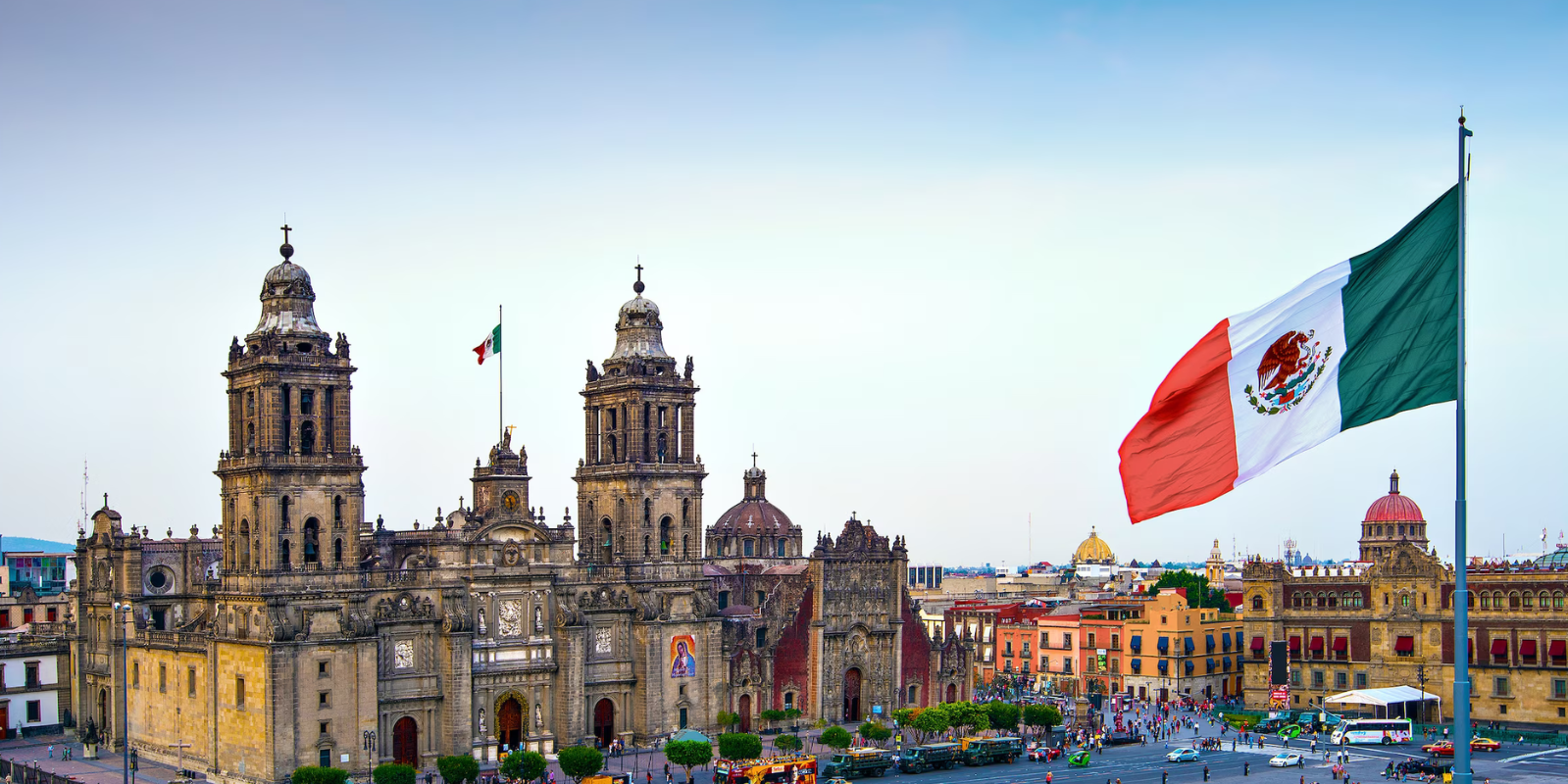
Heading to Mexico? Step off the beaten path and uncover hidden gems that will make your journey unforgettable.
Dreaming of a trip that goes beyond crowded resorts and postcard views? This Mexico travel guide reveals hidden gems where culture, history, and natural beauty come alive. Picture yourself wandering through vibrant villages, swimming in secluded cenotes, or savoring flavors only locals know. Every place holds a surprise that feels like your own discovery.
If a Mexican adventure is on your horizon, let this guide reveal the country’s hidden treasures. These destinations spark wonder and turn travel into memories you’ll carry for a lifetime.
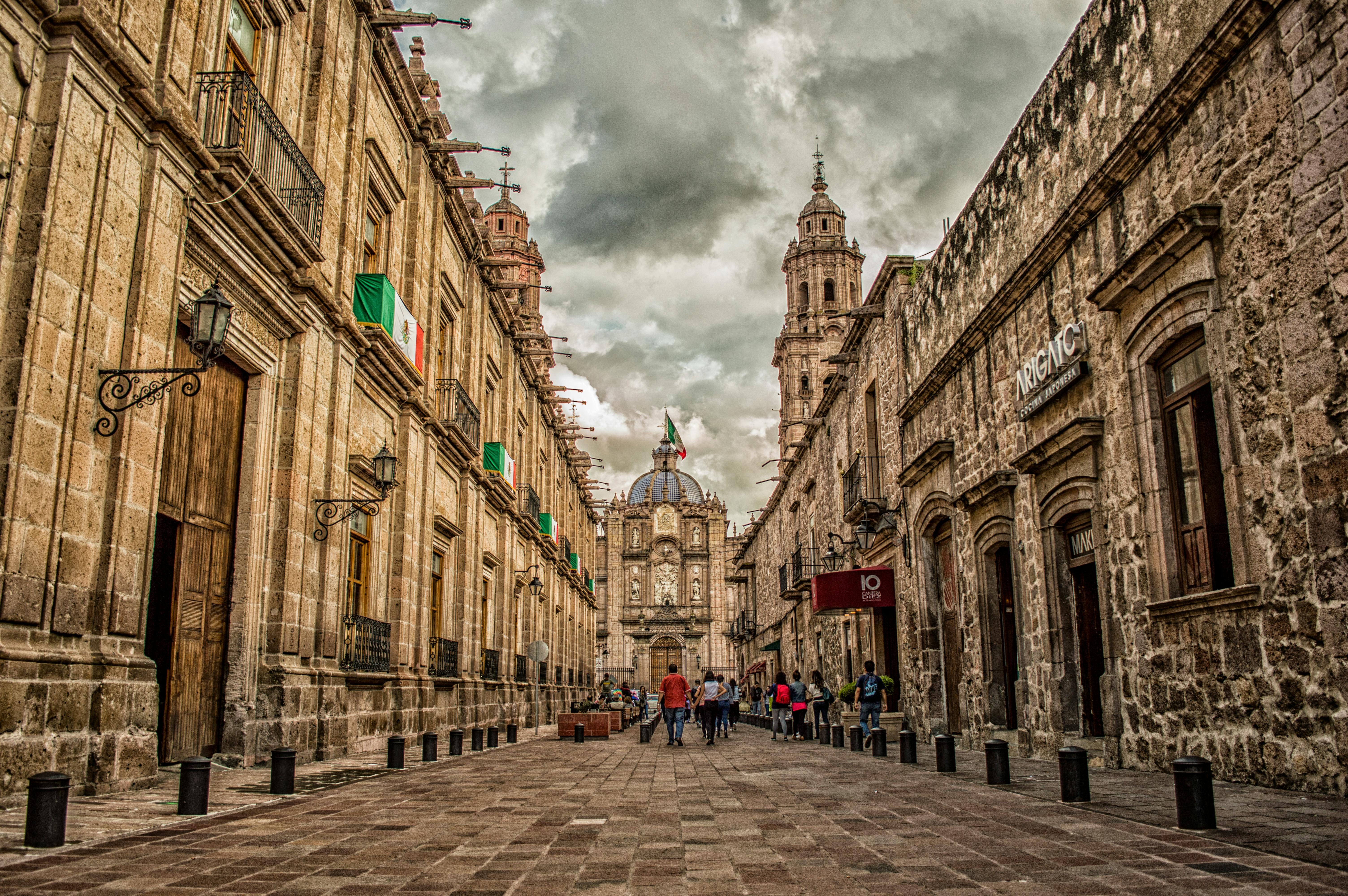
Mexico Travel Guide: Hidden Gems by Region
Mexico is a vast and diverse country, and each region has its own unique charm. Below, we’ll highlight the best places to travel in Mexico by region so you can discover hidden gems, from coastal escapes to colonial towns, and breathtaking landscapes.
Yucatán Beyond Tulum (Valladolid, Izamal, cenotes)
When most travelers think of the Yucatán, Tulum usually steals the spotlight. However, the region has so much more to offer. Head to Valladolid, a colorful colonial town with cobblestone streets, pastel facades, and easy access to some of the most stunning cenotes.
Just a short trip away, the “Yellow City” of Izamal shines with golden buildings and a peaceful charm that feels worlds away from the crowds. Scattered throughout the area are “cenotes”. These are natural sinkholes filled with crystal-clear water, perfect for a refreshing swim after exploring.
Oaxaca’s Mountain Villages (Sierra Norte, mezcal routes)
High in the Sierra Norte mountains of Oaxaca, you’ll find villages that feel like hidden worlds of their own. These communities are surrounded by pine forests, misty trails, and otherworldly views, making them perfect for travelers who love one-of-a-kind adventures. The region is also deeply rooted in tradition. You can follow the mezcal routes to see how this iconic spirit is crafted, meet local families, and taste varieties you won’t find anywhere else.
Exploring Oaxaca’s mountain villages gives you a glimpse of authentic culture and a slower pace of life, where every path and every sip of mezcal tells a story. For travelers curious about the unique things to do in Oaxaca Mexico, these hidden villages offer an experience far beyond the ordinary.
Baja California’s Wild Coast (Bahía Concepción, Loreto)
If you’re searching for untamed beauty, Baja California’s wild coast is one of the most unforgettable places you can visit. The turquoise waters of Bahía Concepción are dotted with quiet beaches perfect for swimming, kayaking, and camping under the stars. Further north, you'll find the charming town of Loreto, the gateway to the Sea of Cortez, often called the “Aquarium of the World” for its rich marine life.
Exploring this rugged coastline is a reminder that the best things to do in Mexico aren’t always in the busy tourist hubs, but in the raw, natural landscapes where adventure and serenity meet.
Pacific Surf Towns (San Pancho, Troncones)
For a laid-back escape, Mexico’s Pacific surf towns are the perfect mix of sun, sea, and local charm. In San Pancho, you’ll find golden beaches, gentle waves for surfers of all levels, and a creative community that hosts art and music events. Down the coast lies Troncones, which has an even more relaxing pace, with uncrowded shores, eco-lodges, and a strong connection to nature.
These coastal gems present a different side of Mexico, one where the rhythm of life follows the tide, and every sunset feels like it was painted just for you.
Central Highlands (Guanajuato, Bernal)
In the heart of the country is Mexico’s Central Highlands. One of the highlights is the city of Guanajuato, which has a maze of vibrant alleyways, underground tunnels, and lively plazas, perfect for travelers who love culture and charm. Not far away, you'll find the town of Bernal, famous for its towering monolith, Peña de Bernal, one of the largest in the world and a favorite spot for hiking and adventure.
Together, these destinations are proof that the Central Highlands deserve a spot on the list of the best places to travel in Mexico. They combine culture, tradition, and breathtaking scenery in one unforgettable region.
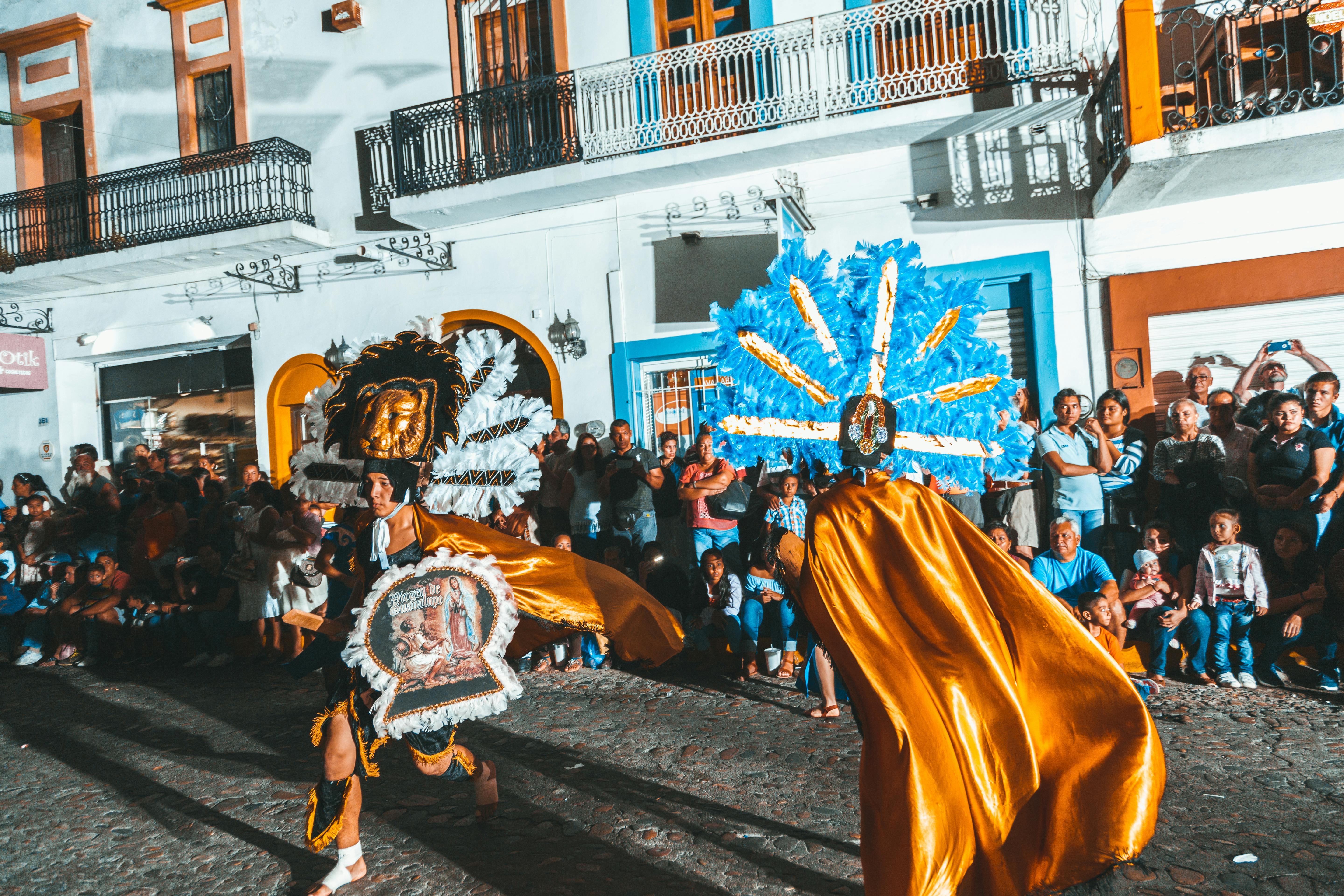
Mexico Travel Guide: Underrated Ancient Sites
Beyond the famous ruins of Chichén Itzá and Teotihuacán, Mexico is home to countless ancient sites that often go unnoticed. In this Mexico travel guide, we’ll uncover some of the most underrated archaeological treasures.
Calakmul & the Biosphere Reserve
Hidden deep in the jungles of Campeche lies Calakmul, one of Mexico’s most impressive yet lesser-known ancient cities. Once a powerful Maya capital, its towering pyramids rise above the forest canopy, with spectacular views that make the climb unforgettable. Surrounding the ruins is the vast Calakmul Biosphere Reserve, a protected area teeming with wildlife, including howler monkeys, toucans, and even the elusive jaguar.
Ek Balam’s Acropolis
Tucked away in the Yucatán, Ek Balam is a hidden gem that often gets overshadowed by its more famous neighbors. Its centerpiece, the towering Acropolis, is one of the few ancient structures you can still climb, rewarding you with sweeping views of the surrounding jungle. As you hike up, intricate carvings and well-preserved stucco figures reveal the wonders of the ancient Maya.
El Tajín in Veracruz
In the lush state of Veracruz, El Tajín stands as one of Mexico’s most remarkable yet underrated archaeological sites. Known for its iconic Pyramid of the Niches, this ancient city of the Totonac people showcases intricate architecture and a layout that still fascinates archaeologists today. The site is also closely tied to the Voladores de Papantla, a traditional ritual recognized by UNESCO as Intangible Cultural Heritage.
Yaxchilán by River Boat
Reaching Yaxchilán is an adventure in itself, as you can only get there by a scenic boat ride along the Usumacinta River, which marks the border between Mexico and Guatemala. As the jungle closes in around you, the ruins slowly appear, almost swallowed by the forest. Once a major Maya city, Yaxchilán is famous for its atmospheric temples, intricate stone carvings, and the haunting calls of howler monkeys echoing through the trees. A boat ride to Yaxchilán is definitely one of the most exciting things to do in Mexico.
Cantona’s Vast Ruins
Sprawling across the highlands of Puebla, Cantona is one of the largest yet least-visited ancient cities in Mexico. Unlike other sites, it feels almost untouched by mass tourism, giving you the rare chance to wander freely among its vast plazas, ball courts, and a network of ancient roads that stretch for miles. Once home to tens of thousands of people, Cantona offers a striking glimpse into a powerful civilization that thrived outside the Maya and Aztec spheres.
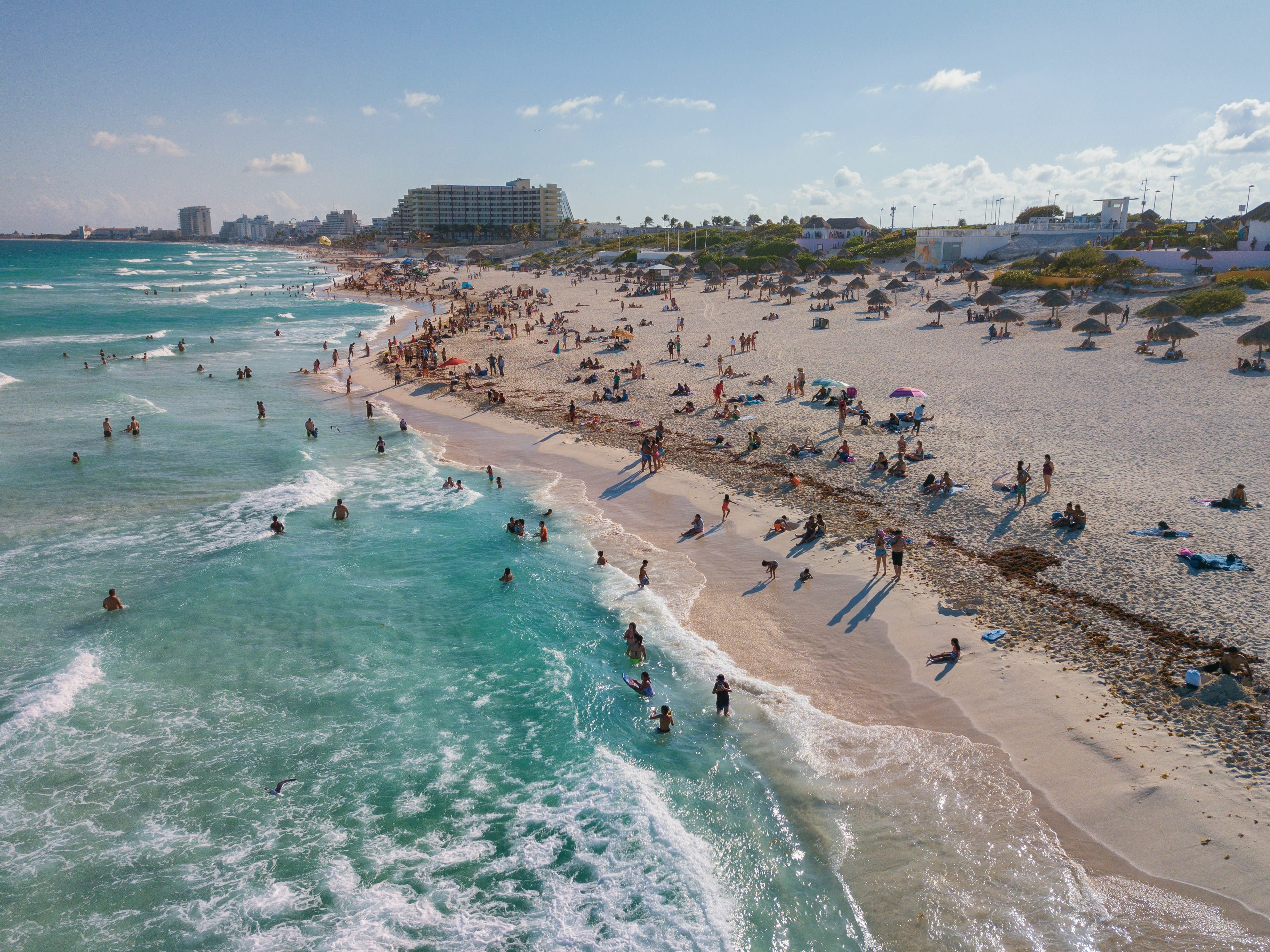
Mexico Travel Guide: Quiet Beaches & Magical Waters
Mexico is famous for its beach resorts, but some of the most unforgettable spots are the ones far away from the crowds. Below, we’ll explore quiet beaches and magical waters where you can slow down, reconnect with nature, and experience Mexico more authentically.
Isla Holbox & Yum Balam Reserve
Just off the coast of the Yucatán Peninsula, Isla Holbox is a car-free paradise where sandy streets, colorful murals, and hammocks by the sea set the pace of life. The island is part of the Yum Balam Nature Reserve, a protected area that shelters flamingos, sea turtles, and even whale sharks during the summer months. With its laid-back charm and rich biodiversity, Holbox offers the perfect mix of relaxation and adventure.
Here, the days are best spent cycling to hidden beaches, kayaking through mangroves, or simply watching the sun melt into the horizon.
Bacalar’s “Lagoon of Seven Colors”
In southern Quintana Roo, Bacalar’s Lagoon of Seven Colors is a breathtaking stretch of water that shifts between shades of turquoise, deep blue, and emerald. Unlike the busy beaches of the Riviera Maya, Bacalar offers a peaceful, almost dreamlike escape. Visitors can swim, kayak, or sail across its crystal-clear waters, discovering hidden cenotes and sandbars along the way. If you’re looking for unforgettable things to do in Mexico, a trip to Bacalar is a must!
Isla Espíritu Santo (La Paz)
Located off the coast of La Paz in Baja California Sur, Isla Espíritu Santo is a natural wonder where desert landscapes meet turquoise waters. This UNESCO-protected island is renowned for its dramatic cliffs, hidden coves, and thriving marine life. Visitors can snorkel with playful sea lions, kayak along pristine shores, or spot dolphins and whale sharks in the surrounding waters.
Mazunte & Zipolite Coves
Along Oaxaca’s Pacific coast, the laid-back towns of Mazunte and Zipolite are home to some of Mexico’s most peaceful coves. Mazunte is known for its golden beaches, bohemian vibe, and the nearby Punta Cometa, a cliffside lookout that offers one of the best sunsets in the country. Just down the road, you’ll find Zipolite, with hidden coves and waves that draw surfers and travelers seeking a slower rhythm of life.
Mexico Travel Guide: Natural Wonders Off the Beaten Path
If you love nature, then you're in for a treat! Mexico is full of incredible natural wonders, but some of its most magical spots are far away from the usual tourist trails. Below, find out where to go for hidden waterfalls, remote deserts, lush jungles, and other natural wonders off the beaten path.
Hierve el Agua Terraces
High in the mountains of Oaxaca, the Hierve el Agua Terraces look like frozen waterfalls cascading down the cliffs. These natural rock formations were created by mineral-rich springs, which still bubble up and fill turquoise pools perfect for a refreshing dip. The views stretch across dramatic valleys, making it one of the most photogenic spots in the region.
Huasteca Potosina Waterfalls
In the state of San Luis Potosí, the Huasteca Potosina region is a hidden paradise of jungle landscapes and cascading waterfalls. Spots like Tamul, Minas Viejas, and Puente de Dios invite you to swim in turquoise pools, kayak through canyons, or simply marvel at the rushing falls surrounded by lush greenery. Each site feels like its own natural playground, perfect for adventure seekers and nature lovers.
Sumidero Canyon
Just outside Tuxtla Gutiérrez in Chiapas, the towering cliffs of Sumidero Canyon rise dramatically above the Grijalva River, creating one of Mexico’s most breathtaking natural wonders. The best way to experience it is by boat, gliding between walls that soar over a thousand meters high while spotting crocodiles, monkeys, and exotic birds along the way.
Grutas de Tolantongo
Nestled in the mountains of Hidalgo, Grutas de Tolantongo is a natural paradise of hot springs, turquoise rivers, and stunning caves. Soak in warm mineral pools, hike through dramatic canyon landscapes, or explore the glowing grottoes that give the area its name. The combination of adventure, relaxation, and breathtaking scenery makes it a favorite spot for those looking to escape the crowds.
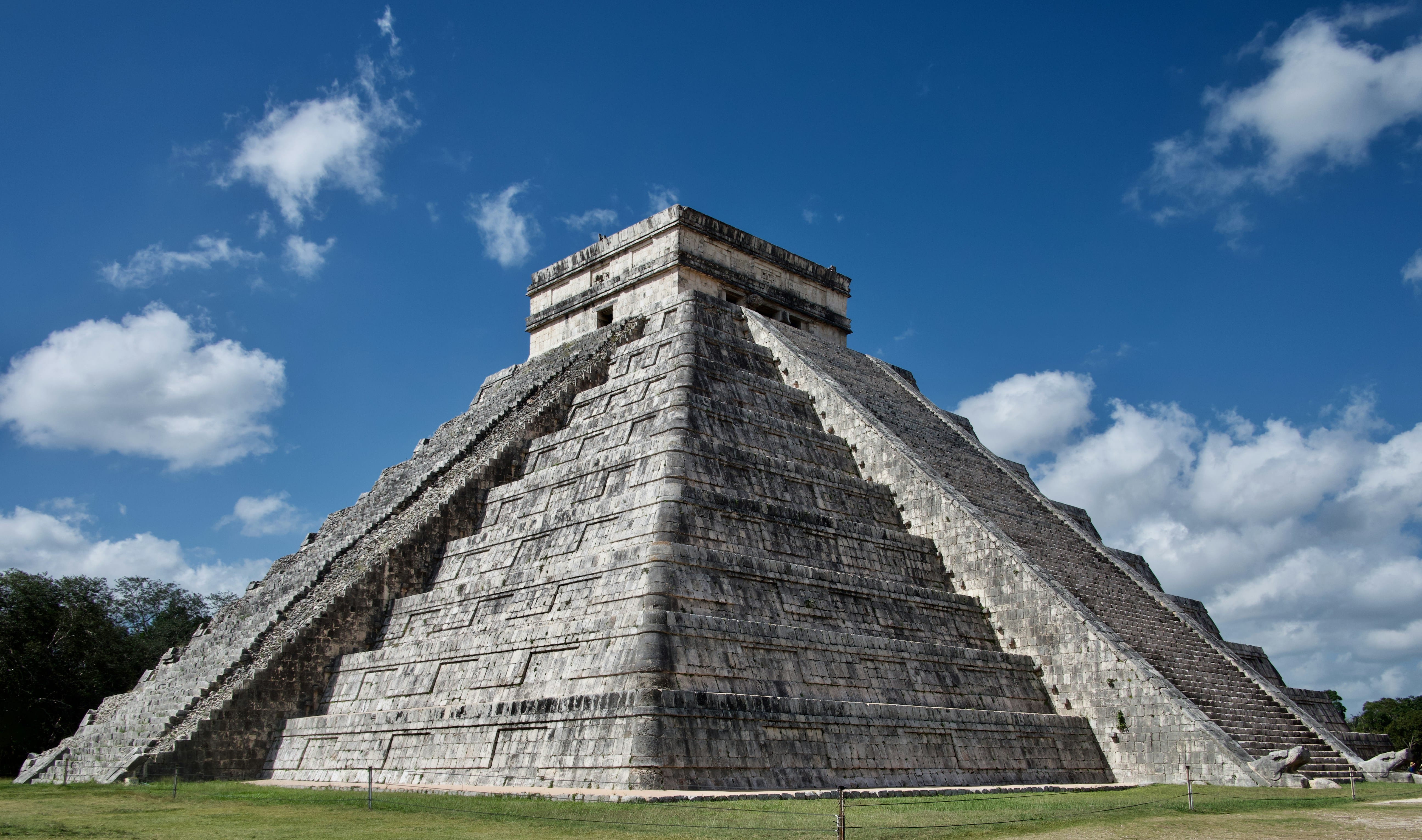
Mexico Travel Guide: Cities for Culture Lovers
Mexico’s cities are alive with history, color, and creativity. Beyond the bustling plazas and colonial streets are places where ancient traditions meet modern art, and where every corner tells a story. For culture lovers, exploring these cities means diving into vibrant festivals, lively markets, and architecture that reflects centuries of influence.
Mérida’s Haciendas & Museums
Known as the “White City,” Mérida is one of the best places to travel in Mexico if you’re drawn to culture and history. Its elegant colonial streets are lined with pastel mansions and vibrant plazas, but what truly sets it apart are the restored haciendas and world-class museums. Many haciendas around Mérida have been transformed into boutique hotels or cultural spaces, giving visitors a glimpse into the Yucatán’s rich past.
The city is also home to fascinating museums, like the Gran Museo del Mundo Maya, where ancient artifacts tell the story of Mayan civilization, and smaller galleries that showcase contemporary Mexican art.
Puebla’s Talavera & Tunnels
With its colorful streets and baroque charm, Puebla is a cultural treasure that blends artistry and history in unforgettable ways. The city is world-renowned for Talavera pottery, a centuries-old tradition that continues to thrive in local workshops. Visitors can watch artisans hand-paint intricate designs on ceramics, then bring home a piece of Puebla’s heritage as a meaningful souvenir.
Beneath the surface, another secret awaits: Puebla’s hidden tunnels. Once thought to be legends, these underground passageways stretch for miles beneath the city, offering a glimpse into its colonial past and the stories of those who once used them.
San Cristóbal de las Casas
Tucked high in the Chiapas mountains, San Cristóbal de las Casas feels like stepping into another world. Cobblestone streets wind past colorful houses, leafy plazas buzz with local life, and the cool mountain air adds to its timeless charm. The city is also a hub of indigenous culture, where traditional textiles, crafts, and rituals are proudly preserved and shared in lively markets and community spaces.
Querétaro’s Historic Center
With its elegant plazas, preserved colonial architecture, and vibrant cultural scene, Querétaro’s Historic Center is one of the best places to travel in Mexico for history lovers. Recognized as a UNESCO World Heritage Site, the city’s heart is filled with centuries-old churches, ornate mansions, and stone aqueducts that speak to its rich past.
Yet Querétaro is far from frozen in time. Its streets hum with cafés, galleries, and festivals that bring fresh energy to the historic backdrop. Wandering here feels like walking through layers of history while still experiencing the vibrancy of modern Mexico.
Mexico Travel Guide: When to Go (and Avoid Crowds)
Timing can make all the difference in how you experience a trip, and knowing the best time to travel to Mexico helps you enjoy it without the stress of big crowds. With its mix of sunny beaches, bustling cities, and highland escapes, Mexico’s seasons can shape your journey in unique ways.
Dry vs Rainy Season by Coast
The dry season (roughly November to April) is the most popular time to visit Mexico's coastal areas. With sunny skies, calm seas, and perfect beach weather, it’s ideal for swimming, snorkeling, or just relaxing on the sand. However, it also tends to bring larger crowds and higher prices.
The rainy season (May to October) doesn’t mean constant downpours, but you can expect afternoon showers and lush, green landscapes. This is when the beaches feel quieter, prices are lower, and the scenery comes alive. It's a great choice if you want a more peaceful and budget-friendly trip.
Hurricane & Sargassum Windows
Two important factors to keep in mind when planning a coastal getaway in Mexico are hurricane season and sargassum seaweed. Hurricane season runs from June through November, with the highest risk on the Caribbean and Gulf coasts. While storms don’t hit every year, it’s smart to keep an eye on forecasts and consider travel insurance if you’re visiting during these months.
Another natural element is sargassum, a type of seaweed that sometimes washes ashore in heavy amounts, especially along the Riviera Maya between April and October. It can affect swimming conditions, but many resorts actively clean their beaches, and nearby cenotes or islands often offer crystal-clear alternatives.
Festival Timing (Día de Muertos, Guelaguetza, etc.)
If you’re looking to truly immerse yourself in local culture, the best time to travel to Mexico is during its vibrant festivals, when the country comes alive with color, music, and tradition. Celebrations like Día de Muertos (Day of the Dead) in late October and early November transform towns and cities into vibrant displays of altars, marigolds, and candlelit processions.
In July, Oaxaca hosts the Guelaguetza, a centuries-old festival of dance, music, and regional traditions that showcases the diversity of its indigenous communities. Other events, like Independence Day in September or local patron saint fiestas, also bring streets alive with energy. Planning your trip around these moments lets you see Mexico at its most expressive and joyful.
Mexico Travel Guide: Getting Around the Hidden Spots
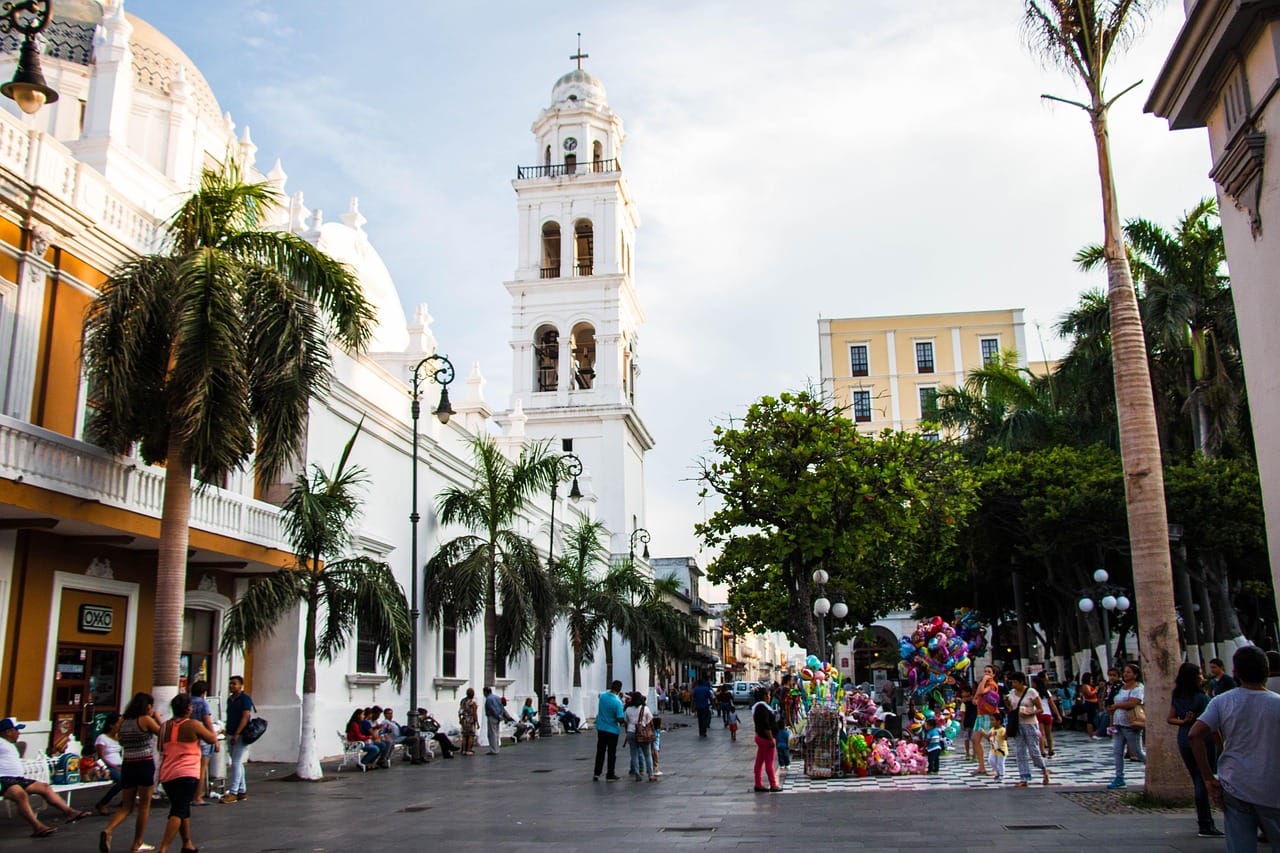
Exploring Mexico’s hidden gems often means venturing beyond the usual tourist routes. In this Mexico travel guide, we’ll share the best ways to get around, whether it’s local buses, colectivos, rental cars, or even boats. so you can reach those off-the-beaten-path spots with ease and confidence.
Long-Distance Buses & ADO Lines
Mexico’s long-distance buses are one of the most convenient and affordable ways to travel between cities, especially if you’re skipping domestic flights. The most reliable company is ADO, which covers much of southern and eastern Mexico, including routes to Cancún, Oaxaca, and Mérida. Their buses are modern, air-conditioned, and often include Wi-Fi, reclining seats, and onboard restrooms.
For travelers heading to hidden spots, ADO and other regional lines connect major hubs to smaller towns, making it easier to reach places that might not have airports. If you’re looking for comfort, safety, and value, long-distance buses are an excellent option for exploring Mexico beyond the tourist hotspots.
Renting a Car for Remote Areas
One of the best things to do in Mexico is to go on a road trip, especially if you’re planning to explore off-the-beaten-path destinations. Renting a car gives you the freedom to reach remote beaches, mountain villages, and ancient ruins that buses or tours don’t always cover. The roads connecting major towns are generally well-maintained, and driving at your own pace lets you stop for hidden gems along the way.
For the best experience, pick up your rental in a major city or airport and carefully plan your routes. Be sure to have cash for tolls, drive during daylight hours, and download offline maps in case of limited signal. With the right preparation, hitting the open road is an adventurous way to explore Mexico's hidden gems!
Colectivos & Local Transport
One of the best ways to explore Mexico’s hidden gems is by taking colectivos and local buses. They are the most affordable and authentic way to get around. Colectivos are shared vans or small buses that follow set routes between towns and villages, often connecting destinations that larger buses don’t reach. They are widely used, economical, and a great way to experience daily life alongside locals.
Handy Domestic Flight Hubs
If you want to cover long distances quickly, taking a domestic flight is often the most convenient option. Mexico is a vast country, and while road trips have their charm, flying between cities like Cancún, Oaxaca, Mexico City, or Tijuana can save you valuable time. Several budget and regional airlines operate frequent routes, making it easy to hop between regions in just a couple of hours.
Those who travel to Mexico from US will find that taking domestic flights can be especially useful, especially if you plan to see more than one part of the country in a single trip. Instead of spending long hours on buses or cars, you can maximize your adventure by flying directly to the regions that interest you most.
Mexico Travel Guide: Safety, Money & Etiquette
Many travelers often ask, “Is it safe to travel to Mexico?” The truth is, with the right preparation and awareness, Mexico can be a safe and welcoming destination. In this section, we’ll cover practical tips on safety, handling money, and local etiquette, so you can feel confident and ready to enjoy your Mexican adventure to the fullest.
Neighborhood Savvy & Night Travel
Like any destination, safety in Mexico usually comes down to knowing your surroundings. Larger cities have perfectly safe areas and others that are best avoided, especially after dark. Do a little research on neighborhoods before you go out, and ask locals or hotel staff for advice on which areas are safe to explore.
At night, stick to well-lit, busy streets and consider using trusted transport services, such as registered taxis or rideshare apps instead of walking long distances. Being mindful of where you go and how to get around can make a difference in staying safe while still enjoying Mexico’s vibrant nightlife.
Cash, ATMs & Tipping Basics
Visitors need to understand the basics of money in Mexico. For example, if you travel to Mexico from the US, it helps to know the current exchange rate between the dollar and the Mexican peso. While credit cards are widely accepted in larger cities and tourist areas, cash is still king in small towns, local markets, and for everyday expenses. Be sure to have cash available for taxi fares or buying street food. ATMs are easy to find, but try to use those inside banks or shopping centers for added security.
Tipping is also an important part of local etiquette. In restaurants, 10–15% is standard, and it’s customary to tip hotel staff, guides, and drivers as well. Having small bills and coins on hand will make these moments much smoother and appreciated.
Simple Spanish Phrases to Know
Even though English is spoken in many tourist areas, learning a few basic Spanish phrases can make your trip to Mexico smoother and more enjoyable. Locals appreciate the effort, and even simple greetings like hola (hello), gracias (thank you), and por favor (please) can help you connect more warmly with the people you meet.
It also helps to stay connected on the go. Having an eSIM for Mexico makes it easy to access translation apps, so you can quickly look up phrases like ¿Cuánto cuesta? (How much does it cost?) or ¿Dónde está…? (where is…?) anytime you need them. A little Spanish goes a long way in making your trip stress-free.
Respecting Local Customs
A big part of enjoying Mexico is showing respect for its traditions and everyday etiquette. Simple gestures, such as greeting shopkeepers with a friendly “buenos días” or saying “gracias” when leaving, can go a long way in making interactions warm and welcoming. Politeness is valued, and taking the time to acknowledge people shows appreciation for the culture.
It’s also helpful to be mindful in sacred spaces and local communities. Dress modestly when visiting churches, ask before taking photos of people, and support local artisans by buying directly from them. These small acts of respect not only enrich your travel experience but also help you connect more meaningfully with the heart of Mexico.

Suggested Mexico Travel Itineraries for 7–10 Days
Planning a trip to Mexico can feel overwhelming with so many incredible places to see. A well-structured itinerary helps you make the most of your time. With 7–10 days, you can balance iconic highlights with hidden gems.
Below, we’ll share suggested itineraries that take the guesswork out of planning, giving you clear routes and inspiring ideas to match your travel style.
One-Week Mexico City & Central Highlands Itinerary
|
Day |
Destination |
Highlights |
|
1–3 |
Mexico City |
Explore the Zócalo, Frida Kahlo Museum, Chapultepec Park, and the National Museum of Anthropology. Take a day trip to Teotihuacán to climb the pyramids. |
|
4 |
Puebla |
Discover Talavera pottery, colonial churches, local cuisine (try mole poblano), and explore the historic tunnels. |
|
5 |
Cholula & Atlixco |
Visit the Great Pyramid of Cholula, topped with a church, then enjoy Atlixco’s flower-filled streets and small-town charm. |
|
6 |
Querétaro |
Stroll through the UNESCO-listed historic center, admire its colonial architecture, plazas, and aqueduct views. |
|
7 |
San Miguel de Allende |
Wander cobblestone streets, visit art galleries, and see the stunning Parroquia de San Miguel Arcángel before returning to Mexico City. |
10-Day Yucatán Peninsula Route
|
Day |
Destination |
Highlights |
|
1 |
Cancún |
Arrive, relax on the beach, or take it easy with some seaside dining. |
|
2 |
Isla Mujeres or Holbox |
Day trip for pristine beaches, snorkeling, and laid-back island vibes. |
|
3 |
Valladolid |
Explore cenotes nearby (Cenote Suytun, Ik Kil), stroll the colonial center, and sample local Yucatecan cuisine. |
|
4 |
Chichén Itzá & Ek Balam |
Visit the world-famous pyramid of Kukulcán, then explore Ek Balam’s Acropolis for fewer crowds. |
|
5 |
Río Lagartos & Las Coloradas |
Spot flamingos in the biosphere reserve and see the pink lakes of Las Coloradas. |
|
6 |
Mérida |
Visit haciendas, museums, and markets; enjoy the city’s vibrant cultural scene. |
|
7 |
Celestún |
Take a boat tour through mangroves to spot flamingos and wildlife. |
|
8 |
Uxmal & Ruta Puuc |
Explore Uxmal’s grand ruins and nearby Puuc Route archaeological sites. |
|
9 |
Bacalar |
Relax at the “Lagoon of Seven Colors” and enjoy kayaking or swimming. |
|
10 |
Tulum |
Visit the seaside ruins, explore cenotes, or enjoy eco-chic beach vibes before heading back. |
One-Week Oaxaca & Surroundings Plan
|
Day |
Destination |
Highlights |
|
1 |
Oaxaca City |
Arrive and wander the historic center, visit Santo Domingo Church, and enjoy mezcal tastings — one of the classic things to do in Oaxaca Mexico. |
|
2 |
Monte Albán |
Explore the ancient Zapotec ruins, then return to Oaxaca City for markets and street food. |
|
3 |
Hierve el Agua & Mitla |
Visit the petrified waterfalls at Hierve el Agua, swim in natural pools, and stop by Mitla ruins. |
|
4 |
Tlacolula Valley |
Discover traditional villages, a vibrant Sunday market, and see the massive Tule Tree. |
|
5 |
Sierra Norte |
Head into the mountains for eco-tourism in small villages, hiking, or biking through pine forests. |
|
6 |
Mezcal Route |
Tour palenques (mezcal distilleries), meet local producers, and taste unique regional varieties — another unforgettable entry on the list of things to do in Oaxaca Mexico. |
|
7 |
Oaxaca City |
Free day for cooking classes, museums, or more local shopping before departure. |
Two-Week Highlights Trip Across Mexico
|
Day |
Destination |
Highlights |
|
1–2 |
Mexico City |
Explore the Zócalo, Chapultepec Park, Frida Kahlo Museum, and the National Museum of Anthropology. Take a day trip to Teotihuacán to climb the pyramids. |
|
3–4 |
Puebla & Cholula |
Discover Puebla’s colonial center, Talavera pottery, and tunnels. Visit the Great Pyramid of Cholula and taste local mole. |
|
5–6 |
Oaxaca City & Monte Albán |
Stroll Oaxaca’s colorful markets, enjoy mezcal tastings, and explore the Monte Albán ruins. |
|
7 |
Hierve el Agua & Tlacolula Valley |
Visit petrified waterfalls, Mitla ruins, and the giant Tule Tree. |
|
8–9 |
San Cristóbal de las Casas |
Wander cobblestone streets, experience Mayan culture, and take a boat trip through Sumidero Canyon. |
|
10–11 |
Palenque & Yaxchilán |
Explore Palenque’s jungle-covered ruins and take a riverboat to see Yaxchilán. |
|
12–13 |
Yucatán (Valladolid & Cenotes) |
Swim in hidden cenotes, explore colonial Valladolid, and relax in small-town charm. |
|
14 |
Chichén Itzá & Cancún/Playa del Carmen |
Visit one of the New Seven Wonders, then end the trip with time on the Caribbean coast. |
Stay Connected Seamlessly in Mexico with Jetpac
Exploring Mexico’s hidden gems is an adventure on its own. But staying connected makes the journey even better. With a Mexico eSIM from Jetpac, you can rely on fast, easy, and hassle-free data wherever you go. Just download using a QR code, activate, and you’re online the moment you land in Mexico!
If you’re searching for the best eSIM for Mexico, Jetpac is your go-to. It’s affordable, flexible, and designed for travelers who want to explore without limits. Whether you’re checking maps in Oaxaca, sharing photos from the beaches of Holbox, or translating on the go, having an eSIM for Mexico ensures you’re always just a tap away from what you need. Travel smarter, stay connected, and let Jetpac make your Mexican adventure effortless.
👉 Get Jetpac eSIM today and make sure your Mexico trip is as seamless as it is unforgettable!
FAQs
What I wish I knew before traveling to Mexico?
Many travelers say they wish they had known how important it is to carry pesos for daily expenses, since not every place accepts US dollars or cards. Others mention learning a few basic Spanish phrases makes a huge difference in connecting with locals. Being aware of the seasons, like rainy months, hurricane risks, or when sargassum seaweed appears on beaches, also helps set expectations. And finally, knowing that public transport like colectivos and ADO buses is safe and affordable could save you money while giving you a more authentic experience.
Where not to travel in Mexico right now?
According to the latest U.S. State Department advisories, several Mexican states are currently listed as “Do Not Travel” due to high levels of crime and cartel-related violence. These include Colima, Guerrero, Michoacán, Sinaloa, Tamaulipas, and Zacatecas. Other areas, such as parts of Baja California, Chihuahua, Jalisco, and Sonora, carry “Reconsider Travel” warnings, especially outside major tourist zones. Highways in some northern and rural regions are also considered risky, particularly at night.
What is the safest part of Mexico for tourists to travel?
Some of the safest and most popular places for tourists include Yucatán (Mérida and Valladolid), Los Cabos, Puerto Vallarta, Oaxaca City, and much of the Riviera Maya. These areas are well-developed for tourism, with good infrastructure and strong local hospitality. If you’re wondering, “is it safe to travel to Mexico?”The answer is yes, especially when you stick to established tourist destinations and follow basic travel precautions.
When is the best time to visit Mexico?
The best time to travel to Mexico is between November and April, during the dry season, when the weather is sunny and pleasant across most of the country. This period is ideal for beach getaways, exploring ancient ruins, or enjoying vibrant cities without the heavy rains of summer. If you prefer fewer crowds and lower prices, visiting in the shoulder months (late April, May, or October) can also be a great option.
Is Mexico safe for American tourists now?
Many Americans visit Mexico every year without issues, especially in popular destinations like Cancún, Los Cabos, Mexico City, and Oaxaca. Like any country, some regions have higher crime rates, but tourist areas are generally well-patrolled and welcoming. The key is to stay aware of your surroundings, use trusted transportation, and follow local advice. Overall, the answer to “Is it safe to travel to Mexico?” depends on where you go and how you travel. But with common-sense precautions, most visitors enjoy a safe and memorable trip.
What not to take when traveling to Mexico?
Avoid bringing items that are restricted or unnecessary, such as illegal drugs, firearms, drones without a permit, or large amounts of cash. It’s also best not to pack valuables you don’t need, since they can make you a target for theft. Keep things simple. Bring essentials, travel documents, and comfortable clothing, and leave anything risky or hard to replace at home.
Where to go in Mexico for the first time?
For first-time visitors, popular choices include Cancún and the Riviera Maya for their beaches and cenotes, Mexico City for its rich history, museums, and diverse food scene, and Oaxaca for its vibrant culture and exceptional cuisine. These destinations offer a mix of safety, accessibility, and unforgettable experiences, making them great starting points to explore Mexico.
What are the common risks for tourists in Mexico?
The main risks for visitors are petty theft in crowded areas, scams like overpriced taxis, and travel disruptions during hurricane season on the coasts. Most travelers enjoy a safe trip by using common sense. Stick to well-traveled areas, use trusted transportation, and keep valuables secure.
What is the cheapest month to go to Mexico?
The cheapest month to visit Mexico is typically September, which falls in the low season. During this time, flights and hotels are often at their lowest prices because it’s the rainy season and also close to hurricane season in some coastal areas. While you may encounter afternoon showers, you’ll also find fewer crowds and better deals across the country. If you’re flexible, late August through early November can also be a budget-friendly time.
Can I use US dollars in Mexico?
Yes, US dollars are accepted in many tourist areas, but it’s not always the most convenient option. Most hotels, resorts, and some shops will take dollars, but you’ll usually get a less favorable exchange rate than if you pay in pesos. For everyday purchases, markets, or local transportation, pesos are the preferred currency.