16 Best Things to Do in Seoul, USA Travelers Should Try First
The best things to do in Seoul, South Korea, include Gyeongbokgung Palace, Gwangjang Market, Korean barbecue, Seongsu-dong, the DMZ, and Bukhansan National Park. Seoul rewards US travelers with world-class food, living history, and neighborhoods unlike anywhere else.

Seoul rewards every kind of US traveler: the history-focused, the food-obsessed, the night owl, and the hiker who wants a mountain trail accessible by subway. The best things to do in Seoul range from 600-year-old palaces and midnight fish markets to hiking granite peaks above the city skyline. What to do in Seoul is genuinely one of the hardest questions to answer briefly, because almost every neighborhood and district offers a different version of the city. Most of it costs far less than a comparable day back home.
South Korea
US citizens enter South Korea visa-free for up to 90 days. The K-ETA (Korea Electronic Travel Authorization) requirement for US passport holders is fully suspended through December 31, 2026. No K-ETA application is required for 2026 travel.
However, all US travelers must submit a mandatory e-Arrival Card online within 72 hours before arrival at e-arrivalcard.go.kr. It is free, takes around 10 minutes, and replaces the paper arrival form from January 1, 2026. K-ETA becomes mandatory for US citizens from January 1, 2027; if your trip extends into 2027, verify requirements before booking.
The currency is Korean won (KRW); 1 USD is approximately ₩1,360 as of early 2026. Tipping is not practiced in South Korea, and attempting it causes genuine confusion. The bill is paid at the front counter on the way out, not at the table.
Before you travel, an eSIM South Korea plan activated before departure keeps Naver Maps, KakaoT, and all booking apps running from the moment you land at Incheon without a SIM swap or roaming bill.
Culture and History: Seoul, Korea Things to See First
These four are the South Korea sites to visit that anchor any first Seoul itinerary. Each rewards an early morning start before tour groups arrive.
1. Gyeongbokgung Palace
The largest of Seoul's five Joseon-era palaces, built in 1395 and set against the Bugaksan mountain backdrop. Rent a hanbok (traditional Korean dress) from shops on the surrounding streets, and entry is free; this is the single most cost-effective thing to do in Seoul. The changing of the royal guard ceremony runs twice daily at 10 am and 2 pm. Arrive by 9 am in spring and autumn to beat the crowds. The National Folk Museum of Korea sits on the palace grounds and is free to enter.
2. Changdeokgung Palace and the Secret Garden
A United Nations Educational, Scientific and Cultural Organization (UNESCO) World Heritage Site and the most architecturally refined of Seoul's five palaces. The rear Secret Garden (Huwon) requires a separate guided ticket and covers approximately 76 acres of forested pavilions, ponds, and stone paths built to follow the natural contours of the land. English-language guided tours run at set times; book in advance at the official Historic Korea website as spots fill quickly in peak season.
3. Bukchon Hanok Village
Around 600 traditional wooden hanok houses are spread across the hillside between Gyeongbokgung and Changdeokgung. Residents still live here. Noise restrictions apply from 5 pm to 10 am, and visitor numbers are managed in the steepest alleys. Arrive before 9 am on a weekday for the full scale of the traditional rooflines against the Seoul skyline without a camera crowd in the way.
4. War Memorial of Korea
One of the most underrated things to see in Seoul, Korea, for US travelers specifically. The memorial covers the Korean War across 13 indoor halls and an outdoor park with aircraft, tanks, and artillery. Free admission. The story of US involvement, the 38th parallel division, and the armistice is told clearly and in depth. Allow three hours minimum. Located in Yongsan, five minutes from Itaewon by subway.
Food and Markets: Seoul What to See and Do for Serious Eaters
Seoul, what to see and do for food is a different itinerary from the cultural one. These four are the most essential eating experiences in the city.
5. Gwangjang Market
Seoul's oldest covered market has been open since 1905. The food stalls run through the central hall, operated by vendors who have held their spots for decades. Order bindaetteok (mung bean pancakes), mayak gimbap (sesame rice rolls), and yukhoe (raw beef with egg yolk and sesame oil). Arrive hungry on a weekday morning when stalls are fully stocked. Located in Jongno on the subway.
6. Mangwon Market and Hangang Ramen
A local Saturday market with a farmers' market feel and almost no foreign tourists. Buy food from the stalls, then walk 10 minutes to Mangwon Hangang Park. Every riverside convenience store sells instant noodles and has automated hot water machines for cooking them on site. Buy a foil bowl, cook the noodles, sit on a picnic mat by the water, and eat alongside locals doing the same thing. This is one of the most consistently recommended experiences in Seoul traveler accounts for good reason.
7. Korean Barbecue Night
Order samgyeopsal (thick-cut pork belly) or galbi (short rib), grill it yourself over charcoal at your table, wrap it in perilla leaf with fermented soybean paste and sliced garlic, and eat it in one bite. The Mapo-gu neighborhood around Mangwon and Hapjeong has the strongest concentration of local barbecue restaurants without tourist-area pricing. Dinner for two with soju typically runs ₩25,000-40,000 ($18-30).
8. Noryangjin Fish Market at Midnight
One of the things to do in Seoul, South Korea, that most visitors miss. Noryangjin wholesale fish market operates 24 hours and is most atmospheric between 11 pm and 2 am. Walk the stalls, choose live seafood from the tanks, pay the vendor, and take it upstairs to one of the preparation restaurants that cook it immediately for a small fee. Sea bass, spicy raw crab, and abalone sashimi are the market specialties.
Also Read
Hidden Gems of Japan and Korea Revealed
Looking beyond popular spots? Discover hidden gems across Japan and Korea with unique destinations, local experiences, and less crowded travel ideas.
Best Pocket WiFi for Korea & Best Alternative
Staying connected in Korea? Compare the best pocket WiFi options and discover simpler alternatives like eSIMs for reliable, hassle-free internet access.
South Korea Travel Itinerary
Planning your trip to South Korea? Follow a well-planned itinerary covering top cities, must-see attractions, and practical tips to make the most of your visit.
Neighborhoods and Creative Districts
9. Hongdae
The student and arts district centered around Hongik University. Street performances happen every weekend afternoon. The surrounding streets hold independent cafes, vintage clothing shops, and live music venues. By 10 pm, it becomes one of the loudest nightlife areas in Asia. Hapjeong, ten minutes west, offers the same energy with better restaurants and speakeasies.
10. Seongsu-dong
A former industrial district east of the Han River that has become Seoul's most dynamic creative neighborhood since 2020: converted factories turned into concept cafes, design studios, pop-up galleries, and fashion showrooms. House NoWhere (HAUS NOWHERE), the Gentle Monster flagship, is the most architecturally ambitious space in the area. Best visited on a weekday afternoon when the pop-up culture is active, and the streets are less crowded than on weekends.
11. Ikseon-dong Hanok Village
A compact grid of renovated hanok buildings in Jongno has turned into one of Seoul's most photogenic and genuinely local entertainment districts. By day: independent cafes, Korean fusion restaurants, tarot readers, and photo booths. By evening, wine bars and karaoke rooms were packed with young Koreans rather than tourists. The contrast between the 500-year-old streetscape and what happens inside it is one of the most characteristic Seoul experiences available.
Experiences and Nightlife
12. Jjimjilbang (Korean Bathhouse)
A communal Korean spa and sauna operating 24 hours, costing approximately ₩12,000-15,000 ($9-11) for unlimited access. Dragon Hill Spa in Yongsan is the most accessible for first-time visitors: multiple hot and cold pools, infrared saunas, a restaurant, sleeping rooms, and a rooftop. Separate gender pools for bathing, communal areas for saunas, and restrooms. The sleeping area is used by locals as a genuine overnight option. This is not a tourist experience; it is part of daily Korean life and one of the best things to do in Seoul for understanding how the city actually functions.
13. N Seoul Tower (Namsan)
The tower sits on Namsan Mountain at 480 meters above sea level and delivers the clearest 360-degree view of the city. Take the Namsan cable car from Myeongdong or hike the 20-minute trail from the base. The observation deck requires a paid ticket; the outdoor terrace and the walk are free. The view at dusk, when the Han River catches the last light, and the city grid begins to glow, is the strongest single image Seoul offers.
Day Trips and Hidden Spots in South Korea
Seoul, what to see and do beyond the city, extends to some of the most historically significant and scenically dramatic Hidden Spots in South Korea, all reachable in under two hours.
14. DMZ Tour
The Demilitarized Zone sits approximately 35 miles north of Seoul and is one of the most significant South Korean sites to visit for any US traveler with an interest in 20th-century history. Independent access is not permitted; all visits require a licensed tour operator. Book two to three days ahead as tours, particularly Joint Security Area (JSA) tours to Panmunjom, sell out regularly. Half-day and full-day options depart from central Seoul daily.
15. Bukhansan National Park
Granite peaks inside the city boundary. The Baegundae Peak route reaches 836 meters in a three to four-hour round trip and requires no technical equipment. Free entry. The trail starts from Bukhansan-ui subway station. Download Naver Maps and the route before arrival, as the signal is inconsistent on the upper sections. Views of Seoul's full extent from the summit are one of the strongest reasons to build a half-day into any itinerary.
16. Suwon Hwaseong Fortress
A UNESCO World Heritage fortress wall encircles the old city of Suwon, 30 kilometers south of Seoul. Built in 1796 by King Jeongjo, the 5.7-kilometer wall is fully walkable in approximately two hours, connecting four gates, four command posts, and two floodgates across hills and flatlands. Far less visited than Seoul's central palaces, genuinely scenic, and entirely authentic. Reach Suwon in approximately 35 minutes by subway from Seoul Station on Line 1. Adult entry is approximately ₩1,000 ($0.70).
Practical Notes for US Travelers in Seoul
US citizens enter visa-free for up to 90 days. K-ETA is suspended through December 31, 2026; no application needed for 2026 travel.
All US travelers must submit a mandatory e-Arrival Card within 72 hours before arrival. Free, takes 10 minutes, requires passport details, flight information, and accommodation address. K-ETA becomes mandatory from January 1, 2027.
Your passport must be valid at the time of entry. South Korea does not require the extra three-month buffer used in Schengen countries, but arriving with a passport close to expiry is still a risk.
Some medicines that are legal in the US, including certain ADHD medications, amphetamines, and opioids, are restricted or illegal in South Korea. Carry a doctor's letter and verify each medication with the Korean Ministry of Food and Drug Safety before departure.
Men with both US and South Korean citizenship may be subject to South Korean military service obligations. Check your status with the Korean consulate before travel if this applies to you.
Download Naver Maps before departure. Google Maps has major routing gaps in South Korea because of local data restrictions. For transit, walking, and exits, Naver Maps is the standard local tool.
Use KakaoT for taxis. Buy a T-money card at any convenience store for subway, bus, and taxi payments. Subway fares start at about ₩1,350, and the network covers the city extremely well. Trains usually run until around 1 am.
Download Catchtable before arrival. It handles bookings and live waiting lists at popular restaurants, which is useful because one to two-hour waits are common at top spots.
Keep your voice low on the subway. Phone calls and loud conversations are frowned upon and will attract attention quickly.
Tipping is not practiced. Pay the amount on the bill, and pay at the front counter on your way out rather than at the table.
Spring (late March to May) is best for cherry blossoms and mild weather. Autumn (September to November) is best for foliage and clear skies. July and August are hot, humid, and rainy. January and February are cold but popular for winter events.
Staying Connected in South Korea
A Seoul trip depends heavily on your phone working properly. Navigation, taxi booking, subway routing, restaurant queues, and attraction searches all rely on mobile data. That is why sorting your connection before departure makes such a difference.
An eSIM South Korea plan is the easiest way to do that. You install it before leaving the US, land with data already working, and avoid airport SIM kiosks, physical SIM swaps, and roaming charges. For US travelers, that means Naver Maps, KakaoT, and booking apps work from the moment you land.
Why Jetpac works well for South Korea travel
WhatsApp, Google Maps, Uber, and Grab stay active even after your main data allowance is used. That gives you a useful safety net even late in the trip.
Call landlines and non-WhatsApp numbers directly through the Jetpac app. Useful for hotels, restaurants, local operators, and transport. Call packs start at USD 1.99 for 5 minutes.
Use one plan across multiple devices without extra sharing charges, whether that is your phone, laptop, or tablet.
Jetpac uses transparent prepaid pricing with no hidden fees and can save up to 70% compared with international roaming charges.
One setup works across more than 200 destinations, so if your route continues beyond Seoul, you do not need to change SIMs.
Jetpac automatically connects to the strongest available local network, helping your signal stay stable across Seoul and beyond.
Where available, Jetpac connects to 5G, with fallback to strong 4G networks for dependable travel use.
A hassle-free refund on your South Korea eSIM helps if plans change before departure.
If your flight is delayed by more than 1 hour, Jetpac includes access to 1,300+ airport lounges worldwide. You need to register yourself and one travel companion at least 24 hours before departure.
Help is available through WhatsApp and email at any hour, wherever your trip takes you.
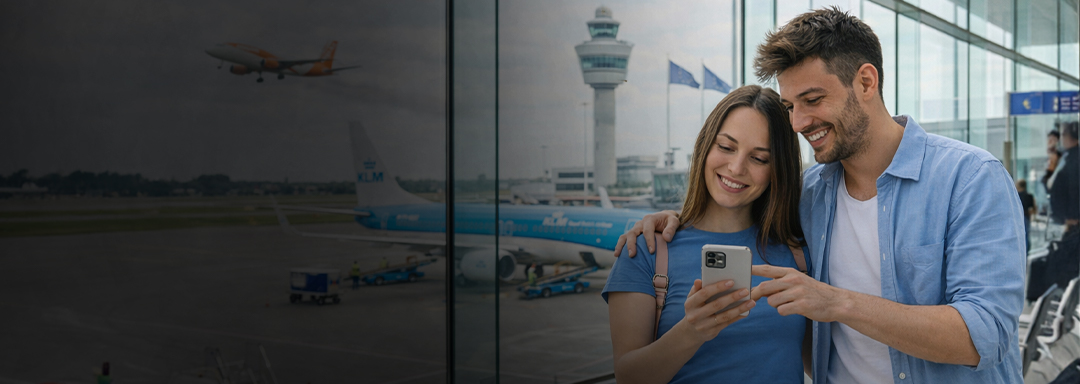
For Seoul, the right eSIM for South Korea is not just about data. It is about keeping maps, bookings, messages, and transport working from the moment you land. For multi-country routes, Jetpac also works well as the best eSIM for Asia Travel option because it keeps the setup simple across borders.
FAQs
What are the best things to do in Seoul for first-time US visitors?
Gyeongbokgung Palace with a hanbok rental, Gwangjang Market for food, Bukchon Hanok Village before 9 am, and a Korean barbecue dinner cover the four most essential experiences. Add the War Memorial for historical depth and Bukhansan National Park for the city view from above.
What are the things to do in Seoul, South Korea, that locals actually recommend?
Mangwon Market, followed by Hangang ramen at the riverside, a jjimjilbang overnight at Dragon Hill Spa, Ikseon-dong in the evening, and Noryangjin fish market after midnight. These appear consistently in Korean resident recommendations rather than tourist itineraries.
Do US travelers need a visa for South Korea?
US citizens enter South Korea visa-free for up to 90 days. K-ETA is suspended through December 31, 2026, so no application is needed for 2026 travel. A mandatory e-Arrival Card must be submitted within 72 hours of arrival at e-arrivalcard.go.kr. K-ETA becomes mandatory from January 1, 2027.
What is the best eSIM for South Korea for US travelers?
Look for a South Korea eSIM that covers 5G networks across Seoul and regional areas, switches automatically between local carriers, supports unlimited hotspot sharing, and keeps essential apps active after data runs out. For multi-country Asia trips, look for the best eSIM for Asia Travel plan covering South Korea, Japan, and Southeast Asia under one prepaid plan. The best eSIM for South Korea activates before departure via QR code.
What are the Hidden Spots in South Korea worth adding beyond the main Seoul sites?
Ikseon-dong Hanok Village for evenings, Mangwon Market on Saturdays, Suwon Hwaseong Fortress as a day trip, and Seongsu-dong on a weekday afternoon are the Hidden Spots in South Korea most consistently recommended by Seoul residents. All are underrepresented in standard tourist itineraries.
Is Seoul safe for US travelers?
Yes. South Korea sits at the U.S. State Department advisory Level 1. Seoul is consistently ranked among the safest major cities in the world. The subway runs until around 1 am and is safe at all hours. Violent crime against tourists is rare. Standard urban awareness applies in crowded nightlife areas.
Disclaimer
This blog is for informational and educational purposes only. K-ETA exemption status, e-Arrival Card requirements, and entry policies for South Korea are based on official sources, including the US State Department, South Korean Ministry of Justice, and Korean consular notices as of May 2026 and are subject to change. Always verify current entry requirements at k-eta.go.kr, e-arrivalcard.go.kr, and travel.state.gov before booking. Prescription medication regulations in South Korea are subject to change; verify all medications with the Korean Ministry of Food and Drug Safety before travel. Palace ticket prices, market hours, jjimjilbang pricing, and attraction details are based on publicly available data at the time of writing and are subject to change. Exchange rate figures are approximate and subject to fluctuation. South Korea sits at the U.S. State Department advisory Level 1; verify current advisories at travel.state.gov before traveling. Jetpac is not responsible for network variations, third-party data accuracy, or decisions made based on this content. No endorsement of any destination, attraction, or third-party service is implied.
Get connected as soon as you land with a Jetpac travel eSIM.