25 Best Things to Do in Vancouver: Nature, Food & City Life
The best things to do in Vancouver follow the city’s natural rhythm, from waterfront walks and food neighborhoods to well-timed mountain trips and markets. Jetpac keeps navigation and last-minute plans easy with reliable access across the city and nearby day trips.
Vancouver is one of the few cities where you can walk a 17-mile uninterrupted waterfront path, kayak past downtown towers, and still reach alpine viewpoints in under an hour, all without leaving the metro area. That physical closeness between the ocean, the mountains, and the neighborhoods is what shapes how the city is actually experienced.
The most rewarding things to do in Vancouver are not about seeing everything, but about moving smartly between places that feel completely different within the same day. This list focuses on how travelers really spend time here, grouping experiences by location, energy level, and weather so days feel intentional instead of rushed. Plans here change with tides, weather, and daylight, and travelers tend to settle into a rhythm quickly, with a Jetpac eSIM that keeps travel smooth between waterfronts, neighborhoods, and short escapes.
Start with the city’s layout, because understanding Vancouver’s shape determines how much you enjoy everything that follows.
First, understand Vancouver’s layout so you waste less time
Vancouver feels compact on a map, but bridges, water, and elevation change how quickly you move. Downtown sits on a peninsula, wrapped by waterfront paths, while the North Shore rises steeply just across the water. What looks close can take longer than expected, especially during peak traffic hours.
A simple structure works best: one anchor activity, one food-focused stop, and one open-ended walk or sunset moment per day. This rhythm turns the best things to do in Vancouver into experiences instead of a checklist. The weather also plays a role. A bright morning can turn misty by afternoon, particularly near the water or mountains.
With the city’s shape in mind, the natural first day begins where the skyline and shoreline meet.
Downtown waterfront icons that set the tone
Downtown delivers some of the most iconic things to do in Vancouver, Canada, with minimal logistics when timed well. This part of the city works best when you move in a natural loop rather than jumping randomly between spots.
Start with Stanley Park, which anchors the city both geographically and experientially. Walking or biking the Seawall, stepping into forest trails, and stopping at the Totem Poles is one of the top things to do in Vancouver for first-time visitors. Early morning or late afternoon keeps it calm, and two to three hours allows the park to feel immersive rather than rushed.
From there, continue outward along the Seawall beyond Stanley Park, which runs through Coal Harbour and toward False Creek. This stretch offers skyline views without committing to the full loop. If you only have 60–90 minutes, this is one of the great things to do in Vancouver that still feels complete and visually rewarding.
Next, slow the pace between Coal Harbour and Canada Place, which works best earlier in the day. Floatplanes lifting off, harbor reflections, and softer light make it one of the most photogenic things to do in downtown Vancouver, especially before midday foot traffic builds.
Finish the sequence with False Creek by Aquabus, which adds water time without physical effort. The short ride connects downtown to Granville Island and Olympic Village, making it a low-energy, high-reward way to round out the waterfront loop.
Once the waterfront delivers its postcard moments, Vancouver becomes more interesting through food and neighborhood energy.
Food, markets, and local neighborhood energy
Food culture is one of the most rewarding and fun things to do in Vancouver, especially when you approach it with structure instead of impulse.
Begin at Granville Island Public Market, which works best early. Snack first, shop lightly, and sit outside when possible. Treat it as a grazing stop rather than a full meal to avoid crowd fatigue. It consistently ranks among the best things to do in Vancouver, Canada, because it blends food, views, and movement in one stop.
After that, shift into Gastown, where the city’s historic character becomes more visible. Visit the Steam Clock just before it chimes, then wander the nearby cobblestone streets. As evening approaches, it becomes one of the most atmospheric great things to do in Vancouver for night photography and casual dining.
From Gastown, move east into Chinatown and the Dr. Sun Yat-Sen Garden area, which pairs cultural landmarks with a relaxed food crawl. This zone suits slower mornings or rainy afternoons and adds depth to things to do in Vancouver, BC, beyond the obvious downtown core.
Then transition south to Mount Pleasant and East Van murals, which reward an intentional, short walk rather than a long wander. Add a coffee stop and go when daylight is even. It remains one of the most overlooked things to do in Vancouver, BC, especially for travelers seeking local texture.
If visiting in season, close the evening at the Richmond Night Market, which works best when you arrive earlier than expected. Sharing dishes and pacing yourself keeps the experience fun rather than overwhelming.
After city life, Vancouver’s nature feels impossibly close, and the North Shore proves it fastest.
North Shore adventures that feel like a different destination
Crossing to the North Shore should feel like a deliberate shift, not a checklist.
Start with Capilano Suspension Bridge, which offers more than the crossing itself. Treetop walks and rainforest viewpoints make it a meaningful addition to the top things to do in Vancouver, especially when visited early or late.
If you prefer something calmer, continue to Lynn Canyon Suspension Bridge, a budget-friendly alternative with rewarding forest trails that locals often favor.
From there, decide how much effort you want to invest. Grouse Mountain requires a choice: hike the Grouse Grind if physical challenge appeals, or take the Skyride if panoramic views matter more. Even non-hikers find value at the summit.
Then slow things down in Deep Cove, pairing the Quarry Rock hike with waterfront snacks. Arriving early avoids parking stress and keeps the area relaxed.
If time allows, finish with Cypress Mountain lookouts, which deliver short trails and dramatic viewpoints, especially at sunset. Winter conditions may add snow activities.
If elevation is not your goal, Vancouver’s beaches and parks deliver nature with almost no logistics.
Beaches and parks for slow travel and sunset plans
When the weather shifts or energy dips, Vancouver’s indoor spaces keep the day feeling intentional rather than improvised. This section works best when you choose one primary indoor stop and build a lighter plan around it.
Start with the Museum of Anthropology, which stands out for its First Nations art and architectural setting. Pairing it with a short UBC-area walk helps the visit feel complete rather than isolated, making it one of the most meaningful things to do in Vancouver, BC on a quieter day.
From there, return downtown for the Vancouver Art Gallery, which works best as a focused 60-90 minute visit. It fits naturally between other things to do in downtown Vancouver, especially if you are sheltering from rain without wanting to spend the entire afternoon indoors.
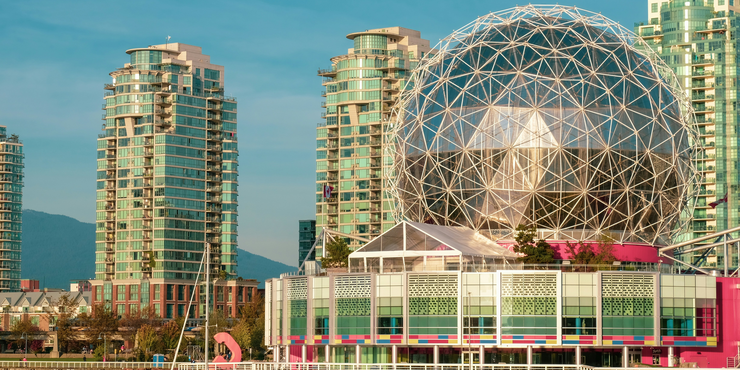
If you are traveling with family or prefer interactive exhibits, Science World becomes the natural closer. Its hands-on format keeps energy up, and its location beside False Creek allows you to transition easily back outdoors when the weather improves.
Once core city days are set, a single-day trip adds variety without exhausting travel.
Day trips and short escapes that actually work
Not all day trips from Vancouver feel equal, and the difference usually comes down to travel effort versus payoff. The best approach is to choose one clear goal for the day and let everything else stay secondary.
If you want the lowest-effort escape, begin with Bowen Island, which offers a ferry reset without complex logistics. Village walks, seaside meals, and short trails make it one of the easiest great things to do in Vancouver when you want a break from the city without committing to a full travel day.
For a more scenic drive, shift to the Sea-to-Sky Highway toward Squamish, where one or two stops, such as Shannon Falls or a gondola viewpoint, deliver strong value. Trying to add too many hikes or detours often turns this into a rushed experience.
If you are craving mountain village energy, Whistler works best when you commit to one main activity, then wander. This approach keeps the day enjoyable and prevents it from feeling like constant transit.
Read More: Practical strategies on how to save money while traveling without cutting experiences short. Read our blog: 👉 How to Save Money While Traveling Without Sacrificing Fun
All of this planning works better when navigation, bookings, and communication stay reliable.
Reliable Connectivity for Moving Around Vancouver
Vancouver demands connectivity in practical ways. Seawall routes, transit changes, restaurant reservations, and ferry coordination often happen on the move, sometimes outside reliable Wi-Fi zones, especially when switching between downtown, the North Shore, and nearby coastal routes.
Many travelers prefer one setup that works consistently across neighborhoods, bridges, ferries, and highways instead of swapping SIMs or worrying about roaming costs. Choosing an eSIM for Canada makes it easier to adapt plans when weather, daylight, or transport schedules shift unexpectedly.
Jetpac provides a Canadian eSIM that works across 200+ destinations, so travelers can set it up once and top up for future trips without starting over. This approach suits visitors, combining city exploration with outdoor areas where connectivity can be uneven.
With always-on multi-network access, Jetpac keeps connections stable across urban streets and surrounding regions. Pricing is fully upfront with no hidden charges and can be up to 70% cheaper than roaming, which helps travelers control costs while staying flexible.
Hotspot sharing works without data restrictions, which is useful for couples, families, or sharing access between devices. Essential apps like Uber, WhatsApp, and Google Maps remain accessible even when data runs out, making navigation and coordination easier throughout the day.
Support is available 24/7 via WhatsApp and email, and outgoing voice calls with 5G access are available in 50+ countries starting from $1.99 per five minutes, where available. For visitors planning multi-stop routes, an eSIM for Canada through Jetpac keeps movement smooth from arrival to departure.
FAQs
How many days do you need to experience Vancouver without rushing?
Four to five days balance city highlights, one North Shore day, and one short escape.
What is the best area to stay for nature and city access?
Downtown or near the Seawall offers the strongest mix of walkability and transit access.
Is renting a car necessary in Vancouver?
Not for the city core. Transit and walking work well. Rent a car only for specific day trips.
What should be booked in advance during peak season?
Popular attractions, ferries, and summer events should be secured early.
How does Jetpac help when moving between Vancouver and nearby areas?
A Canadian eSIM from Jetpac keeps maps, bookings, and navigation working across urban and remote zones.
Disclaimer
Opening hours, prices, and seasonal access may change. Weather and transport conditions can affect visibility and timing. Jetpac availability depends on local network coverage and regional regulations.