How Much Does a Trip to Japan Cost? Discover Practical Ways to Save
Wondering how much a trip to Japan costs? This guide will cover average daily budgets, total trip estimates, money-saving tips, and how an eSIM helps cut travel expenses.

Wondering how much a trip to Japan costs? This guide will cover average daily budgets, total trip estimates, money-saving tips, and how an eSIM helps cut travel expenses.
Japan is one of the most popular travel destinations in the world. Picture walking through Tokyo at 2 AM with neon signs blazing and vending machines on every corner, then finding yourself the next morning in ancient Kyoto temples that haven't changed in centuries. One minute you're on the world's fastest bullet train, the next you're soaking in mountain hot springs with breathtaking views surrounding you.
What makes Japan special is how the country offers everything to its visitors, from high-tech future and rich traditions to delicious cuisine. You can check into hotels run by robots, then spend the evening at a 400-year-old ryokan where you can enjoy food made with recipes handed down through generations. The only thing that might stop you? Worrying about trip to Japan cost.
You don’t need a lot of money to visit Japan. Sure, it’s expensive, but if you plan smartly, you can make the most of your trip to this beautiful country. Here is our guide to Japan trip costs for every type of traveler.
How Much Does It Cost to Travel to Japan?
So, how much does a trip to Japan cost? For a 7-day trip, a realistic budget can range from around $1,200 to $3,500+ per person, depending on where you stay, how you eat, how much you travel between cities, the activities you choose, and where you're flying from.
As a general guide, budget travelers can plan around $70–$120 per day excluding international flights, while mid-range travelers should expect roughly $150–$250 per day. Luxury trips can easily exceed $400 per day.
Your biggest expenses will usually be flights, accommodation, transportation, food, and activities. Season also matters: cherry blossom season, Golden Week, autumn foliage, and New Year can push accommodation and airfare higher.
The good news? Japan doesn't have to be an expensive destination. Japan's official tourism organization notes that there are plenty of budget accommodation options, affordable restaurants, public transportation and sightseeing discounts available.
In this 2026 guide, we'll break down the cost of a Japan trip by travel style, trip length, season and spending category, so you can build a realistic budget before you book your flight.
Quick Answer: How Much Money Do You Need for Japan?
| Travel style | Daily budget* | 7 days | 14 days |
|---|---|---|---|
| Budget | $70–$120 | $490–$840 | $980–$1,680 |
| Mid-range | $150–$250 | $1,050–$1,750 | $2,100–$3,500 |
| Luxury | $400+ | $2,800+ | $5,600+ |
*Excluding international flights.
For a typical first-time traveler, $150–$250 per day excluding flights is a useful starting point for accommodation, food, local transportation and sightseeing.
Your actual budget can be lower or higher depending on the season, itinerary and travel style.
Average Daily Costs by Travel Type
Let's break down your average daily costs by travel type. This helps you figure out what works for your budget and where you might want to splurge or save:
|
Travel Style |
Accommodation |
Food & Drinks |
Transport |
Activities |
Daily Total |
|
Budget |
$30–50 (hostel/guesthouse) |
$20–30 (street food, convenience stores) |
$10–15 |
$10–20 | $70–100 |
|
Mid-Range |
$80–150 (3-star hotels) |
$40–60 (mix of restaurants & cafes) |
$15–25 |
$20–40 | $150–250 |
|
Luxury |
$250+ (4–5 star hotels/ryokan) |
$80–150 (fine dining, kaiseki meals) |
$30–50 (taxis, private transfers) |
$50–100+ | $400+ |
Whether you’re a budget traveler, mid-range, or want to enjoy a luxurious trip, make sure to get an eSIM for Japan so you have access to data throughout your journey. This will help you navigate, look for hotels or other deals, and also connect with your family back home.
How Much Does a Trip to Japan Cost for 7, 10 and 14 Days?
Here's a practical starting point for a Japan trip. These estimates are per person and exclude international flights.
| Trip length | Budget | Mid-range | Luxury |
|---|---|---|---|
| 7 days | $490–$840 | $1,050–$1,750 | $2,800+ |
| 10 days | $700–$1,200 | $1,500–$2,500 | $4,000+ |
| 14 days | $980–$1,680 | $2,100–$3,500 | $5,600+ |
| 21 days | $1,470–$2,520 | $3,150–$5,250 | $8,400+ |
What isn't included?
These estimates don't include your international flight to Japan. Airfare varies substantially depending on your departure country, airline, booking date and travel season.
They also don't assume expensive shopping, major luxury experiences, private guides or high-end omakase meals.
For a more accurate budget, add your flight cost and then adjust the daily budget according to your itinerary.
Accommodation
Where you sleep will probably eat the biggest chunk of your trip to Japan cost; we're talking 40-60% of daily spending. But there is an option for every budget level.
Budget Travelers ($30-50)
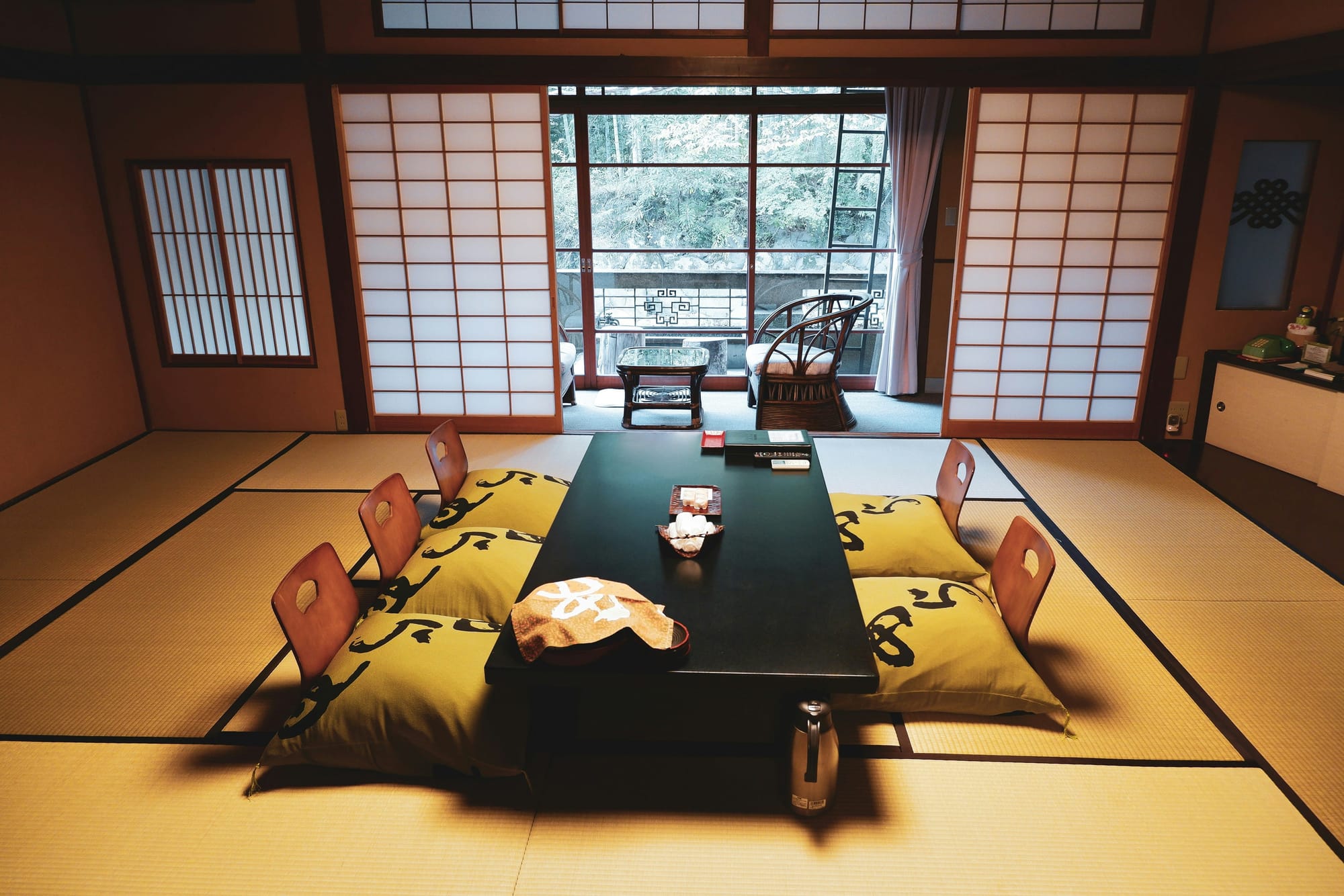
Budget travelers can choose modern hostels with pod-style beds or capsule hotels with tiny but super clean private spaces. Manga cafés offer overnight stays in reclining chairs, while temple lodgings (shukubo) provide authentic Buddhist experiences with simple tatami rooms and vegetarian meals for cultural immersion.
Mid-Range Options ($80-150)
Mid-range travelers can get business hotels or Airbnb apartments and family guesthouses. Many include complimentary breakfast, laundry facilities, and a small onsen. There are also many family-run minshukus (Japanese-style bed and breakfasts) that offer comfortable living and home-cooked meals.
Luxury Accommodations ($250+)
Luxury seekers can immerse themselves in Japan's finest hospitality traditions. Many ryokans provide yukata robes, traditional garden views, and impeccable service that anticipates your every need. World-class city hotels in Tokyo, Osaka, and other major cities offer stunning skyline views, Michelin-starred restaurants, spa services, and concierge assistance for exclusive experiences.
Important Booking Tips
Remember to book early, especially during the cherry blossom or autumn seasons when prices can literally double overnight. Accommodation includes 10% consumption tax plus city taxes. Book directly for upgrades, or use Japanese platforms like Rakuten Travel for local deals and better availability.
In-Depth Cost Categories Breakdown
Let's break down the cost categories in Japan, so you should know what to expect when you plan to visit the country:
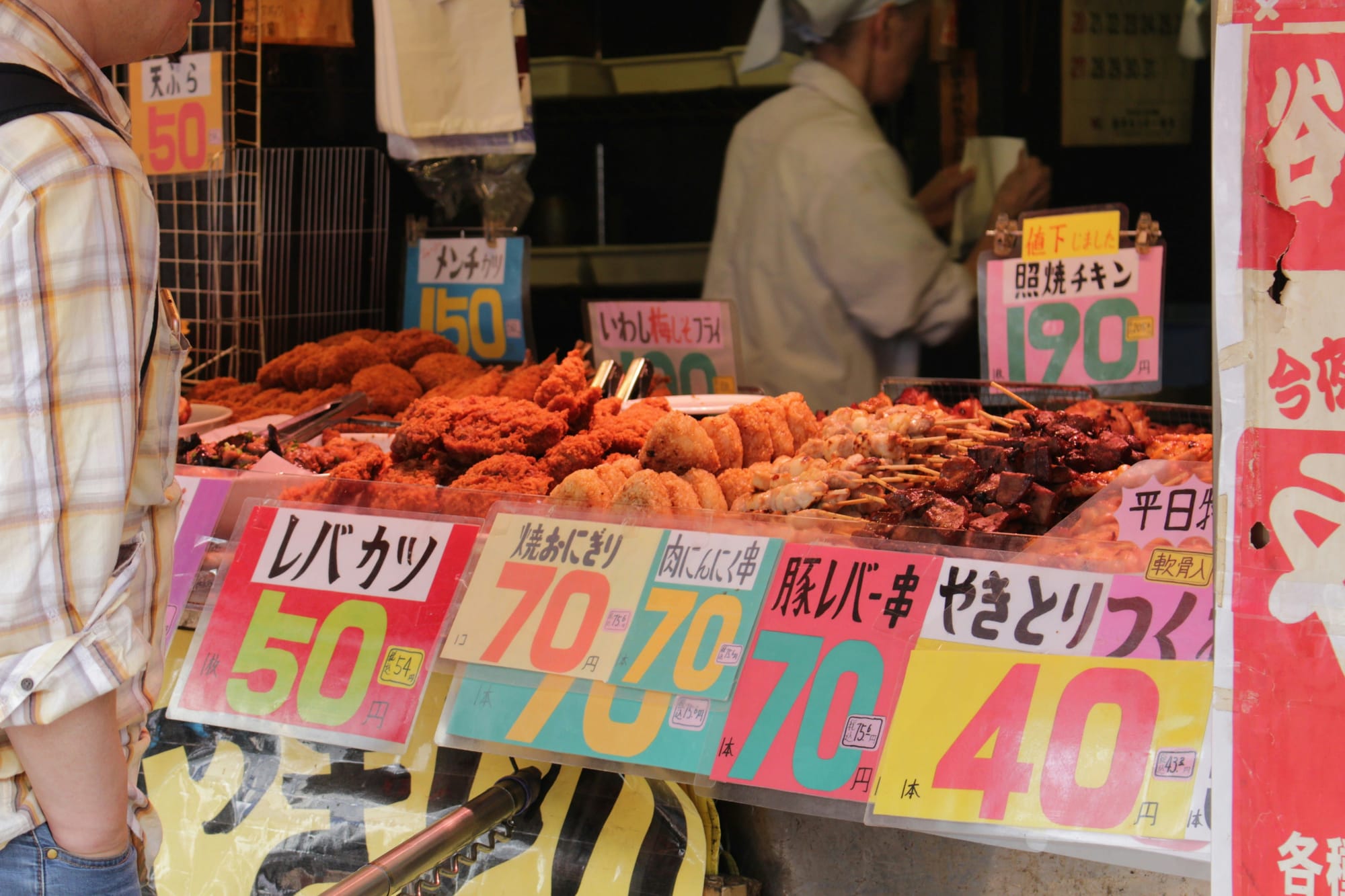
Food: If we talk about food in Japan, the country offers a wide range of delicious options at all budgets. You can visit convenience stores and get fresh sushi, rice bowls, and complete meals for $5-7 that beat most restaurant food back home. Casual spots like ramen shops offer food at $8-12, and conveyor belt sushi costs $15-25. Mid-range restaurants with traditional courses can cost you $50-80, while Michelin-starred places can be anywhere between $200-500 per person.
Transportation: If you want to travel for long distances, the JR Pass is your best friend. The 7-day JR pass for adults costs around $475, the 14-day pass is $745, and the 21-day pass is $950. Local subway and bus rides are $2-3 each, and day passes are around $6-8. Taxis start at $8-10 and may increase depending on the distance.
Activities: The good news is that in Japan, many activities are free. Thousands of shrines, temples, gardens, and hiking trails cost nothing. Paid attractions usually cost about $5-15. Theme parks like Disneyland or Universal cost $70-80 on average for day passes.
Connectivity: You should expect to pay around $10-15 daily for international roaming, which can add up to your overall cost. However, you can get a Jetpac eSIM for Japan that starts for as low as $1 for 1 GB. It’s not only affordable, but also provides you with reliable coverage across the country. You can simply buy a plan, install your eSIM, and it will connect to the best network as soon as you land.
You can also learn more in the Japan travel guide and plan your trip accordingly.
Flights – What You Need to Know
Your flight will take a significant portion of the cost of a trip to Japan, so understanding pricing helps you score better deals.
Flight costs to Japan vary significantly depending on your departure location and travel season. From North America, expect to pay anywhere from $800 to $2,000, depending on the season. European travelers typically see fares ranging from $600 to $1,500, while travelers from other Asian countries can often find deals for $300-$800. Booking 2-3 months in advance and being flexible with your travel dates can help secure better fares.
Having an eSIM ready before your trip ensures seamless connectivity the moment your plane touches down in Japan. Unlike traditional SIM cards that require physical swapping and potential language barriers at airport kiosks, eSIMs can be purchased and activated online before departure. This means you'll have immediate access to maps, translation apps, and communication tools as soon as you clear customs, which you will definitely need for navigating Japan's complex transportation systems and finding your accommodation.
Transportation Within Japan
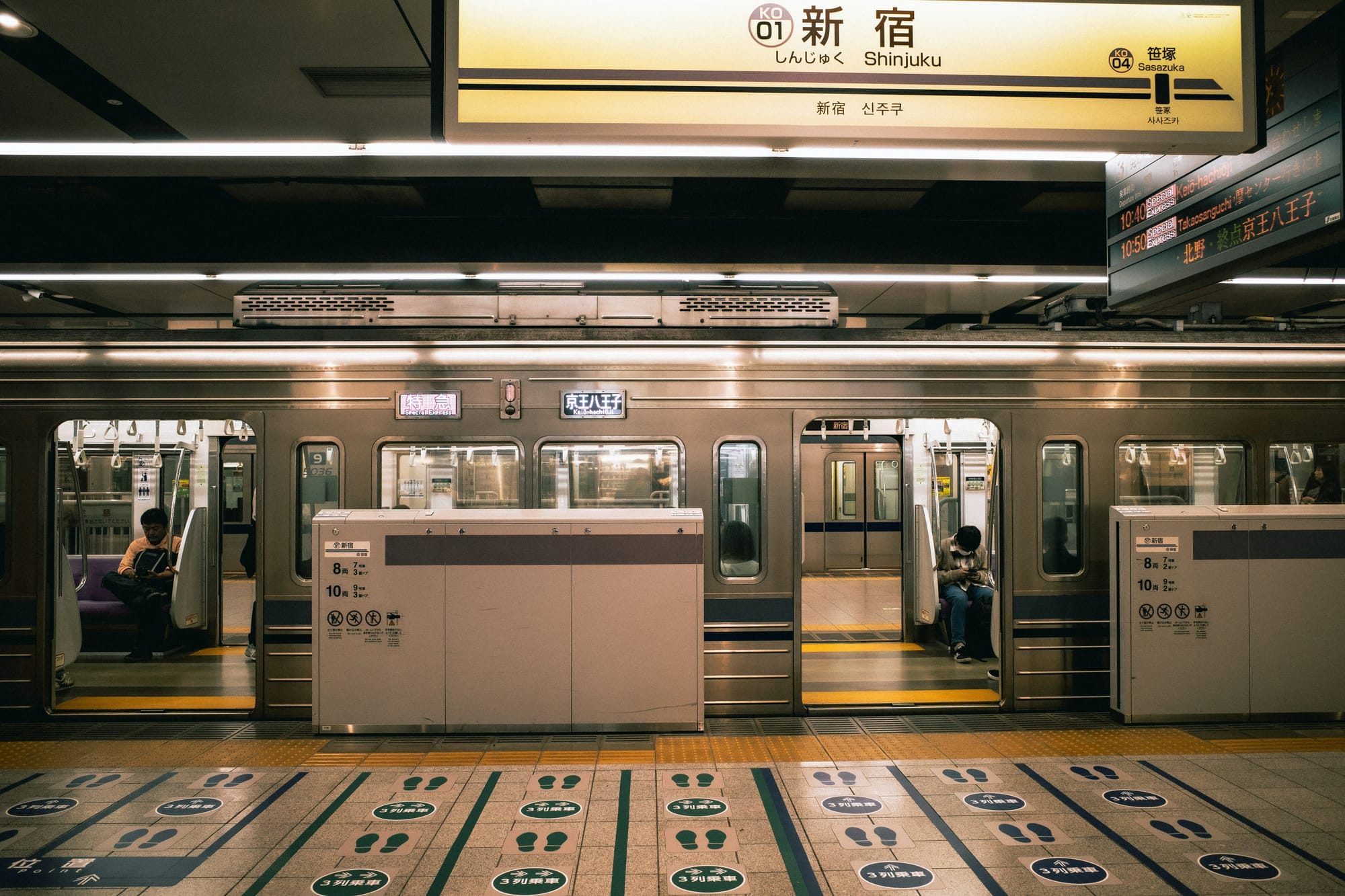
Getting around Japan is easier than you might think. The country has amazing trains, subways, and buses that run on time and connect pretty much everywhere you'd want to go.
JR Passes
The JR pass allows you to travel on trains in Japan. You can get passes for 7, 14, or 21 days, and if you're planning to visit multiple cities, it'll save you a lot of money. You don’t need to buy individual tickets for trains, just show your pass and hop on.
Subways
In big cities like Tokyo and Osaka, you can use subways to get around quickly. There are numbered stations with color-coded lines and clear English signage throughout. You’ll just need an IC card like Suica or Pasmo, and you can just tap and ride on the subway.
Buses
Buses are great for reaching places where trains don't go, like hot springs, small towns, or scenic mountain areas. You board from the back and take a numbered ticket, then pay based on the distance you travel. It might feel weird at first, but locals are usually happy to help if you can't figure something out.
eSIM for Connectivity
Having internet on your phone makes everything so much easier. With an eSIM for Japan (no physical SIM card needed), you can use maps to find your way, check train times, and even buy tickets right from your phone. Companies like Jetpac offer simple eSIM plans for travelers, so you're never stuck wondering which train to take or where the nearest station is.
Seasonal Budgeting Considerations
Timing makes a huge difference in your Japan trip cost. Prices may vary depending on the season, so plan your trip accordingly.
Spring (March-May)
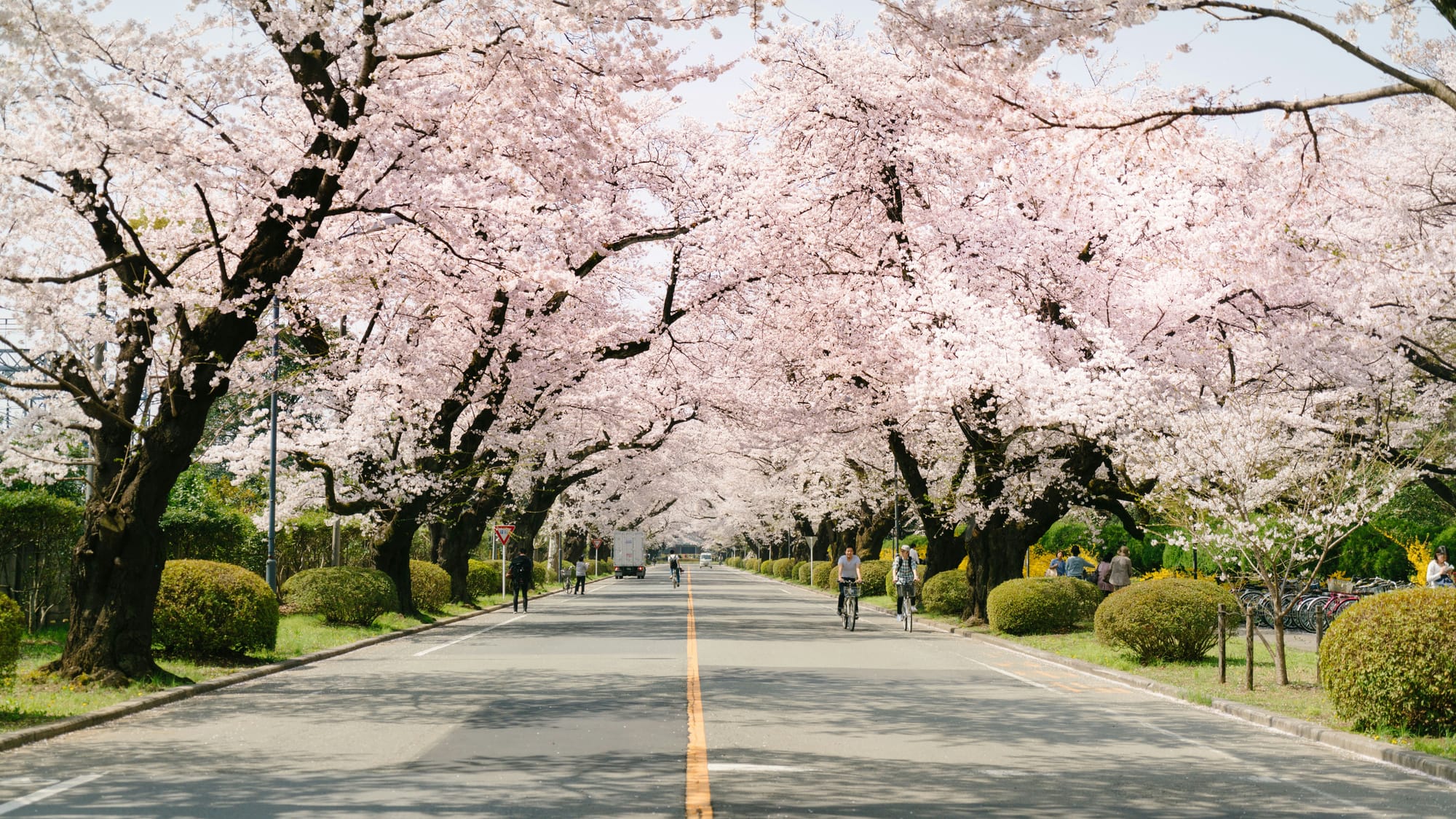
Spring is the cherry blossom season, which means the prices are highest during these months. Hotels can cost 2-3 times normal rates during peak bloom, especially in popular spots like Tokyo and Kyoto. Even though the price is highest, the weather is perfect, and the sakura experience is truly magical.
Summer (June-August)
Summer offers the best hotel deals but comes with a trade-off - intense heat and humidity that can be overwhelming. The upside is incredible local festivals, fireworks displays, and much lower accommodation costs. If you can handle the weather, you can enjoy a low-budget trip. Plus, many attractions offer special summer discounts to draw visitors during the hot months.
Fall (September-November)
Fall gives you gorgeous autumn colors with mid-range prices. Hotel rates jump during peak foliage weeks, especially in mountain areas and Kyoto. The weather is comfortable and the scenery is stunning, making it a popular time to visit with slightly higher prices.
Winter (December-February)
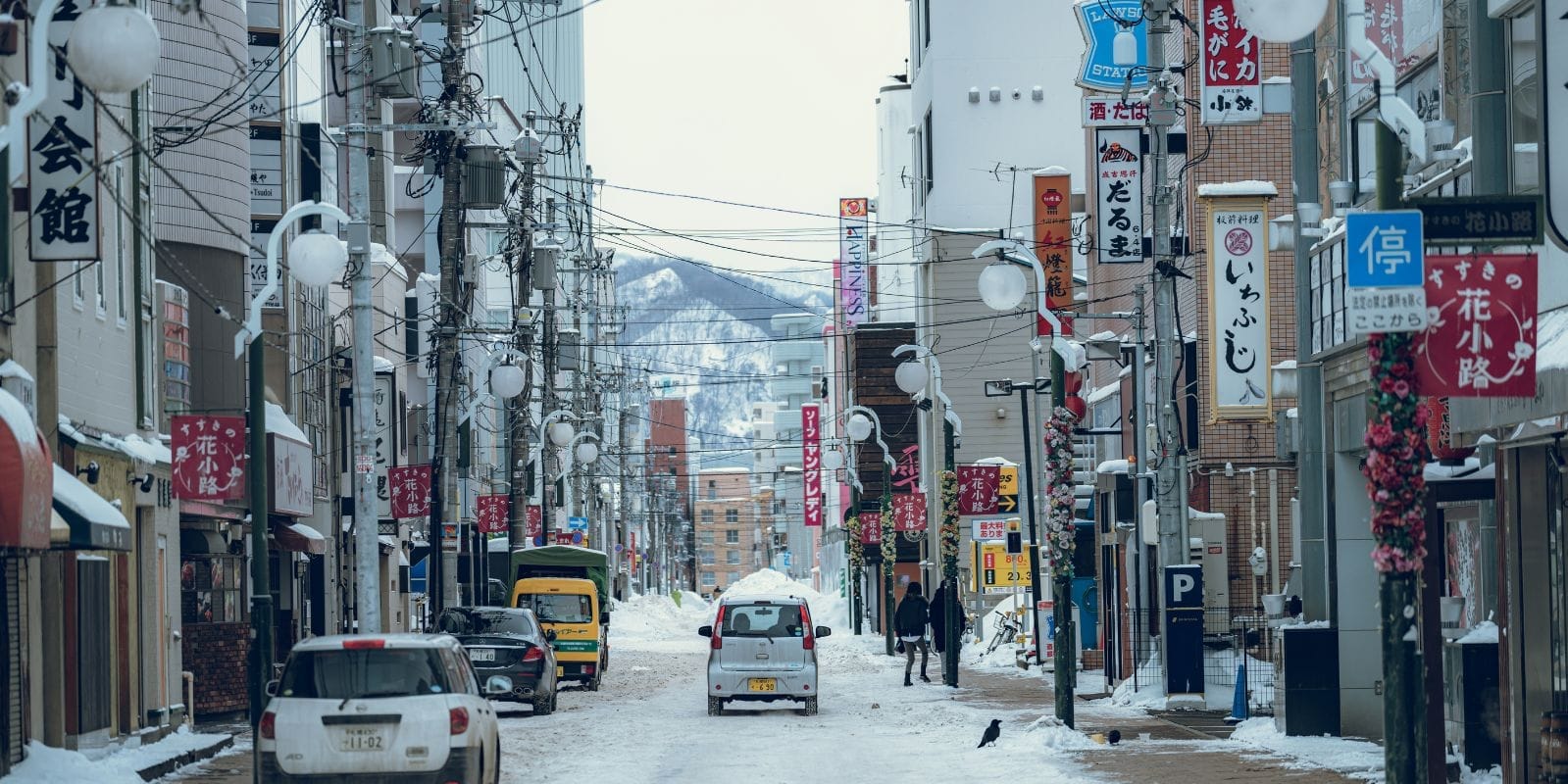
Winter provides the best overall value with much lower costs. You'll find great deals on hotels, fewer crowds at major attractions, and unique experiences like skiing and hot springs. However, the New Year's week gets expensive again as it's Japan's most significant holiday period. Outside of that week, winter is budget-friendly and offers an entirely different side of Japan.
Real Traveler Budget Examples
Here are some of the travelers’ experiences with eSIM, such as Jetpac in Japan:
“I used Jetpac in Japan last month. It's actually pretty decent, activated in like 2 mins at the airport. Had 5G pretty much everywhere. No issues, no weird charges. Would definitely use again”, said a user on Reddit.
“If you’re looking for something easy to use and affordable, you have a few good options. Airalo and Holafly are popular choices with simple setups and decent coverage. But personally, I used Jetpac, and it worked really well during my trip. The setup was super easy, the connection was stable all around Tokyo, Kyoto, and Osaka, and the prices were reasonable compared to other options. Definitely recommend it if you want something hassle-free for your 3-week holiday!” Said a user on Reddit.
Jetpac Japan eSIM prices are super competitive and affordable for even the cheapest budget traveler." - Travel Blogger Nomadic Matt
Quick Cost Estimation Table (with eSIM Cost Included)
Here is a quick trip to Japan cost estimation table with eSIM:
| Category |
Budget Traveler |
Mid-Range Traveler |
Luxury Traveler |
|
Accommodation |
$30–50/night |
$80–150/night |
$250+/night |
| Food |
$20–30/day |
$40–60/day |
$80–150/day |
|
Transport |
$10–15/day |
$15–25/day |
$30–50/day |
|
Activities |
$10–20/day |
$20–40/day |
$50–100/day |
|
Connectivity |
Jetpac eSIM: $1–20 (trip) |
Jetpac eSIM: $10–30 (trip) |
Jetpac eSIM: $20–40 (trip) |
|
Total (7 Days) |
$500–700 |
$1,200–1,800 |
$3,000+ |
These costs don't include international flights. During busy seasons like cherry blossoms, add 30-50% to hotel costs. The costs for eSIM depend on the data plan you choose. The more you buy, the cheaper it will be.
Money-Saving Tips
Traveling to Japan doesn't have to be expensive if you know where to look for deals and which experiences offer the best value. With some planning and local knowledge, you can enjoy authentic Japanese culture, delicious food, and memorable experiences without overspending. These practical tips will help you make the most of your travel budget while still having an amazing trip.
Convenience stores offer surprisingly high-quality meals for just $5-7 that often taste better than many restaurant options.
Look for lunch specials at restaurants since they typically cost $8-15 for complete meals compared to much higher dinner prices.
Book your accommodation well in advance, especially during peak travel seasons, to get good deals.
Research whether a JR Pass will actually save you money based on your specific travel itinerary.
Take advantage of the many free attractions Japan offers, including temple visits, shrine complexes, public gardens, and hiking trails.
When shopping, look for stores displaying tax-free signs that offer tourists 8-10% discounts on huge purchases.
Avoid expensive international roaming charges by using services like Jetpac eSIM, which costs much less while providing better coverage for maps, translation apps, and travel bookings.

How Much Does a Trip to Japan Cost From the US?
If you're traveling from the United States, your international flight can be one of the biggest parts of your Japan budget.
For planning purposes, set aside a separate flight budget and then calculate your spending in Japan.
A useful approach is:
International flight + accommodation + food + transportation + activities + connectivity + travel insurance = total Japan trip cost
For example, a mid-range 7-day trip could be planned as:
- International flights: budget separately based on your departure city
- Accommodation: $80–$180 per night
- Food: $40–$70 per day
- Local transportation: $15–$40 per day
- Attractions: $10–$40 per day
- Connectivity: travel eSIM/data plan
- Travel insurance: additional cost depending on coverage
Flight prices vary significantly between cities such as New York, Los Angeles, San Francisco, Chicago and other U.S. departure points, so it's better to check current fares rather than rely on a single nationwide average.
Is Tokyo More Expensive Than Kyoto or Osaka?
Your Japan budget can change depending on where you stay.
Tokyo
Tokyo gives you the widest range of accommodation, restaurants and attractions. You can travel cheaply, but luxury hotels, popular neighborhoods and fine dining can quickly increase your spending.
Kyoto
Kyoto can become expensive during peak cherry blossom and autumn foliage periods. Accommodation in popular areas can sell out quickly, so booking early can make a major difference.
Osaka
Osaka is often popular with travelers looking for good-value food and accommodation while still having easy access to major attractions.
Hiroshima, Nara and smaller cities
Adding smaller cities can provide different experiences and may reduce accommodation costs, although transportation between cities becomes another expense.
Budget tip: Don't judge your entire Japan budget by Tokyo hotel prices alone. Compare accommodation across neighborhoods and cities before booking.
How Much Does a Japan Trip Cost for Two People?
Two people don't necessarily pay twice as much as one person because accommodation can be shared.
For example, two travelers can split:
- A hotel room
- Taxi fares
- Some private transfers
- Some rental car costs
- Certain tours or private experiences
But food, attraction tickets and individual train fares generally remain separate.
For a 7-day trip, couples should therefore calculate the accommodation as a shared expense rather than simply multiplying a solo travel budget by two.
Budget tip: Compare the total cost of a private hotel room for two with two hostel beds. In some cases, a simple business hotel can offer better value for couples.
Why Jetpac eSIM is the Best Option for Japan
When calculating the cost of a trip to Japan, don't forget to stay connected. Traditional roaming can add $140-210 to two-week trips, while eSIM may cost you as low as $1 for 1GB of data.
Activating Jetpac eSIM for Japan is very simple. You just chose the package, and install the eSIM by scanning the QR code you’ll receive in the email. Once you install the eSIM, it will be activated the moment you set foot in Japan. You can also track your data usage or top up from the Jetpac app.
Along with great coverage, the Jetpac eSIM also provides other perks such as a complimentary airport lounge if your flight is delayed, and also free access to WhatsApp Chat, Uber, and Google Maps even when your data runs out.
So get your Jetpac eSIM for Japan, and enjoy your trip while staying connected throughout your journey!
Get connected as soon as you land with a Jetpac travel eSIM.