20 Unusual Facts About Peru: From Machu Picchu to the Amazon
Surprises await across this South American nation beyond its famous Inca ruins. Vibrant multi-colored peaks, thousands of native spuds, ancient coastal head binding, and high-altitude floating towns highlight a rich cultural landscape where extreme geography meets centuries of Andean history.

Peru is world-famous for ancient Inca ruins, colorful textiles, and incredible Andean landscapes. Beyond these legendary highlights, this South American country holds surprising secrets that shock even seasoned travelers.
From vibrant rainbow mountains and boiling Amazonian rivers to floating reed islands high in the Andes, there is always something interesting about Peru waiting to be discovered around every corner.
Whether you are currently planning a South American adventure or simply love learning mind-blowing trivia, digging deeper into local history reveals a truly extraordinary culture.
This list explores 20 unusual facts about Peru that will completely change how you view this ancient, biodiverse land and inspire your next big journey.

Unusual Facts About Peru at a Glance
If you want a quick breakdown before diving into the details, this snapshot highlights key essential data and interesting facts about Peru at a glance.
20 Unusual Facts About Peru
1. Machu Picchu Was "Lost" for Centuries (But Not Really)
While Hiram Bingham is credited with discovering Machu Picchu in 1911, local indigenous communities knew about it all along.
Spanish conquistadors never found the citadel during their invasion, allowing the site to remain remarkably well preserved. This makes it a primary reason why travelers research "what is Peru?" best known for before visiting.
2. Peru Has Over 4,000 Varieties of Potatoes
As the original birthplace of the spud, the country cultivates thousands of distinct potato varieties across the high Andes.
These crops grow in vibrant shades like yellow, blue, pink, purple, and black, revealing fun facts about Peru and its unique biodiversity. Locals love this native crop so much that May 30th is officially celebrated as National Potato Day.

3. The "Alien Skulls" of Paracas
In 1928, archaeologists uncovered a mass grave on the Paracas Peninsula containing elongated human skulls.
Although fringe theories suggested extraterrestrial origins, scientists confirmed the shape resulted from artificial cranial deformation. Parents bound infants' heads with wooden boards to create these elongated shapes as symbols of noble status.

4. The Uros People Live on Floating Islands
High up on Lake Titicaca, the Uros tribe resides on manmade floating islands built entirely from native totora reeds.
They weave their homes, boats, and island grounds from these plants, providing fun facts in Peru for cultural researchers. Learning about these floating communities offers great inspiration for outdoor enthusiasts.
Read more: Unique island life and rich cultural heritage extend throughout Latin America. Dive into fun facts about Puerto Rico to discover fascinating local traditions and tropical beauty. Read our blog👉 21 Fun Facts About Puerto Rico You Never Knew Before Today
5. The Andean Condor Is the Largest Flying Bird on Earth
Boasting a massive wingspan of up to 10.5 feet and a height of 4 feet, the Andean condor holds the title of the world's largest flying bird.
Weighing up to 33 pounds, these majestic creatures rely on strong thermal air currents to glide over deep valleys like Colca Canyon for hours without flapping their wings.
6. Three-Quarters of the World's Alpacas Live in Peru
Out of a global population of roughly 10 million alpacas, over 7.5 million graze on the high Andean plains.
Their prized fleece comes in 22 natural shades and provides a crucial livelihood for rural families. Learning about these gentle animals reveals essential South America, Peru facts for animal lovers.
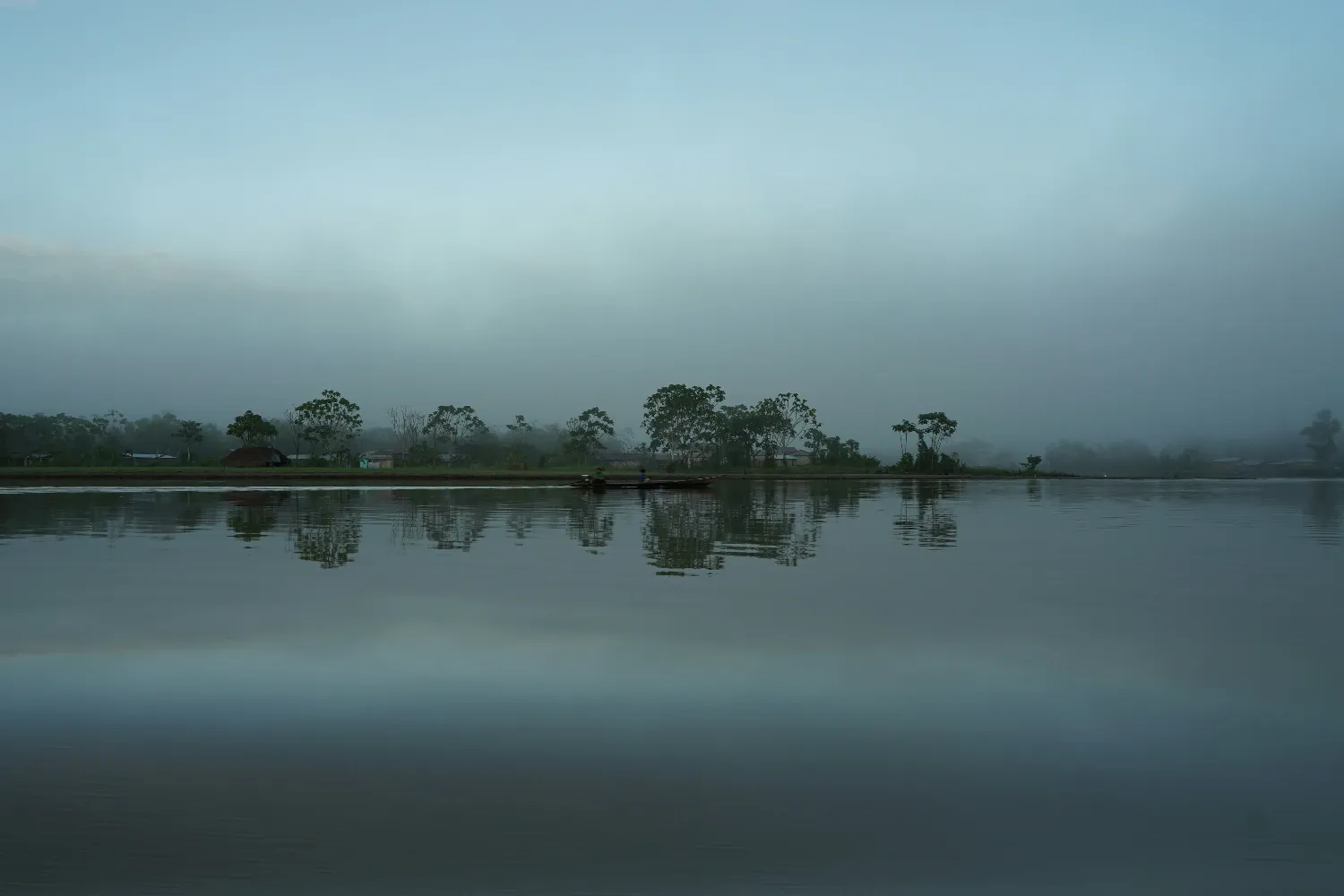
7. The Amazon River Starts in Peru
Many travelers associate the world's largest river purely with Brazil, but its headwaters actually originate high in the Peruvian Andes.
Glacial streams trickle down from the mountains to form tributaries that feed the main channel, which flows over 3,700 miles across the continent to the Atlantic.
Read more: Ecotourism and rich biodiversity draw outdoor lovers to incredible Latin American destinations. Check out fun facts about Costa Rica to explore its world-famous happy lifestyle. Read our blog👉 Fun Facts About Costa Rica: Discover the World's Happiest Country
8. You Can Swim with Pink Dolphins in the Amazon
Deep within the Peruvian jungle, the unique pink river dolphin thrives in freshwater basins.
These creatures are born grey and gradually turn bright pink as they age. Swimming alongside these friendly wild mammals stands out as one of the most exciting fun facts in Peru.
Read more: Deepening your South American knowledge reveals incredible wildlife and rainforest wonders across the continent. Explore fun facts about Brazil to learn more about its vibrant culture. Read our blog👉 30 Fun Facts About Brazil's Culture, Football, and Rainforest
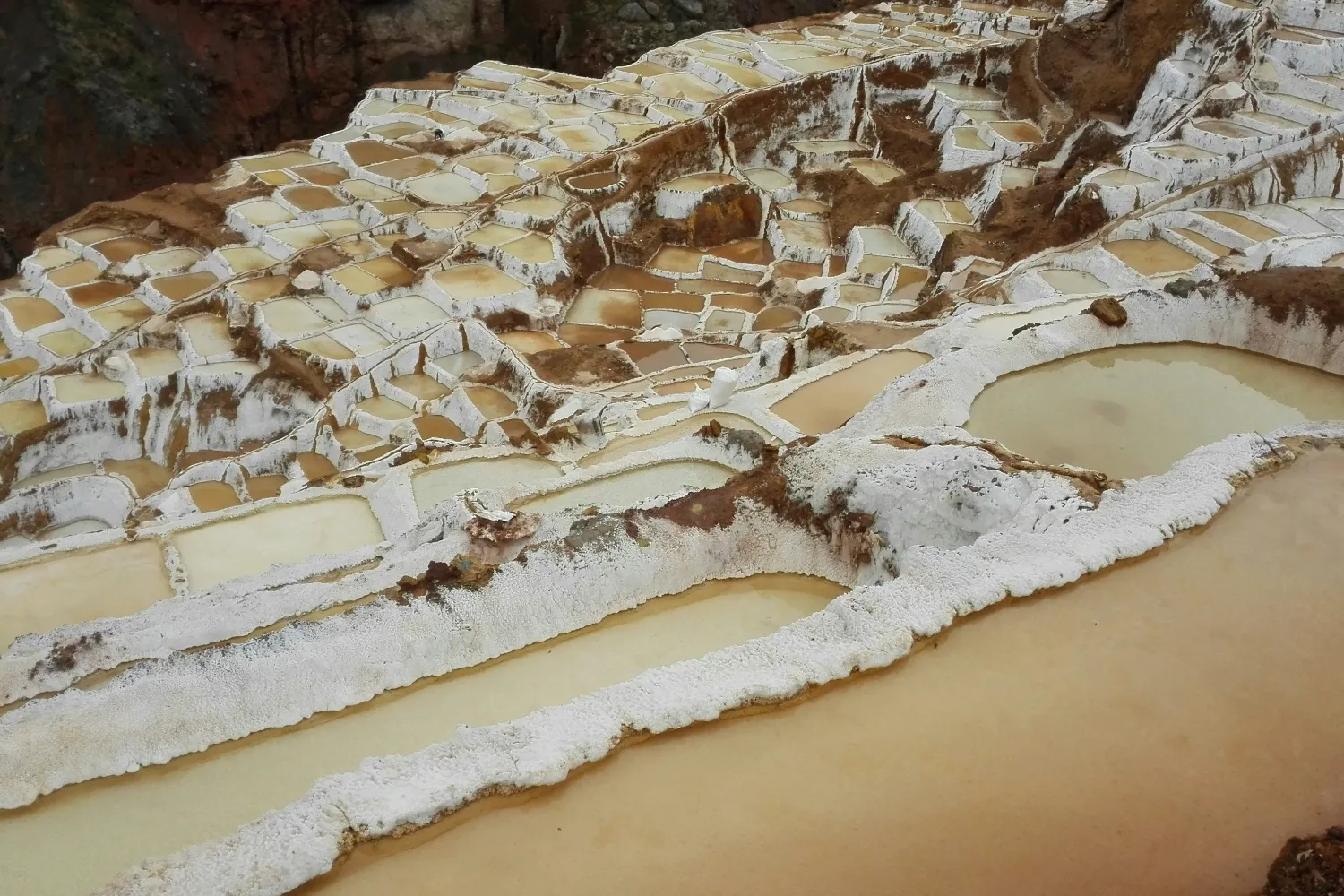
9. The Maras Salt Mines Have Been Used for Over 500 Years
Tucked inside the Sacred Valley, thousands of terraced salt pools have been fed by a single saltwater spring since pre-Inca times.
Local families manage individual ponds using ancient sun-evaporation methods, highlighting something interesting about Peru and its traditional mountain industries.
Learning about this ancient salt harvesting process reveals something interesting about Peru and its traditional mountain industries.
10. The "White City" of Arequipa Is Built from Volcanic Stone
Arequipa owes its striking look to sillar, a pale volcanic stone quarried from nearby volcanoes like El Misti. Colonial architects used this durable rock to construct churches, grand plazas, and historic mansions.
Discovering this volcanic architecture gives travelers more fun facts about Peru to explore outside the capital.
11. Guinea Pig (Cuy) Is a Traditional Peruvian Delicacy
Known locally as cuy, roasted guinea pig has served as an essential Andean protein source for thousands of years. Seasoned with native herbs, it is traditionally served whole during major holiday feasts.
Trying this unique dish provides great material for sharing interesting Peruvian facts with fellow foodies.
Read more: Culinary traditions and ancient historical sites make Latin America a top destination for foodies. Explore fun facts about Mexico to discover hidden gems and culture. Read our blog👉 Top 20 Fun Facts About Mexico: Hidden Gems, Culture & Nature
12. It Can Take 600 Hours to Weave a Traditional Poncho
Hand weaving remains a sacred art form practiced by indigenous women high in the mountains.
A traditional alpaca wool poncho requires 500 to 600 hours to spin, dye with native plants, and weave on backstrap looms. Reading about these complex textile patterns adds to the list of unique facts about Peru.
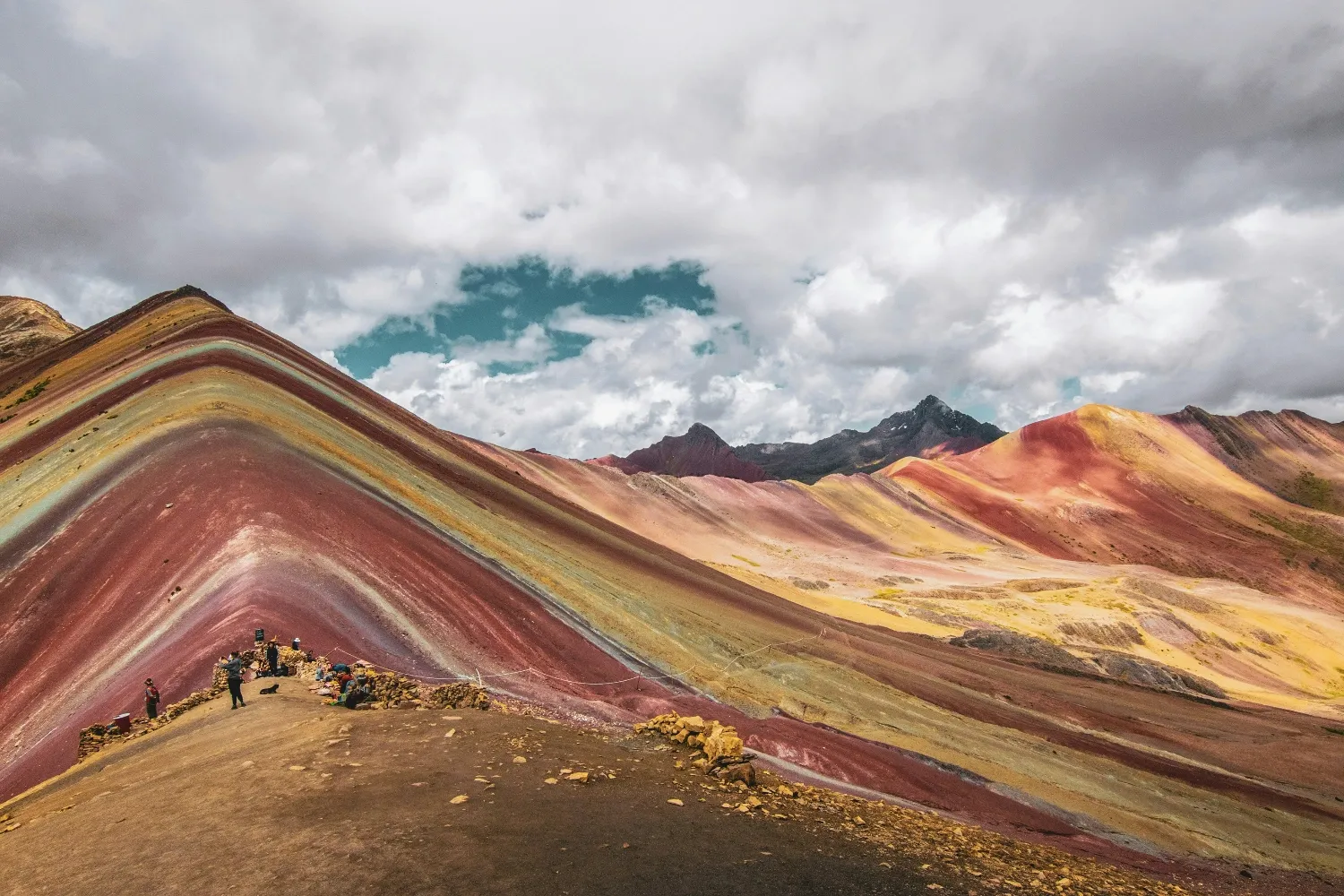
13. Peru Has a Rainbow Mountain
Vinicunca, or Rainbow Mountain, features dramatic natural turquoise, gold, lavender, and deep red stripes across its peaks.
Complex mineral sediments formed these colorful layers over millions of years under glaciers, which melted in 2015 to reveal the colors.
Exploring these geological wonders gives outdoor enthusiasts further South America, Peru facts to appreciate.
Read more: Breathtaking natural phenomena and unique volcanic geology create unforgettable travel destinations. Uncover fun facts about Hawaii to learn about its stunning landscapes and island culture. Read our blog👉 15 Fun Facts About Hawaii That Will Surprise First-Time Visitors
14. Peru Is South America's Gastronomic Capital
Among the unique facts about Peru, Lima is celebrated as the culinary capital of the continent, hosting several top-ranked global restaurants.
The national dish, ceviche, features fresh raw fish cured in citrus juice and spiced with native chili peppers. This rich culinary heritage highlights the country's global appeal.
15. Peru's Cotahuasi Canyon Is Over Twice as Deep as the Grand Canyon
Plunging to a depth of 11,597 feet, Cotahuasi Canyon is more than double the depth of Arizona's Grand Canyon. Learning about this canyon highlights interesting facts about Peru.
Carved by the Cotahuasi River near Arequipa, this remote gorge remains a paradise for kayakers and hikers, making it an ideal destination for exploring extreme landscapes.
Read more: Exploring South America’s dramatic landscapes offers endless adventure for curious travelers. Discover fun facts about Chile to plan your next journey through extreme mountain terrains. Read our blog👉 25 Amazing Fun Facts About Chile for Curious Travelers
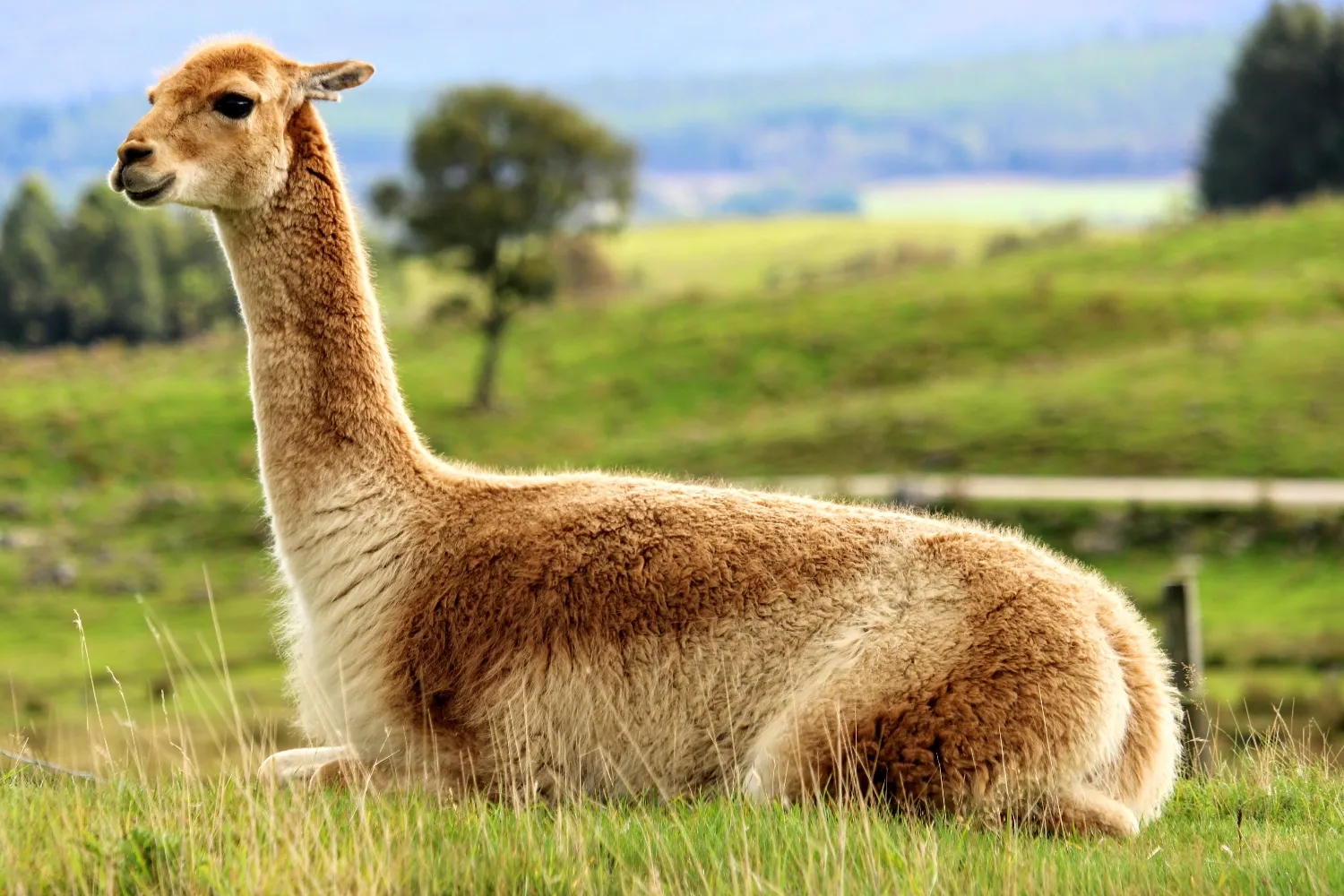
16. The Vicuña Is Peru's National Animal and Has the World's Most Expensive Wool
The vicuña, a wild relative of the alpaca, appears on the national coat of arms. Discovering how its fine undercoat produces the softest, rarest, and most expensive wool on earth provides another set of fun facts about Peru.
A single scarf made from this material can cost $1,495, showing why learning about these protected wild animals offers great insight into South American wildlife.
17. Peruvians Wear Yellow Underwear for Good Luck on New Year's
As midnight approaches on New Year's Eve, street markets fill with bright yellow undergarments.
This lively celebration highlights favorite fun facts in Peru, where local tradition holds that wearing yellow underwear inside out brings good luck and positive energy for the coming year.
Sharing festive holiday customs reveals a truly unique way to welcome the new season.
18. Peru Has Over 43 Indigenous Languages
While Spanish is widely spoken, the government officially recognizes 43 native tongues. Quechua, the ancient language of the Inca Empire, is actively spoken by over 8 million people today.
These diverse native dialects rank high among notably interesting Peruvian facts for history buffs.
Read more: Neighboring South American nations boast diverse ecosystems, historic towns, and warm hospitality. Read fun facts about Colombia to gather inspiration for your upcoming Latin adventure. Read our blog👉 Discover 20 Fun Facts about Colombia to Inspire Your Next Trip
19. The Spanish Built Their Churches on Top of Inca Temples
Following the conquest, Spanish settlers constructed colonial churches directly over dismantled Incan temple sites.
Workers built European walls directly on top of the expertly fitted stone bases rather than clearing the land, revealing interesting facts about Peru for travelers. Uncovering these architectural blends offers a unique perspective on this cultural collision.
20. Peru Is the Third Largest Producer of Gold in the World
Vast mineral wealth lies beneath the country's landscape, shaping the local economy and history. Modern mining operations extract nearly 162 tons of gold annually, alongside major global exports of silver, copper, and zinc.
Summarizing these economic milestones alongside historical traditions provides a full list of unusual facts about Peru.
Stay Connected on Your Peruvian Adventure with a Travel eSIM
Exploring unusual facts about Peru reveals incredible sights from Cusco to the Amazon.
When considering what Peru is best known for, staying connected is essential for booking Rainbow Mountain tours, accessing maps, and sharing Machu Picchu photos.
Choosing a Jetpac eSIM for Peru gives you instant data upon landing without replacing your physical SIM.
Comparing plan validity and network coverage helps you find the best eSIM for Peru. Installing a Jetpac Peru eSIM before departure allows you to stay connected in Peru effortlessly.
You also get free lounge passes during long flight delays and uninterrupted app access if your data runs low.

FAQs
What is Peru most known for?
Peru is best known for Machu Picchu, the Amazon Rainforest, ancient Inca history, rich biodiversity, and world-class cuisine like fresh ceviche. Exploring these famous landmarks reveals many unique facts about Peru.
What is the most unusual fact about Peru?
Wearing yellow underwear on New Year's Eve for good luck is a favorite custom. Another top entry among unusual facts about Peru includes the elongated Paracas skulls shaped by head binding.
What is the national animal of Peru?
The wild vicuña is the national animal. This small camelid relative of the alpaca produces the softest, rarest, and most expensive wool in the world, making it a standout creature.
Does Peru have pink dolphins?
Yes, unique pink river dolphins thrive in the Peruvian Amazon. Born grey, these friendly wild mammals gradually turn bright pink as they age, offering amazing sightings for travelers visiting the jungle.
What is the deepest canyon in Peru?
Cotahuasi Canyon holds that title, plunging to an astounding depth of 11,597 feet. Carved by the Cotahuasi River near Arequipa, it is more than double the depth of the Grand Canyon.
Is guinea pig eaten in Peru?
Yes, roasted guinea pig, known locally as cuy, is a traditional Andean delicacy. Seasoned with native herbs, it has served as an essential protein source during holiday feasts for thousands of years.
How many languages are spoken in Peru?
Spanish is the main official language, but the government recognizes over 43 native tongues. Quechua, the ancient language of the Incas, remains actively spoken by millions today, adding to fun facts in Peru.
What is the historical capital of Peru?
While coastal Lima serves as the modern official capital, Cusco is recognized as the historical capital. It served as the central heart and political seat of the expansive Inca Empire for centuries.
How many varieties of potatoes does Peru have?
As the original birthplace of the spud, Peru cultivates over 4,000 distinct potato varieties across the high Andes. These native crops grow in vibrant shades of yellow, purple, pink, and blue, generating great fun facts about Peru.
What is the highest navigable lake in the world?
Lake Titicaca holds the record as the world's highest navigable body of water at 12,507 feet above sea level. Its famous floating reed islands showcase fascinating interesting Peruvian facts for visitors.
Disclaimer
The information in this blog is based on travel data and local information available to the Jetpac team at the time of writing in 2026. Entry requirements, local rules, fees, and travel details are subject to change without notice. We recommend checking official government and tourism websites before travelling. Jetpac is not responsible for any changes or travel outcomes based on this content.
Get connected as soon as you land with a Jetpac travel eSIM.