
How Valentine’s Day in Japan Is Celebrated
Valentine’s Day in Japan is celebrated with women giving chocolates to men, followed by White Day one month later when gifts are returned. From honmei-choco to giri-choco, the tradition focuses on subtle emotions, balance, and thoughtful gestures.
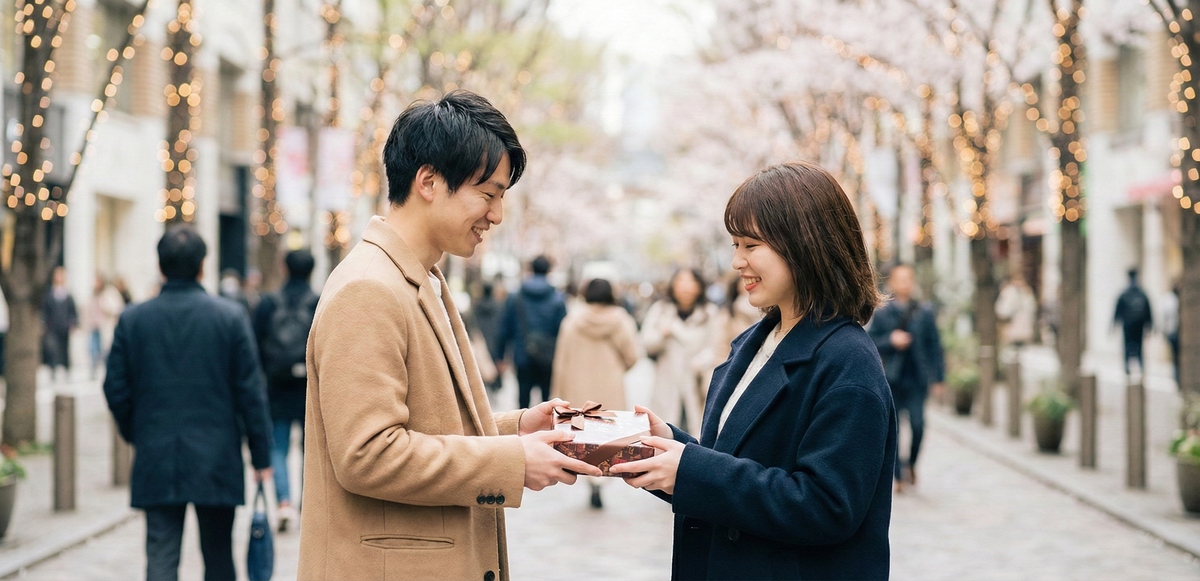
Valentine’s Day in Japan feels soft, thoughtful, and a little unexpected. Instead of grand gestures, it’s about quiet emotions, carefully chosen chocolates, and feelings expressed in small but meaningful ways. If you’ve ever wondered how love is shown during Valentine's Day in Japan, this tradition offers a beautiful contrast to what many of us are used to.
In this blog, we’ll walk through how Japanese Valentine’s Day really works, why Valentine's Day in Japan revolves around chocolate, and how Valentine's Day and White Day in Japan together create a unique two-part love story. Whether you’re curious about the culture or planning a trip, this is your warm, simple look at one of Japan’s most charming traditions. We’ll also share how using an eSIM for Japan can help you stay connected while exploring and celebrating.
How is Valentine’s Day celebrated in Japan?
Simply put: with chocolate, and lots of it. Valentine's Day in Japan flips the usual script. On February 14, women are the gift-givers, while men mostly receive. In Japanese Valentine’s Day culture, chocolates matter far more than cards, flowers, or jewelry.
As Valentine's Day in Japan approaches, department stores turn into chocolate wonderlands. Big cities host famous fairs like Salon du Chocolat, with shelves packed with Japanese and international brands. This festive buildup is a big part of Valentine's Day in Japan, and many people visit just to soak in the mood. Some women also treat themselves to premium sweets, known as jibun choco, making the day about self-love, too.
Beyond gifting, Valentine's Day in Japan is often tied to kokuhaku, a quiet confession of feelings. Giving honmei-choco to a crush or partner is a gentle way to say “you matter to me.” This tradition shaped how Valentine’s Day is celebrated in Japan today: thoughtful, symbolic, and emotionally subtle.
And it doesn’t end there. Valentine's Day and White Day in Japan go hand in hand. One month later, on White Day in Japan (March 14), men return the gesture with gifts. Together, Valentine's Day and White Day in Japan create a two-part exchange that makes love feel balanced and intentional.
Planning your itinerary next? Read our blog on Things to Do in Japan, which covers must-see spots and easy experiences to add to your plans.
Types of Valentine’s Day Chocolates in Japan
One of the most interesting parts of Valentine's Day in Japan is that chocolates are not all the same. In Japanese Valentine’s Day culture, the type of chocolate you give clearly shows the kind of relationship you share. Here’s a simple breakdown you’ll actually notice during Valentine's Day in Japan.
#1. Giri-choco (義理チョコ) – Obligation chocolate
This is the most common and least romantic type. Giri-choco is given to coworkers, bosses, classmates, or acquaintances as a polite “thank you.” It’s about maintaining harmony, not expressing love. During Valentine's Day in Japan, giri-choco is everywhere in offices and schools.
#2. Honmei-choco (本命チョコ) – True feelings chocolate
This is the emotional one. Honmei-choco is reserved for a romantic partner or crush and often costs more or is handmade. Giving honmei-choco is a quiet confession, which is a big reason why Valentine’s Day in Japan feels subtle but meaningful.
#3. Jibun-choco (自分チョコ) – Self chocolate
Self-love is part of modern Valentine's Day in Japan. Many women buy premium chocolates just for themselves, enjoying limited-edition treats without any pressure to give them away. Jibun-choco has become one of the fastest-growing Valentine trends.
#4. Tomo-choco (友チョコ) – Friend chocolate
Tomo-choco is shared between friends, especially among schoolgirls and young women. These chocolates are playful, cute, and often homemade. In Japanese Valentine’s Day, friendship is celebrated just as much as romance.
#5. Gyaku-choco (逆チョコ) – Reverse chocolate
This is when men give chocolates to women on February 14. It’s still rare, but it’s slowly gaining attention. Traditionally, men wait for White Day in Japan to return gifts, so gyaku-choco is seen as a sweet surprise rather than the norm.
Together, these categories explain how Valentine’s Day is celebrated in Japan in real life. And when paired with Valentine's Day and White Day in Japan, they create a thoughtful, two-step tradition that balances emotion, etiquette, and modern change.
Want a global view of love celebrations? Explore different Valentine’s Day traditions to see how Japan’s customs compare with the rest of the world.
White Day in Japan
If Valentine's Day in Japan is about women giving chocolates, White Day in Japan is the reply. Celebrated on March 14, exactly one month later, White Day is when men return the gesture with gifts for the women who gave them chocolates on Valentine’s Day. Together, Valentine's Day and White Day in Japan form a two-part tradition that keeps the exchange balanced and thoughtful.
White Day was introduced in the late 1970s by confectionery companies as an “answer day.” It even started as “Marshmallow Day” before becoming White Day in Japan, with white symbolizing purity and sweetness. Over time, it became an established part of Japanese Valentine’s Day culture rather than just a marketing idea.
On White Day in Japan, men are expected to give something back, often more than what they received. A common idea called sanbai gaeshi suggests returning a gift worth two to three times the original value. That might mean nicer chocolates, cookies, marshmallows, or non-food gifts like scarves, jewelry, or flowers. Many couples now treat Valentine's Day and White Day in Japan as a pair: chocolates in February, then a planned gift or date in March.
At work, even giri-choco usually gets a polite response. Men often hand out small sweets to female colleagues to keep social balance. Not returning anything on White Day in Japan is generally seen as poor manners, which is why the day still matters, even outside romantic relationships.
Traveling alone during the season? Don't worry, our solo travel Japan guide shares tips to enjoy the country confidently and comfortably.
Recent changes in the tradition
While Valentine's Day is celebrated in Japan, White Day is still widely known; attitudes have shifted. Many women have pushed back against the pressure of giving giri-choco to coworkers. Some companies have even banned office chocolate exchanges, calling them unnecessary or uncomfortable. As a result, more women now focus on honmei-choco, tomo-choco, or jibun-choco instead.
Still choosing a romantic destination? We have curated the 12 best places to go for Valentine's Day with other memorable options around the world.
These changes also shaped Valentine's Day in Japan after the pandemic, when remote work reduced office gifting. Even so, the emotional core remains. Couples still enjoy using Valentine's Day and White Day in Japan as moments to express feelings, just in a more personal and intentional way.
Travel tip: If you’re visiting Japan around this time, don’t be surprised to see the seasonal hype – and be sure to try some of the special edition chocolates!
Staying Connected in Japan with an eSIM
Exploring Japan during Valentine’s season is much easier when your phone just works. From finding chocolate fairs to navigating trains and sharing moments in real time, having data matters. That’s where an eSIM for Japan comes in. Instead of swapping physical SIM cards, a Japan eSIM lets you get connected the moment you land.
Jetpac is a popular option if you’re looking for the best eSIM for Japan, especially for short trips or multi-country travel. It’s built for travelers who want simplicity and reliability.
Setting up an eSIM Japan plan is simple. Buy online, scan the QR code, and you’re ready. If your phone supports dual SIM, you can keep your home number active for messages while using a Japan eSIM for data. For travelers who want convenience without hassle, Jetpac is often considered among the best eSIM options for Japan.
FAQs
Is Valentine’s Day for women in Japan?
Yes. On Valentine's Day in Japan, women usually give chocolates to men on February 14. This includes partners, coworkers, and friends. Men mostly receive gifts on this day and return the gesture later during White Day in Japan. A few men give gyaku-choco on Valentine’s Day, but it’s still uncommon.
What is White Day in Japan?
White Day in Japan is celebrated on March 14, one month after Valentine’s Day. It’s when men give return gifts to women who gave them chocolates earlier. Together, Valentine's Day and White Day in Japan form a two-step tradition of giving and returning affection, usually through sweets or small gifts.
When is White Day in Japan?
White Day is always on March 14, exactly one month after Valentine’s Day on February 14. On this day, shops once again fill with chocolates and gifts, this time aimed at men shopping for return presents.
Do men give gifts on Valentine’s Day in Japan?
Traditionally, no. In Japanese Valentine’s Day culture, men receive chocolates on February 14 and wait until White Day in Japan to give gifts in return. Some men now give small surprises on Valentine’s Day, but the standard expectation is still to give gifts on White Day.
Why do Japanese women give chocolate on Valentine’s Day?
This tradition began in the 1950s through chocolate marketing campaigns. Giving chocolate became a socially comfortable way for women to express affection or gratitude. Over time, this shaped how Valentine’s Day is celebrated in Japan, making chocolate the main symbol of love and appreciation.
What is the best eSIM for Japan?
If you’re visiting during Valentine's Day in Japan, an eSIM is an easy way to stay connected. The best eSIM for Japan depends on your trip length and data needs, but most options are affordable and easy to activate. With an eSIM for Japan, you can scan a QR code, connect instantly, and use maps, messaging, and travel apps without swapping a physical SIM.
Disclaimer
This blog is provided for educational and informational purposes only and does not constitute legal, travel, cultural, or professional advice. Traditions, events, pricing, availability, and services mentioned, including eSIM features, may change without notice. Readers should independently verify current information, local regulations, and device compatibility before making travel or purchasing decisions. Jetpac is not responsible for any decisions, actions, losses, or damages arising from the use of this information.