15 Warm European Countries in January 2027 to Escape the Cold
Spain, Portugal, Cyprus, and Malta lead the warmest European countries in January, offering sunny coastal hikes and crowd-free cities. Expect 15°C to 21°C highs, cool nights, chilly seas, and occasional rain. Pack warm layers and book near major hubs to navigate reduced winter schedules.

Spain, Portugal, Cyprus, and Malta top the list of warm European countries in January. Daytime highs reach 16°C to 22°C (61°F to 72°F) in spots like the Canary Islands and Madeira, bringing bright sunshine, cool nights, and occasional winter rain.
When choosing where in Europe to go in January, expect mild days rather than hot weather. Ocean temperatures stay too chilly for regular swimming, yet these warm European places in January are ideal for city sightseeing, coastal hikes, and relaxed winter-sun escapes.
From sunny Mediterranean islands to historic cities and southern coasts, 15 European countries offer an easy break from the cold.

Warm European Destinations in January at a Glance
Warmest Places in Europe in January: Weather & Sea Temps
| Destination (Warmest Hub) | Country | Average Daytime High | Average Nighttime Low | Rainfall / Rainy Days | Average Sea Temp | Best For |
|---|---|---|---|---|---|---|
| Tenerife (Canary Islands) | Spain | 21°C / 70°F | 15°C / 59°F | 24 mm / 4 days | 20°C / 68°F | Beach & Winter Sun |
| Funchal (Madeira) | Portugal | 19°C / 66°F | 14°C / 57°F | 74 mm / 9 days | 19°C / 66°F | Nature & Coastal Hikes |
| Paphos | Cyprus | 17°C / 63°F | 9°C / 48°F | 80 mm / 9 days | 18°C / 64°F | Ruins & Coastal Walks |
| Valletta | Malta | 16°C / 61°F | 10°C / 50°F | 89 mm / 10 days | 16°C / 61°F | Historic City & Culture |
| Gibraltar | Gibraltar | 16°C / 61°F | 11°C / 52°F | 98 mm / 8 days | 16°C / 61°F | Sightseeing & Wildlife |
| Heraklion (Crete) | Greece | 15°C / 59°F | 9°C / 48°F | 91 mm / 11 days | 16°C / 61°F | Ancient Sites & Food |
| Palermo (Sicily) | Italy | 15°C / 59°F | 10°C / 50°F | 72 mm / 10 days | 15°C / 59°F | Culture & Street Food |
| Antalya | Turkey | 15°C / 59°F | 6°C / 43°F | 210 mm / 10 days | 17°C / 63°F | Coastal Resorts & Ruins |
| Nice (French Riviera) | France | 13°C / 55°F | 5°C / 41°F | 69 mm / 6 days | 14°C / 57°F | City Strolls & Art |
| Monte Carlo | Monaco | 13°C / 55°F | 8°C / 46°F | 68 mm / 6 days | 14°C / 57°F | Luxury City Break |
| Dubrovnik | Croatia | 12°C / 54°F | 6°C / 43°F | 98 mm / 9 days | 14°C / 57°F | Crowd-Free Old Town |
| Budva | Montenegro | 12°C / 54°F | 4°C / 39°F | 145 mm / 11 days | 14°C / 57°F | Scenic Bay & Coastline |
| Sarandë (Albanian Riviera) | Albania | 12°C / 54°F | 5°C / 41°F | 125 mm / 10 days | 15°C / 59°F | Budget Coastal Escape |
| Piran | Slovenia | 9°C / 48°F | 2°C / 36°F | 58 mm / 7 days | 11°C / 52°F | Quiet Adriatic Charm |
| Varna | Bulgaria | 7°C / 45°F | 0°C / 32°F | 42 mm / 6 days | 8°C / 46°F | Budget Spa & Culture |
Warmest Places to Visit in Europe in January
#1. Tenerife, Spain - Best for Beach & Winter Sun
Looking for the hottest place in Europe in January? Tenerife gives you real beach weather, sunny skies, and warm afternoons while mainland Europe deals with freezing winter temperatures.
- Average weather: 21°C (70°F) high, 15°C (59°F) low, 24 mm rain over 4 days.
- Best things to do: Relax on Playa de las Teresitas, hike Mount Teide, and whale watch.
- What to expect: Bright daily sun, rare brief showers, 20°C (68°F) ocean water, and busy resorts.
- Practical tip: Stay in southern Costa Adeje for the driest, sunniest weather on the island.
#2. Funchal, Portugal - Best for Nature & Coastal Hikes
Among warm destinations in January in Europe, Funchal stands out for green mountain scenery, mild ocean air, and quiet hiking trails without summer heat or heavy tourist crowds.
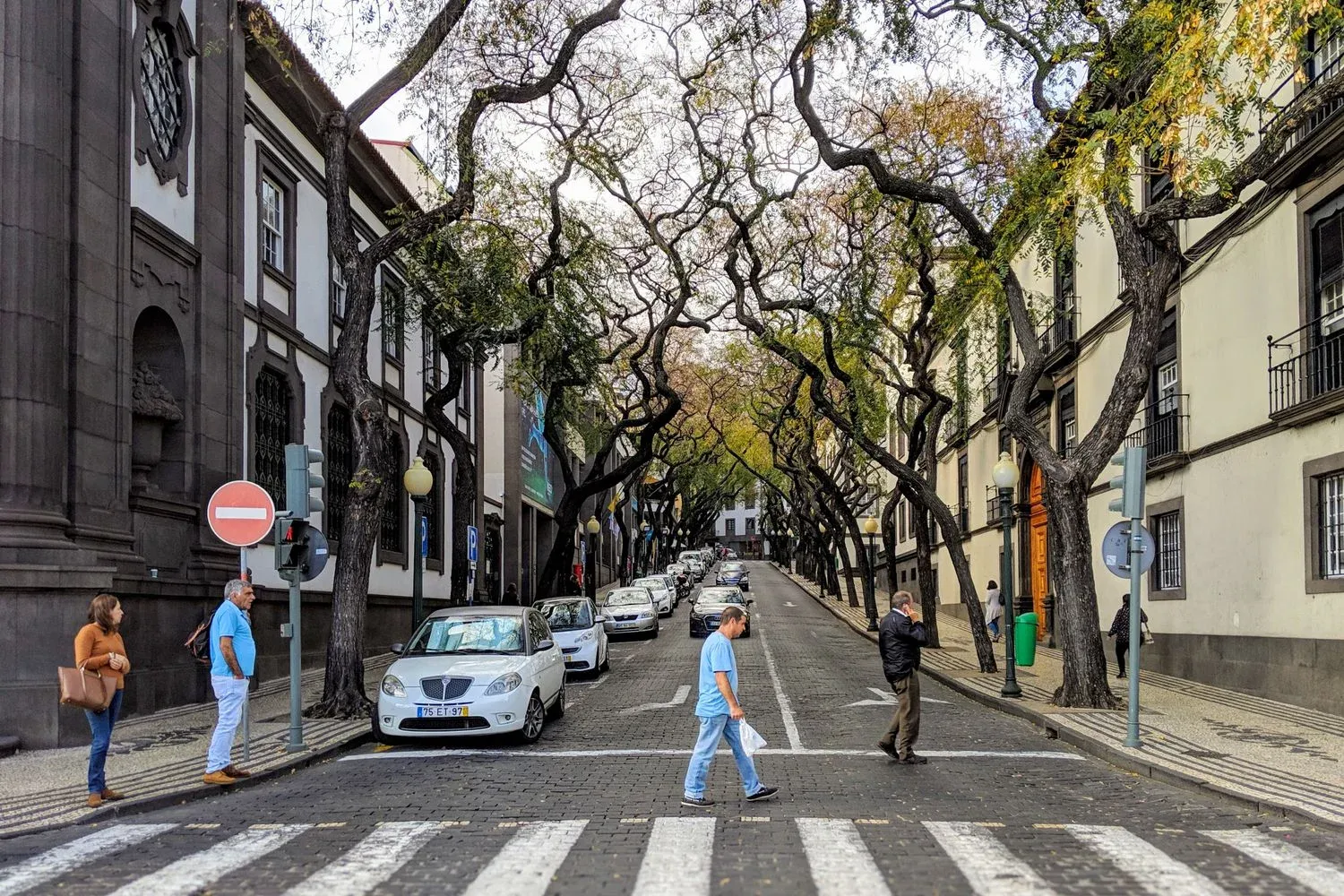
- Average weather: 19°C (66°F) high, 14°C (57°F) low, 74 mm rain over 9 days.
- Best things to do: Walk levada trails, ride the Monte cable car, and visit Farmers' Market.
- What to expect: Pleasant afternoons, passing mountain rain, 19°C (66°F) sea water, and calm crowds.
- Practical tip: Pack waterproof walking shoes since mountain trails stay damp after brief showers.
#3. Paphos, Cyprus - Best for Ruins & Coastal Walks
Cyprus leads warm European countries in January for dry afternoon sun, letting you walk coastal paths and tour ancient ruins in a light shirt while paying low winter rates.
- Average weather: 17°C (63°F) high, 9°C (48°F) low, 80 mm rain over 9 days.
- Best things to do: Tour Tombs of the Kings, stroll Paphos Harbor, and see Aphrodite's Rock.
- What to expect: Six daily sun hours, occasional showers, 18°C (64°F) water, and quiet streets.
- Practical tip: Rent a car to explore nearby Troodos mountain villages at your own pace.
#4. Valletta, Malta - Best for Historic City & Culture
Valletta offers sunny harbor views, walkable limestone streets, and open-air cafés without the sticky heat and cruise ship crowds that pack the island during summer.
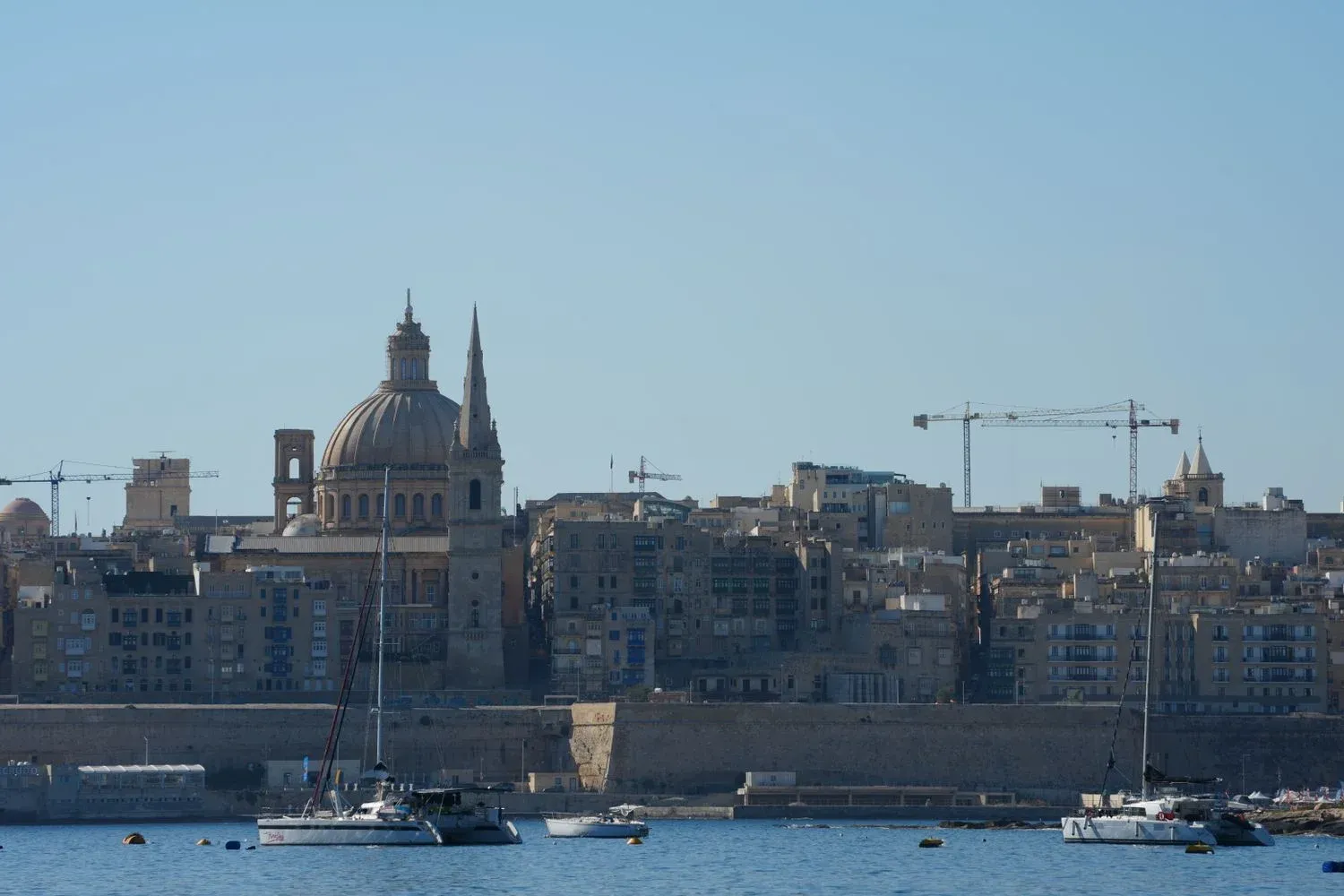
- Average weather: 16°C (61°F) high, 10°C (50°F) low, 89 mm rain over 10 days.
- Best things to do: Visit St. John's Co-Cathedral, walk Upper Barrakka Gardens, and ferry to Gozo.
- What to expect: Sunny spells, brisk sea breezes, 16°C (61°F) water, and short museum lines.
- Practical tip: Pick Valletta if you want the warmest city in Europe in January for sightseeing.
Read more: Want guaranteed tropical heat instead of mild winter sun? Explore the warmest global spots to visit midwinter. Read our blog 👉 Where is Hot in January?
#5. Gibraltar, Gibraltar - Best for Sightseeing & Wildlife
Sitting at Spain's southern tip, Gibraltar brings mild coastal air, clear views across to Morocco, and easy English-speaking logistics for a quick winter weekend break.
- Average weather: 16°C (61°F) high, 11°C (52°F) low, 98 mm rain over 8 days.
- Best things to do: Ride the Rock cable car, see Barbary macaques, and tour St. Michael's Cave.
- What to expect: Comfortable walking temperatures, gusty Strait winds, 16°C (61°F) sea, and light crowds.
- Practical tip: Bring a windbreaker for the summit when visiting warm places in Europe in January.
#6. Heraklion, Greece - Best for Ancient Sites & Food
Southern Crete stays milder than the Greek mainland, making Greece one of the warmest European countries in January for touring ancient palaces and eating at local tavernas.
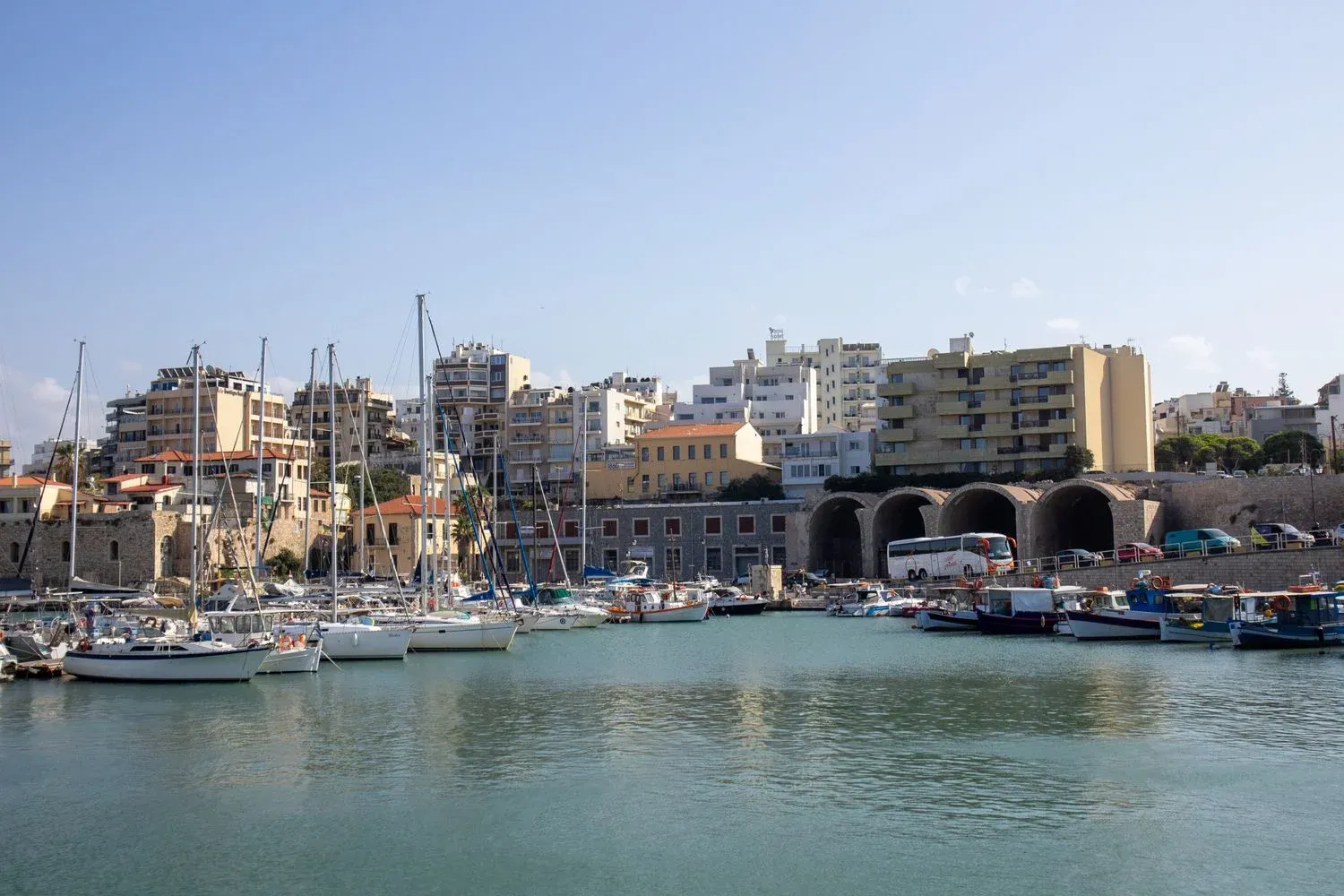
- Average weather: 15°C (59°F) high, 9°C (48°F) low, 91 mm rain over 11 days.
- Best things to do: Explore Knossos Palace, visit Heraklion Archaeological Museum, and walk Venetian Harbor.
- What to expect: Crisp sunny mornings, wet spells, 16°C (61°F) sea water, and closed beach towns.
- Practical tip: Base yourself in Heraklion or Chania because smaller coastal resorts close for winter.
#7. Palermo, Italy - Best for Culture & Street Food
Palermo keeps its year-round local energy in winter, giving you sunny midday squares, busy street food markets, and mild walking weather without summer heat.
- Average weather: 15°C (59°F) high, 10°C (50°F) low, 72 mm rain over 10 days.
- Best things to do: Eat at Ballarò Market, tour Palermo Cathedral, and visit Monreale.
- What to expect: Bright afternoon sun, chilly damp nights, 15°C (59°F) water, and zero queues.
- Practical tip: Add Palermo to your list of best European cities to visit in January for food.
#8. Antalya, Turkey - Best for Coastal Resorts & Ruins
Sheltered by the Taurus Mountains, Antalya stays sunny along the Turkish Riviera and pairs low winter resort prices with empty Roman ruins.
- Average weather: 15°C (59°F) high, 6°C (43°F) low, 210 mm rain over 10 days.
- Best things to do: Walk Kaleiçi Old Town, see Düden Waterfalls, and tour Aspendos Theater.
- What to expect: Clear sunny days, heavy winter rainstorms, 17°C (63°F) sea, and peaceful sites.
- Practical tip: Book a hotel with a heated indoor pool among warm destinations in January in Europe.
#9. Nice, France - Best for City Strolls & Art
If you want warm places to visit in January on the mainland, Nice gives you crisp blue skies, seaside promenade walks, and sunny café terraces on the French Riviera.
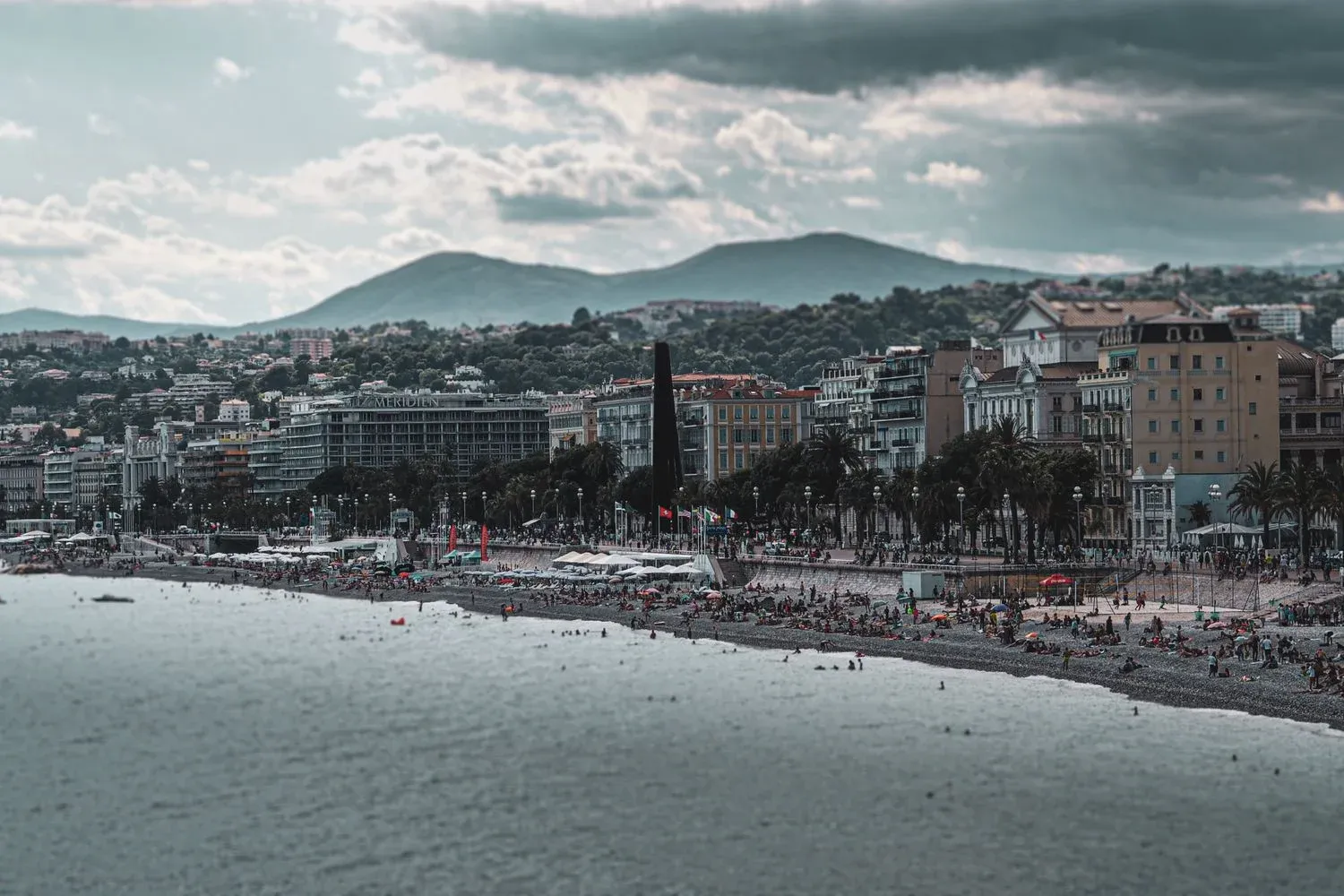
- Average weather: 13°C (55°F) high, 5°C (41°F) low, 69 mm rain over 6 days.
- Best things to do: Stroll Promenade des Anglais, visit Matisse Museum, and browse Cours Saleya market.
- What to expect: Dry sunny afternoons, cold evenings, 14°C (57°F) water, and calm museum galleries.
- Practical tip: Dress in layers so you can remove your coat during sunny midday walks.
#10. Monte Carlo, Monaco - Best for Luxury City Break
Monaco enjoys the same sheltered Riviera sunshine as Nice, letting you tour grand casinos, harbor yachts, and cliffside gardens in mild afternoon weather.
- Average weather: 13°C (55°F) high, 8°C (46°F) low, 68 mm rain over 6 days.
- Best things to do: See Monte Carlo Casino, visit Prince's Palace, and tour the Oceanographic Museum.
- What to expect: Crisp sunshine, low rainfall, 14°C (57°F) sea temperatures, and quiet harbor walkways.
- Practical tip: Stay in nearby Nice and take the 20-minute train to save on hotels.
Read more: Traveling next month instead? Discover top European destinations for mild February weather and low crowds. Read our blog 👉 Best Places to go in February in Europe for Trips
#11. Dubrovnik, Croatia - Best for Crowd-Free Old Town
Dubrovnik trades its famous summer bottlenecks for peaceful limestone alleys, mild afternoon sun, and affordable boutique hotels along the Adriatic coast.
- Average weather: 12°C (54°F) high, 6°C (43°F) low, 98 mm rain over 9 days.
- Best things to do: Walk Dubrovnik City Walls, stroll Stradun, and take the Mount Srđ cable car.
- What to expect: Sunny dry breaks, rainy spells, 14°C (57°F) water, and some closed seasonal restaurants.
- Practical tip: Check opening hours ahead when visiting warm European countries in January off-season.
#12. Budva, Montenegro - Best for Scenic Bay & Coastline
Few warm destinations in January in Europe match Budva for dramatic coastal mountains, quiet medieval walls, and budget-friendly winter stays along the Adriatic.
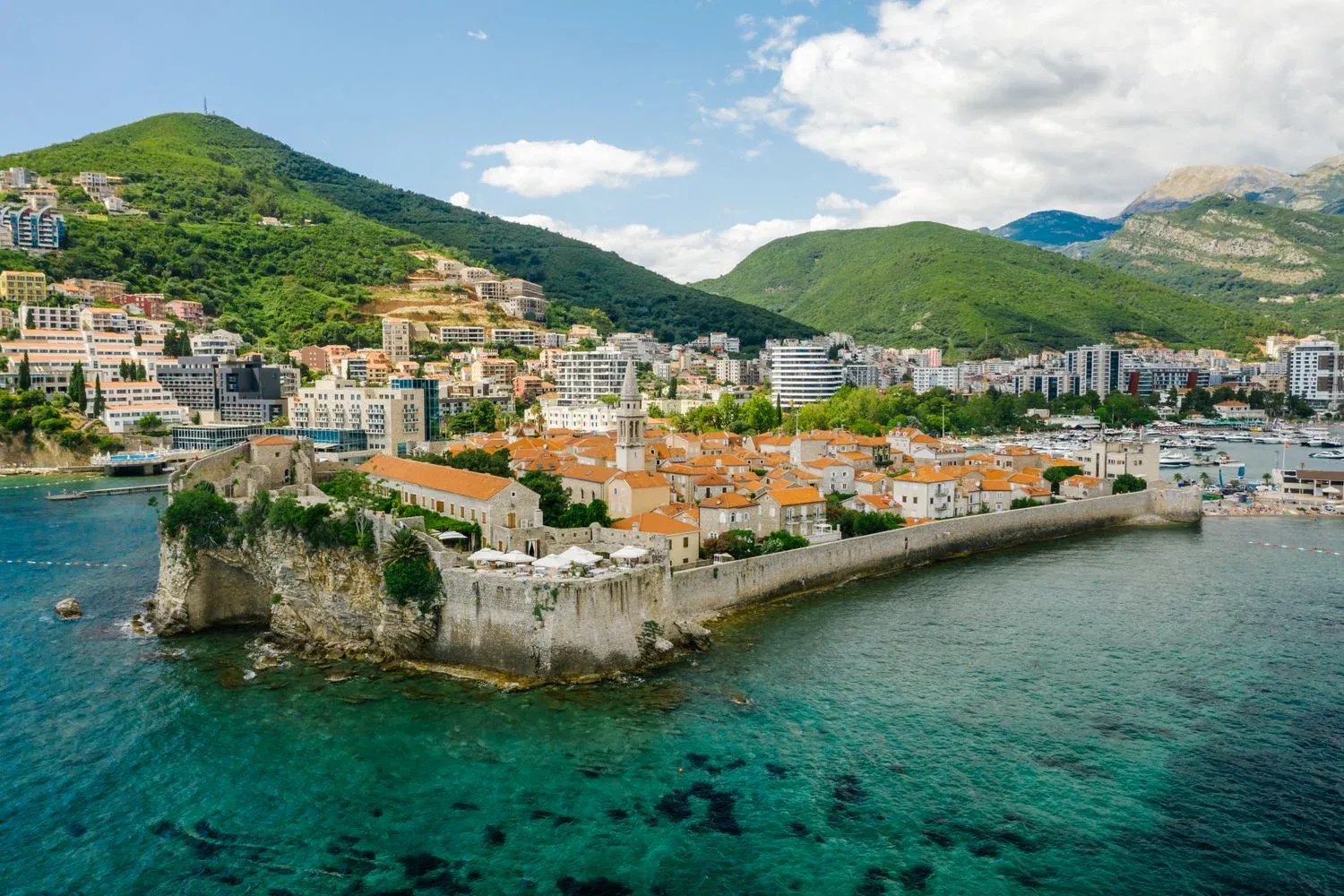
- Average weather: 12°C (54°F) high, 4°C (39°F) low, 145 mm rain over 11 days.
- Best things to do: Explore Budva Old Town, walk to Mogren Beach, and drive to Kotor Bay.
- What to expect: Mild afternoons, frequent winter rain, 14°C (57°F) sea water, and very few tourists.
- Practical tip: Keep indoor museum or café plans ready for rainy coastal afternoons.
#13. Sarandë, Albania - Best for Budget Coastal Escape
Sarandë sits right across from Corfu and offers mild Ionian sea air, sunny waterfront walks, and some of the lowest winter travel costs in southern Europe.
- Average weather: 12°C (54°F) high, 5°C (41°F) low, 125 mm rain over 10 days.
- Best things to do: Walk Sarandë Promenade, tour Butrint ruins, and visit Blue Eye spring.
- What to expect: Pleasant daytime sun, wet spells, 15°C (59°F) water, and quiet beachfront streets.
- Practical tip: Choose Sarandë if you want cheap places to visit in January by the sea.
#14. Piran, Slovenia - Best for Quiet Adriatic Charm
Tucked onto Slovenia's short Adriatic coast, Piran stays noticeably milder than inland cities and rewards winter visitors with empty Venetian squares and sea views.
- Average weather: 9°C (48°F) high, 2°C (36°F) low, 58 mm rain over 7 days.
- Best things to do: Climb St. George's Bell Tower, walk Tartini Square, and stroll the seafront.
- What to expect: Crisp air, chilly mornings, 11°C (52°F) sea water, and peaceful local cafés.
- Practical tip: Pack a warm coat and scarf for windy evenings along the peninsula.
#15. Varna, Bulgaria - Best for Budget Spa & Culture
While cooler than the Mediterranean, Bulgaria's Black Sea coast stays milder than inland cities and pairs quiet beach walks with affordable thermal mineral spas.
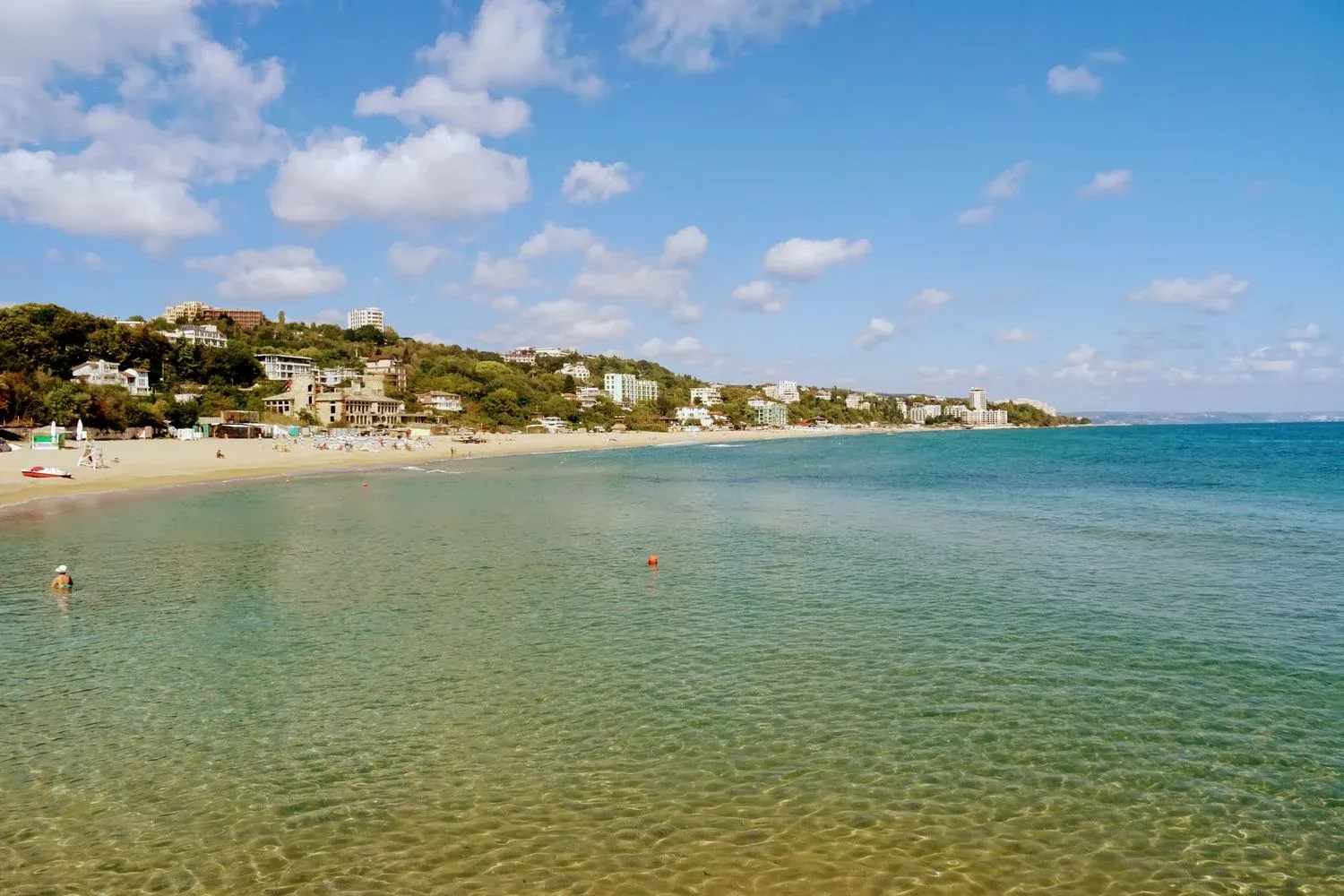
- Average weather: 7°C (45°F) high, 0°C (32°F) low, 42 mm rain over 6 days.
- Best things to do: Walk the Sea Garden, tour Roman Thermae, and relax in thermal baths.
- What to expect: Crisp dry days, freezing nights, 8°C (46°F) sea water, and low winter prices.
- Practical tip: Book a hotel with natural hot spring pools to stay warm after sightseeing.
What Can You Expect from the Weather in Europe in January?
Average Daytime and Nighttime Temperatures
Afternoon highs in southern hubs reach 15°C to 21°C (59°F to 70°F) for comfortable midday walks, then drop 6°C to 9°C after sunset, requiring a warm jacket in cities like Antalya and Nice.
Spain and Portugal lead the warmest European countries in January, with Tenerife and Funchal holding steady overnight lows of 14°C to 15°C (57°F to 59°F).
Sunshine Hours and Rainfall
Most southern hubs average 5 to 7 daily sunshine hours and 6 to 11 rainy days. If you want to know where in Europe it is warm in January with dry skies, Tenerife gets just 24 mm of rain over 4 days, while Antalya receives 210 mm, and Budva, Sarandë, and Gibraltar see brisk winds and winter showers.
Sea Temperatures and Beach Conditions
Sea temperatures sit between 14°C and 20°C (57°F and 68°F) in the Mediterranean and Atlantic, dropping to 8°C (46°F) in Varna.
Water stays too cold for regular swimming except in Tenerife, the hottest place in Europe in January at 20°C (68°F), while Atlantic swells rise and sunny 18°C Mediterranean beaches rank among the best places to travel in Europe in January for dry lounging rather than swimming.
Read more: Flexible on your travel dates? Compare the best warm-weather escapes worldwide for February. Read our blog 👉 Warm Places to Travel in February
What to Pack for Europe in January
Use this simple Europe packing list to stay comfortable across sunny afternoons, cool evenings, and passing winter showers.
- Breathable shirts and light pants for warm European countries in January.
- Sweaters or light jackets for chilly evenings after sunset.
- Sturdy, broken-in walking shoes for cobblestone streets and coastal trails.
- Compact umbrella or waterproof shell for passing Mediterranean rain showers.
- High-SPF sunscreen, sunglasses, and a sun hat for bright afternoons.
- Swimwear for Tenerife beaches or heated hotel pools in Antalya.
- Warm fleece layers for windy cliffs or Mount Teide excursions.
Read more: Waiting for early spring? Check out the best European countries to visit in March with weather and cost tips. Read our blog 👉 Best Countries to Visit in Europe in March (Weather, Costs & Travel Tips)
8 Tips for Planning a Trip to Europe in January
Keep these practical travel tips for Europe in mind before booking your midwinter trip.
- Compare regional weather because southern islands stay much warmer than mainland coasts.
- Check nighttime lows since 16°C afternoons in Antalya or Nice drop sharply after sunset.
- Verify sea temperatures and book heated pools if daily swimming matters to you.
- Confirm winter schedules because small coastal towns in Crete and Croatia reduce ferry routes.
- Book near main hubs like Valletta or Palermo so restaurants and transit stay open.
- Check forecasts before packing to prepare for shifting winter showers along the coast.
- Plan around local holidays like Epiphany on January 6 when shops close across Spain.
- Save indoor backups like local museums and covered food halls for rainy afternoons.
Read more: Mapping out a multi-stop route? Get complete breakdowns on European destinations, budgets, and transport. Read our blog 👉 Europe Travel Guide: Places, Costs, Transport and More
Stay Connected While Exploring Europe with Jetpac
Winter trips across southern Europe require reliable data to navigate local transit, check weather shifts, and verify seasonal attraction hours. Having an active Europe eSIM also helps you message travel companions and coordinate directly with accommodation providers.
Installing a regional Jetpac eSIM for Europe keeps you online across multiple countries on a single digital profile. Plans start as low as $2, delivering fast 5G speeds alongside in-app voice calling across 50+ countries without relying on expensive home carrier roaming.
When compared to rigid international passes, Jetpac stands out as the best eSIM for Europe travel for multi-stop winter itineraries. Simply verify your device compatibility and destination coverage before purchasing.
Read more: Pair your eSIM with essential digital tools for navigation, translation, and trip planning. Read our blog 👉 Best Travel Apps: Top Picks for Planning & Exploring
FAQs
Where is the hottest place in Europe in January?
Tenerife in Spain's Canary Islands is the hottest spot, with daytime highs reaching 21°C (70°F) and 20°C (68°F) ocean water.
Which European destinations are warm enough for a beach holiday in January?
Only Tenerife offers genuine beach and swimming weather at 21°C (70°F), while Funchal and Paphos work best for dry sunbathing rather than swimming.
Which European destinations are warm but not too hot in January?
Paphos, Valletta, Gibraltar, Heraklion, and Palermo offer mild 15°C to 17°C (59°F to 63°F) afternoons, making them the best European cities to visit in January without summer heat.
Where is the warmest part of Europe in January?
The far southern islands and Mediterranean coast are warmest, led by Tenerife, Funchal, Paphos, and Valletta, which is the warmest city in Europe in January on the Mediterranean.
Where is hot in January and cheap?
Europe has no hot budget spots in January, though Sarandë, Budva, Antalya, and Varna offer mild daytime sun and low winter hotel rates.
Is January a good time to visit Europe?
Yes, January is great if you want lower flight prices, quiet sightseeing, and mild sunshine across warm destinations in January in Europe without summer crowds.
Disclaimer
The information in this blog is based on travel data, historical weather averages, and destination details available to the Jetpac team at the time of writing. Specific details such as weather conditions, seasonal schedules, local operating hours, and pricing are subject to change without notice. We recommend verifying all practical details directly with official websites before travelling. Jetpac is not responsible for any changes or outcomes post-publication.
Get connected as soon as you land with a Jetpac travel eSIM.