What Is GSM and Why Does It Matter When Traveling Abroad?
GSM stands for Global System for Mobile Communications, a 2G standard that helped make SIM cards and international roaming widespread. Today, travelers should check that their phone is unlocked and supports local LTE or 5G bands, carrier requirements, and VoLTE for calls. GSM alone is not enough.

GSM (Global System for Mobile Communications) is a 2G cellular standard that helped make SIM-based mobile connectivity and international roaming widely available.
Although modern smartphones mainly use 4G LTE and 5G, GSM remains relevant when checking older phone specifications and carrier compatibility.
Understanding "what is GSM" helps travelers make sense of mobile network terminology before going abroad. This blog explains how GSM works, how it differs from CDMA, and what to check to keep your phone connected internationally.
What Is GSM?
GSM stands for Global System for Mobile Communications, a second-generation (2G) cellular standard developed for digital voice calls, SMS, and basic mobile data.
The original GSM meaning came from Groupe Spécial Mobile, a European telecommunications group established in 1982. The first GSM call took place in Finland in 1991, followed by the first international GSM roaming agreement in 1992.
GSM became widely adopted because it standardized mobile communication across countries and operators. Its removable SIM cards also made transferring a subscription between compatible phones easier.
Today, the term GSM phone is sometimes used loosely to describe SIM-based mobile GSM phones, even though most current smartphones primarily connect through LTE and 5G.
Read more: Moving a SIM transfers your mobile subscription, but what else moves with it? Find out in What Is Stored on a SIM Card? Everything You Need to Know.
How Does GSM Work?
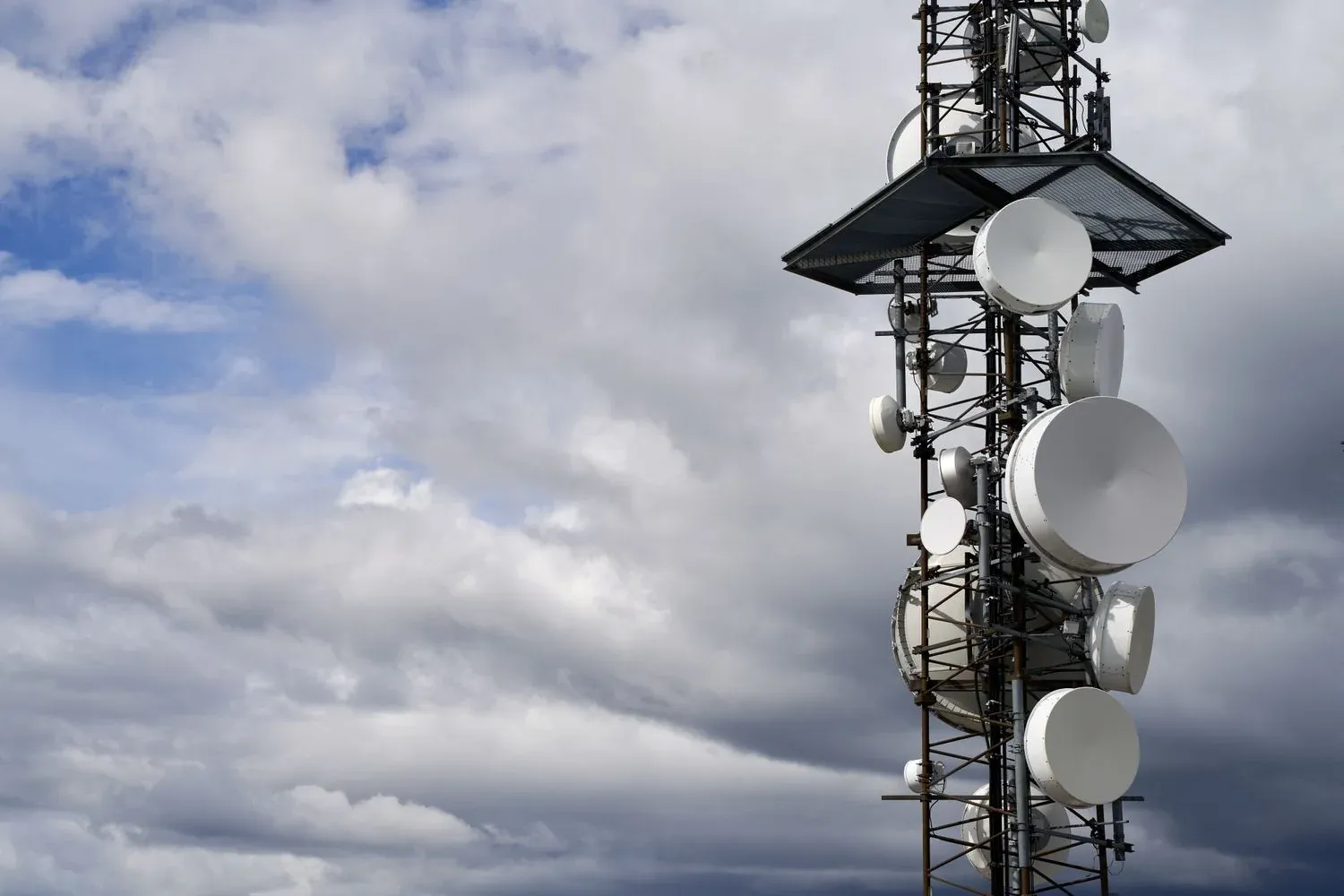
A GSM network connects your phone to a mobile carrier through five basic steps:
- Your phone connects to a nearby cellular tower.
- The SIM identifies your mobile subscription.
- The network authenticates the subscriber using secure credentials.
- Calls, text messages, and data travel through the carrier's network.
- Your phone maintains service by switching between coverage areas as you move.
GSM authentication uses a secret key stored securely on the SIM without sending the key itself over the air.
Modern LTE and 5G networks use a similar overall connection process but have different radio technologies and more advanced authentication methods.
Read more: Network authentication and message privacy are separate topics; for protecting your conversations, read How to Encrypt iMessage and Keep Your Messages More Secure.
GSM vs. CDMA: What's the Difference?
GSM and CDMA were competing cellular technologies used by mobile operators. In the US, AT&T and T-Mobile historically operated GSM networks, while Verizon and Sprint primarily used CDMA-based systems.
These were among the best-known GSM cell phone companies and CDMA operators before the industry's transition to LTE and 5G.
Historically, GSM carriers offered greater flexibility when moving a SIM between compatible phones. CDMA operators often tied service more closely to individual devices.
That distinction has largely disappeared. T-Mobile retired Sprint's CDMA network in 2022, while Verizon completed its legacy CDMA shutdown by January 2023.
For international travel, your phone's LTE and 5G compatibility now matters more than whether it was originally classified as GSM or CDMA.
Is GSM Still Used Today?
Yes, but traditional GSM is gradually being phased out as carriers replace older networks with 4G LTE and 5G.
In the US, AT&T ended its 2G service in 2017, and T-Mobile retired its 2G GSM network on August 3, 2026. Major US mobile operators now rely on newer network technologies.
Elsewhere, the situation varies. TeleGeography reported in 2025 that 19 countries had completed their 2G shutdowns, including Japan, Australia, Singapore, Canada, and Switzerland.
Some countries still operate 2G services. For example, Virgin Media O2 in the UK plans to begin retiring its 2G network in summer 2029, although its 2G service is already unavailable for international roaming.
This means GSM network availability differs by country and carrier. A phone that works on an older network in one destination might not connect in another.
For travelers, a GSM-compatible label alone does not guarantee modern international connectivity.
Why Does GSM Matter When Traveling Abroad?
GSM helped establish the SIM-based mobile services that still influence how travelers connect to networks abroad.
Its practical advantages include:
- SIM and eSIM flexibility: Compatible, unlocked phones can use different mobile plans without replacing the handset.
- Local carriers: Many GSM carriers and their modern successor networks offer prepaid SIMs or eSIMs for visitors.
- International roaming: Home carriers can connect customers to supported partner networks abroad, subject to plan terms and charges.
- Phone compatibility: Devices need to support the network technologies and frequency bands used at their destination.
- Network availability: Former GSM cell phone companies now primarily offer LTE and 5G services, while older-network support varies.
- Unlocked devices: An unlocked phone provides more flexibility when choosing local and travel connectivity options.
So, "what is a GSM provider" in practical travel terms? The phrase traditionally refers to an operator using GSM technology, but today it is sometimes used more loosely for carriers offering SIM-based mobile service.
The important point is that GSM compatibility alone doesn't guarantee your phone will work abroad.
Will a GSM Phone Work in Another Country?
A GSM phone may work internationally, but three factors determine compatibility.
- Unlocked status: Your phone must be carrier-unlocked to use a SIM or eSIM from another provider.
- Network bands: The phone must support the LTE or 5G frequencies used by the destination carrier.
- Carrier support: The local network must accept your device and support the services it needs, including compatible VoLTE for regular voice calls where older networks have shut down.
For example, a phone might support LTE but lack the bands needed for good coverage on a particular carrier. Another device might support mobile data but have trouble making regular calls because its VoLTE implementation isn't supported.
Before travelling, check your phone's exact model, supported bands, and carrier requirements rather than relying only on the GSM label.
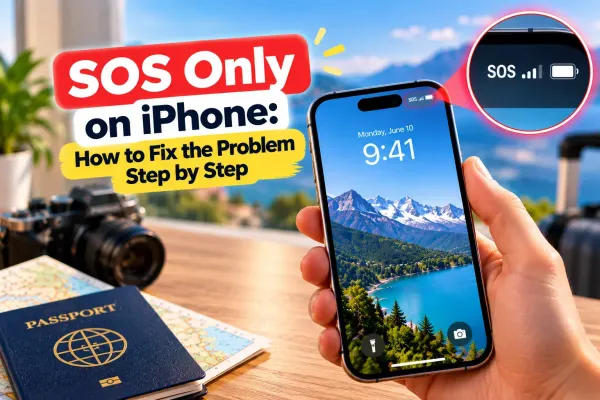
Read more: If your iPhone still shows SOS instead of normal service after arrival, follow SOS Only on iPhone: How to Fix the Problem Step by Step.
What Does "GSM Unlocked" Mean?
A GSM-unlocked phone isn't restricted to one mobile carrier. It can accept a compatible SIM or eSIM from another provider.
The phrase comes from the Global System for Mobile Communications era, when changing SIM cards became a practical way to switch between compatible networks.
Being GSM-compatible describes a phone's supported network technology. Being unlocked describes whether a carrier restriction prevents it from using another provider.
For travelers, unlocked mobile GSM phones offer more flexibility when choosing local SIM cards and travel eSIMs.
However, unlocking a phone doesn't add unsupported network bands or guarantee that every carrier will accept it.
GSM vs. LTE vs. 5G: What Should Travelers Look For?
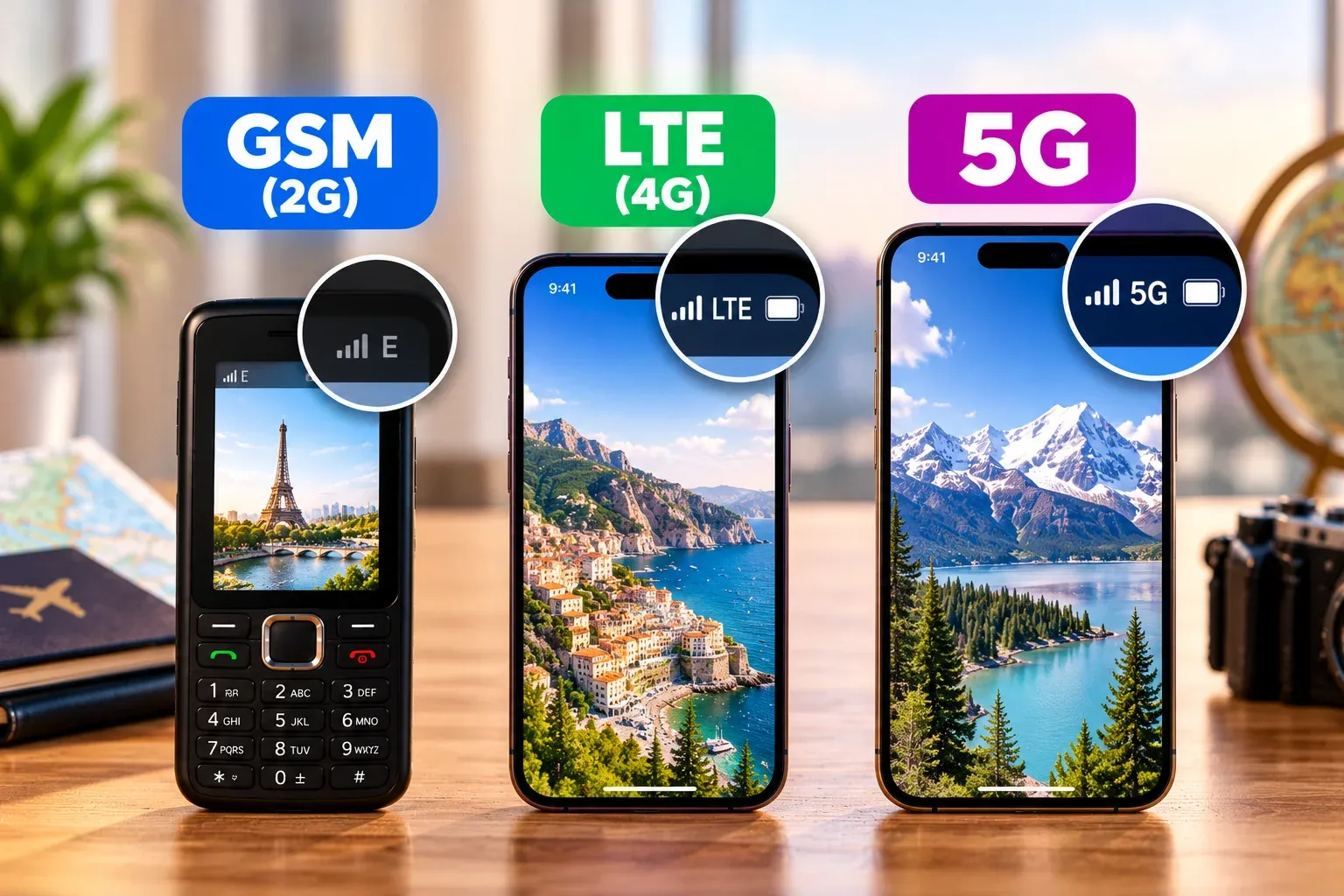
If you're asking "what is GSM" compared with modern connectivity, the main distinction is the generation of technology.
- GSM (2G): An older cellular standard designed primarily for calls, SMS, and limited mobile data.
- LTE (4G): Widely used for modern mobile data and supported voice services.
- 5G: A newer generation offering potentially faster speeds, greater capacity, and lower latency.
Most current smartphones use LTE and 5G for everyday mobile connectivity.
For international travel, prioritize LTE band compatibility, carrier support, and VoLTE for calls. Compatible 5G bands are useful where the service is available, but 5G isn't essential for ordinary travel activities such as maps, messaging, and bookings.
How to Check if Your Phone Will Work Abroad
Before travelling, follow this checklist:
#1. Check whether your phone is unlocked
On iPhone, go to Settings → General → About → Carrier Lock. "No SIM restrictions" means the device is unlocked. On Android, contact your carrier if the lock status isn't clear.
#2. Find your model number
On iPhone, open Settings → General → About and tap Model Number to display the hardware model identifier. On Android, check Settings → About phone.
#3. Check supported bands
Find the LTE and 5G frequencies supported by your exact model on the manufacturer's website.
#4. Compare destination networks
Check the local carrier's supported bands and coverage.
#5. Confirm SIM compatibility
Make sure your phone supports the physical SIM or eSIM option you intend to use.
#6. Check calling requirements
If you need regular cellular calls, confirm VoLTE support and roaming compatibility.
#7. Arrange a suitable plan
Consider a local SIM, international roaming package, or travel eSIM before departure.
Matching a carrier's supported frequency bands is necessary for cellular compatibility, but having matching bands alone doesn't guarantee service. Carrier activation policies, supported features, and local coverage also matter.
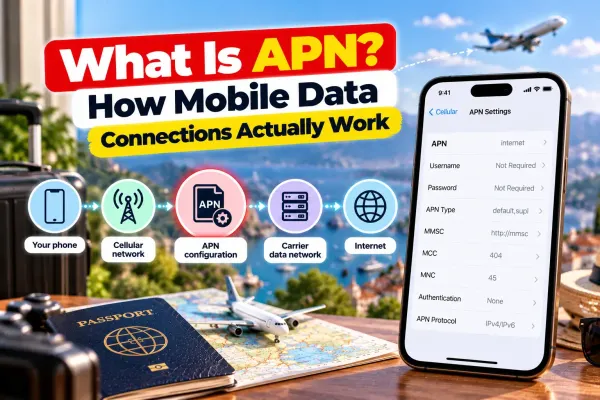
Read more: If your phone connects to the carrier but mobile data won't load, What Is APN? How Mobile Data Connections Actually Work is a useful next step.
Should You Use a SIM or eSIM When Traveling?
Both physical SIMs and eSIMs can provide mobile connectivity abroad.
A physical SIM is useful when your phone has a SIM slot and you want to purchase a local plan after arrival.
An eSIM is convenient for compatible, unlocked phones because you can install a mobile data plan digitally without replacing your existing physical SIM.
GSM's SIM-based approach helped make switching between providers easier. Modern eSIM technology extends that flexibility by allowing supported carrier profiles to be downloaded digitally.
An eSIM for international travel can often be installed over Wi-Fi before departure, although activation and validity rules vary by provider.
Stay Connected Abroad With a Travel eSIM
A travel eSIM provides mobile data without requiring a physical SIM swap. On compatible dual-SIM phones, you can keep your home line available while using travel data for maps, translation, ride-hailing, bookings, and messaging.
Jetpac offers an international eSIM covering 200+ destinations, with one reusable profile for supported travel plans.
It also supports automatic switching between available partner networks and unlimited hotspot sharing without a separate tethering cap, subject to the plan's overall data and speed conditions.
Jetpac advertises savings of up to 70% compared with certain international roaming plans, although actual savings vary.
Jetpac travel eSIM is primarily for data, while optional in-app voice packs let travelers make supported outgoing calls to regular phone numbers, starting at $1.99 for 5 minutes.
When comparing the best eSIM for international travel, check destination coverage, data allowances, supported networks, and phone compatibility.
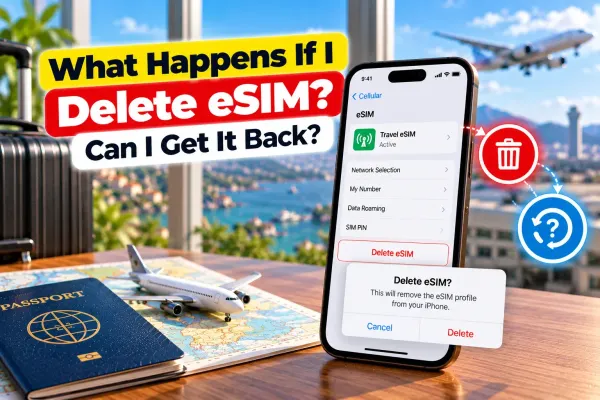
Read more: To understand how your home line and travel plan work together, read How Does a Dual SIM Phone Work? Explained Simply.
FAQs
What does GSM stand for?
GSM stands for Global System for Mobile Communications. The original GSM meaning came from Groupe Spécial Mobile, the European group established to develop the standard.
Is GSM the same as 4G or 5G?
No. GSM is a 2G standard, LTE is 4G, and 5G is a newer generation. Supporting GSM doesn't automatically mean a phone supports LTE or 5G.
Do GSM phones work internationally?
Yes, if they support the destination's network bands and technologies and are accepted by the local carrier. An unlocked phone offers greater flexibility.
Can I use a GSM phone with any SIM card?
No. Your phone must be unlocked, accept the relevant SIM format, and support the carrier's network technology and requirements.
Why won't my unlocked GSM phone work abroad?
Common reasons include incompatible frequency bands, unsupported network technology, carrier restrictions, missing VoLTE support for calls, or an inactive SIM or eSIM plan.
Is GSM better than CDMA for international travel?
Historically, GSM offered broader international roaming support and easier SIM switching. Today, LTE and 5G compatibility matter more than either legacy standard.
How do I know if my phone supports GSM or LTE bands?
Find your exact model number and check its specifications on the manufacturer's website. Compare its supported LTE and 5G bands with those used by your destination carrier.
Do I need a GSM phone to use an eSIM abroad?
No. You need an unlocked, eSIM-compatible device that supports your destination's mobile network. Traditional GSM compatibility isn't required.
Disclaimer
This blog is for educational and general travel-planning purposes only. Information is based on publicly available sources reviewed in October 2026. Mobile network standards, carrier shutdown schedules, device compatibility, roaming policies, and eSIM features may change without notice. Network bands, service availability, and device settings vary by country, carrier, and phone model. Always verify current information with your mobile carrier or device manufacturer before travelling. Jetpac is not responsible for inaccuracies, subsequent changes, or losses arising from reliance on this information.
Get connected as soon as you land with a Jetpac travel eSIM.