Is It Safe to Travel to Colombia in 2026? Risks & Tips for Tourists
Colombia in 2026 is safe to visit if you stay within major city zones and prepare carefully, but risks rise quickly outside them. From Bogota’s Chapinero streets to Medellin’s metro and Cartagena’s walled lanes, using app rides and avoiding restricted regions keeps the trip steady.
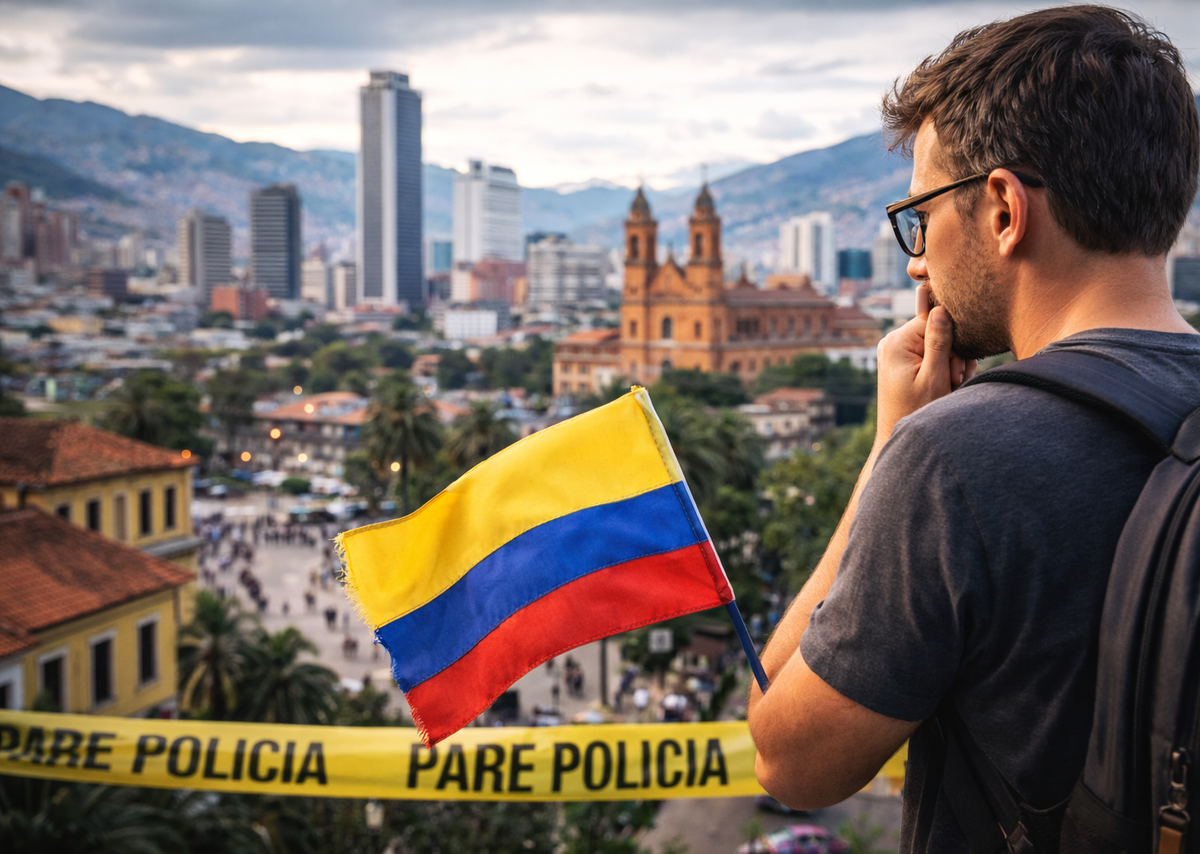
Yes, Colombia is safe to visit in 2026 for most travelers who stay within the country's main tourist destinations and follow official travel advice.
Popular cities such as Bogotá, Medellín, Cartagena, Santa Marta, and the Coffee Region continue to welcome millions of visitors every year. However, some departments affected by armed groups, organized crime, and border conflicts remain under "Do Not Travel" advisories.
This guide explains where it is safe to travel, which areas to avoid, the latest government travel advice, common scams, and practical safety tips for planning a trip to Colombia.
Is It Safe to Travel to Colombia Right Now?
Yes, for most tourists. Colombia's major tourist destinations remain open and continue to attract international visitors. Travelers should avoid regions under "Do Not Travel" advisories, use licensed transportation, and monitor official government travel updates before and during their trip.
What the Colombia travel advisory says in 2026
The Colombia travel advisory, updated March 31, 2026, places the country at Level 3: Reconsider Travel due to crime, terrorism, civil unrest, kidnapping, and natural disasters. Two categories carry Level 4: Do Not Travel designations:
Arauca, Cauca (excluding Popayan), Valle del Cauca (excluding Cali), and Norte de Santander departments due to crime and terrorism. Within 10 km of the Colombia-Venezuela border, due to armed group conflict, kidnapping, and risk of detention.
Note on Cali: Cali retains its exception status within the Valle del Cauca Level 4 zone. On April 27, 2026, the US Embassy issued a Security Alert about 26 coordinated attacks across the Cauca and Valle del Cauca departments that killed at least 20 people.
The alert explicitly confirms that the Cauca and Valle del Cauca departments, excluding the cities of Popayán and Cali, are considered unsafe for travelers. Cali itself carries no current specific restriction, but monitor co.usembassy.gov before any visit and treat movement beyond the city center with caution.
Note on the ELN ceasefire: Formal government-ELN peace talks have been stalled since late 2024 following a series of ELN attacks, including a September 2024 attack on a military base in Arauca.
In February 2026 and again in May 2026, the ELN declared tactical unilateral ceasefires around election periods.
Active ELN operations continue in border regions and Pacific coast corridors, directly affecting the security environment in Level 4 zones and their surrounding areas.
The State Department confirms that street crime throughout Colombia can escalate quickly, and armed break-ins at hotels and tourist accommodations are documented. If targeted by criminals, do not resist.
Advisory status timeline
April 2026: No major advisory changes. Level 3 status confirmed unchanged. Level 4 Do Not Travel zones remain in effect.
May 2026: Advisory reviewed. Level 3 maintained. No new country-wide alert issued.
June 2026: Current status confirmed. Level 3: Reconsider Travel remains in effect as of June, 2026. No new Colombia-specific crime alert targeting US tourists was issued between April and June 2026.
Colombia is safe to travel through on the approved tourist corridor when travelers actively monitor conditions and stay within the Level 4 boundaries throughout their trip.
Enrolling in STEP at step.state.gov before departure is one of the most important preparedness steps for U.S. citizens heading to Colombia, as it gives the embassy the ability to send direct security updates and make emergency contact at any point during the trip.
Where is it safe to go in Colombia?
| Destination | Safe? | Notes |
|---|---|---|
| Bogotá | ✅ | Tourist districts recommended |
| Medellín | ✅ | Stay in El Poblado or Laureles |
| Cartagena | ✅ | Safe in tourist areas |
| Coffee Region | ✅ | Low crime |
| Santa Marta | ✅ | Tourist-friendly |
| Cali | ⚠️ | Exercise extra caution |
| Arauca | ❌ | Do Not Travel |
| Venezuela Border | ❌ | Do Not Travel |
Colombia is safe to visit across the main tourist cities when the Do Not Travel zones are fully respected. Here is the city-by-city breakdown:
Bogota: Colombia's capital draws international tourists to established districts like Chapinero, Zona Rosa, and Usaquen. Avoid the downtown historical centre at night and never hail street taxis anywhere in the city.
Medellin: The Valle de Aburra metropolitan region is accessible. The city's cable car network, public parks, and galleries make it one of Latin America's most compelling urban destinations.
Stay within the city center and the El Poblado tourist district, and avoid peripheral hillside neighborhoods. In April 2026, the US Embassy issued a Security Alert about 26 coordinated attacks in southwestern Colombia, primarily in Cauca and Valle del Cauca departments, which killed at least 20 people.
These attacks were not in Antioquia or near Medellin, and the city center and El Poblado were not affected.
They do, however, reflect the broader security environment in Level 4 zones and underline why avoiding designated restricted departments entirely is essential.
Cartagena: The walled old city on the Caribbean coast is one of the most visited destinations in South America, carrying relatively lower risk for visitors who stay within tourist zones.
Santa Marta and Barranquilla: Both are accessible to international visitors. Tayrona National Park, near Santa Marta, reopened on March 5, 2026, under special surveillance following a temporary security-related closure, with Carabineros deployed within the park.
Note that Tayrona observes its regular annual closure from June 1 to 15 each year, so confirm whether the park is open for your exact travel dates in colombia.travel before including it in your itinerary.
Caño Cristales: Located in the Meta department, accessible only by air to La Macarena with a reputable tour company. Colombia is safe for tourists who access remote sites like Caño Cristales and Ciudad Perdida exclusively through licensed tour operators, as this is the only State Department-approved way to reach these areas safely.
Coffee Region (Eje Cafetero): The Coffee Region, covering Armenia, Manizales, and Pereira, is a growing international tourist destination open to visitors. Standard urban crime precautions apply. No elevated security alerts specific to this region were issued between March and June 2026. It is one of Colombia's most accessible and rewarding additions to any itinerary beyond the main cities.
Colombia travel news in 2026 also includes ongoing political activity. Colombia held a presidential first-round election on May 31, 2026, with a runoff scheduled for June 21, 2026. The US Embassy issued Demonstration Alerts in March, April, and May 2026, reflecting periodic street protests in Bogota, Medellin, and Cali around political events.
Demonstrations have been predominantly peaceful but have caused temporary road closures and disruption to city center transport. Monitor local news and avoid large street gatherings during your stay.
Safety tips for American travelers
When researching whether it is safe to travel to Colombia, American visitors will find that city-level crime is where consistent preparation makes the biggest difference. Colombia is safe for Americans who apply these steps throughout their entire stay in the main tourist cities.
Transport: Never hail a taxi from the street anywhere in Colombia. Use Uber or InDriver, booked through the app, for every journey. At El Dorado International Airport in Bogota, only use the authorized taxi desks inside the terminal.
Valuables: Make sure that you keep smartphones, cameras, and jewelry completely out of sight in public. Quick-grab phone theft is the most documented incident category affecting foreign visitors in Colombian cities.
Fake police officers: Criminals across Bogota and popular tourist towns pose as plainclothes officers, asking to verify documents or cash. If approached by anyone without a visible official uniform, ask to be taken to the nearest police station immediately.
ATMs: Use ATMs inside banks or shopping centers only, during business hours. Avoid street ATMs entirely.
Drink spiking and scopolamine: The US Embassy specifically warns that drink spiking is a documented risk in Colombia, with criminals using scopolamine to incapacitate victims before robbing them.
This pattern is particularly associated with Medellin's Parque Lleras nightlife district and Bogota's bar areas. Only drink sealed, branded beverages from licensed venues. Never leave your drink unattended or accept drinks from strangers.
Criminals also use dating platforms to lure foreigners to isolated locations before robbing them. Only meet anyone from a dating app in a well-populated public location and never share your hotel address before meeting in person.
Night travel: Avoid road travel between cities at night. Flying between major Colombian cities is the State Department's recommended alternative to intercity highway travel.
Virtual kidnapping: The US State Department's Colombia information flags virtual kidnapping as a documented risk targeting US citizens.
Criminals call victims claiming to have kidnapped a family member and demand immediate wire transfers, instructing the victim to stay on the phone and contact no one. If you receive such a call, hang up immediately and contact the actual family member directly before taking any action. Report the incident to the GAULA anti-kidnapping line at 165 or the US Embassy at +57 601 275 2000.
Motorbike phone snatching: Ride-by phone theft is a well-documented street crime pattern across Colombian cities, particularly in busy pedestrian areas of Bogota and Medellin. Never hold your phone visibly in your hand on the street or when standing at road junctions.
Monitor Colombia travel news at co.usembassy.gov throughout your stay. The security situation can shift at the departmental level with very limited warning.
Also Read
Is it Safe to Travel to Dubai During Israel War?
Wondering if Dubai is safe during the Israel war? Get the latest travel guidance, regional risks, safety tips, and what tourists should know before visiting.
Read More ↗Is It Safe to Travel to Israel?
Is it safe to travel to Israel now? Explore current security conditions, conflict zones, entry advice, and essential safety tips to plan your trip responsibly.
Read More ↗Is It Safe to Travel to Brazil?
Is it safe to travel to Brazil now? Learn about current safety conditions, common risks, safer regions, and practical travel tips to help you plan a secure and enjoyable trip.
Read More ↗Travel Tips for First-Time Flyers
Flying for the first time? Get practical travel tips for first-time flyers to navigate airports, pack smart, and travel with confidence.
Read More ↗Best Travel Apps
Make every trip easier with the best travel apps for maps, bookings, and real-time updates while you’re on the go.
Read More ↗What the US citizens need to know before entering Colombia
The entry process for travelers asking if it is safe to go to Colombia from a documentation standpoint is relatively straightforward for most US visitors. No visa is required for tourism stays of up to 90 days. You receive a tourist stamp at the port of entry, extendable once for a total of 180 days per calendar year.
Carry a valid passport with at least 6 months' validity beyond your entry date, at least one blank page for the entry stamp, and proof of onward or return travel.
Complete the Check-Mig form between 1 and 72 hours before your flight at apps.migracioncolombia.gov.co. This is Colombia's mandatory pre-arrival migration registration for all passengers traveling from the US. The form is free to complete at the official government portal; do not use unofficial third-party sites that charge fees.
Proof of yellow fever vaccination is required if arriving from countries with a risk of yellow fever transmission. Check the current list of affected countries at the official Colombia immigration or CDC site before travel, as the list changes.
Colombia had an active yellow fever outbreak in 2026, with cases confirmed in Tolima.
PAHO issued an Epidemiological Alert on March 13, 2026, flagging geographic spread beyond the Amazon, including the Bosque de Galilea area of Tolima bordering Huila and Cundinamarca.
Yellow fever transmission has expanded beyond areas previously considered lower risk. Colombian authorities require travelers to carry proof of vaccination when traveling within the country by road or river.
The CDC does not recommend the yellow fever vaccine for travel limited to Bogota and major cities above 2,300 metres, but recommends it for all other destinations, including rural, jungle, and Amazon regions.
Colombia recorded approximately 43,868 dengue cases through the first five months of 2026, with the highest case concentrations in Meta, Cesar, Bolívar, Santander, and Norte de Santander departments. The INS declared a national dengue epidemiological alert in January 2026.
Dengue prevention applies across all Colombian regions, including Medellin, Cali, Cartagena, and the Caribbean coast, not only in jungle areas.
The CDC has also issued an Oropouche travel notice applicable to Colombia, with cases confirmed in Amazonian Colombia. Pregnant women are at elevated risk due to potential fetal harm and should take enhanced insect precautions or reconsider non-essential travel to Amazon regions.
Use insect repellent with a high DEET content, wear long sleeves and pants after dusk, and sleep under mosquito netting in jungle and rural areas. Consult your doctor before departure.
Altitude sickness is a real risk in Bogota at approximately 2,600 metres. Consult your doctor before travel if you have respiratory or cardiovascular conditions.
Travel insurance that includes medical evacuation is strongly recommended. Medical facilities outside major cities are limited, and evacuation costs can be substantial.
For the US citizens traveling with minors who hold Colombian citizenship, notarized consent from the non-traveling parent is required. Colombian immigration enforces this strictly with no exceptions.
Colombia is safe to travel to for US citizens who arrive with the Check-Mig completed, the right vaccinations confirmed, and valid travel insurance in place before departure.
Colombia is safe to visit for travelers who treat the pre-departure checklist as seriously as the in-country safety steps, because complications at the border are almost always the result of documentation skipped at home.
Anyone who has properly researched whether it is safe to travel to Colombia will find that the preparation required before flying is just as important as the precautions taken on the ground.
Setting up an eSIM for Colombia from Jetpac before your flight means you land with your Check-Mig confirmation, hotel address, and emergency contacts all accessible without depending on airport Wi-Fi.
Is Medellín Safe to Visit in 2026?
Medellín has undergone a remarkable transformation over the past two decades and is now one of Colombia's most visited cities. Popular neighborhoods such as El Poblado and Laureles are well-developed tourist areas with hotels, restaurants, coworking spaces, and a visible police presence.
Most visitors experience a trouble-free trip by following simple precautions:
- Use Uber or app-based transport instead of hailing taxis on the street.
- Avoid displaying expensive phones or cameras in crowded places.
- Stay in well-reviewed accommodation.
- Avoid isolated neighborhoods that are outside the main tourist districts.
- Be cautious when using dating apps, as scams targeting tourists have been reported.
The majority of safety incidents involving visitors are opportunistic theft rather than violent crime.
Is Bogotá Safe Right Now?
Bogotá is Colombia's largest city and the main gateway for international travelers.
Popular areas including Chapinero, Zona Rosa, and Usaquén are generally considered safe for visitors during the day and remain busy well into the evening.
Travelers should:
- Use authorized airport taxis or ride-hailing apps.
- Avoid walking alone late at night.
- Stay aware of pickpockets in crowded markets and public transport.
- Keep valuables out of sight.
Most tourists spend several days in Bogotá without experiencing any safety issues.
Is Cartagena Safe to Visit?
Cartagena is one of the safest and most popular destinations in Colombia.
Areas including:
- Cartagena Walled City
- Getsemaní
- Bocagrande
are heavily visited by international tourists.
The most common issues visitors encounter include:
- aggressive street vendors
- overpriced tours
- unofficial guides
- pickpocketing
Using licensed tour operators and agreeing on prices before purchasing services helps avoid most problems.
Common Scams Travelers Should Know About
While serious crime against tourists is uncommon in Colombia's main tourist areas, scams remain one of the biggest concerns.
Common scams include:
- Fake police requesting to inspect cash or passports.
- Taxi drivers overcharging visitors.
- Drink spiking in nightlife districts.
- Fake tour guides offering unofficial excursions.
- Pickpocketing in crowded public places.
- Dating app scams targeting foreign visitors.
Always use licensed services, avoid sharing personal information with strangers, and keep valuables secure.
Should You Cancel Your Colombia Trip?
Most travelers do not need to cancel a trip to Colombia if they are visiting the country's main tourist destinations.
Instead, travelers should:
- monitor official government travel advisories
- avoid regions under "Do Not Travel" guidance
- stay informed about local demonstrations
- confirm airline schedules before departure
If your itinerary focuses on Bogotá, Medellín, Cartagena, the Coffee Region, or Santa Marta, travel continues largely as normal.
Are Flights to Colombia Operating Normally?
International airports in Bogotá, Medellín, Cartagena, Cali, and Santa Marta continue operating normally.
Occasional delays may occur due to weather, operational issues, or local demonstrations, but there are currently no widespread restrictions affecting international tourism.
Before departure:
- Check your airline's website.
- Enable flight notifications.
- Arrive early for international departures.
What Happens if You Need Medical Care?
Major Colombian cities have modern private hospitals that provide good-quality healthcare.
Before travelling:
- Purchase comprehensive travel insurance.
- Carry enough prescription medication for your trip.
- Keep medications in their original packaging.
- Save your insurer's emergency assistance number.
Medical services become more limited in remote rural areas.
Is Colombia Safe for Solo Female Travelers?
Many solo female travelers visit Colombia every year without incident.
To stay safe:
- Stay in central tourist neighborhoods.
- Use Uber instead of street taxis.
- Avoid isolated areas after dark.
- Dress comfortably while respecting local customs.
- Book highly rated accommodation with good security.
The biggest challenges are usually unwanted attention or petty theft rather than violent crime.
Is Colombia a Good Family Destination?
Yes. Families regularly visit Colombia for its beaches, coffee farms, cultural attractions, and national parks.
Popular family-friendly destinations include:
- Cartagena
- Coffee Region
- Medellín
- Santa Marta
- Tayrona National Park
Families should:
- supervise children in crowded areas
- use licensed transportation
- stay hydrated in warmer regions
- book reputable tours
Emergency Numbers in Colombia
Keep these numbers saved throughout your trip.
| Service | Number |
|---|---|
| Police | 123 |
| Ambulance | 123 |
| Fire | 123 |
| Tourist Assistance | Local tourist offices |
| US Embassy Bogotá | Save before departure |
Colombia Travel Safety Checklist
Before You Fly
Before travelling to Colombia:
- ✔ Check the latest government travel advisory.
- ✔ Register with STEP if eligible.
- ✔ Complete the Check-Mig form.
- ✔ Purchase travel insurance.
- ✔ Book accommodation in safe neighborhoods.
- ✔ Use app-based transportation.
- ✔ Download offline maps.
- ✔ Install a Colombia eSIM before departure.
- ✔ Keep digital copies of your passport and travel documents.
Common Myths About Traveling to Colombia
| Myth | Reality |
|---|---|
| Colombia is unsafe everywhere | Most tourists visit major cities without incident. |
| Tourists should avoid Medellín | Popular neighborhoods are well-developed and regularly visited. |
| Flights are frequently cancelled | International airports continue normal operations. |
| Cartagena is dangerous | Tourist areas remain among Colombia's most visited destinations. |
| Violent crime targets tourists | Most visitor incidents involve petty theft or scams rather than violent crime. |
Stay Connected While Traveling in Colombia
Reliable mobile data can make traveling around Colombia easier and safer. Whether you're booking an Uber in Bogotá, navigating Medellín, checking flight updates, or contacting your hotel, staying connected helps you respond quickly if plans change.
Installing an eSIM for Colombia before departure means you can access Google Maps, WhatsApp, airline notifications, and emergency information as soon as you land, without searching for airport Wi-Fi or a local SIM card.
Jetpac Colombia eSIM offers:
- 📍 Instant connectivity on arrival
- 🚖 Reliable access to ride-hailing apps and maps
- ✈️ Real-time flight and travel updates
- 💰 Up to 70% savings compared to roaming
- 🎧 24/7 customer support
Sources Used
This guide is based on information from the following official and trusted sources:
- U.S. Department of State – Colombia Travel Advisory and travel guidance
- U.S. Embassy Bogotá – Security alerts, emergency information, and embassy updates
- Australian Government Smartraveller – Colombia travel advice and safety recommendations
- Government of Canada – Official travel advice and advisories for Colombia
- World Health Organization (WHO) – Health guidance and disease outbreak information
- U.S. Centers for Disease Control and Prevention (CDC) – Travel health notices, vaccination recommendations, and disease prevention advice
- ProColombia (Colombia Tourism) – Official tourism information, destination updates, and visitor guidance
- Reuters – Coverage of major security developments, protests, and travel-related news (where applicable)
Note: Safety conditions, travel advisories, health recommendations, and entry requirements can change quickly. Always verify the latest information from official government sources before booking or traveling.
FAQs
Is it safe to travel to Colombia in 2026?
Colombia holds a Level 3: Reconsider Travel advisory. The main tourist cities, including Bogota, Medellin, and Cartagena, are accessible with preparation. Avoid all Level 4 zones and monitor co.usembassy.gov throughout your stay.
Is Colombia safe for Americans visiting major cities?
Most people are asking these days, is Colombia safe for Americans visiting major cities, for which the straightforward answer is yes, but in established tourist districts with standard precautions applied. Use Uber over street taxis, keep valuables out of sight, and stay in reputable, well-secured accommodation.
Is Colombia safe to travel to without a visa?
Here is what you need to know if you are looking for an answer to the question, is Colombia safe to travel to without a visa. US citizens do not need a visa for stays of up to 90 days. Complete the Check-Mig form at apps.migracioncolombia.gov.co between 1 and 72 hours before your flight and carry proof of onward travel.
Is Colombia safe to visit for solo travelers?
The answer to the question of whether Colombia is safe to visit for solo travel is yes, but in major cities only. It is advised to avoid going out alone at night, use only app-booked transport, and never accept food or drinks from strangers.
What areas of Colombia should I avoid?
Avoid Arauca, Cauca outside Popayan, Valle del Cauca outside Cali, Norte de Santander, and within 10 km of the Colombia-Venezuela border. All carry Level 4: Do Not Travel designations.
What should I do in an emergency in Colombia?
Call 123 for police, fire, and medical emergencies. Contact the US Embassy in Bogota at +57 601 275 2000. Enroll in STEP at step.state.gov before departure.
Is Colombia safe for tourists who choose organized tours over independent travel in remote areas?
Reputable tour operators are the only State Department-approved way to access sites like Caño Cristales and Ciudad Perdida, and that structure is what keeps the risk manageable.
Disclaimer
This information is based on publicly available data at the time of writing and is provided for general reference and educational purposes only. Travel advisories, safety conditions, costs, and entry requirements may change without notice. Network performance and eSIM compatibility may vary depending on device, carrier, and local infrastructure, and Jetpac is not responsible for third-party service accuracy or availability. No endorsement of destinations or services is implied. Travelers should verify the latest government advisories, health requirements, and local conditions before booking or departure.