Thailand Solo Travel: Best Places, Itineraries, Cost & Tips
Explore Thailand solo beyond the usual tourist trail, with eight destination ideas, 7- to 21-day itineraries, daily budgets, transport options and advice for travelling safely.

Thailand attracts more first-time solo travellers than almost any other Southeast Asian country. The infrastructure is reliable, the food is cheap and good, and English is spoken widely enough that navigating alone rarely requires a guide. This Thailand solo travel guide covers destinations, itineraries, costs, and practical details worth knowing before you land.
Solo travel in Thailand suits most experience levels. Hostels with social common areas cluster around transport hubs, day tours fill with international travellers, and local networks of buses, trains, and ferries connect cities and islands without requiring private hire.
Thailand ranks among the top destinations for solo visitors in Southeast Asia according to the Tourism Authority of Thailand. Budget- to mid-range travellers find the country well suited, as costs for accommodation, food, and transport stay manageable throughout.
Thailand Solo Travel at a Glance
| Category | Detail |
|---|---|
| Currency | Thai Baht (THB) |
| Language | Thai (English spoken in tourist areas) |
| Time Zone | UTC+7 |
| Visa on Arrival | Available for many nationalities (60 days) |
| Average Daily Budget | $30 to $60 per day |
| Best Solo Base Cities | Bangkok, Chiang Mai, Hat Yai |
| Peak Season | November to February |
| Transport Options | Trains, buses, domestic flights, ferries |
Best Places to Visit in Thailand for Solo Travellers
The best places to visit in Thailand for solo travellers span cities with reliable public transport, social hubs built around shared activities, national parks, relaxed beach towns, and quieter destinations with practical transport notes included. These eight cover the full range of solo travel in Thailand.
Hat Yai
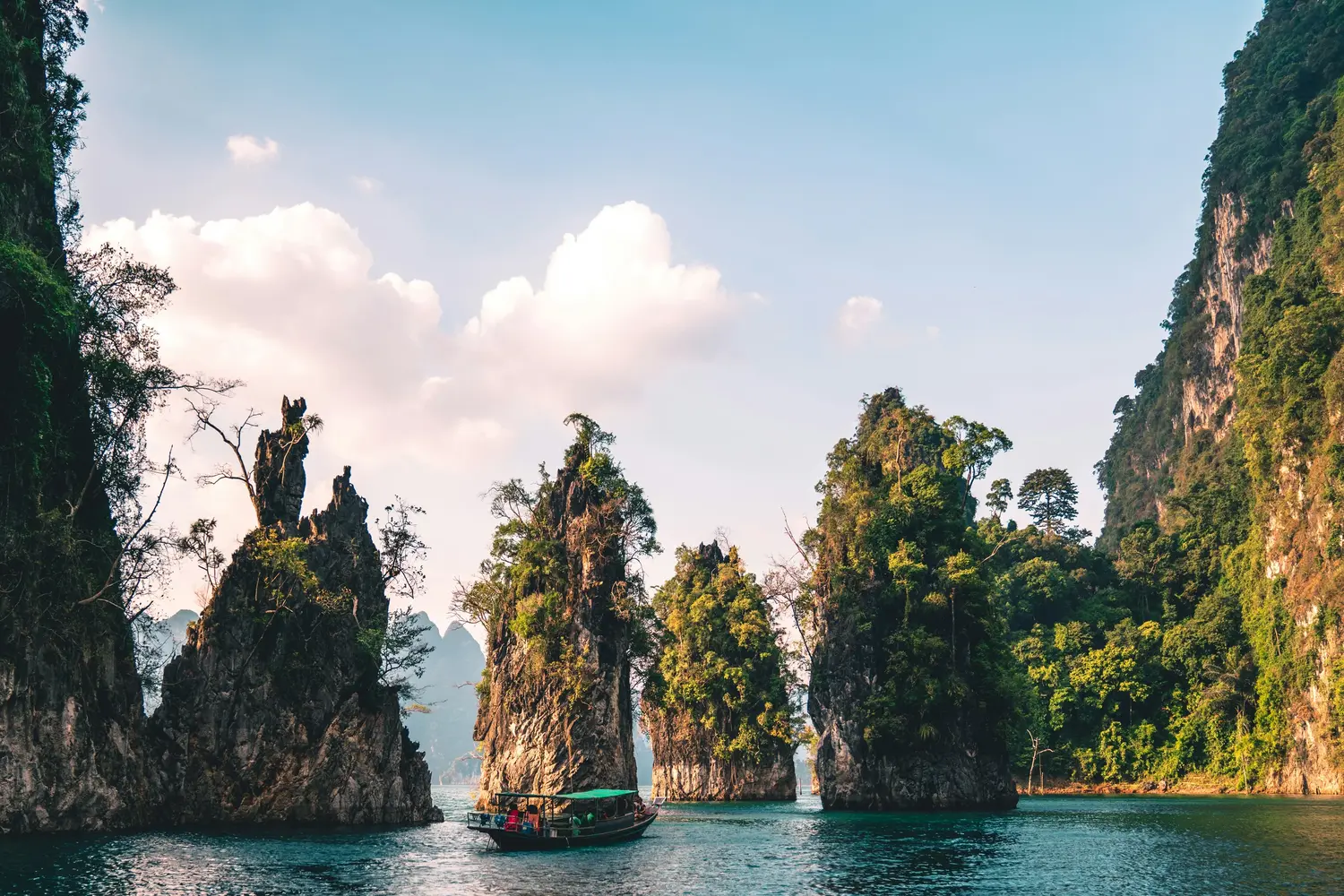
- Why visit alone: One of Thailand’s best street food cities, with Thai-Chinese-Muslim culture playing out in markets and mosques within walking distance of each other.
- Best attractions: Kim Yong Market, Ton Nga Chang Waterfall, and minivan day trips across the Malaysian border to Penang.
- Solo experience: Easy to navigate by songthaew; the blend of Thai, Chinese, and Malay visitors means solo travellers attract no particular attention.
- Accommodation and transport: Guesthouses near the train station from approximately $12 per night; trains from Bangkok approximately $15 (14 to 16 hours); flights approximately $20 to $35.
- Recommended stay: 2 days.
- Practical tip: Take an overnight train from Bangkok to save accommodation costs and arrive at Kim Yong market by opening time.
Udon Thani
- Why visit alone: The gateway to Isan combines a city-scale transit network with Ban Chiang, a UNESCO World Heritage Site containing pottery dated to approximately 3,500 to 5,000 years old, 50 kilometres east by local bus.
- Best attractions: Ban Chiang museum, Nong Prajak Park’s evening food stalls, and a mid-week walking market in the city centre.
- Solo experience: Tuk-tuks and songthaews cover the city at low cost; a growing coworking community runs regular events that draw longer-stay independent visitors.
- Accommodation and transport: Guesthouses near the city centre from approximately $12 per night; flights from Bangkok approximately $25 to $40; overnight buses approximately $10.
- Recommended stay: 2 days.
- Practical tip: Hire a local guide at Ban Chiang for approximately $8; the site’s history is far more rewarding with explanation.
Koh Tao
- Why visit alone: PADI open-water courses run over 3 to 4 days and consistently introduce solo travellers to one another from the first pool session, with shared schedules sustaining the connection naturally.
- Best attractions: Scuba certification at a reputable dive school, snorkelling at Shark Bay, and viewpoints above Sairee Beach reachable on foot.
- Solo experience: Sairee Beach’s hostel strip is one of the most reliably social environments in Thailand; solo bookings join groups automatically without awkward arrangements.
- Accommodation and transport: Hostels on Sairee Beach from approximately $8 per night; ferries from Chumphon approximately $12 to $20 (1.5 hours); from Koh Samui approximately $15 to $20 (1 hour).
- Recommended stay: 4 to 5 days for a dive course; 2 days for snorkelling only.
- Practical tip: Book your dive school before arriving; popular schools fill courses 3 to 4 days ahead during peak season from November to February.
Khao Yai
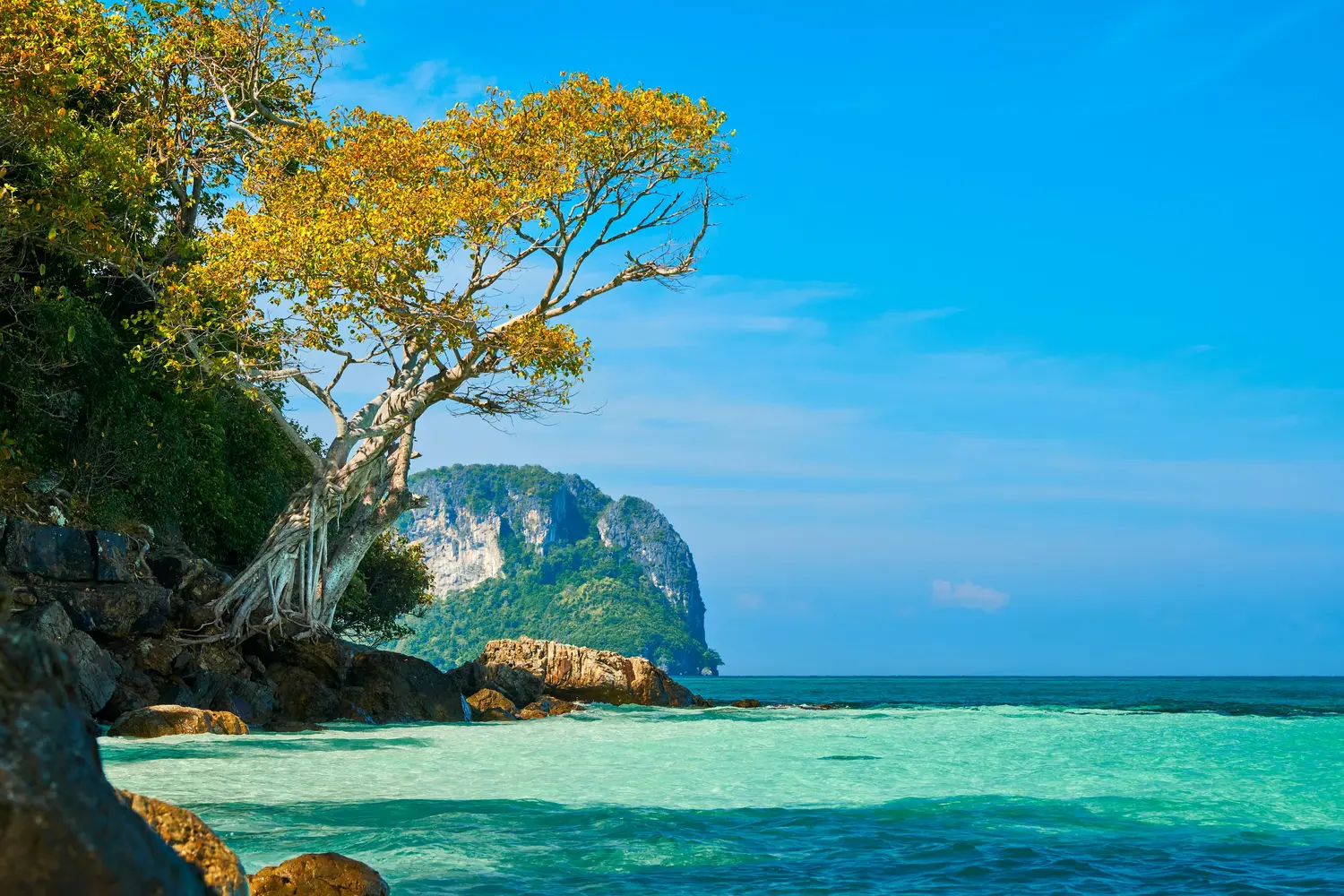
- Why visit alone: Thailand’s most accessible national park sits 2.5 hours from Bangkok and runs tour groups that naturally absorb solo travellers without requiring private guide hire.
- Best attractions: Wildlife trails for hornbills, gibbons, and wild elephants; Haew Narok waterfall; and vineyard visits on the park’s southern edge.
- Solo experience: Tour operators in Pak Chong fill morning wildlife walks from guesthouse noticeboards; a solo booking reliably joins 6 to 10 other travellers.
- Accommodation and transport: Guesthouses in Pak Chong from approximately $18 per night; buses from Bangkok’s Mo Chit terminal approximately $5 (2.5 hours).
- Recommended stay: 2 days.
- Practical tip: Start wildlife walks at 6 am; elephants and hornbills concentrate on the main road before 8 am, and sightings become less reliable later in the morning.
Mae Hong Son
- Why visit alone: Thailand’s most remote provincial capital starts the Mae Hong Son Loop, a 600-kilometre motorcycle circuit through hill tribe villages where solo riders travel at similar paces and guesthouses connect them from the first night.
- Best attractions: Jong Kham Lake at sunrise, Wat Phra That Doi Kong Mu on the ridge above town, and Pang Ung reservoir 25 kilometres north.
- Solo experience: Quiet and self-contained; solo riders quickly form groups from guesthouse noticeboards, and local hosts are accustomed to travellers arriving without fixed plans.
- Accommodation and transport: Guesthouses near Jong Kham Lake from approximately $15 per night; buses from Chiang Mai approximately $8 (6 to 8 hours); flights approximately $30 (45 minutes).
- Recommended stay: 3 to 5 days.
- Practical tip: Carry extra fuel between Mae Sariang and Khun Yuam; petrol stations are sparse on the western section of the loop.
Hua Hin
- Why visit alone: Thailand’s oldest beach resort sits 3 hours from Bangkok with clean beaches, a walkable old town, and national park day trips that run smaller groups than the southern islands.
- Best attractions: Hua Hin beach for morning swimming, Cicada Market on weekend evenings, and Sam Roi Yot National Park for cave temples and wetland birdwatching.
- Solo experience: Independent travellers rather than party groups dominate; the compact town centre is easy to navigate without maps after one afternoon.
- Accommodation and transport: Guesthouses near the town centre from approximately $15 per night; buses from Bangkok’s Southern Bus Terminal approximately $6 (3 to 3.5 hours); trains approximately $3 to $8.
- Recommended stay: 2 to 3 days.
- Practical tip: Bicycle hire near the train station costs approximately $4 per day and covers the beach, old town, and nearest temple in a half-day loop.
Nong Khai
- Why visit alone: The walkable Mekong riverside town has guesthouses built around traveller flow, and Sala Kaeo Ku, a sculpture park of towering Hindu and Buddhist figures, is one of the stranger half-days in Thailand.
- Best attractions: Sala Kaeo Ku, the Mekong riverside walk at sunset, and a day trip into Vientiane, Laos, via the Friendship Bridge.
- Solo experience: Communal guesthouse decks overlook the river; solo travellers on Rim Khong road regularly pool day trips to the Lao border and share transport costs.
- Accommodation and transport: Guesthouses along Rim Khong road from approximately $12 per night; overnight trains from Bangkok approximately $15 (11 hours); buses approximately $10.
- Recommended stay: 2 to 3 days.
- Practical tip: Carry a passport photocopy for the Lao border crossing; officials accept copies for day visits.
Nan
- Why visit alone: The old walled city near the Lao border sits off the standard trail, and Wat Phumin’s 19th-century murals depicting everyday Nan life are among the most distinctive temple interiors in the country.
- Best attractions: Wat Phumin murals, Nan National Museum, and a bicycle loop past outer temple compounds along the river.
- Solo experience: Quiet and unhurried; solo travellers are uncommon enough here to draw genuine local curiosity, and temple caretakers frequently invite visitors to join ongoing ceremonies.
- Accommodation and transport: Guesthouses near the old city from approximately $15 per night; buses from Chiang Mai approximately $10 (6 hours); flights from Bangkok approximately $40 to $60.
- Recommended stay: 2 days.
- Practical tip: Visit Wat Phumin between 7 am and 9 am before day-tour groups arrive from Phrae.
Read More: The full Thailand travel guide covers entry requirements, transport, accommodation, costs, and destination-specific tips for every type of traveller. Read our blog 👉 Thailand Travel Guide: Itinerary, Costs, Transport, Tips & More
Best Thailand Itineraries for Solo Travellers
7-Day Thailand Solo Travel Itinerary
Day 1 to 2: Bangkok arrival and orientation.
Day 3: Bus to Khao Yai for wildlife trails and national park accommodation in Pak Chong.
Day 4 to 5: Return to Bangkok, then bus south to Hua Hin for beach and old town.
Day 6 to 7: Day trip to Sam Roi Yot National Park, return to Bangkok before departure.
10 to 14-Day Thailand Solo Travel Itinerary
Days 1 to 2: Bangkok arrival.
Days 3 to 5: Fly south to Hat Yai for street food and a Penang day trip.
Days 6 to 9: Ferry to Koh Tao for a 4-day open-water dive course.
Days 10 to 14: Return to Bangkok by ferry and bus, overnight train to Chiang Mai, bus east to Nan, then overnight west to Mae Hong Son before flying from Chiang Mai.
3-Week or Longer Thailand Solo Trip
Solo travelling Thailand across three weeks allows the south, central, and northeast to run as separate circuits. Week one covers Bangkok, Khao Yai, and Hua Hin.
Week two flies south to Hat Yai and takes a ferry to Koh Tao for dive certification. Week three returns to Bangkok, flies to Udon Thani for Ban Chiang, then follows the Mekong west to Nong Khai before the return flight.
How Much Does Solo Travel in Thailand Cost?
Costs vary widely by travel style, region, and season. The northeast is cheaper than Bangkok and the islands, while national park areas cost slightly more than city guesthouses of the same standard.
| Expense | Budget | Mid-Range | Comfort |
|---|---|---|---|
| Accommodation | $8 to $15 | $20 to $45 | $60 to $120 |
| Food (daily) | $5 to $12 | $15 to $25 | $30 to $50 |
| Transport (daily) | $3 to $8 | $10 to $20 | $25 to $50 |
| Activities | $5 to $15 | $20 to $40 | $50 to $100 |
| Total Daily Budget | $21 to $50 | $65 to $130 | $165 to $320 |
Prices may change.
Read More: Thailand’s history, geography, and culture are full of surprises that make destination research more engaging before your trip. Read our blog 👉 30 Fun Facts About Thailand That May Surprise You
Is Thailand Safe for Solo Travellers?
Thailand is considered safe for solo travel. Petty theft at crowded markets and scams near major tourist landmarks are the most commonly reported issues, both avoidable with standard awareness.
The emergency number is 191 for police and 1669 for medical. Travel insurance covering medical evacuation matters most in remote regions like Mae Hong Son, where hospital access is limited.
Solo Female Travel in Thailand
Solo female travel in Thailand is widely practised and well-supported. Female-only dorms, women-only overnight train compartments, and a visible solo traveller community at most destinations reduce isolation.
Grab is the safest transport option in unfamiliar areas after dark. Standard precautions around unlicensed taxis and sharing itineraries with someone at home apply throughout.
How to Get Around Thailand When Travelling Alone
Trains connect Bangkok to Chiang Mai, the northeast, and the south, with overnight sleepers reducing accommodation costs on longer routes. Buses cover routes trains do not reach, including the Mae Hong Son Loop.
Domestic flights between Bangkok and Hat Yai, Udon Thani, or Nan cost approximately $20 to $60 booked in advance. Grab works in most cities and displays fares before you book.
Comparing the best eSIM for Thailand and ride-hailing options before arrival saves time on the ground.
Where to Stay in Thailand as a Solo Traveller
Where you stay depends on what kind of solo travel in Thailand you are planning, your budget, and length of trip.
Hostels and Social Accommodation
Koh Tao’s Sairee Beach has the most reliably social hostel environment in Thailand for solo travellers. Bangkok’s Khao San Road and Silom cater to solo travellers with large common areas and organised activities. Hat Yai has smaller functional hostels close to the train station.
Hotels, Guesthouses and Private Rooms
Mid-range guesthouses in Nong Khai, Nan, and Udon Thani offer private rooms at budget prices well below city rates elsewhere. Guesthouse clusters near train stations and bus terminals across every destination on this list offer good value and easy morning departures.
Best Areas to Stay
Hat Yai near the train station for market access. Koh Tao’s Sairee Beach for the hostel scene and dive schools. Udon Thani city centre for the walking market and bus terminal. Nong Khai’s Rim Khong road for river views and traveller guesthouses.
Read More: Understanding how your phone connects in Thailand helps avoid unexpected charges and poor signal from the moment you land. Read our blog 👉 Will My Phone Work in Thailand? Everything You Need to Know
How to Meet People While Travelling Solo in Thailand
Solo travelling in Thailand doesn’t require structured activities to stay social. Cooking classes, temple day trips, and national park tours consistently mix travellers from different countries.
Koh Tao’s dive course format is one of the most effective ways to meet people in Southeast Asia, with shared schedules building connections over 4 days. Hostel common areas in Bangkok and Hat Yai are reliable meeting points.
Facebook groups for northeast Thailand and the Mae Hong Son Loop connect overlanders passing through at similar times.
What Is It Like to Travel Alone in Thailand?
The best things to do in Thailand as a solo traveller cover a wider range than most expect. A dawn cycle through Nan’s old city, morning mist over Mae Hong Son’s lake, a Mekong sunset in Nong Khai from a guesthouse deck.
Solo travel in Thailand has a texture that group travel smooths over. Locals are patient and curious about solo visitors, and stumbling through basic Thai phrases is received warmly almost everywhere.
Best Time to Visit Thailand for a Solo Trip
The cool, dry season from November to February is the top best time to Visit Thailand. Temperatures range from approximately 20 to 30 degrees Celsius, rainfall is minimal, and outdoor activities including trekking, diving, and cycling run at their most comfortable.
The shoulder months of March to May bring rising heat but fewer crowds and lower prices.
The rainy season from June to October suits experienced travellers; the north stays largely accessible, and costs drop significantly. For diving at Koh Tao, October to May offers the clearest visibility.
What to Pack for a Solo Trip to Thailand
Thailand packing required Light, breathable clothing works across all regions. Temples require covered shoulders and knees, so a lightweight scarf or long pants serve double duty.
A padlock for hostel lockers, a dry bag for island and waterfall days, and offline maps downloaded before arrival cover the practical essentials.
Electrolyte sachets and a small first aid kit address the two most common solo travel complaints throughout any itinerary.
Practical Tips for Your First Solo Trip to Thailand
Download Grab before landing. Carry a small amount of Baht from an airport ATM before heading into the city. Know that tuk-tuk drivers offering free rides to temples are starting a commission circuit, not being generous.
Build buffer days around internal flights and island ferries, as both cancel more often than schedules suggest. The Thailand travel tips that matter most come down to flexibility. Solo travelling in Thailand becomes easier when the schedule has room to change.
Read More: Setting up mobile internet in Thailand is straightforward once you know the options available before departure. Read our blog 👉 How to Get Mobile Internet in Thailand
Stay Connected While Travelling Solo in Thailand with Jetpac
Reliable mobile data makes a practical difference when travelling alone. Maps, translation apps, Grab, and accommodation messages all depend on a working connection from the moment you land at Suvarnabhumi or Don Mueang.
International roaming can cost approximately $10 to $20 per day in Thailand. Local SIM cards are sold at airport convenience stores but require an unlocked phone.
An eSIM Thailand plan activates before you leave home and connects automatically on arrival, with no queue at an airport kiosk.
Jetpac offers eSIM Thailand plans running on Thailand’s main networks. A Thailand eSIM from Jetpac is compatible with most iOS and Android devices that support eSIM.
Check device compatibility and coverage details at jetpacglobal.com before departure. Data-only plans do not include a local Thai number or voice calls.
FAQs
Is Thailand safe for solo travel?
Yes, Thailand is widely considered safe for solo travellers. Petty theft and tourist scams are the most common issues and are avoidable with standard awareness.
What is the best time to visit Thailand solo?
November to February is the peak dry season with the most reliable weather. March to May offers lower prices and fewer crowds.
How much does a solo trip to Thailand cost per day?
Budget travellers spend approximately $21 to $50 per day. Mid-range travellers typically spend approximately $65 to $130.
Is Thailand safe for solo female travellers?
Yes, solo female travel in Thailand is well-supported and widely practised. Female-only dorms and women-only overnight train compartments are available across the country.
Do I need a visa for Thailand?
Most nationalities receive a 60-day visa exemption on arrival in 2026. Check your specific country’s status with the Royal Thai Embassy before travel.
What are the best islands in Thailand for solo travellers?
Koh Tao is the most social island for solo travellers, particularly for dive course groups. Koh Yao Noi suits independent travellers seeking a quieter pace.
Can I travel Thailand without speaking Thai?
Yes, English is spoken widely in tourist areas, hotels, and transport hubs. Learning a few basic Thai phrases is appreciated but not required.
How long should a first solo trip to Thailand last?
A week covers the basics. Two weeks allows a mix of city, nature, and beach time. Three weeks makes room for the northeast and remote destinations.
Disclaimer
All information was accurate at the time of writing. Accommodation rates, transport fares, activity costs, visa requirements, seasonal conditions and safety guidance may change after publication. Always check official government, tourism and service-provider websites for the latest information before travelling. Jetpac is not responsible for any changes to the information after publication.
Get connected as soon as you land with a Jetpac travel eSIM.