
10 Best Things to do in Spain (2026)
Plan your Spain trip around 10 standout experiences, from the Alhambra and Sagrada Família to flamenco, pintxos, the Camino de Santiago, Teide, and more.

Spain rewards travelers with Moorish palaces, Modernista architecture, Basque food culture, and a coastline on two different seas. The things to do in Spain range from free flamingo-watching at Doñana to world-class flamenco in Seville's most intimate tablaos.
This covers 10 standout activities in Spain for tourists, with 2026 costs and booking requirements throughout.
Famous things in Spain that anchor any first visit include the Alhambra, Sagrada Família, and the Prado Museum. Spain suits solo travelers, families, couples, and cultural travelers equally.
First-time visitors should base themselves in Madrid or Barcelona and build outward.
Spain's AVE high-speed rail puts most major cities within 3 hours of each other, making multi-city trips more practical here than in most of Europe.

Best Things to Do in Spain at a Glance
Source: Official attraction websites and 2026 ticket pricing data. USD figures are approximate conversions from EUR; verify current rates before booking.
Read more: Barcelona rewards dedicated planning with its own full activity circuit separate from the rest of Spain. 👉 23 Things to Do in Barcelona, Spain for First-Time Visitors
The best things to do in Spain span three millennia of architecture, four distinct regional food cultures, and coastline on two different seas. Each of the 10 activities below has its own timing, cost, and booking requirements.
1. Sagrada Família, Barcelona
- Why visit: Antoni Gaudí's UNESCO-listed basilica has been under construction for 144 years; the interior stained glass creates light effects that photographs consistently fail to capture
- What to do: Nave interior walk; Nativity Tower elevator (east-facing, best in morning); Passion Tower elevator (west-facing, best in afternoon); Gaudí crypt museum
- How long: 2-3 hours
- Best time: Morning opening before tour group arrival; avoid Sunday mornings when mass access restrictions apply
- Cost: Approximately USD 28-39 depending on tower access, based on the official base ticket of EUR 26 and tower admission at EUR 36; verify current rates at Sagrada Família official site before booking
- Booking: Essential; 6-8 weeks ahead in summer
- Getting there: Metro Lines L2 and L5 to Sagrada Família; 2-minute walk from the station
- Insider tip: Book the Nativity Tower for morning visits and the Passion Tower for afternoon to catch each at its best light angle
2. Alhambra Palace, Granada
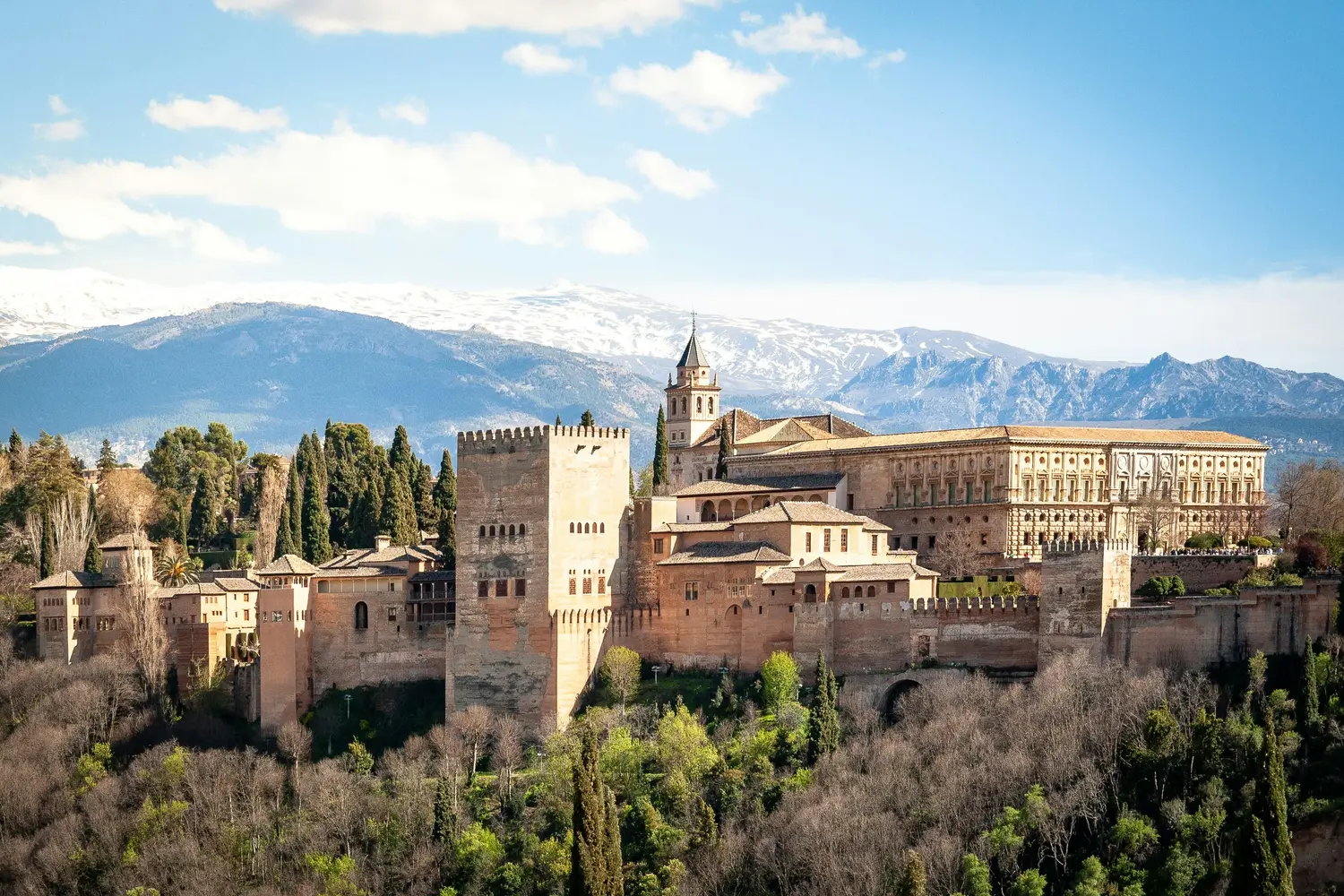
- Why visit: The Nasrid Palaces are widely regarded as among the finest surviving examples of Moorish architecture in Europe; the Generalife gardens add a landscape dimension the interior rooms alone cannot deliver
- What to do: Nasrid Palaces (strict 30-minute timed entry window); Alcazaba fortress tower views; Generalife terrace gardens and irrigation channels
- How long: 3-4 hours; 5 hours for a thorough visit
- Best time: First morning slot at 8:30am; arrive 30 minutes before your timed palace entry begins; many outdoor areas are most comfortable earlier in the day during summer
- Cost: USD 18-22; book via Patronato de la Alhambra
- Booking: Mandatory; sells out 2-3 months ahead in summer
- Getting there: Bus C3 or C4 from Granada city center; approximately 15 minutes
- Insider tip: The free Bosque de la Alhambra woodland park below the walls gives the best exterior views before your timed entry begins
3. Flamenco Show, Seville
- Why visit: Flamenco originated in Andalusia; UNESCO inscribed it as Intangible Cultural Heritage in 2010; Seville has a strong flamenco tradition and many established tablaos
- What to do: Full tablao performance (guitar, cante, baile); pre-show walk through Barrio de Santa Cruz; post-show tapas in El Arenal district
- How long: 1.5-2 hours for the show; add 1 hour for the surrounding neighborhood
- Best time: Late 9 pm shows run smaller audiences and a more intimate atmosphere; 7 pm shows suit families
- Cost: USD 20-50 depending on venue and whether dinner is included
- Booking: 1-2 weeks ahead on weekdays; 3-4 weeks for summer weekends
- Getting there: Most central Seville tablaos are within walking distance of the Real Alcázar
- Insider tip: Casa de la Memoria (capacity 100) consistently delivers more intimate performances than larger tourist tablaos
4. Prado Museum, Madrid
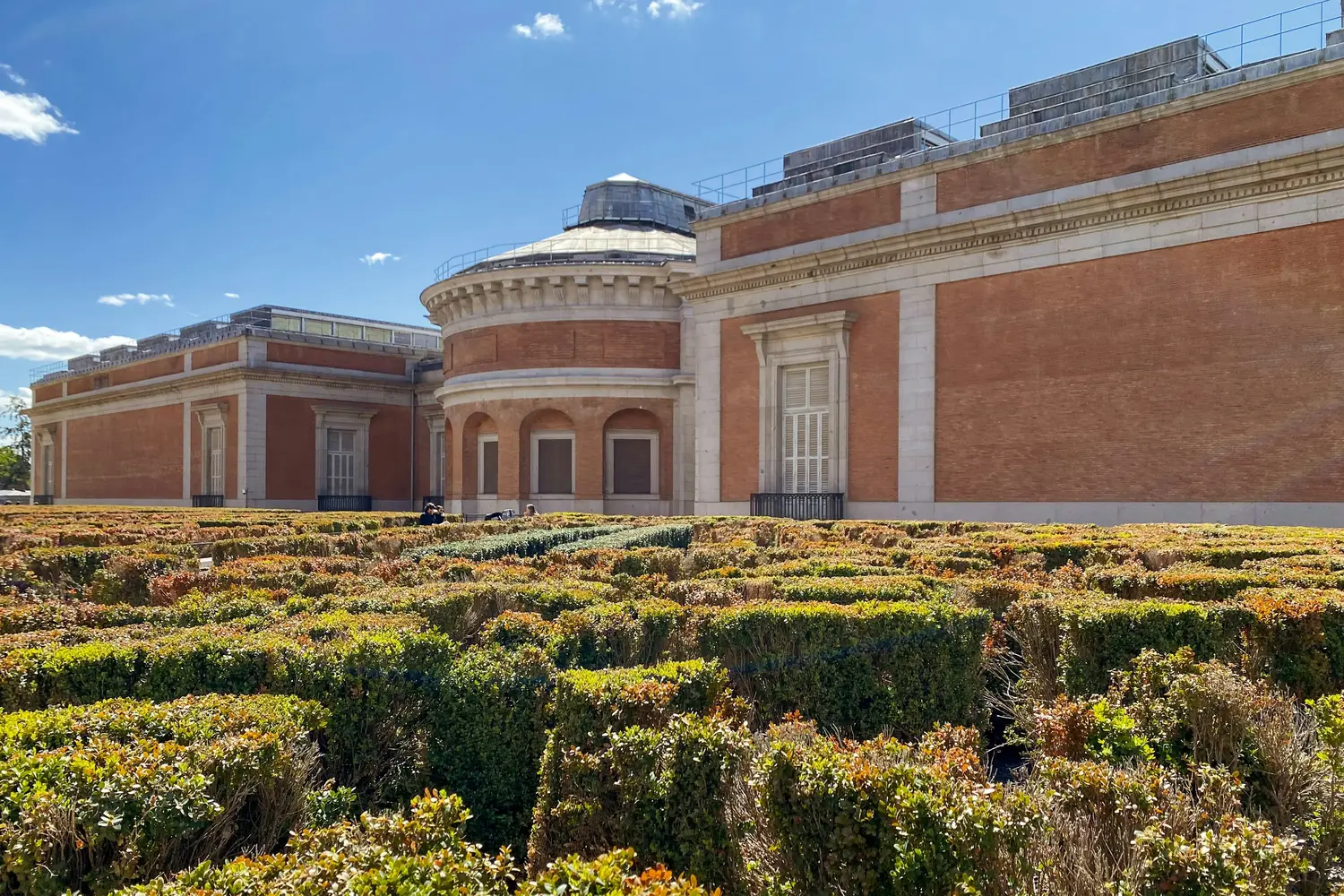
- Why visit: The Prado holds Velázquez's Las Meninas and Goya's Black Paintings; these two works alone justify a Madrid trip for anyone with an interest in European art
- What to do: Velázquez ground floor rooms; Goya Black Paintings room; El Greco collection; Titian portrait galleries
- How long: 2-3 hours for highlights; a full day for a thorough visit
- Best time: First entry at 10 am on Tuesday; arrive 15 minutes before opening to beat tour groups; free entry Monday-Saturday 6- 8 pm and Sunday 5- 7 pm
- Cost: USD 15-20 standard; free in the final 2 hours Monday-Saturday and Sunday
- Booking: Online ticket recommended to avoid queues; no timed entry required outside summer
- Getting there: Metro Lines 1 and 2 to Banco de España; 10-minute walk to the main entrance
- Insider tip: Arrive at the 10 am opening on Tuesday to reach Las Meninas before tour groups build up through the morning
5. Pintxos Tour, San Sebastián
- Why visit: San Sebastián is widely recognized as one of Europe's leading food destinations, with an unusually high concentration of Michelin-starred restaurants for a city of its size; the Parte Vieja pintxos bars run USD 2-4 per piece across dozens of counters concentrated in a compact area
- What to do: Parte Vieja bar circuit (Ganbara, Bar Txepetxa, and Borda Berri are consistent standouts); Mercado de La Bretxa morning fish section
- How long: 2-3 hours; best experienced from 7-10 pm
- Best time: Thursday and Friday evenings when bars refresh their counter displays most frequently
- Cost: USD 15-30 self-guided; USD 60-100 for a guided food tour
- Booking: No booking needed for self-guided; guided tours 1 week ahead
- Getting there: Train from Bilbao (approximately 1 hour 10 minutes; from USD 7) or bus from Madrid (approximately 5 hours; from USD 20)
- Insider tip: Ask for pintxos calientes (hot pintxos made to order); these differ substantially from cold counter display items and show the kitchen's real technique

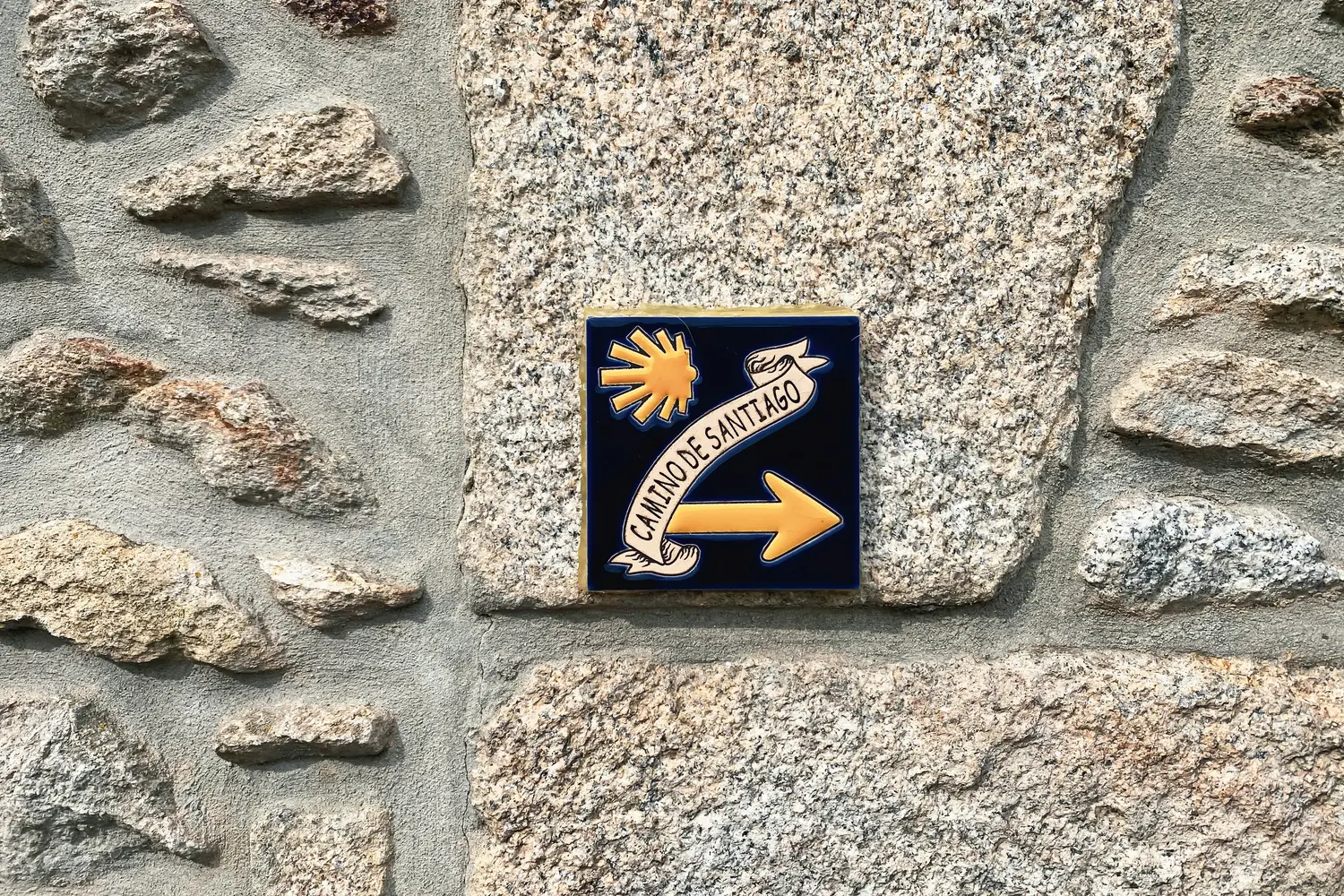
6. Camino de Santiago
- Why visit: The world's most famous pilgrimage route combines walking, medieval history, and is popular with solo travelers, with a natural daily social structure built around shared albergue accommodation
- What to do: Camino Francés (800km; 30-35 days); Portuguese Coastal route (250km; approximately 10 days from Porto); stamp the Credencial daily for the Compostela certificate
- How long: Minimum 5 days for the final 100km from Sarria (Compostela eligibility); up to 35 days for the full Camino Francés
- Best time: May-June and September for mild temperatures and thinner crowds; July-August is the busiest period
- Cost: Pilgrim passport (Credencial) USD 3 at the first albergue; albergue accommodation from USD 10-18/night
- Booking: No advance booking needed for most albergues; book the first and last nights ahead in summer
- Getting there: Fly to Biarritz or Pamplona for the Camino Francés; fly to Porto for the Portuguese Coastal route
- Insider tip: The Orisson albergue on the first Camino Francés day must be booked 3-4 months ahead in summer; it fills up well ahead of most other stops on the route
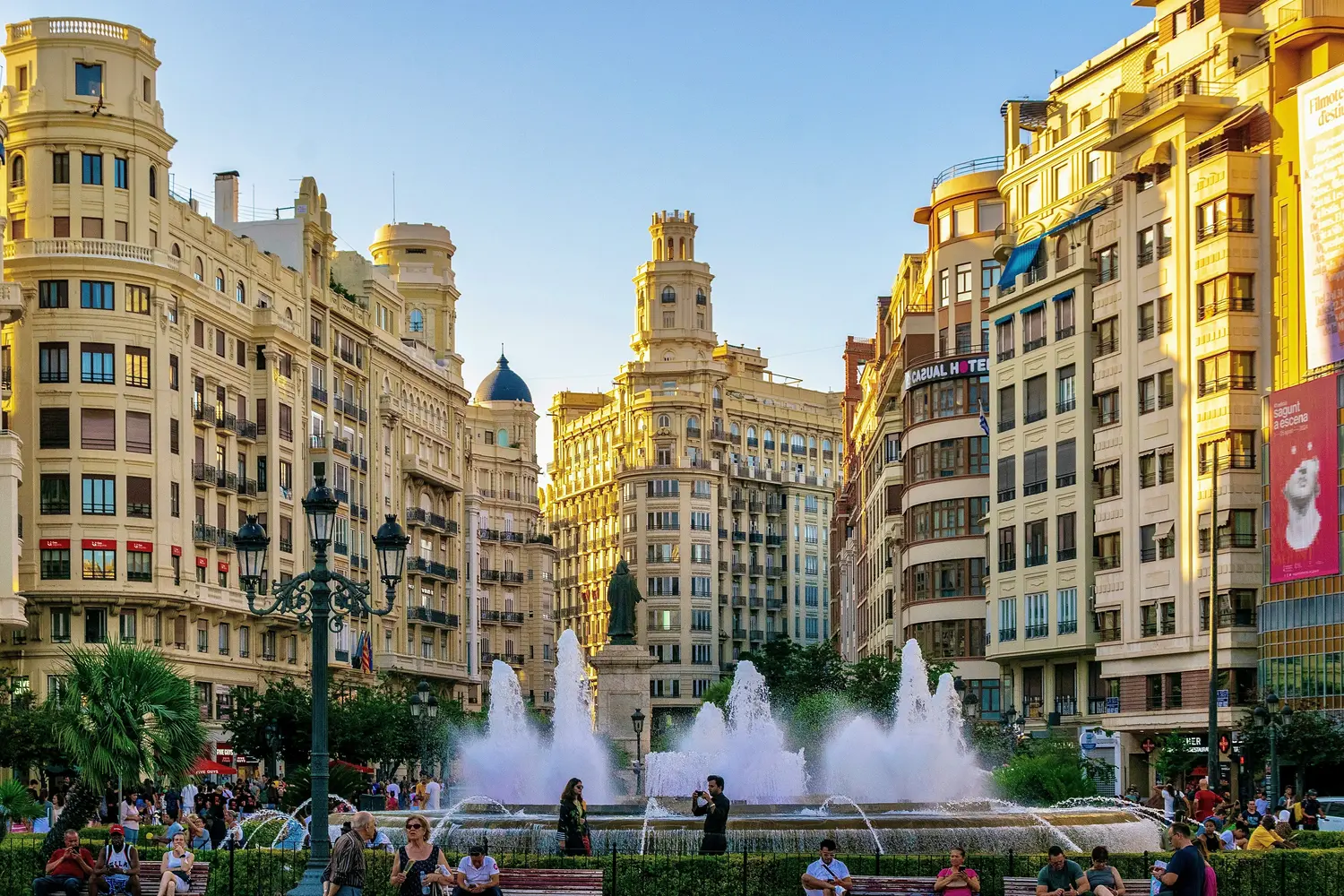
7. City of Arts and Sciences, Valencia
- Why visit: The cultural complex designed primarily by Santiago Calatrava, with the Oceanogràfic aquarium by Félix Candela, is one of the most architecturally significant 21st-century developments in Europe
- What to do: Oceanogràfic aquarium (largest in Europe; USD 38 adults, USD 28 children); Príncipe Felipe Science Museum (USD 12); exterior promenade and reflecting pools (free)
- How long: 3-5 hours for ticketed attractions; full day to cover everything
- Best time: Weekday mornings to avoid school groups; spring and autumn are significantly less crowded than summer
- Cost: Combination tickets from USD 38; individual attractions from USD 12; exterior walk free at any hour
- Booking: Online tickets recommended in summer; available on arrival in shoulder season
- Getting there: EMT Bus lines 35 and 95 from Valencia city center; approximately 20 minutes from the old city
- Insider tip: The L'Hemisfèric planetarium shows run primarily in Spanish; check the English-language schedule before booking
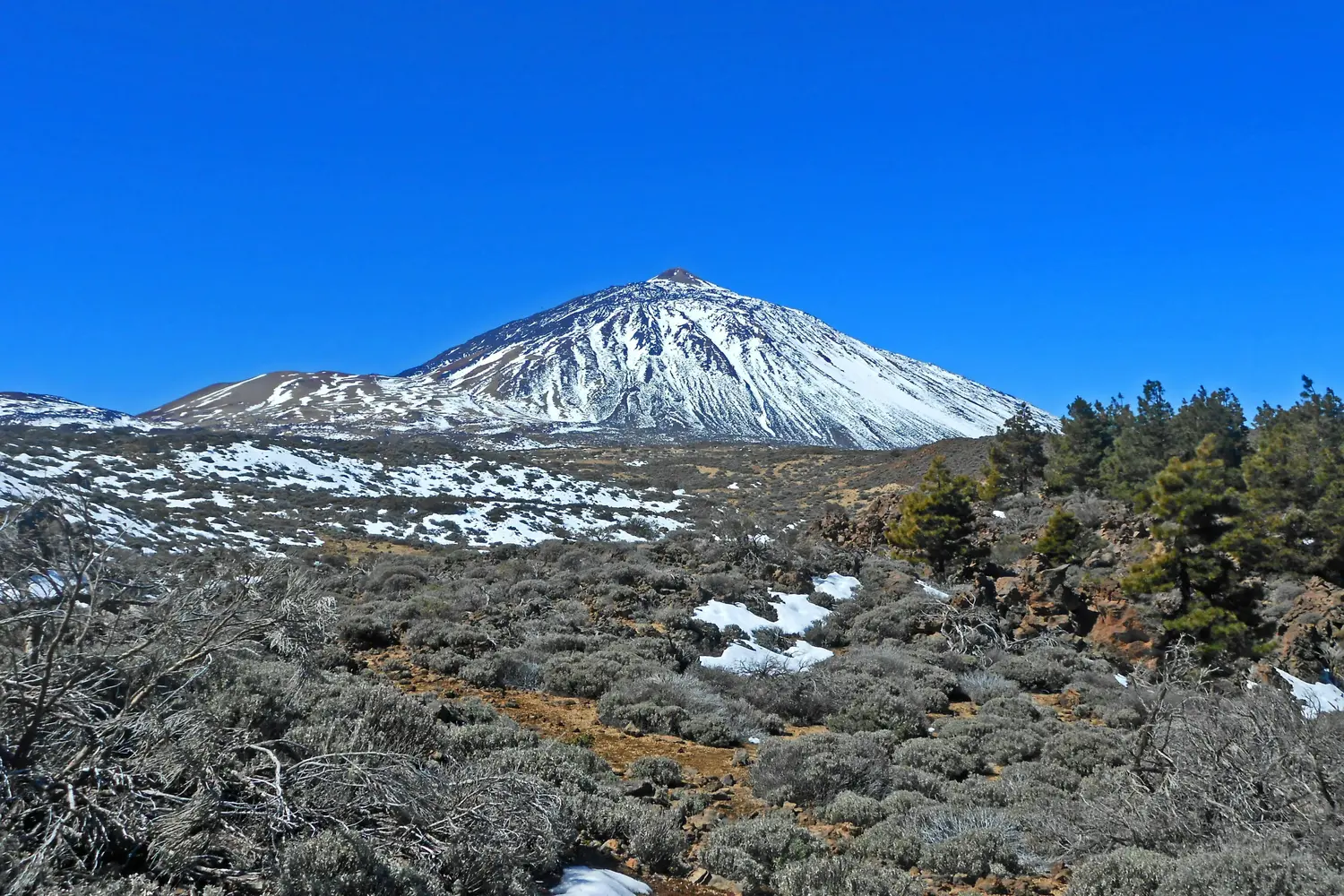
8. Teide National Park, Tenerife
- Why visit: Spain's highest peak at 3,715 meters sits inside a UNESCO World Heritage volcanic caldera; the volcanic landscape is one of the most distinctive in Spain
- What to do: Cable car to 3,555m; Roques de García trail (free; no permit needed); summit access above the cable car station requires a separate free permit from the Spanish National Parks system
- How long: Full day from any Tenerife coastal resort
- Best time: Early morning before the cloud layer forms; May-October for best summit visibility
- Cost: Approximately USD 26 one way or USD 47 return via Teleférico del Teide based on the current EUR rate; these are approximate conversions and prices may vary; always verify directly with the operator before booking. Summit permit free (apply online; rolling 3-month window)
- Booking: Cable car 2-3 weeks ahead in summer; summit permit minimum 3 months ahead
- Getting there: Rental car from any Tenerife resort (approximately 1 hour from the south) via the TF-21 mountain road
- Insider tip: Summit permit slots release in a rolling 3-month window; set a calendar reminder for exactly 90 days before your intended visit date
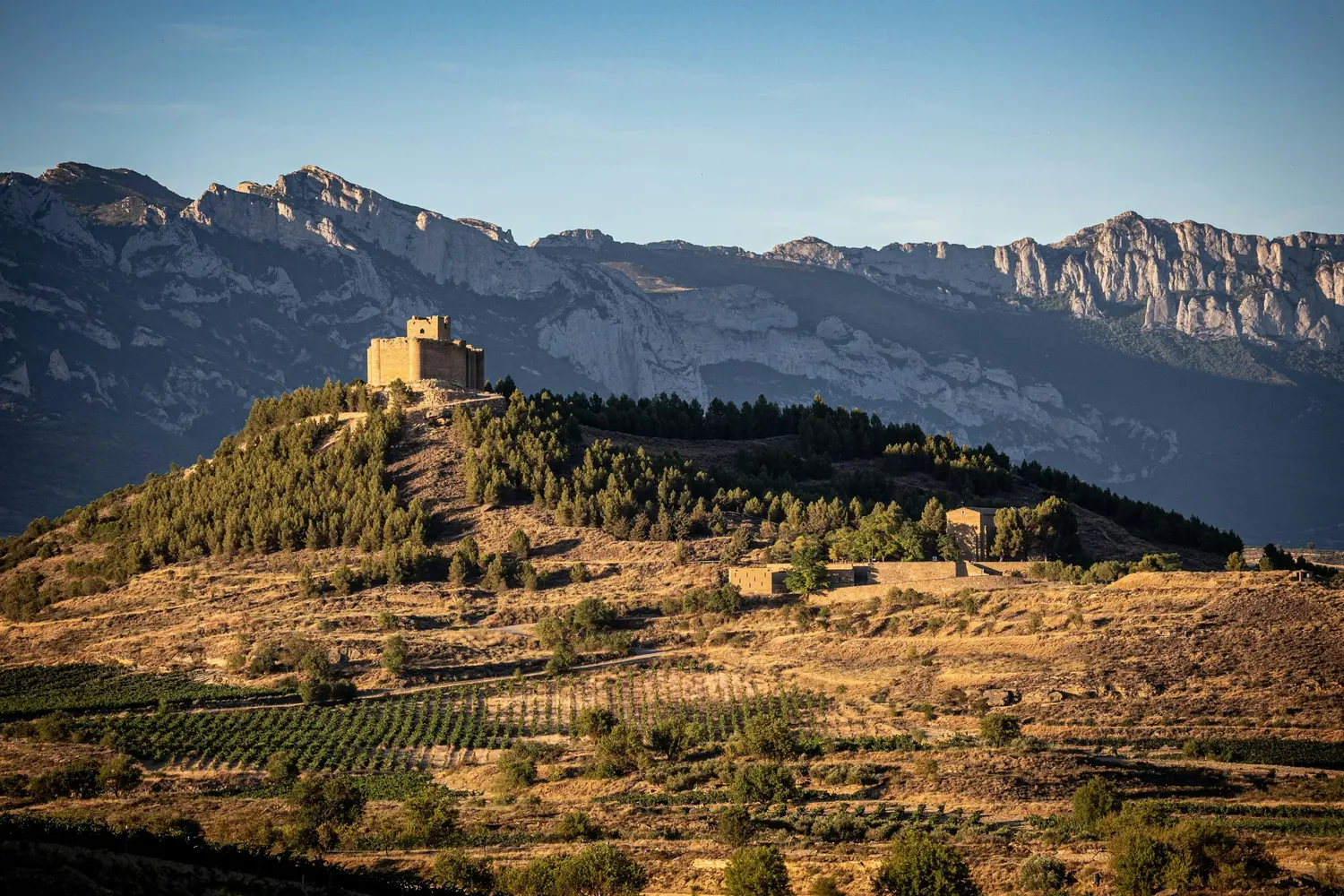
9. La Rioja Wine Region
- Why visit: One of Spain's best-known wine regions, La Rioja produces Rioja Reserva and Gran Reserva at prices well below Burgundy and Bordeaux equivalents for comparable quality
- What to do: Bodega tours with tastings (from USD 15 including 3-4 pours); VIVANCO Museum of Wine Culture in Briones (USD 10); harvest grape-picking experiences in September
- How long: Half day for a single bodega visit; full day for the Laguardia and Haro circuit
- Best time: September for harvest month; May-June and October for comfortable walking temperatures
- Cost: Bodega tours from USD 15; private wine tours from USD 80-150 per person
- Booking: Standard bodega tours 1-2 weeks ahead; September harvest experiences 2-3 months ahead
- Getting there: Train from Madrid to Logroño (approximately 3 hours 30 minutes; from USD 20); rental car recommended within the region
- Insider tip: Haro's wine quarter concentrates several top bodegas within walking distance; start there rather than driving a full regional circuit on a short visit
10. Doñana National Park
- Why visit: One of Europe's largest wetland reserves and a UNESCO World Heritage Site; Iberian lynx numbers have recovered significantly here through sustained conservation
- What to do: Guided 4WD tour into the restricted interior (USD 30); flamingo observation from El Rocío village boardwalk (free; best October-March); autumn bird migration from perimeter hides
- How long: Half day for a guided tour; full day combining El Rocío village and perimeter walks
- Best time: October to March for flamingos and migratory birds; spring for wildflower coverage across the dune systems
- Cost: Guided 4WD tours from USD 30; El Rocío flamingo viewpoints free at any time
- Booking: Guided tours 2-3 weeks ahead minimum; summer tours sell out faster
- Getting there: Car from Seville (approximately 1 hour 15 minutes); no public transport reaches the restricted reserve interior
- Insider tip: El Rocío's sand-street village and whitewashed church are worth visiting even without a full park tour; flamingos are visible from the boardwalk at no cost October through March
Read more: A complete Spain trip plan covers more than activities; costs, accommodation, and transport each deserve their own planning attention. 👉 Spain Travel Guide for First-Timers: Itinerary, Costs, Transport & Tips
Things to Do by Category
Historical & Cultural Things to Do
Famous things in Spain for cultural travel include Córdoba's Mezquita-Catedral, Seville's Real Alcázar, and Toledo's Cathedral. Each falls on a single Andalusian-to-Castile circuit accessible by AVE from Madrid in under 3 hours.
The best places to visit in Spain for history concentrate in Andalusia and Castile rather than the coasts.
Museums & Art
The best things to do in Spain for museum visitors center on Madrid's Golden Triangle. The Prado, Reina Sofía (Guernica permanent home; USD 12 standard), and Thyssen-Bornemisza (USD 14) all sit within 15 minutes on foot of each other.
The Guggenheim Bilbao (USD 18) anchors the Basque Country's contemporary art offer separately.
Food & Drink Experiences
Famous things in Spain around food differ completely by region. Tapas in Granada come free with every drink order. Pintxos in San Sebastián sell by the piece at USD 2-4 each.
Paella in Valencia is widely considered most authentic in neighborhood restaurants outside the tourist center, particularly on Sundays when locals eat it.
Outdoor & Nature Activities
Fun things to do in Spain outdoors include surfing at Mundaka in the Basque Country, hiking the Picos de Europa trails in Cantabria, and sea kayaking in Cabo de Gata Natural Park on Almería's volcanic coast.
Shopping
Madrid's El Rastro Sunday flea market (free; 9 am-3 pm in Lavapiés) and Barcelona's Mercat de Sant Antoni (weekday fresh market; weekend book market) deliver the most locally distinct shopping experiences away from international retail chains.
Nightlife & Evening Activities
Things to see and do in Spain at night run on a distinctly late schedule. Many Madrid clubs get busier late at night, often not reaching full atmosphere until after midnight.
San Sebastián's pintxos circuit peaks between 8- 10 pm. Seville's flamenco shows run at 7 pm and 9 pm nightly, with the later show consistently more intimate.
Unique / Local Experiences
Things to see and do in Spain beyond standard tourism include La Tomatina in Buñol (last Wednesday of August), Seville's Semana Santa processions (week before Easter), and Valencia's Fallas festival culminating with the cremà bonfire on March 19 each year.
Free Things to Do in Spain
- Parque del Retiro, Madrid (free; lake, Crystal Palace, weekend street performances)
- Barceloneta Beach (free; Metro L4 direct access from Barcelona city center)
- Barrio de Santa Cruz, Seville (free; whitewashed lanes and orange tree plazas)
- Granada's Albaicín neighborhood (free; UNESCO district with Alhambra views from Mirador de San Nicolás)
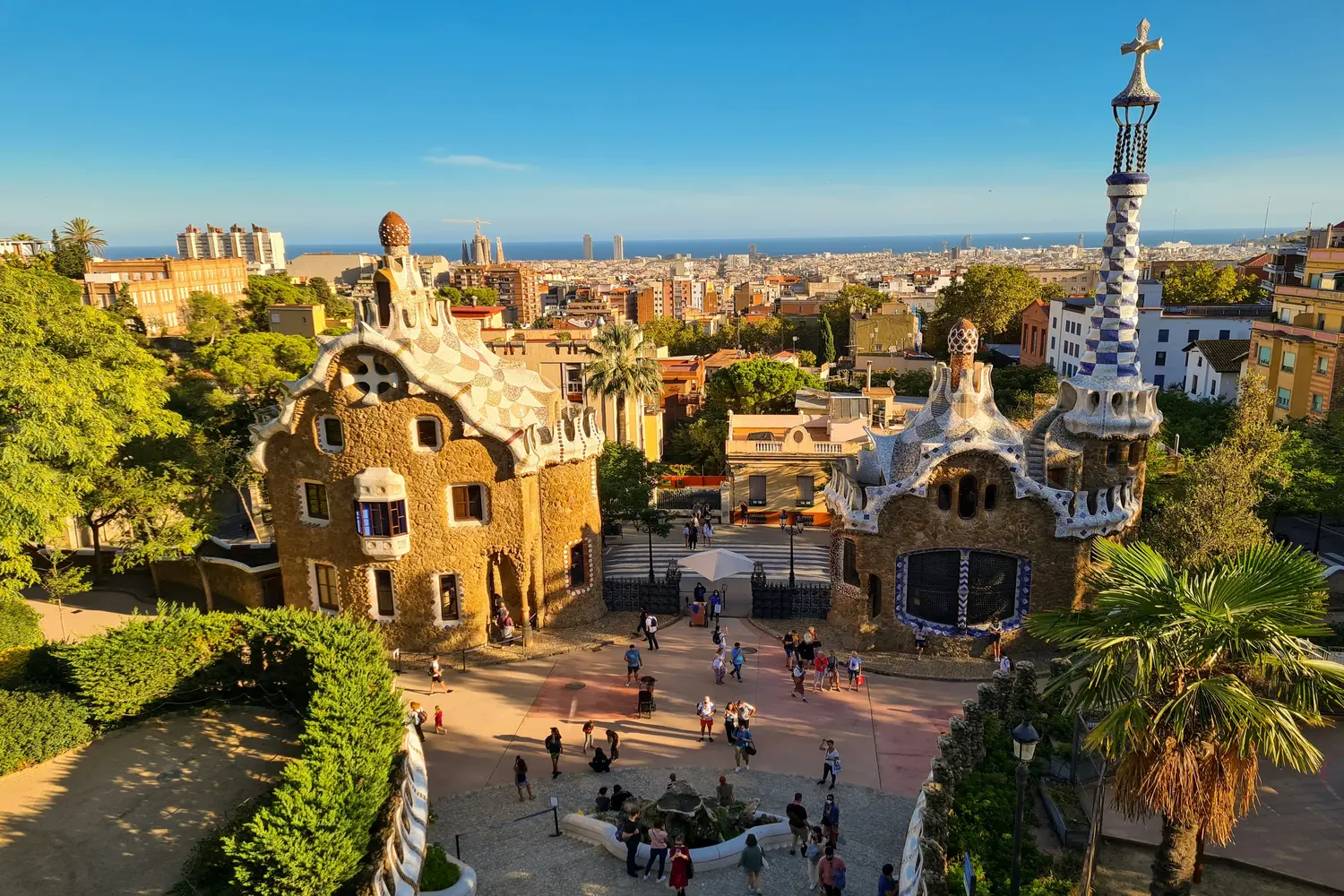
- Park Güell Nature Area walking paths, Barcelona (free; the Monumental Zone with mosaics and terrace requires a ticket from approximately USD 13)
- El Rocío marshes boardwalk, Huelva (free flamingo viewing from the village year-round)
Things to Do in Spain for Different Travelers
Best Things to Do for First-Time Visitors
Madrid (Prado, Retiro, Mercado de San Miguel), Granada (Alhambra), and Barcelona (Sagrada Família) form the strongest first-visit circuit.
The best places to visit in Spain for first-time visitors are all connected by AVE with journey times under 4 hours from Madrid.
Things to Do for Couples
Alhambra gardens at first light, a flamenco dinner show in Seville, and San Sebastián's pintxos evening circuit consistently top romantic Spain recommendations.
A Spain travel itinerary for couples works best anchored in Seville with day trips to Granada and Córdoba.
Things to Do with Kids
Port Aventura World in Tarragona (from USD 42/day), Valencia's Oceanogràfic aquarium (USD 38 adults, USD 28 children), and Montserrat rack railway suit families with children aged 5 and above without complex advance booking.
Things to Do for Solo Travelers
The Camino de Santiago is popular with solo travelers; albergues create natural daily social connections without requiring organized group booking.
Madrid's Malasaña neighborhood evening tapas circuit suits independent solo exploration equally well.
Things to Do for Budget Travelers
Spain travel tips for budget travelers consistently highlight Granada's free tapas with every drink, the Prado's free evening hours, and Camino albergues from USD 10-15/night.
Fun things to do in Spain at zero cost include full beach access along all coastlines and every major city park.
Things to Do for Adventure Travelers
Fun activities to do in Spain at the adventure level include surfing at Mundaka, multi-day trekking in the Picos de Europa, the full 800km Camino de Santiago, and Teide summit hiking with the restricted-access permit.
Things to Do in Spain by Area
Northern Spain
Things to see in Spain in the north include the Guggenheim Bilbao, San Sebastián's Parte Vieja food culture, Galicia's Camino de Santiago, and Cantabria's Picos de Europa.
Northern Spain delivers the country's most distinctive food culture alongside significantly more rainfall than the south.
Central Spain
Madrid, Toledo, Ávila, and Segovia concentrate famous things in Spain within the smallest geographic area. The AVE connects Madrid to Toledo in 33 minutes and Segovia in 27 minutes, making half-day circuits practical from any Madrid base.
Southern Spain
Activities in Spain for tourists in Andalusia include the Alhambra, Seville's Cathedral and Real Alcázar, Córdoba's Mezquita-Catedral, and Doñana National Park.
The best time to visit Spain's south is March to May when temperatures stay comfortable, and Semana Santa adds cultural depth.
Eastern Spain
Valencia's City of Arts and Sciences, Costa Brava beaches, and Barcelona's Gaudí circuit occupy eastern Spain's main travel arc. Fun activities to do in Spain in Catalonia extend into medieval Girona, Penedès wine country, and Dalí's theatre-museum in Figueres (USD 15).
Spanish Islands
Ibiza and Formentera suit beach and nightlife travelers; Mallorca delivers mountain hiking alongside coves; Tenerife's Teide and La Laguna's UNESCO old city suit nature and heritage travel.
The Canary Islands maintain warm weather year-round, making them one of Spain's strongest winter beach options.
Best Things to Do in Spain at Night
Evenings in Spain run consistently later than the rest of Europe:
- Flamenco shows in Seville (7 pm and 9 pm nightly; USD 20-50; Casa de la Memoria for smaller venues)
- Tapas and vermouth in Madrid's La Latina neighborhood (from 8 pm along Cava Baja street)
- Palau de la Música Catalana evening concerts, Barcelona (from USD 20; book 2-3 weeks ahead)
- San Sebastián's Parte Vieja pintxos circuit (7-10 pm; USD 15-30 self-guided)
- Ibiza's Dalt Vila fortress sunset from the ramparts (free; most impressive from 8 pm in summer)
Best Day Trips in Spain
Toledo from Madrid
Why go: UNESCO-listed medieval city; one of Spain's most architecturally significant Gothic cathedrals; El Greco's most important surviving works.
Distance: 75km from Madrid.
How to get there: AVE from Madrid Atocha (from USD 14 return).
Travel time: 33 minutes.
What to do: Cathedral (USD 13), Alcázar fortress (USD 6), El Greco Museum, city walls mirador.
How long: Full day.
Who should go: History and art travelers based in Madrid.
Ronda from Málaga
Why go: Clifftop city divided by the 120-meter El Tajo gorge; one of Spain's most dramatically situated towns and the birthplace of modern bullfighting.
Distance: 100km from Málaga.
How to get there: Bus from Málaga bus station (from USD 10 return).
Travel time: Approximately 1 hour 45 minutes.
What to do: Puente Nuevo bridge viewpoints; Plaza de Toros de Ronda bullring (Spain's oldest; USD 8).
How long: Full day.
Who should go: Couples, photographers, and architecture travelers on the Andalusia circuit.
Montserrat from Barcelona
Why go: Multi-peaked mountain massif at 1,236 meters with a Benedictine monastery and hiking trails above the cloud line.
Distance: 50km from Barcelona.
How to get there: FGC train from Plaça Espanya, including the rack railway (from USD 8 return).
Travel time: Approximately 1 hour 15 minutes.
What to do: Santa Maria monastery (free interior); Sant Joan cable car (USD 12 return); Degollats viewpoint trail.
How long: Half to full day.
Who should go: Families, hikers, and first-time Barcelona visitors.
Read more: Spain's transport costs vary considerably by route and booking lead time; planning ahead prevents the most common budget errors. 👉 How Much Does It Cost to Travel to Spain?
Things to Do in Spain by Season
Spring
March to May delivers ideal temperatures for activities in Spain for tourists across most regions. Seville's Semana Santa (week before Easter) and Feria de Abril (held in late April, exact dates vary annually) are the year's most significant cultural events.
Valencia's Fallas festival (March 15-19) culminates with the cremà bonfire on the 19th.
Summer
June to August: beaches, outdoor festivals, and long daylight hours dominate visitor activity. San Fermín in Pamplona runs July 6-14; La Tomatina in Buñol falls on the last Wednesday of August.
Inland temperatures regularly exceed 38°C; many outdoor sites are most comfortable earlier in the day.
Fall/Autumn
September to November: La Rioja wine harvest, lower crowd levels, and accommodation prices below summer peaks make autumn one of the strongest windows for things to see and do in Spain.
The Basque Country and Galicia stay milder than inland Spain through October.
Winter
December to February: Sierra Nevada ski resort (near Granada; from USD 40/day lift pass) and the Pyrenees resorts open from December. Christmas markets run in most major cities through early January.
Activities in Spain for tourists in winter concentrate in museums and cultural venues with significantly shorter queues.
Things to Do in Spain Based on Trip Length
If You Have 1 Day
Madrid essentials: Prado Museum at 10 am opening, Retiro Park afternoon, Mercado de San Miguel early evening, La Latina tapas circuit from 8 pm. Most sights are reachable within 30 minutes on foot or one Metro stop.
If You Have 2 Days
Add Toledo by AVE (full day; 33 minutes each way from Madrid Atocha) or Segovia for its Roman aqueduct and Alcázar castle (27 minutes by AVE from Chamartín station).
If You Have 3 Days
Madrid (2 nights) plus Seville by AVE (approximately 2.5 hours; from USD 35) on day 3. Places to see in Spain on this circuit cover the Prado, Real Alcázar, and Barrio de Santa Cruz within 3 nights total.
If You Have 5-7 Days
Madrid plus Seville plus Granada plus an optional Córdoba stop in between. Or Barcelona (3 nights) plus San Sebastián (2 nights) for a northeast-focused food and architecture trip.
What to do in Spain shifts significantly depending on whether ancient history or gastronomy takes priority in the planning.
Read more: Getting between Spain's cities and regions requires knowing which transport mode suits each route before booking. 👉 Transportation in Spain: How to Get Around in Spain
Best Experiences for First-Time Visitors
A first Spain trip delivers the most value from three anchor decisions:
- Alhambra and Granada (book 2-3 months ahead in summer; the Nasrid Palace timed entry slot is printed on the ticket and must be honored exactly)
- Sagrada Família (book 6-8 weeks ahead for July-August; combine with Park Güell Monumental Zone the same day)
- Prado Museum Madrid (10 am Tuesday opening; arrive early to reach Las Meninas and Goya's Black Paintings before tour groups build through the morning)
Must-see Spain attractions worth adding where time allows: the Alhambra night visit (separate ticket; the lit palace rooms offer a distinctly different experience from the day visit) and San Sebastián's self-guided pintxos circuit as one of the most memorable evening food experiences in Spain.
How to Plan Your Activities
Must-see Spain attractions requiring advance booking: Alhambra Nasrid Palace timed slot (the most critical Spain booking), Sagrada Família (6-8 weeks in summer), and Teleférico del Teide cable car (2-3 weeks in summer).
Group activities geographically. The Prado, Reina Sofía, and Thyssen form Madrid's Paseo del Arte triangle, all within 15 minutes on foot.
A Spain packing list for southern Spain in summer should include sun protection and a refillable water bottle; many outdoor sites are most comfortable earlier in the day.
Weather affects outdoor planning significantly in Andalusia from June through August. Camino stages are most comfortable in May-June and September; July-August delivers the most crowded albergues of the year.
Getting Around Spain
- AVE (high-speed): Madrid to Barcelona (approximately 2.5 hours); Madrid to Seville (approximately 2.5 hours); Madrid to Granada (approximately 3 hours 20 minutes); book via Renfe
- Regional trains and buses: Alsa bus network covers Andalusian routes at significantly lower cost than rail for secondary city connections
- Metro: Madrid (13 lines; approximately USD 1.50-2 per journey); Barcelona (12 lines; approximately USD 2.40)
- Rental car: Essential for rural Andalusia, La Rioja, Galician coast, and Extremadura; avoid in Barcelona and Madrid city centers
- Ferry: Baleàlia Lines and Trasmediterránea connect mainland ports to the Balearic and Canary Islands
- Walking: Most Spanish historic city centers are compact enough that major sightseeing zones are within comfortable walking distance of each other
How Much Do Things to Do in Spain Cost?
Things to see in Spain span from completely free to premium guided experiences. The table below covers activity costs only.
Popular things in Spain at mid-range prices consistently offer strong value compared with comparable European destinations.
What to Book in Advance
Book 2-3 months ahead (summer peak):
- Alhambra Nasrid Palace timed slot (the most critical booking in Spain)
- Sagrada Família tower access (Easter and July-August)
- Teide summit permit (free; Spanish National Parks rolling 3-month window)
- Major Real Madrid and FC Barcelona matches
Book 2-4 weeks ahead:
- Real Alcázar Seville (summer months)
- Guggenheim Bilbao (busy summer weekends)
- Teleférico del Teide cable car
- Camino de Santiago first and last night albergues
Usually flexible (on arrival or 1 week ahead):
- Prado, Reina Sofía, and Thyssen-Bornemisza museums
- Flamenco shows outside July-August
- Toledo and Ronda day trip tours
- City park visits and neighborhood walking throughout
Read more: Spain's mobile data options go beyond roaming; a clear comparison of local SIM, eSIM, and Wi-Fi approaches before travel saves money on longer stays. 👉 How to Get Mobile Internet in Spain
Common Mistakes When Planning Things to Do in Spain
These errors are specific to Spain and not generic travel cautions:
- Booking the Alhambra general entrance ticket without separately securing the Nasrid Palace timed slot; these sell independently, and the palace is the primary reason most visitors come to Granada
- Arriving in Seville expecting walk-in flamenco; quality tablaos book out on summer weekends and should always be reserved before traveling, not on arrival
- Going to dinner before 8:30 pm and finding most restaurants empty or not yet open for evening service; dinner commonly starts later in Spain than in many other European countries
- Planning Madrid and Barcelona on consecutive days without accounting for the approximately 2.5-hour AVE journey between them consuming a half-day of useful travel time
- Visiting Sagrada Família without a tower ticket; the nave interior is strong, but the elevated tower view adds the panoramic dimension most visitors come specifically to see
Stay Connected During Your Spain Trip With Jetpac
Moving between Madrid, Seville, Granada, Barcelona, and the Canary Islands creates connectivity gaps that no single hotel Wi-Fi can bridge.
Roaming on most home carrier plans adds USD 10-30 per day across Spain. The best eSIM for Spain travel activates before departure and covers 4G and 5G across Madrid, Barcelona, Seville, Granada, Valencia, and the islands from the moment you land.
A Jetpac Spain eSIM starts at USD 4, requires no physical SIM, and offers unrestricted hotspot sharing. An eSIM Spain plan includes free WhatsApp, Google Maps, and Uber access even after data runs out.
An eSIM for Europe plan extends the same connection across 30-plus countries for itineraries continuing into Portugal or France.
eSIM Spain plans from Jetpac include unrestricted hotspot sharing and free WhatsApp, Google Maps, and Uber access even after data runs out. A Jetpac Spain eSIM covers every region of the trip with 24/7 WhatsApp support from real people throughout.

FAQs
What are the best things to do in Spain?
The Alhambra in Granada, Sagrada Família in Barcelona, Prado Museum in Madrid, and a live flamenco show in Seville are the four popular things in Spain that define most first-trip itineraries.
What can I do for free in Spain?
El Rastro Sunday market in Madrid, Barceloneta Beach, Retiro Park, the Albaicín neighborhood in Granada, and Prado free evening hours cover the strongest no-cost Spain experiences.
How many days do I need to see Spain?
Seven days covers Madrid, Seville, and Granada comfortably; ten days adds Barcelona or the Basque Country; fourteen opens a full north-to-south circuit with time in each region.
What should I not miss in Spain?
The Nasrid Palaces inside the Alhambra and the pintxos evening circuit in San Sebastián's Parte Vieja are the two things to see in Spain most consistently cited as exceeding expectations.
What are the best things to do in Spain at night?
Flamenco shows in Seville, tapas in Madrid's La Latina neighborhood, and Barcelona's Palau de la Música Catalana concerts offer the strongest evening options across different travel styles.
What should I book in advance in Spain?
The Alhambra Nasrid Palace timed slot and Sagrada Família both sell out months ahead in summer; these two bookings prevent more Spain trip disruptions than any other planning decision.
Is Spain easy to get around?
Spain's AVE high-speed rail connects Madrid to major cities within approximately 2.5-3 hours; regional Alsa buses cover secondary Andalusian cities at very low cost; most historic city centers are compact and walkable.
What are the best things to do in Spain with kids?
Port Aventura World in Tarragona, Valencia's Oceanogràfic aquarium, Teide cable car in Tenerife, and Montserrat rack railway all suit families with children aged 5 and above.
Disclaimer
The information in this blog was accurate at the time of writing and is based on available travel, pricing, and destination data. Prices, opening hours, and booking requirements reflect data available as of October 2026. USD figures are approximate conversions from EUR where applicable. Verify current information before booking. Jetpac is not responsible for such changes.
Get connected as soon as you land with a Jetpac travel eSIM.


 What to Pack for Spain: A Complete Spain Packing List