
Switzerland Travel Guide 2026: Itinerary, Costs, Transport & Tips
Navigating Swiss rail networks and alpine weather requires early logistics planning. Combining panoramic train routes with strategic regional bases like Lucerne or Zermatt keeps local transit efficient. Leveraging supermarket meals and public ferries helps manage high daily trip expenses.
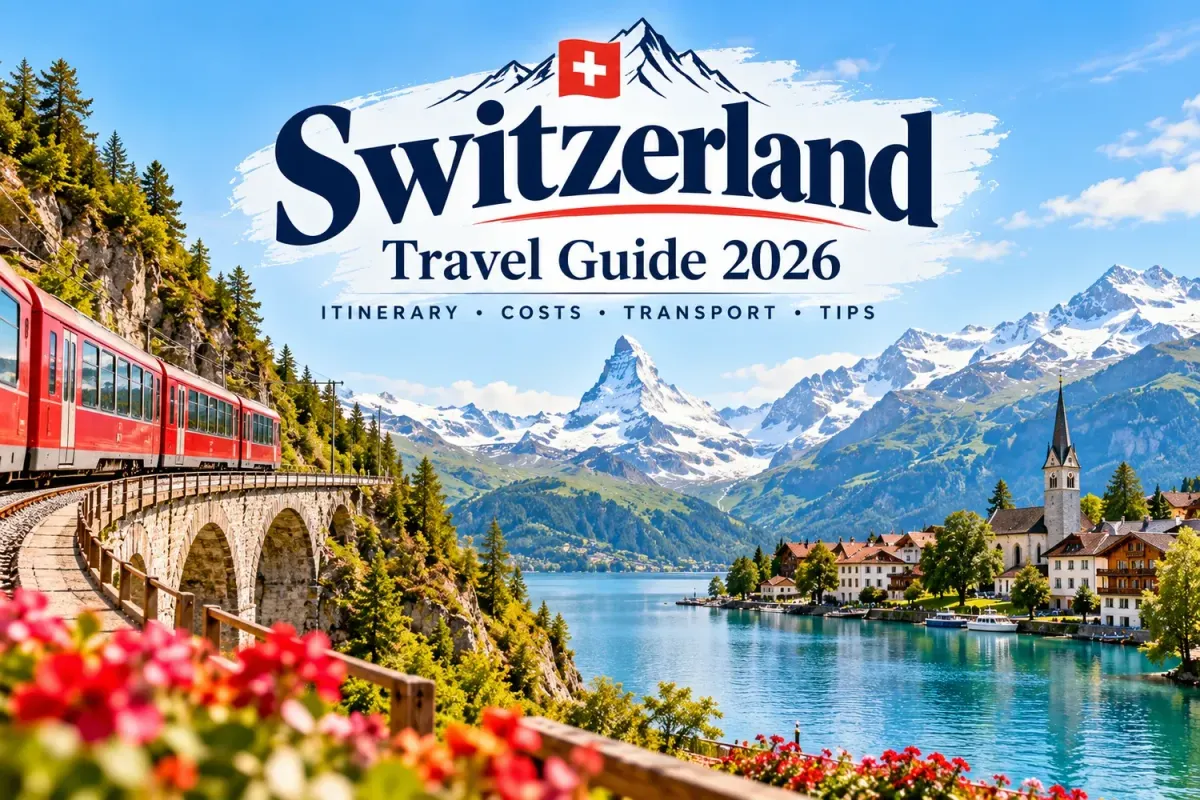
Towering Alpine peaks and pristine lakeside cities make Switzerland a dream destination. A comprehensive Switzerland travel guide is essential to unlocking the best local experiences.
Knowing the best places to visit in Switzerland helps you build a balanced vacation. You can easily blend scenic train rides with historic old towns.
If you want to plan a trip to Switzerland without any stress, mapping out your logistics early makes a massive difference for 2026.
Switzerland at a Glance
Why Visit Switzerland?
Switzerland offers a distinct mix of German, French, and Italian cultures with local specialties like fondue. It is easy to find beautiful places in Switzerland because the landscape transitions rapidly from deep valleys to main attractions like the iconic Matterhorn.
Mountain hiking and panoramic train rides are classic outdoor experiences that make travel here effortless. The country stands out because its pristine nature integrates flawlessly with world-class, highly efficient public transport.
Best Places to Visit in Switzerland
If you are mapping out your Switzerland travel itinerary, organizing your route by destination type helps streamline your trip. These are the best places to visit in Switzerland to include on your radar:
- Top Cities: Zurich, Geneva, Lucerne, Bern
- Mountain Regions: Jungfrau Region, Valais, Engadin Valley, Bernese Oberland

Natural Destinations & Attractions
- The Matterhorn
- Lauterbrunnen Valley
- Jungfraujoch
- Chillon Castle
- Rhine Falls
- Lake Lucerne
Read more: Considering adding another classic destination to your European vacation itinerary? Explore top regional sights, cultural highlights, and practical travel essentials before booking. Read our blog 👉 Complete Italy Travel Guide: Where to Go and What to Know
Things to Do in Switzerland
Finding the right balance of activities makes your trip rewarding. These are the top things to do in Switzerland to add to your bucket list:
- Sightseeing & Culture: Bern Old Town, Lucerne Chapel Bridge, and the Swiss National Museum.
- Outdoor Activities: Hiking the Eiger Trail, skiing in Zermatt, and paragliding in Interlaken.
- Food Experiences: Traditional cheese fondue dining and visiting the Lindt Home of Chocolate.
- Nightlife & Entertainment: Zurich’s Langstrasse clubs and the Montreux Jazz Festival venues.
- Family & Free Activities: Riding the Mount Pilatus funicular, visiting transport museums, and swimming in the public Aare River.
Best Time to Visit Switzerland
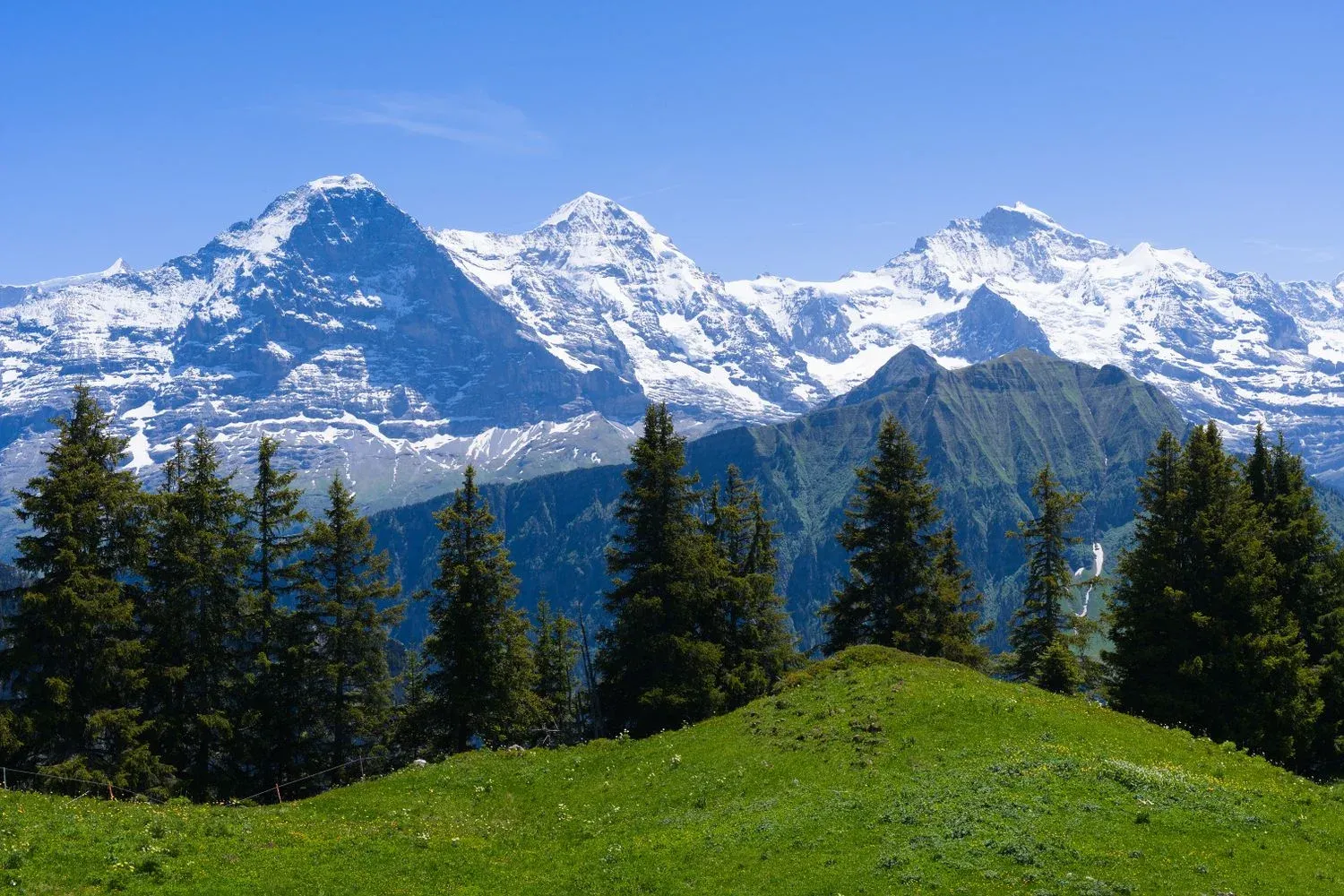
- High Season (Summer & Winter): Summer offers ideal hiking weather, while Switzerland in winter provides premier skiing conditions.
- Shoulder & Low Seasons (Spring & Autumn): Spring offers mild weather, whereas late autumn brings low crowds and frequent fog.
- Weather & Events: Mountain conditions dictate what you can do, so plan around major festivals like the August national holidays when determining the best time to visit Switzerland.
How Many Days Do You Need?
- 2–3 Days: Ideal for a focused city break in Zurich or Lucerne with one nearby mountain excursion.
- 5 Days: Perfect for combining an urban lake city with the classic Jungfrau Region valleys.
- 7 Days: The recommended minimum timeframe to execute a balanced Switzerland travel itinerary.
- 10 Days: Gives you ample breathing room to add scenic panoramic train routes or eastern cantons.
- 14 Days: A comprehensive regional loop covering the French, German, and Italian-speaking districts comfortably.
Switzerland Itinerary Ideas
- 3-Day Itinerary: Focuses strictly on a single lakeside hub like Lucerne to explore historic old towns and nearby mountain peaks.
- 5-Day Itinerary: Combines Lucerne and the dramatic Lauterbrunnen Valley for an easy, waterfall-filled Alpine route.
- 7-Day Itinerary: Pairs Lucerne and Zermatt, serving as a classic route that highlights the best way to travel Switzerland for short trips.
- 10-Day Itinerary: Connects Zurich, Interlaken, and Geneva, creating a well-paced Switzerland travel itinerary packed with iconic panoramic train rides.
- First-Time Visitor Itinerary: A curated highlights mix that blends vibrant cultural cities with a few breathtaking excursions to famous mountain peaks.
Read more: Planning a memorable bucket-list vacation across scenic landscapes? Check out this ultimate first-timer guide featuring curated routes, historic sights, and practical tips. Read our blog 👉 Ireland Travel Guide: The Ultimate Itinerary for First-Time Visitors
Switzerland Travel Cost & Budget
Switzerland requires careful financial planning. These real-world prices reflect actual baseline rates checked for your upcoming 2026 trip. The high cost of living in Switzerland impacts tourism, but smart shopping keeps daily trip costs down.
- Accommodation: Hostels cost CHF 40 to 80, while mid-range hotels run CHF 150 to 300. Luxury properties easily cross CHF 500 per night.
- Food: Restaurant mains cost CHF 25 to 45, but supermarket meals keep daily costs under CHF 30.
- Budgets: Budget travelers need CHF 120 daily, whereas mid-range travel averages CHF 250.
- Cards: Credit cards are standard everywhere and physical cash is rarely needed.
Read more: Planning to explore neighboring destinations on your upcoming European journey? Discover complete cost estimates, popular routes, and essential safety advice for travelers. Read our blog 👉 France Travel Guide: Costs, Routes, Safety and More
Visa & Entry Requirements
Switzerland belongs to the Schengen Area. US, Canadian, and UK citizens enjoy visa-free tourist stays up to 90 days within a rolling 180-day window. Other nationalities must apply for a standard Schengen visa before arrival.
Your passport must remain valid for at least three months past your exit date. Because immigration rules change, check the official Swiss State Secretariat for Migration site to plan a trip to Switzerland safely. Following updated Switzerland travel tips ensures a smooth border crossing.
Read more: Crossing multiple European borders during your upcoming vacation? Master essential transit options, entry guidelines, and regional budgeting strategies across the continent. Read our blog 👉 Europe Travel Guide: Places, Costs, Transport and More

How to Get Around Switzerland
Trains are the absolute best way to travel Switzerland because the SBB rail network links every alpine valley on time. Master getting around Switzerland with these transit choices:
- PostBuses climb steep mountain passes where trains cannot reach.
- Public passenger ferries cross Lake Lucerne and double as scenic cruises.
- Trams dominate major city streets while Uber operates in urban hubs.
- Driving rental cars offers freedom, but mountain parking is highly expensive.
Read more: Looking for another first-time European adventure with iconic transport networks? Explore curated itineraries, realistic costs, and local transportation tips for effortless travel. Read our blog 👉 Spain Travel Guide for First-Timers: Itinerary, Costs, Transport & Tips
Where to Stay
Choosing the right base affects your overall budget. Finding accommodation outside the expensive tourist hotspots keeps your expenses manageable.
- Location: City centers are expensive, but suburban hotels near train stations save money.
- Options: Hostels offer cheap dorms, while local apartments cut food costs via private kitchens.
- Regions: Interlaken suits families, Zermatt offers luxury chalets, and Bern provides affordable central hubs.
Food & Culture
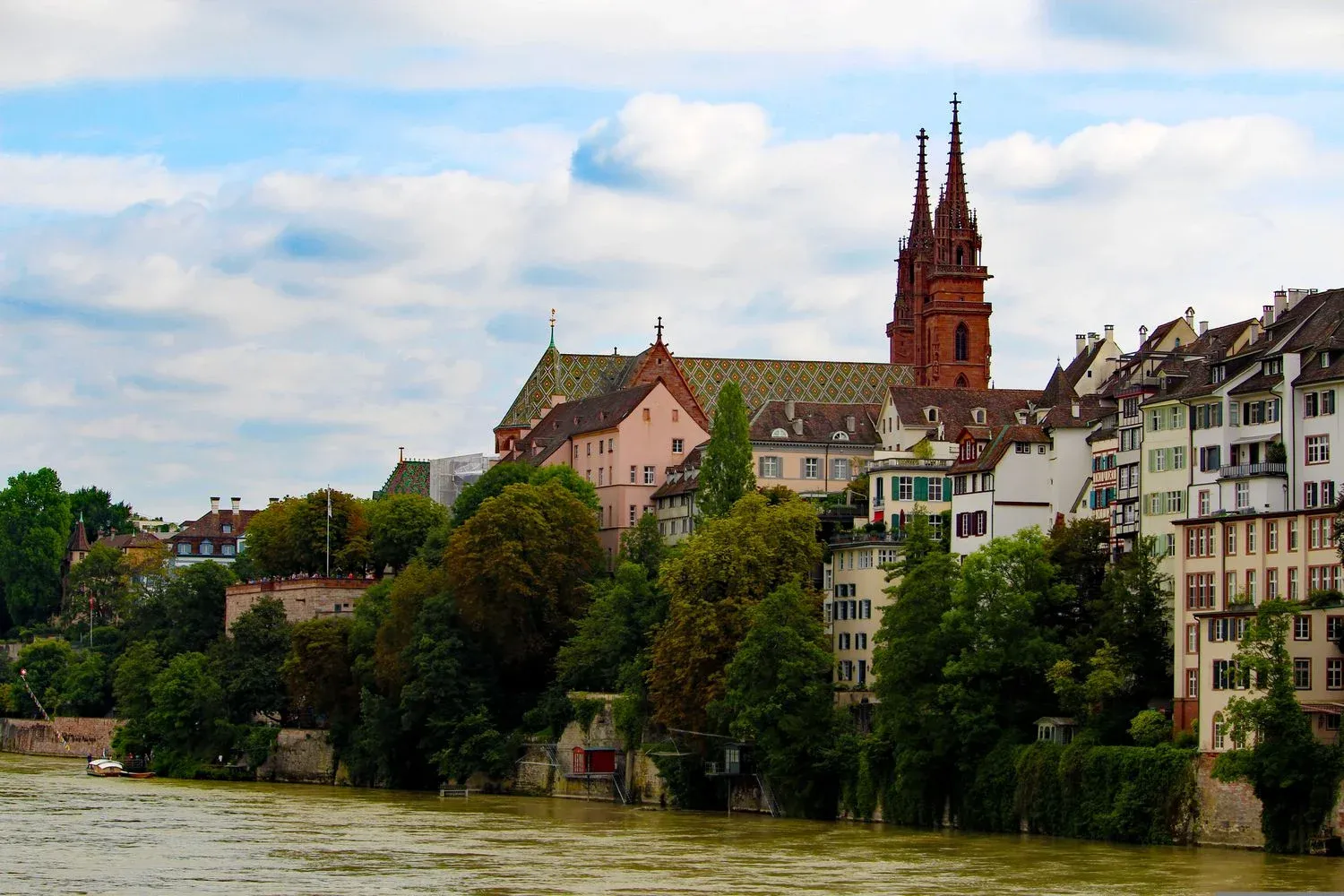
Swiss traditions vary by linguistic region. Taste cheese fondue in French areas and crispy Rösti potatoes in German cantons. You should respect strict Sunday rest laws and keep voices low on public trains.
Tipping is never mandatory because service is included in bills, so rounding up to the nearest CHF 5 is plenty. Consulting a comprehensive Switzerland packing list ensures you bring the right layers.
Having the correct gear makes it much easier to enjoy all the incredible things to do in Switzerland.
Travel Tips
Keep these practical Switzerland travel tips in mind to avoid common mistakes and protect your budget:
- Purchase mountain railway tickets online in advance to skip long lines at the station.
- Download the SBB mobile app to track real-time train schedules and platform changes.
- Avoid ordering tap water at restaurants because venues often charge high service fees.
- Skip pricey commercial lake cruises and ride regular public commuter ferries instead.
- Learn a few basic greeting words in German or French to interact with local residents.
What to Pack
Weather changes rapidly in high altitudes. A comprehensive packing list for Switzerland must prioritize versatile layers and protective gear:
- Clothing & Shoes: Thermal layers, windproof shell, and sturdy hiking shoes with deep traction.
- Weather Items: Polarized sunglasses, high-SPF sunscreen, and a compact umbrella.
- Adapter & Tech: Type J electrical adapter, high-capacity power bank, and charging cords.
- Medication & Essentials: Personal prescriptions, motion sickness pills, and hydrating lip balm.
- Bag & Documents: Water-resistant daypack, passport copies, train passes, and travel insurance.
Staying Connected with Internet: Important for your business
Navigating Switzerland’s rail network, checking alpine forecasts, and scanning digital passes require consistent mobile data. Station Wi-Fi is spotty, and signal drops in remote valleys make relying on roaming risky. Choosing a Switzerland eSIM avoids local SIM lines and unexpected carrier bills. A Jetpac eSIM for Switzerland connects you seamlessly across the country.
✅ Continue using Google Maps, WhatsApp, and Uber even if your data finishes.
✅ Automatically connects to top Swiss networks for uninterrupted coverage.
✅ Enjoy zero hidden fees and save up to 70% compared to traditional roaming.
✅ Get fast 5G speeds, easy setup, and 24/7 support with the best eSIM for Switzerland.
Useful Travel Apps & Resources
Navigating the country efficiently requires the right digital tools on your phone. The SBB app is absolutely essential for managing your daily transit routes and purchasing regional transit tickets instantly.
For mountain weather tracking, MeteoSwiss provides highly accurate, real-time rain and snow forecasts by the hour. Use Google Translate to quickly read menus in varying linguistic cantons.
XE Currency is perfect for tracking real-time Swiss Franc conversion rates. Having these tools ready before you plan a trip to Switzerland prevents logistical headaches on the road.
Safety & Emergencies
Switzerland is exceptionally safe, but basic situational awareness remains necessary. Pickpocketing occurs occasionally around crowded transit hubs like Zurich Hauptbahnhof and the Geneva airport.
- Emergencies: Dial 112 for general emergency services or 144 for an ambulance.
- Common Scams: Avoid shell games and fake petition signers in crowded tourist plazas.
- Caution Situations: Watch your bags on overnight trains and check alpine weather before hiking.
- Lost Passport or Phone: Report theft to local police immediately to get paperwork for your embassy.
- Travel Insurance: Verify your policy explicitly covers high-altitude accidents and emergency medical evacuation.
FAQs
What should I know before traveling to Switzerland?
Using a comprehensive Switzerland travel guide helps you navigate logistics. Tap water is exceptional, card payments are standard, and trains are the best way to travel Switzerland efficiently.
How many days are enough to visit Switzerland?
A 7-day Switzerland travel itinerary is the recommended minimum to see highlights like Lucerne and Zermatt, while 10 to 14 days allows a relaxed, multi-region trip.
What should I book in advance for Switzerland?
Reserve high-altitude mountain railway tickets, panoramic train seats, and popular hotels early. Mapping out logistics ahead of time helps plan a trip to Switzerland smoothly for 2026.
Do I need to rent a car in Switzerland?
No, driving is unnecessary. Getting around Switzerland by public transit is seamless, as SBB trains, postbuses, and lake ferries connect every city and Alpine valley reliably.
Can I use credit cards and ATMs in Switzerland?
Yes, credit cards are accepted almost everywhere across the country. Physical cash is rarely required, though keeping a few Swiss Francs (CHF) handy for small rural purchases is helpful.
Do I need to speak the local language in Switzerland?
No, but learning basic greetings in German or French is appreciated. Most locals in major tourist regions speak English fluently, making communication easy throughout your trip.
Does my phone work in Switzerland, and do I need an eSIM?
Your phone works via roaming, but local costs can be high. Jetpac is usually considered a solid option for securing fast, reliable mobile data across the country.
What are the most common tourist mistakes or scams to avoid in Switzerland?
Following practical Switzerland travel tips helps you avoid overpaying. Skip costly commercial lake cruises, watch for pickpockets in Zurich, and avoid buying restaurant tap water.
Disclaimer
The information in this blog is based on travel data and local information available to the Jetpac team at the time of writing in 2026. Entry requirements, local rules, fees, and travel details are subject to change without notice. We recommend checking official government and tourism websites before travelling. Jetpac is not responsible for any changes or travel outcomes based on this content.